
The allure of venturing into entrepreneurship is powerful, especially when considering the vast potential that a state like Texas offers. From the bustling energy of Houston to the historic charm of San Antonio, the Lone Star State is a fertile ground for new businesses. Many aspiring entrepreneurs are drawn to the concept of forming a Limited Liability Company (LLC) due to its distinct advantages in protecting personal assets. However, the word “free” in the context of business formation often raises a skeptical eyebrow. Can you truly establish an LLC in Texas without incurring any costs? This article will delve into the nuances of starting an LLC in Texas, exploring the possibilities of minimizing expenses and the actual costs involved, all while keeping in mind the vibrant travel and tourism landscape that Texas boasts.

The Appeal of an LLC in Texas
Before we dive into the financial aspects, it’s crucial to understand why an LLC is such a popular choice for business owners in Texas and beyond. An LLC offers a hybrid structure, combining the pass-through taxation of a partnership or sole proprietorship with the limited liability of a corporation. This means that the business’s debts and liabilities are generally separate from the owners’ personal assets. For instance, if a patron at your boutique hotel in Austin were to sue, your personal home or savings would likely be protected. This distinction is invaluable for entrepreneurs who want to safeguard their personal financial well-being.
The flexibility of an LLC is another major draw. Unlike corporations, LLCs have fewer formal operating requirements. They don’t typically need to hold annual board meetings or maintain extensive corporate minutes. This streamlined approach is particularly appealing for small business owners, including those looking to capitalize on Texas’s thriving tourism sector, perhaps by opening a unique boutique hotel or offering specialized travel experiences. The ease of operation allows entrepreneurs to focus more on growing their business and less on administrative burdens.
Furthermore, the tax structure of an LLC can be advantageous. By default, an LLC is taxed as a disregarded entity (if it has one owner) or a partnership (if it has multiple owners). This means profits and losses are passed through to the owners’ personal income tax returns. This avoids the “double taxation” that can occur with C-corporations, where profits are taxed at the corporate level and again when distributed to shareholders as dividends. This pass-through taxation can simplify tax filing and potentially lead to a lower overall tax burden.
Navigating the “Free” Aspect of Texas LLC Formation
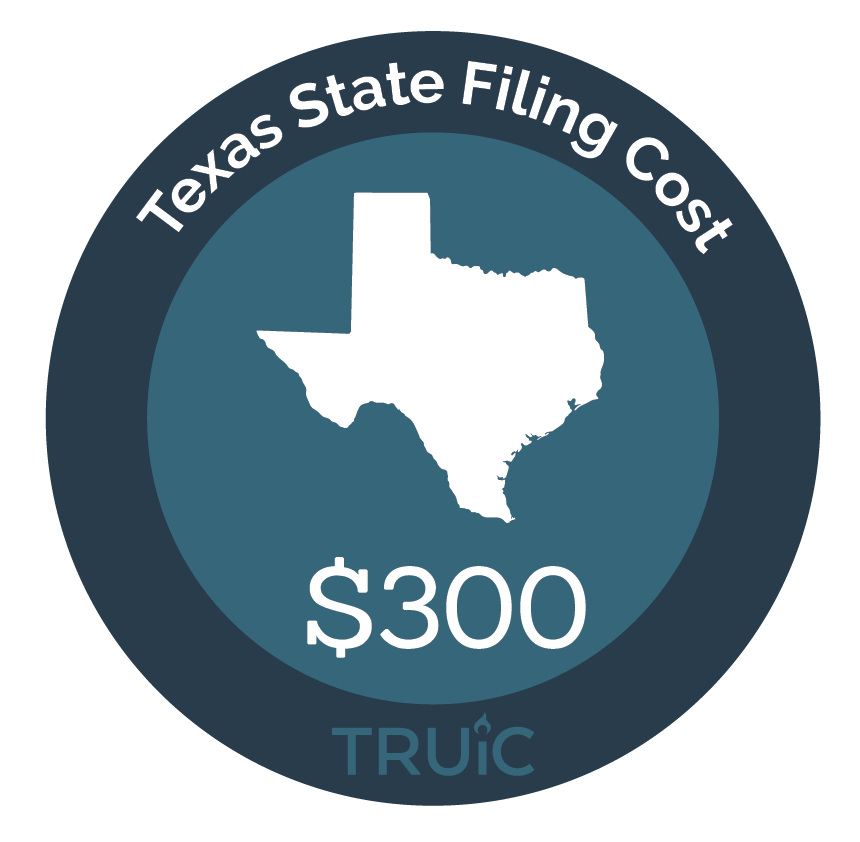
The notion of starting an LLC “for free” is, in practice, a bit of a misnomer. While there are no state-mandated filing fees to establish the legal existence of your LLC in Texas, the reality involves other essential steps that often come with associated costs. The primary state filing fee for forming an LLC in Texas is indeed zero. This is a significant advantage compared to many other states that charge substantial filing fees. The state agency responsible for business filings is the Texas Secretary of State.
However, the core document required to form an LLC is the Certificate of Formation. While the state doesn’t charge a fee to file this document, you are legally required to file it with the Texas Secretary of State. So, the “free” aspect strictly refers to the absence of a state filing fee for this particular document.
Essential Steps Beyond the “Free” Filing
Even with the absence of a state filing fee for the Certificate of Formation, there are other crucial steps and potential costs associated with forming and operating an LLC in Texas. Understanding these will give you a clearer picture of the true investment required.
1. Registered Agent and Registered Office
Every LLC in Texas must designate a registered agent. This is an individual or a company that agrees to accept legal documents (like lawsuits or official government notices) on behalf of your LLC. The registered agent must have a physical street address in Texas, known as the registered office. This address cannot be a P.O. Box.
- Choosing a Registered Agent: You can act as your own registered agent if you have a physical address in Texas and are willing to be available during normal business hours to receive service of process. This is the most cost-effective option if you meet these criteria.
- Using a Commercial Registered Agent: Many businesses opt to hire a commercial registered agent service. These services typically charge an annual fee, ranging from $100 to $300 or more, depending on the provider. This is a good option if you don’t have a suitable physical address in Texas, prefer to maintain privacy, or want the assurance of professional handling of legal documents. For example, if you’re planning a series of luxury travel ventures across the state, you might not always have a consistent physical presence.
2. Operating Agreement
While Texas law does not require LLCs to have an operating agreement, it is highly recommended. An operating agreement is an internal document that outlines how the LLC will be managed, the roles and responsibilities of members, profit and loss distribution, and procedures for adding or removing members, among other crucial operational details.
- DIY Operating Agreement: You can draft your own operating agreement, which incurs no direct cost other than your time and effort. However, it’s essential to ensure it is comprehensive and legally sound.
- Professional Drafting: For robust protection and clarity, many entrepreneurs choose to have an attorney draft their operating agreement. This will involve legal fees, which can vary significantly based on the complexity of your business structure and the attorney’s rates.
3. Business Licenses and Permits
Depending on the nature of your business and its location within Texas, you may need various business licenses and permits to operate legally. This is particularly relevant for businesses in the tourism and hospitality sectors. For example, a restaurant within a resort in the Texas Hill Country would require health permits, food service licenses, and potentially liquor licenses. Even a small bed and breakfast might need local zoning permits.
- Federal, State, and Local Requirements: Researching these requirements is crucial. Fees for licenses and permits can range from a few dollars to hundreds or even thousands, depending on the industry and governing bodies. This is not a one-time cost; many permits require annual renewal.
4. Employer Identification Number (EIN)
If your LLC plans to hire employees, operate as a corporation for tax purposes, or file certain tax returns, you will need an Employer Identification Number (EIN) from the Internal Revenue Service (IRS).
- Obtaining an EIN: Obtaining an EIN from the IRS is completely free. You can apply for one directly on the IRS website. This is a straightforward process that involves providing basic information about your LLC.
5. Annual Franchise Tax
In Texas, LLCs are subject to an annual franchise tax if they have a “taxable margin.” However, there is a threshold for small businesses. Currently, an LLC with no employees and less than $1,230,000 in revenue in Texas is exempt from the franchise tax. If your business exceeds this threshold, you will need to pay the franchise tax annually to the Texas Comptroller of Public Accounts. The amount of the tax depends on your business’s revenue.
The “Free” LLC: A Theoretical Concept
Therefore, while the initial filing of the Certificate of Formation with the Texas Secretary of State is free of charge, setting up a fully operational and legally compliant LLC in Texas typically involves some financial outlay. The closest you can get to a “free” LLC is if:
- You are the sole owner and act as your own registered agent.
- You draft your own operating agreement.
- Your business does not require any specific federal, state, or local licenses or permits.
- Your business revenue falls below the franchise tax threshold.
Even in this scenario, you are still investing your time and effort, which has an inherent value. For most entrepreneurs, especially those planning a robust venture in the hospitality or travel industry, budgeting for a registered agent service, legal advice for an operating agreement, and necessary permits will be essential.
Minimizing Costs for Your Texas LLC
While a truly “free” LLC might be a myth, there are several strategies to minimize the costs associated with forming and maintaining your business in Texas.
Leveraging Free Resources and DIY Approaches
- DIY Filing: As mentioned, you can file the Certificate of Formation yourself directly with the Texas Secretary of State. This is a relatively simple online process.
- Self-Service Registered Agent: If you reside in Texas and can dedicate time during business hours to receive mail and legal documents, you can serve as your own registered agent.
- Template Operating Agreements: Numerous websites offer free templates for LLC operating agreements. While these can be a starting point, it’s crucial to adapt them to your specific business needs and, if possible, have them reviewed by a legal professional.
- IRS Resources: The IRS provides a wealth of free information and resources for small businesses, including guidance on obtaining an EIN and understanding tax obligations.
Strategic Use of Professional Services
- Phased Approach: You don’t need to invest in all professional services at once. Start with the absolute essentials. For example, you might draft your own operating agreement initially and then have it professionally reviewed once your business starts generating revenue.
- Bundle Services: Some online formation services offer packages that include registered agent services, operating agreement templates, and EIN application assistance for a bundled fee. Comparing these packages can sometimes lead to savings.
- Local Chambers of Commerce and Small Business Development Centers: These organizations often provide free or low-cost advice and resources for new entrepreneurs. They can help you understand local licensing requirements and navigate the business landscape in your specific area of Texas.
Considering the Long-Term Value
When evaluating the costs of forming an LLC, it’s important to consider the long-term value it provides. The protection of personal assets is invaluable, especially when you are investing your own capital into a new venture, whether it’s a charming boutique hotel near the Alamo or an innovative travel app. The peace of mind that comes with robust legal protection can be well worth the investment.
Conclusion: The Realistic Cost of a Texas LLC
In conclusion, while the headline “How To Start An LLC In Texas For Free?” is enticing, the reality is that the core filing with the state doesn’t carry a fee. However, to establish a fully functional and legally sound LLC that adequately protects your personal assets, you will likely incur some costs. These costs are generally manageable and can be minimized through careful planning and leveraging available resources.
The primary expenses to anticipate are the potential fees for a commercial registered agent, professional drafting or review of your operating agreement, and any necessary business licenses and permits. The cost of an EIN is zero. For many entrepreneurs, particularly those aiming to tap into Texas’s vibrant economic landscape, from its world-class resorts to its diverse culinary scene, the investment in forming an LLC is a crucial step towards building a successful and secure business. By understanding the actual costs and exploring strategies to minimize them, you can confidently embark on your entrepreneurial journey in the great state of Texas.
LifeOutOfTheBox is a participant in the Amazon Services LLC Associates Program, an affiliate advertising program designed to provide a means for sites to earn advertising fees by advertising and linking to Amazon.com. Amazon, the Amazon logo, AmazonSupply, and the AmazonSupply logo are trademarks of Amazon.com, Inc. or its affiliates. As an Amazon Associate we earn affiliate commissions from qualifying purchases.