
Embarking on an entrepreneurial journey in the United States, particularly in a dynamic state like Texas, offers a world of opportunity. For globetrotters, digital nomads, and individuals passionate about travel, hospitality, or unique lifestyle businesses, establishing a Limited Liability Company (LLC) in Texas can be a strategic move. Whether you’re planning to run a boutique travel agency, manage short-term rental properties, curate local culinary tours, or even operate a blog that documents your adventures through iconic Texas destinations, an LLC provides crucial benefits that can safeguard your personal assets and lend credibility to your venture.
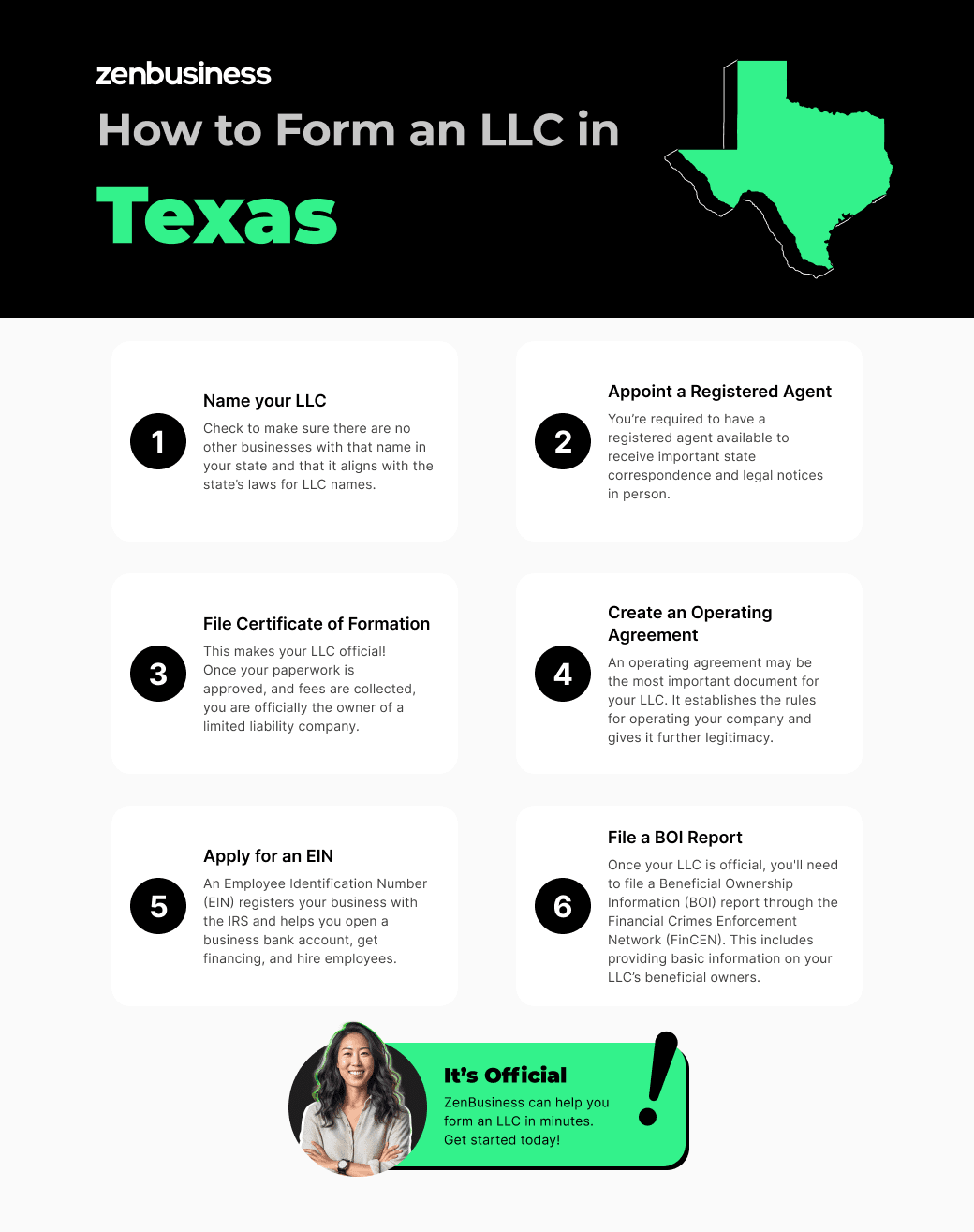
The appeal of Texas extends beyond its vast landscapes and rich history; it boasts a business-friendly environment that encourages growth and innovation. From the bustling metropolitan areas of Houston and Dallas to the vibrant cultural scenes of Austin and San Antonio, the state offers diverse markets for almost any business idea. This guide will walk you through the essential steps to form an LLC in Texas, highlighting how this structure can particularly benefit those in the travel and lifestyle sectors, ensuring your passion project or next big venture is built on a solid legal foundation.
Why Choose Texas for Your Lifestyle or Travel Business LLC?
Texas is often celebrated for its “Live Free, Die Hard” spirit, a sentiment that resonates deeply with entrepreneurs. For those in the travel, accommodation, or lifestyle industries, the decision to incorporate in Texas offers compelling advantages, blending business practicality with a touch of the adventurous spirit.
A Hub for Entrepreneurial Spirit and Tourism
Texas’s robust economy and pro-business policies make it an attractive state for launching a new enterprise. Unlike some other states, Texas does not levy a state income tax on individuals, which can translate into more disposable income for business owners. This favorable tax landscape, combined with a rapidly growing population and a diverse consumer base, creates fertile ground for businesses to thrive.
The state’s tourism industry is booming, drawing millions of visitors annually to its diverse attractions. Imagine operating a unique travel experience company based in Austin, offering guided tours of the city’s legendary music venues and food trucks. Or perhaps you envision managing a portfolio of short-term rental properties near San Antonio’s historic Riverwalk or in the charming Texas Hill Country. The demand for unique travel experiences, comfortable accommodations, and local insights is consistently high across the state. Cities like Houston, home to Space Center Houston, and Dallas, with its rich history showcased at the Sixth Floor Museum, present endless opportunities for businesses catering to tourists and residents alike. Even the coastal beauty of Galveston or the rugged wilderness of Big Bend National Park can serve as a backdrop for niche travel services, outdoor adventure companies, or specialized accommodation providers.
Protecting Your Passion: The LLC Advantage
For entrepreneurs who pour their passion into their work, an LLC acts as a vital protective shield. One of the primary benefits of an LLC is limited liability protection. This legal separation ensures that your personal assets – your home, savings, and other personal property – are protected from business debts and liabilities. If your travel agency faces an unforeseen lawsuit, or a guest at your rental property sustains an injury, your personal finances remain distinct and secure. This is particularly crucial in industries like travel and accommodation, where unforeseen events can sometimes lead to significant legal and financial repercussions.
Beyond asset protection, an LLC offers a professional image that can enhance your business’s credibility. When dealing with partners, investors, or even customers, operating as an LLC signals a commitment to professionalism and accountability. This can be particularly important when seeking funding, securing partnerships with hotels or tour operators, or establishing trust with travelers booking high-value experiences. Furthermore, an LLC provides flexibility in taxation. While typically taxed as a pass-through entity (meaning profits and losses are reported on the owners’ personal tax returns, avoiding double taxation), an LLC can also elect to be taxed as a corporation, offering various strategic tax planning options depending on your business’s structure and financial goals. For a solo entrepreneur running a travel blog or managing a single vacation rental property, the simplicity of pass-through taxation combined with liability protection is often an ideal solution.
Essential Steps to Form Your Texas LLC
The process of forming an LLC in Texas is straightforward, but each step requires careful attention to detail to ensure legal compliance and the smooth operation of your business.
Step 1: Naming Your Vision
Your LLC’s name is more than just a label; it’s the foundation of your brand identity, especially in the travel and lifestyle sectors where branding is paramount. When choosing a name, consider how it reflects your business. Are you launching “Hill Country Retreats LLC” to manage luxury glamping sites, or “Lone Star Local Tours LLC” for immersive cultural experiences?
The name must meet Texas legal requirements. It must include “Limited Liability Company,” “Limited Company,” or an abbreviation such as “LLC,” “L.L.C.,” “LC,” or “L.C.” Most importantly, the name must be distinguishable from other registered entities in Texas. Before falling in love with a name, you must check its availability with the Texas Secretary of State. This can be done through their online search tool. It’s wise to have a few alternative names ready in case your first choice is already taken. Additionally, consider checking for corresponding domain name availability and social media handles to ensure your brand has a consistent online presence, which is vital for any travel or lifestyle business today.
Step 2: Securing Your Registered Agent
Every LLC in Texas is required to designate a registered agent. This individual or entity acts as your LLC’s official point of contact for legal and tax correspondence, including service of process (when your business is sued). The registered agent must have a physical street address in Texas (not a P.O. Box) and be available during normal business hours.
For many digital nomads or entrepreneurs who frequently travel, using a professional registered agent service is a practical solution. These services ensure that important documents are received and forwarded to you promptly, regardless of your physical location. If you have a permanent physical office in Texas and are always there, you can designate yourself or another member of your LLC as the registered agent. However, if your business operations are flexible or you often find yourself exploring destinations like Fort Worth’s Stockyards or the scenic routes near El Paso, a dedicated service provides peace of mind.
Step 3: Filing Your Certificate of Formation
This is the foundational legal document that officially creates your LLC in Texas. The Certificate of Formation is filed with the Texas Secretary of State. The document typically requires the following information:
- The name of your LLC: As chosen in Step 1.
- The name and address of your registered agent: As designated in Step 2.
- The name and address of the organizer(s): This is the person or entity filing the document. It does not have to be an owner of the LLC.
- The purpose of the LLC: While Texas allows for a broad general purpose statement, you can also specify your business activities, such as “to operate a travel planning and booking agency” or “to manage short-term rental properties.”
- The effective date: When the LLC officially comes into existence. This can be upon filing or a future date.

You can file the Certificate of Formation online through the Texas Secretary of State’s SOSDirect system or by mail. Online filing is generally quicker, often processing within a few business days. Once approved, the Texas Secretary of State will send you a filed copy, signifying your LLC’s legal existence.
Step 4: Crafting Your Operating Agreement
While not legally required to file with the Texas Secretary of State, an Operating Agreement is arguably the most important internal document for your LLC. It acts as a contract among the LLC members (owners), outlining the operational, managerial, and financial structure of the business.
For single-member LLCs, it may seem unnecessary, but it’s crucial for demonstrating the distinct separation between you and your business to courts and creditors. For multi-member LLCs, it is absolutely vital to prevent future disputes. A well-drafted Operating Agreement should address:
- Ownership percentages: How much of the LLC each member owns.
- Member roles and responsibilities: Who does what.
- Voting rights: How decisions are made.
- Capital contributions: How much each member invests.
- Profit and loss distribution: How earnings and losses are allocated.
- Buyout clauses: Procedures for a member to leave or be removed.
- Management structure: Whether the LLC is member-managed or manager-managed.
Imagine you’re launching a unique travel experience platform with a partner; a clear Operating Agreement ensures everyone understands their role, how profits from luxury travel packages are shared, and what happens if one partner decides to embark on a solo round-the-world trip. This document is a blueprint for your LLC’s internal governance and should be thoroughly discussed and agreed upon by all members.
Step 5: Obtaining Your Employer Identification Number (EIN)
An Employer Identification Number (EIN), also known as a Federal Tax Identification Number, is like a social security number for your business. Issued by the IRS (Internal Revenue Service), an EIN is required for most LLCs, especially if you plan to hire employees, operate as a multi-member LLC, or elect to have your LLC taxed as a corporation. Even single-member LLCs without employees often need an EIN to open a business bank account.
Applying for an EIN is free and can be done online directly through the IRS website. The process is quick, and you typically receive your EIN immediately after completing the online application. With your EIN in hand, you’re ready for essential next steps, such as opening a dedicated business bank account and handling tax obligations.
Post-Formation Essentials for Your Texas Enterprise
Forming your LLC is a significant milestone, but it’s just the beginning. To ensure your Texas travel or lifestyle business thrives, ongoing compliance and strategic planning are paramount.
Compliance and Ongoing Responsibilities
While Texas LLCs do not have a mandatory annual report filing requirement like many other states, they are subject to franchise tax. This is a privilege tax levied on businesses with a physical presence or economic nexus in Texas. Most small businesses, especially those just starting out in the travel or accommodation industry, may be exempt due to a low revenue threshold. However, it’s crucial to file a No Tax Due Report or a Franchise Tax Public Information Report annually, even if you owe no tax, to maintain good standing with the state. The Texas Comptroller of Public Accounts provides detailed information on these requirements.
Beyond state-level filings, your LLC may need specific licenses and permits depending on your industry and location within Texas. For instance:
- Short-term Rental Operators: If you plan to manage vacation rentals, specific city ordinances might apply. Cities like Austin and San Antonio have regulations regarding permits, occupancy taxes, and safety standards for short-term rental properties. Operating a charming boutique hotel like the Hotel Emma in San Antonio would entail compliance with extensive hospitality and health codes.
- Travel Agencies/Tour Operators: While Texas does not have a statewide license for general travel agents, specific activities (like selling travel insurance) might require a license. Tour operators might need permits for specific areas, especially if operating in state or national parks like Big Bend National Park.
- Retail/Service Businesses: If your lifestyle business involves selling goods or taxable services (e.g., custom souvenirs, certain guided tours), you will need to register for a sales tax permit with the Texas Comptroller of Public Accounts.
It is always advisable to consult with local government agencies in your operating city (e.g., Houston, Dallas, Austin) and professional legal counsel to identify all necessary licenses and permits for your specific business activities.
Financial Foundations: Banking and Accounting
One of the cornerstones of maintaining limited liability protection is keeping your personal and business finances strictly separate. As soon as your LLC is formed and you have your EIN, open a dedicated business bank account. This simplifies accounting, provides a clear financial picture of your business, and is crucial for tax purposes. Many Texas banks offer specialized business accounts with features beneficial to small businesses, including online banking and credit card processing.
Implement a robust bookkeeping system from day one. Whether you use accounting software or hire a professional bookkeeper, accurate records of all income and expenses are essential. This not only ensures compliance with tax laws but also provides valuable insights into your business’s financial health, helping you make informed decisions about future investments in travel inventory, marketing campaigns, or expanding your accommodation offerings. A good accountant familiar with Texas business laws and potentially the travel industry can be an invaluable asset.

Marketing Your Texas Dream
Finally, with your LLC legally established and its operational backbone in place, it’s time to focus on bringing your Texas dream to life. For travel and lifestyle businesses, effective marketing is key. Your LLC name, website, and social media presence should align seamlessly with your brand identity. Are you promoting exclusive Texas wine tours, unique stays in a themed apartment, or adventure guides for exploring the United States from a Texas base?
Leverage the vast tourism potential of Texas. Highlight iconic landmarks like The Alamo or the vibrant culture of specific cities in your marketing materials. Engage with local communities and collaborate with other travel and hospitality businesses. A strong online presence, compelling content, and strategic partnerships will help you attract your target audience, whether they are international tourists seeking a unique Texas experience or local residents looking for a weekend getaway. Your LLC provides the professional framework; your creativity and passion will drive its success in the exciting world of travel and lifestyle.
LifeOutOfTheBox is a participant in the Amazon Services LLC Associates Program, an affiliate advertising program designed to provide a means for sites to earn advertising fees by advertising and linking to Amazon.com. Amazon, the Amazon logo, AmazonSupply, and the AmazonSupply logo are trademarks of Amazon.com, Inc. or its affiliates. As an Amazon Associate we earn affiliate commissions from qualifying purchases.