
Arriving at a hotel, whether for a much-anticipated vacation or a crucial business trip, should be an experience marked by comfort and peace of mind. The last thing any traveler wants to encounter is the unwelcome presence of bed bugs. These tiny, nocturnal pests can turn a dream stay into a nightmare, causing itchy bites, skin irritation, and significant stress. Beyond the immediate discomfort, carrying them home can lead to a far more persistent and costly problem. Therefore, knowing how to conduct a thorough inspection of your hotel room upon arrival is not just a smart travel tip; it’s an essential safeguard for your health, belongings, and financial well-being. This guide will equip you with the knowledge and techniques to effectively identify the signs of bed bugs, ensuring your stay remains as pleasant and pest-free as possible.

Understanding the Enemy: What Are Bed Bugs?
Before you can effectively search for bed bugs, it’s crucial to understand what you’re looking for. Bed bugs, scientifically known as Cimex lectularius, are small, reddish-brown parasitic insects that feed exclusively on the blood of warm-blooded animals, primarily humans. They are master hiders, capable of squeezing into incredibly tight spaces, which makes detecting them challenging but not impossible. Their presence in hotel rooms is not a reflection of the cleanliness of the establishment, as they can infest even the most pristine accommodations, often hitchhiking in on guests’ luggage or belongings.
Identifying Bed Bugs: Appearance and Life Cycle
Adult bed bugs are roughly the size of an apple seed (about 4-5 mm long) and have a flattened, oval-shaped body. After a blood meal, their bodies swell and turn a more reddish-purple hue. Nymphs (juvenile bed bugs) are smaller and can be translucent or yellowish, making them harder to spot. Bed bug eggs are tiny (about 1 mm), pearl-white, and are often found in clusters, firmly attached to surfaces. They hatch within 6-10 days, and nymphs mature into adults in about a month, going through five molting stages, each requiring a blood meal. Understanding these life stages helps in recognizing the various forms you might encounter during an inspection.
Signs of Infestation: Beyond the Bite
While itchy red welts are often the first indication of bed bugs, there are more definitive signs to look for. These include:
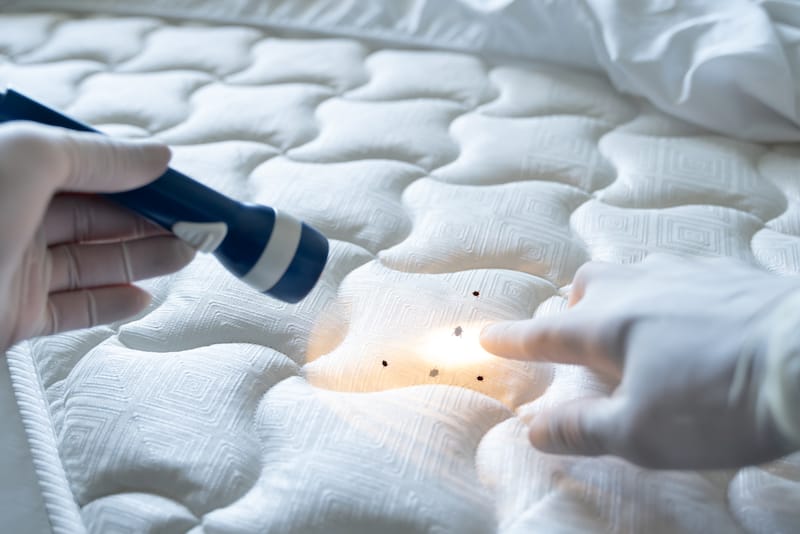
- Fecal Spots: Small, dark, rust-colored spots, about the size of a period, on mattresses, bedding, furniture, or walls. These are bed bug excrement, essentially digested blood.
- Shed Skins (Exoskeletons): As bed bugs grow, they shed their outer shells. These translucent, empty casings are often found near feeding areas.
- Live Bed Bugs: Though elusive, spotting actual bugs is the most conclusive evidence. They tend to hide in cracks and crevices.
- Blood Stains: Small, reddish or rust-colored smears on sheets or pillowcases may indicate crushed bed bugs after feeding, or blood from bites.
- Sweet, Musty Odor: In heavy infestations, a distinct, sweet, musty odor, sometimes described as similar to raspberries or cilantro, might be present. This is caused by their alarm pheromones.
Your First Line of Defense: The Arrival Inspection Ritual
The moment you step into your hotel room is not the time to unpack and relax; it’s inspection time. A systematic approach to checking your room can save you a lot of trouble. This initial ritual should be performed before you place your luggage on any soft surfaces or unpack your belongings.
The Luggage Protocol: Protecting Your Belongings
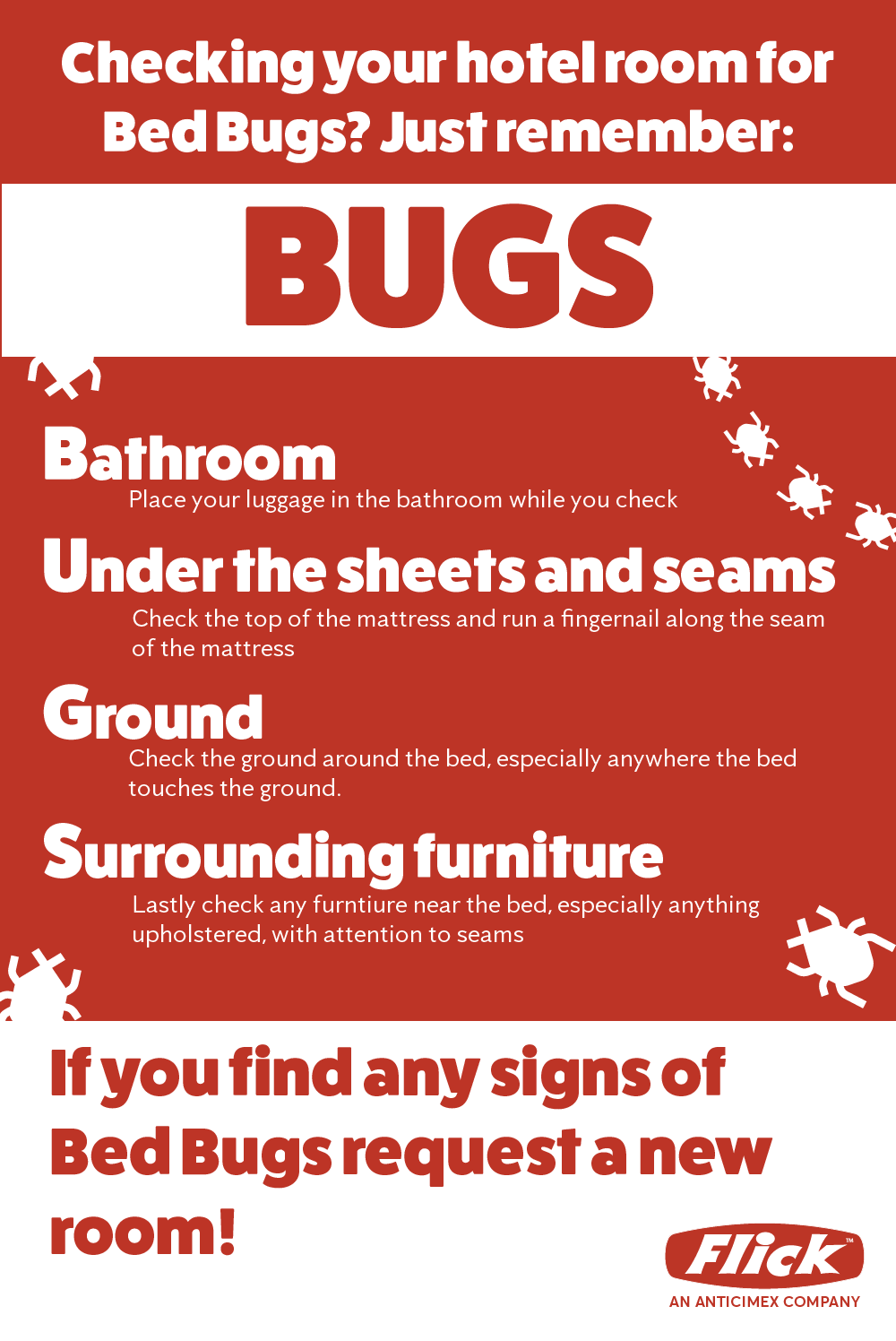
Before anything else, safeguard your luggage. Do not place your suitcases or bags on the bed, floor, or any upholstered furniture immediately upon entering the room. Instead, store them in the bathroom (in the bathtub or shower, if possible) or on a hard, elevated surface like a luggage rack, away from walls. Bed bugs cannot easily climb smooth, hard surfaces. This simple step significantly reduces the chance of bed bugs hitchhiking into your bags. Many upscale hotels, such as the Grand Hyatt Hotel in Dubai, even provide specific luggage stands to encourage this practice.
Initial Room Scan: Where to Look First
With your luggage secured, begin a quick, high-level scan of the room. Start by pulling back the bed linens. Look for any obvious signs of fecal spots, bloodstains, or shed skins on the sheets, pillowcases, and mattress protector. Pay particular attention to the seams and folds of the mattress protector. Turn on all the lights, even if it’s daytime, to maximize visibility. This preliminary check provides an immediate indication of any significant issues and sets the stage for a more detailed examination if needed. It’s a critical step, especially when checking into any accommodation, from a boutique inn to a global chain like Marriott International.
Deep Dive Inspection: A Thorough Bed Bug Hunt
Now that the initial scan is complete, it’s time to get up close and personal. This thorough inspection requires a flashlight (the one on your phone works perfectly) and possibly a credit card or a stiff piece of paper to aid in prying open tight spaces. Remember, bed bugs are excellent at hiding, so you need to be meticulous.
The Bed Area: Mattress, Box Spring, and Headboard
The bed is ground zero for bed bugs, so it requires the most attention.
- Mattress Seams and Tufting: Carefully lift the corners of the fitted sheet. Using your flashlight, meticulously inspect all the seams, piping, and tufting of the mattress. Look for any of the signs mentioned earlier: dark spots, shed skins, or live bugs. Pay special attention to the corners and areas closest to the headboard.
- Box Spring and Frame: This is a prime hiding spot. Lift the mattress off the box spring. Inspect the top, sides, and especially the underside of the box spring, including any fabric dust covers. Look for tears in the fabric that could provide entry points. Shine your light into the crevices and joints of the bed frame, particularly where the frame connects to the headboard.
- Headboard and Nightstands: Remove any pillows and stand cushions. Examine the back of the headboard, particularly if it’s upholstered or attached to the wall. Use your credit card to probe into any cracks or crevices. Also, check the nightstands, including the insides of drawers, along with the undersides and backs, as bed bugs can easily crawl from the bed to nearby furniture.
Beyond the Bed: Furniture, Walls, and Electrical Outlets
Bed bugs are not exclusive to the bed. They can spread to other areas of the room, especially if the infestation is severe.
- Upholstered Furniture: Inspect sofas, armchairs, and desk chairs. Pay attention to seams, cushions, and the undersides. Lift cushions and check underneath.
- Curtains and Drapes: Pull back the curtains and check the pleats, seams, and the rods for any signs of bed bugs.
- Wall Décor and Cracks: Use your flashlight to inspect any pictures, mirrors, or wall hangings, especially the backs and where they meet the wall. Look for cracks in plaster or wallpaper, loose electrical outlet covers, and even smoke detectors – all potential hiding spots.
- Baseboards and Carpeting: Examine the baseboards where they meet the wall and the carpeting, particularly around the edges of the room and under furniture.
Bathroom and Closets: No Stone Unturned
While less common, bed bugs can still be found in bathrooms and closets, especially if guests have stored infested items there.
- Closet: Briefly inspect the shelves, hangers, and the floor of the closet. If there’s an ironing board or an iron, check those too.
- Bathroom: While bed bugs rarely infest bathrooms due to the lack of soft furnishings and food sources, it’s not impossible. A quick scan of bath mats, behind towel racks, and any fabric shower curtains is a good measure, particularly if you’ve already found signs elsewhere in the room. Even a visit to a Paris hotel could involve this routine, regardless of the hotel’s star rating.
What To Do If You Find Bed Bugs
Discovering bed bugs can be alarming, but acting calmly and decisively is key. Your immediate response will dictate how well the situation is managed and your personal risk minimized.
Documenting the Evidence
As soon as you find any conclusive signs of bed bugs – live bugs, eggs, or significant fecal spotting – do not touch or disturb them excessively. Instead, immediately document your findings. Take clear, well-lit photographs or videos of the evidence. These visual proofs will be crucial when you report the issue to hotel management, providing undeniable proof of the infestation. Note the exact locations where you found the bugs.
Immediate Action: Notifying Hotel Management
With your evidence in hand, promptly proceed to the front desk or contact hotel management. Politely but firmly explain your findings and present your documentation. Do not be aggressive, but be assertive about your concerns. Request a new room, preferably one that is not immediately adjacent, above, or below the infested room, as bed bugs can travel through wall voids. Ask for assurances that your new room has also been inspected. If a new room isn’t immediately available, or if you feel the response is inadequate, consider your options, which might include finding alternative accommodation. Major chains like Sheraton Hotels & Resorts typically have protocols in place for such situations.
Protecting Yourself and Your Belongings Post-Discovery
Even if you move to a new room, take precautions with your belongings.
- Inspect Your Luggage: Carefully inspect your suitcases, backpacks, and any personal items for hitchhiking bed bugs.
- Heat Treatment: If possible, place all your clothes, especially those that were on the floor or near the bed, into sealed plastic bags. If the hotel has laundry facilities, wash and dry them on the hottest settings available. The high heat of a dryer is particularly effective at killing bed bugs and their eggs.
- Isolate Contaminated Items: Keep any potentially infested items separate from your clean clothes and other belongings in sealed bags until they can be properly decontaminated.
Prevention and Peace of Mind: Before and After Your Stay
The battle against bed bugs doesn’t begin and end with your hotel room inspection. Proactive steps before you travel and careful post-trip decontamination can provide lasting peace of mind.
Pre-Trip Precautions: Research and Reviews
Before booking any accommodation, make it a habit to check recent guest reviews for mentions of bed bugs. Websites like TripAdvisor or Google Reviews often contain valuable insights. While a single mention might not be definitive, a pattern of complaints should raise a red flag. Consider using tools or apps that specifically track bed bug reports in hotels. Additionally, familiarize yourself with the layout and general cleanliness of various properties, from small inns to large operations like those managed by Luxury Resorts International.
Post-Trip Decontamination: Home Sweet Home
Even after a thorough hotel room inspection and no visible signs, it’s wise to take precautionary measures upon returning home.
- Outside Unpacking: If feasible, unpack your luggage outside your home (e.g., in the garage or on a patio).
- Laundry Protocol: Immediately transfer all clothing, whether worn or not, into a hot wash cycle, followed by a high-heat dryer cycle for at least 30 minutes. Heat is your most effective weapon against bed bugs.
- Luggage Inspection and Storage: Thoroughly vacuum your suitcases, paying close attention to zippers and seams. Dispose of the vacuum bag immediately in an outdoor trash receptacle. Store luggage in a non-living area (e.g., garage, attic, sealed in large plastic bags) rather than your bedroom closet.
- Vigilance: Remain vigilant for any signs of bed bug bites or other indicators in your home for several weeks after your return. Early detection is key to preventing a widespread infestation at home.
By adopting these diligent inspection techniques and preventative measures, you empower yourself to travel with greater confidence, ensuring your hotel stays remain comfortable, safe, and bug-free.
LifeOutOfTheBox is a participant in the Amazon Services LLC Associates Program, an affiliate advertising program designed to provide a means for sites to earn advertising fees by advertising and linking to Amazon.com. Amazon, the Amazon logo, AmazonSupply, and the AmazonSupply logo are trademarks of Amazon.com, Inc. or its affiliates. As an Amazon Associate we earn affiliate commissions from qualifying purchases.