
The Texas Two-Step is more than just a dance; it’s a quintessential element of Texas culture, a lively expression of the state’s rich heritage and convivial spirit. From bustling honky-tonks to sophisticated dance halls, this iconic partner dance is a staple at gatherings, celebrations, and local events across the Lone Star State. Understanding the fundamental steps and nuances of the Two-Step offers a gateway into the heart of Texan social life, allowing visitors and residents alike to participate actively in its vibrant traditions. This guide will demystify the dance, providing a comprehensive breakdown of its mechanics, etiquette, and how to find opportunities to learn and practice it.
Understanding the Core Mechanics of the Texas Two-Step
At its foundation, the Texas Two-Step is a relatively simple dance, characterized by its distinctive rhythmic pattern and graceful, flowing movements. It’s often described as a progressive dance, meaning couples move across the dance floor as they dance. The basic rhythm is a combination of a quick-quick-slow-slow count, translating into eight steps per measure. While the basic pattern is straightforward, the beauty of the Two-Step lies in its variations and the subtle interplay between partners.
The Basic Step Breakdown
The fundamental sequence of the Texas Two-Step can be broken down into distinct movements for both the leader (traditionally the man) and the follower (traditionally the woman). While specific lead and follow techniques vary slightly, the core footwork remains consistent.
-
Leader’s Steps:
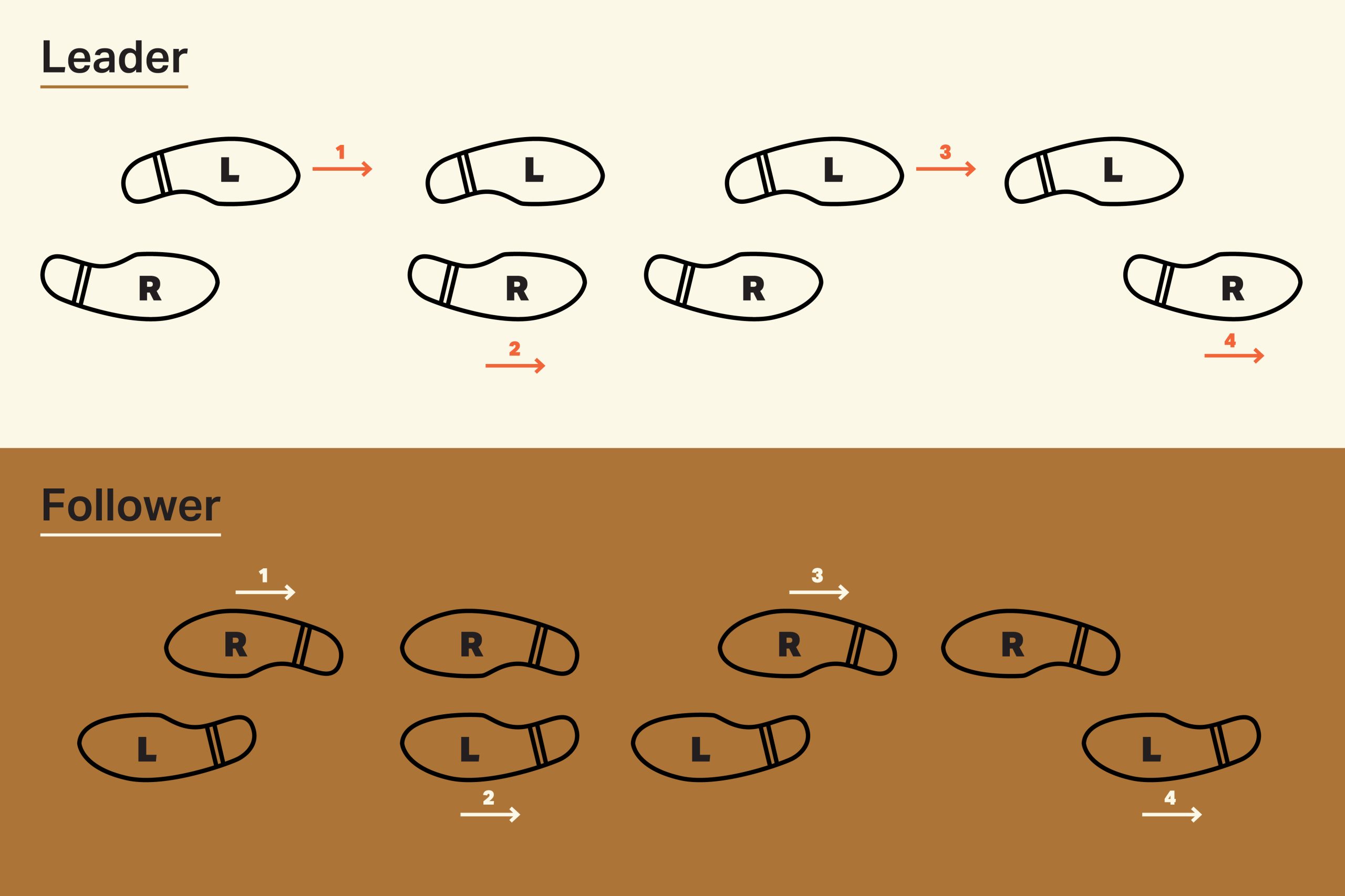
- Count 1 & 2 (Quick-Quick): The leader steps forward with their left foot (1), then steps to the side with their right foot (and), then brings their left foot to meet their right foot (2). This forms a “step, side, together” motion.
- Count 3 & 4 (Slow-Slow): The leader steps backward with their right foot (3), then steps to the side with their left foot (and), then brings their right foot to meet their left foot (4). This completes the basic box pattern.
- Count 5 & 6 (Quick-Quick): The leader repeats the “step, side, together” motion, this time starting with the right foot forward. So, step right foot forward (5), step to the side with the left foot (and), bring right foot to meet left foot (6).
- Count 7 & 8 (Slow-Slow): The leader steps backward with their left foot (7), then steps to the side with their right foot (and), then brings their left foot to meet their right foot (8).
-
Follower’s Steps: The follower mirrors the leader’s movements, essentially performing the opposite footwork.
- Count 1 & 2 (Quick-Quick): The follower steps backward with their right foot (1), then steps to the side with their left foot (and), then brings their right foot to meet their left foot (2).
- Count 3 & 4 (Slow-Slow): The follower steps forward with their left foot (3), then steps to the side with their right foot (and), then brings their left foot to meet their right foot (4).
- Count 5 & 6 (Quick-Quick): The follower repeats the backward-stepping motion, starting with the left foot backward. So, step left foot backward (5), step to the side with the right foot (and), bring left foot to meet right foot (6).
- Count 7 & 8 (Slow-Slow): The follower steps forward with their right foot (7), then steps to the side with their left foot (and), then brings their right foot to meet their left foot (8).
The “quick-quick” counts involve stepping on the beat, while the “slow-slow” counts often involve a slightly longer pause or a more deliberate movement. This rhythm is crucial for syncing with the music and with your partner.
The Importance of Connection and Frame
Beyond the footwork, the connection between partners is paramount in the Texas Two-Step. The leader’s gentle but clear lead, communicated through subtle pressure and body movement, guides the follower. The follower’s responsive connection allows them to anticipate and execute the steps smoothly. A firm but relaxed frame – the posture and hold maintained by both partners – is essential for maintaining balance and control, especially as you navigate the dance floor. This frame is typically established with the leader’s right hand on the follower’s back (often near the shoulder blade) and the follower’s left hand resting on the leader’s shoulder or upper arm. The leader’s left hand holds the follower’s right hand, usually at about chest height, with palms meeting.
Mastering the Art of Leading and Following
Effective leading and following are the cornerstones of a successful Texas Two-Step partnership. It’s a dialogue without words, a dance of communication and trust.
The Leader’s Role: Guidance and Flow
The leader’s primary responsibility is to initiate and guide the dance. This involves:
- Initiating the Movement: The leader begins the dance by stepping forward with the left foot on count 1, signaling the start of the sequence to the follower.
- Communicating the Next Step: Subtle cues are sent through the connection. A slight forward lean might indicate stepping forward, while a slight backward pressure can signal a backward step. Side steps are often communicated through a slight lateral shift in weight.
- Maintaining Momentum: The leader must ensure a continuous flow of movement, anticipating the rhythm of the music and the space available on the dance floor. This includes looking ahead to avoid collisions with other dancers.
- Varying the Steps: Once the basic is mastered, leaders can introduce variations like turns, spins, and traveling steps to add flair and complexity to the dance.
The Follower’s Role: Responsiveness and Receptiveness
The follower’s role is equally vital and requires attentiveness and a willingness to respond to the leader’s cues. This involves:
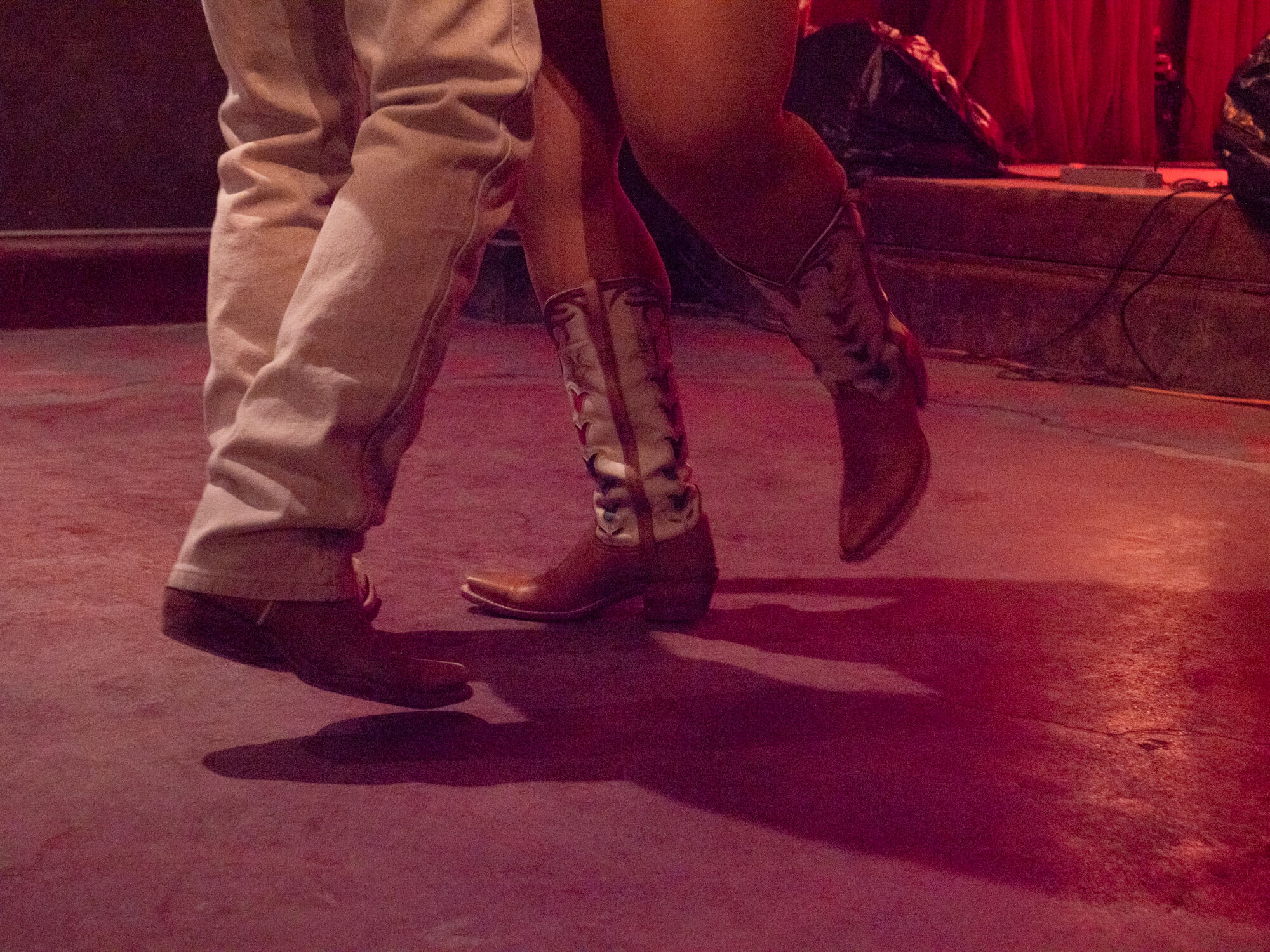
- Maintaining Connection: The follower must keep a consistent connection with the leader, allowing them to feel the subtle shifts in weight and direction.
- Anticipating and Responding: By feeling the leader’s intent, the follower can anticipate the next step and execute it smoothly. This isn’t about guessing; it’s about interpreting the leader’s signals.
- Staying Balanced: A stable posture and a relaxed frame help the follower maintain balance and execute the steps with grace, even during turns or faster sequences.
- Trusting the Lead: Ultimately, the follower needs to trust the leader’s guidance. This allows them to relax and enjoy the dance, rather than trying to anticipate or dictate the movements.
Finding Opportunities to Learn and Dance the Texas Two-Step
The beauty of the Texas Two-Step is its accessibility. It’s a dance for everyone, and numerous venues and resources are available for those eager to learn and practice.
Dance Halls and Honky-Tonks
Texas boasts a rich tradition of dance halls and honky-tonks that are the heart of its social dancing scene. These venues are the perfect places to experience the Two-Step in its natural habitat.
- Iconic Venues: Cities like Austin, Fort Worth, and San Antonio are home to legendary establishments. Places like the Broken Spoke in Austin and the White Elephant Saloon in Fort Worth often feature live country music and dedicated dance floors.
- Live Music: The pulse of the Two-Step is often set by live bands playing country, western swing, and honky-tonk music. The consistent rhythm and tempo make it ideal for dancing.
- Social Atmosphere: These venues are known for their welcoming and inclusive atmosphere. Don’t be intimidated if you’re a beginner; most patrons are happy to share the dance floor and even offer tips.
Dance Lessons and Workshops
For those who prefer structured learning, numerous dance studios and community centers offer Texas Two-Step classes.
- Beginner Classes: Most studios offer introductory lessons specifically designed for newcomers. These classes break down the basic steps, leading and following techniques, and introduce common variations.
- Private Instruction: For personalized attention, private lessons can be incredibly beneficial for honing specific skills or overcoming challenges.
- Workshops and Socials: Many studios host workshops and social dance nights where students can practice their newly acquired skills in a relaxed environment, often with instructors on hand to provide guidance.
Online Resources and Tutorials
The digital age has made learning accessible from anywhere. While in-person instruction is highly recommended for the tactile experience of leading and following, online resources can supplement learning.
- Video Tutorials: Numerous YouTube channels and dance websites feature detailed video tutorials of the Texas Two-Step basic steps, turns, and variations.
- Written Guides: Articles and blog posts offer step-by-step breakdowns, often accompanied by diagrams and tips for improving technique.
Etiquette and Tips for the Dance Floor
Navigating a busy dance floor requires a certain level of courtesy and awareness. Practicing good dance floor etiquette ensures a pleasant experience for everyone.
Respectful Interaction
- Ask for Dances: It’s customary to politely ask someone to dance, and equally polite to accept or decline. A simple “Would you like to dance?” is sufficient.
- Dance with Different Partners: While it’s natural to dance with someone you know, try to dance with a variety of people to experience different leading and following styles and to be inclusive.
- Thank Your Partner: Always thank your partner at the end of the dance. A simple “Thank you” or “That was fun” goes a long way.
- Be Patient: Not everyone is an expert. Be patient with newer dancers, and remember that you were once a beginner yourself.
Floor Craft and Safety
- Line of Dance: The Texas Two-Step is typically danced in a counter-clockwise direction around the dance floor, following the “line of dance.” This helps prevent collisions.
- Maintain Spacing: Be mindful of the space between your couple and others. Avoid cutting across the floor or stopping abruptly in the middle of a dance path.
- Watch Your Surroundings: Leaders should always be aware of other dancers around them, especially when initiating turns or traveling steps. Followers should be attentive to the leader’s guidance and the general flow of the dance floor.
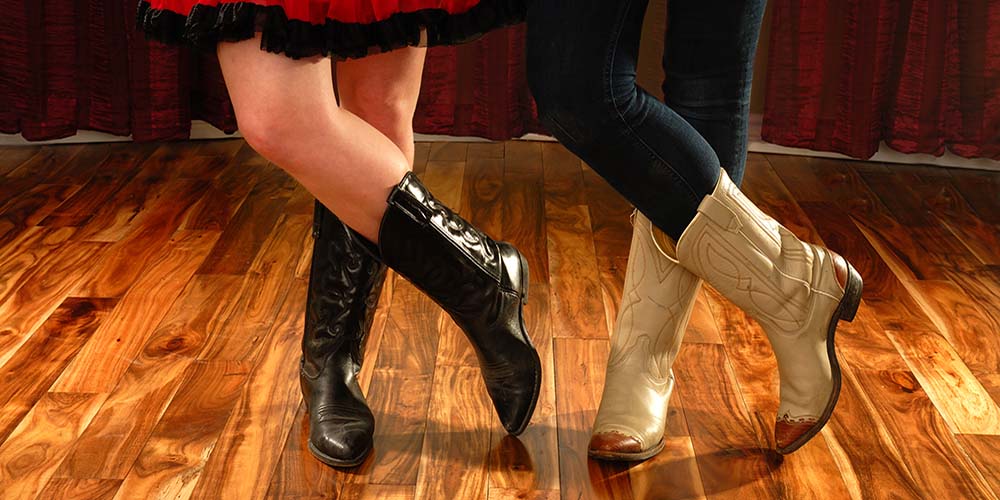
- Appropriate Footwear: Comfortable, smooth-soled shoes are recommended. Avoid shoes with rubber soles that can grip the floor too much, as they can make turns difficult and increase the risk of injury.
Learning the Texas Two-Step is an enriching experience that offers a direct connection to Texas culture. Whether you’re a seasoned dancer or taking your very first steps, the joy of moving to the music with a partner is a reward in itself. So, find a dance hall, take a lesson, and embrace the spirit of this beloved Texan tradition.
LifeOutOfTheBox is a participant in the Amazon Services LLC Associates Program, an affiliate advertising program designed to provide a means for sites to earn advertising fees by advertising and linking to Amazon.com. Amazon, the Amazon logo, AmazonSupply, and the AmazonSupply logo are trademarks of Amazon.com, Inc. or its affiliates. As an Amazon Associate we earn affiliate commissions from qualifying purchases.