
Harnessing the full potential of your frequent flyer miles is a fundamental skill for any savvy traveler. Among the various airline loyalty programs, the Alaska Airlines Mileage Plan stands out for its unique value proposition, particularly its robust partnerships and often generous redemption rates. Understanding how to effectively manage and, where applicable, transfer these miles can unlock incredible travel experiences, ranging from first-class international flights to domestic getaways. This guide delves into the intricacies of transferring Alaska Airlines miles, exploring both direct and indirect methods, strategic considerations, and step-by-step instructions to help you maximize your travel rewards.
Understanding Alaska Airlines Mileage Plan
The Alaska Airlines Mileage Plan has consistently been ranked as one of the most rewarding loyalty programs due to its distinct approach to earning and redeeming miles. Unlike many other airlines that belong to major global alliances, Alaska Airlines maintains a strong network of individual airline partners. This structure offers unparalleled flexibility and often provides access to premium cabins at highly competitive mileage rates, making it a favorite among points and miles enthusiasts.
The Value of Alaska Airlines Miles
Alaska Airlines miles are renowned for their high potential value, particularly when redeemed for international business or first-class travel on their diverse range of partner airlines. While the exact value fluctuates based on redemption strategy, it’s not uncommon to achieve values of 2 cents per mile or even higher. For instance, a one-way business class flight from the United States to Asia on a partner like Japan Airlines or Cathay Pacific can offer exceptional value compared to purchasing a cash ticket. The ability to earn miles through flying Alaska Airlines and its partners, co-branded credit cards, and shopping portals contributes to a healthy mileage balance for dedicated travelers.
Common Scenarios for Mile Transfers
While the term “transfer” can imply moving miles directly between different airline loyalty programs, Alaska Airlines’s specific policies limit this in the traditional sense. Primarily, mile transfers within the Mileage Plan refer to moving miles from one individual’s account to another. However, the concept of “transferring value” through strategic redemption on partner airlines is also crucial to understand. Common scenarios include:
- Consolidating Miles: Combining miles from different family members’ accounts to reach a specific award threshold for a single booking.
- Gifting Miles: Giving miles to a friend or family member for their travel plans.
- Leveraging Partner Redemptions: Using Alaska Airlines miles to book flights on partner carriers, effectively “transferring” the benefit of your miles to another airline’s route network.
Understanding these distinctions is key to effectively navigating your Mileage Plan balance.
Official Methods for Transferring Alaska Airlines Miles
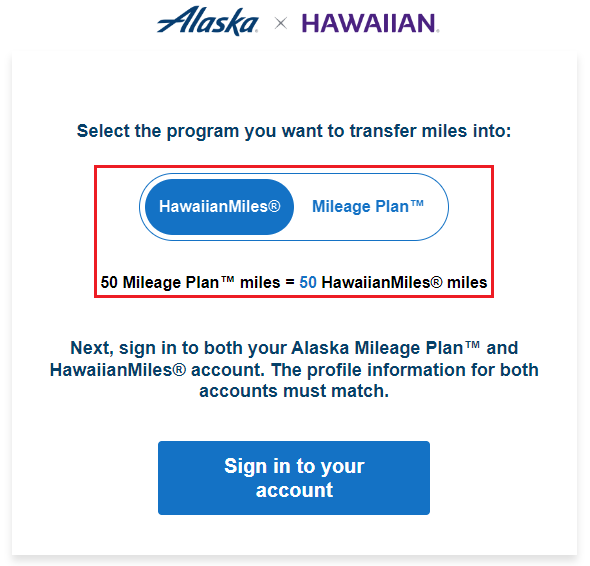
Directly transferring Alaska Airlines miles to another airline’s loyalty program is not possible. Alaska Airlines maintains a closed system for its miles, meaning they cannot be converted into, say, American Airlines AAdvantage miles or British Airways Avios. However, there are specific mechanisms for transferring miles between Mileage Plan accounts and indirect ways to leverage your miles on other carriers.
Transferring Miles to Another Mileage Plan Member
Alaska Airlines allows members to transfer miles to another individual’s Mileage Plan account. This can be particularly useful when pooling miles for a redemption or assisting a family member with their travel goals. However, it’s important to be aware of the associated costs.
- Process: Transfers are typically initiated online through the Alaska Airlines website by logging into your Mileage Plan account. You will need the recipient’s Mileage Plan number.
- Fees: Alaska Airlines charges a fee for transferring miles, usually around $10.00 per 1,000 miles transferred, plus a $25.00 processing fee per transaction. These fees can make direct transfers expensive, often devaluing the miles significantly. Therefore, it’s crucial to assess if the cost outweighs the benefit of consolidating miles. For example, transferring 50,000 miles could cost upwards of $525.
Given the cost, many travelers opt to simply book an award ticket for a friend or family member directly from their own account, especially if the redemption involves Alaska Airlines or one of its partners. This avoids transfer fees altogether, as Alaska Airlines does not restrict booking award tickets for others.
Transferring Miles to Partner Airlines (Indirectly)
While you cannot convert Alaska Airlines miles into another airline’s currency, you can use your Mileage Plan miles to book flights directly on Alaska Airlines’s extensive list of partner airlines. This is often the most strategic and high-value way to “transfer” the utility of your miles. Alaska Airlines boasts an impressive lineup of global partners, including:
- American Airlines
- British Airways
- Cathay Pacific
- Emirates
- Fiji Airways
- Finnair
- Hainan Airlines
- Icelandair
- Japan Airlines
- Korean Air
- LATAM Airlines
- Malaysia Airlines
- Qantas
- Qatar Airways
- Royal Air Maroc
- S7 Airlines
- Singapore Airlines
To book a partner award, you typically search for the flight on the Alaska Airlines website. The site will display available award space and the corresponding mileage cost. This method leverages your miles directly for flights on other carriers without a literal mile transfer.
Converting Points from Credit Cards to Miles
While not a direct “transfer” of Alaska Airlines miles, it’s important to note how you can acquire more miles to eventually use for travel. Alaska Airlines has a strong relationship with Bank of America, offering the Alaska Airlines Visa Signature Card. Points earned on this card automatically accrue as Mileage Plan miles. Additionally, Alaska Airlines is a transfer partner with Marriott Bonvoy. You can convert Marriott Bonvoy points to Alaska Airlines miles at a rate of 3:1, with a bonus of 5,000 miles for every 60,000 Marriott Bonvoy points transferred. This is an indirect way to boost your Alaska Airlines balance, which you can then use for flights on Alaska Airlines or its partners.
Strategic Considerations for Mile Transfers
Navigating the world of mileage programs requires a strategic mindset. Understanding when and how to “transfer” or utilize your Alaska Airlines miles is crucial for maximizing their value.
Weighing the Costs and Benefits
As noted, directly transferring miles between Mileage Plan accounts incurs significant fees. Before initiating such a transfer, always calculate the per-mile cost. Compare this cost to what you would pay for a revenue ticket or if simply booking an award ticket for the other person from your own account is a more economical option. In most cases, buying a ticket for someone else with your miles is preferable to paying transfer fees.
Maximizing Value Through Partner Redemptions
The true power of Alaska Airlines miles lies in their robust partner redemption opportunities. Focus on using your miles for premium cabin travel (business or first class) on long-haul international flights. For example, flying Japan Airlines first class from Los Angeles to Tokyo, Cathay Pacific business class from New York to Hong Kong, or Qantas business class from Dallas to Sydney can yield an incredible return on your miles. Researching partner award charts and understanding blackout dates or limited availability is key to securing these highly coveted redemptions.
Avoiding Common Pitfalls
- High Transfer Fees: Do not pay expensive fees to transfer miles if simply booking the ticket for someone else from your account is an option.
- Misunderstanding Partner Rules: Each partner airline might have specific routing rules or taxes/fees that vary. Always check the full redemption details before committing.
- Expiration Dates: While Alaska Airlines miles do not expire as long as there is activity in your account every 24 months, ensure you keep your account active to prevent forfeiture.
- Booking Limitations: Some partners may not be bookable online and might require a phone call to Alaska Airlines customer service.
Step-by-Step Guide to Initiating a Transfer
For the specific scenario of transferring miles to another Mileage Plan member, the process is straightforward but requires careful attention to detail.
Navigating the Mileage Plan Website
- Log In: Visit the official Alaska Airlines website and log into your Mileage Plan account using your account number and password.
- Locate Transfer Option: Navigate to the “My Mileage Plan” section. Look for an option related to “Share Miles,” “Transfer Miles,” or “Buy/Gift Miles.” The exact terminology may vary slightly but will be clearly visible.
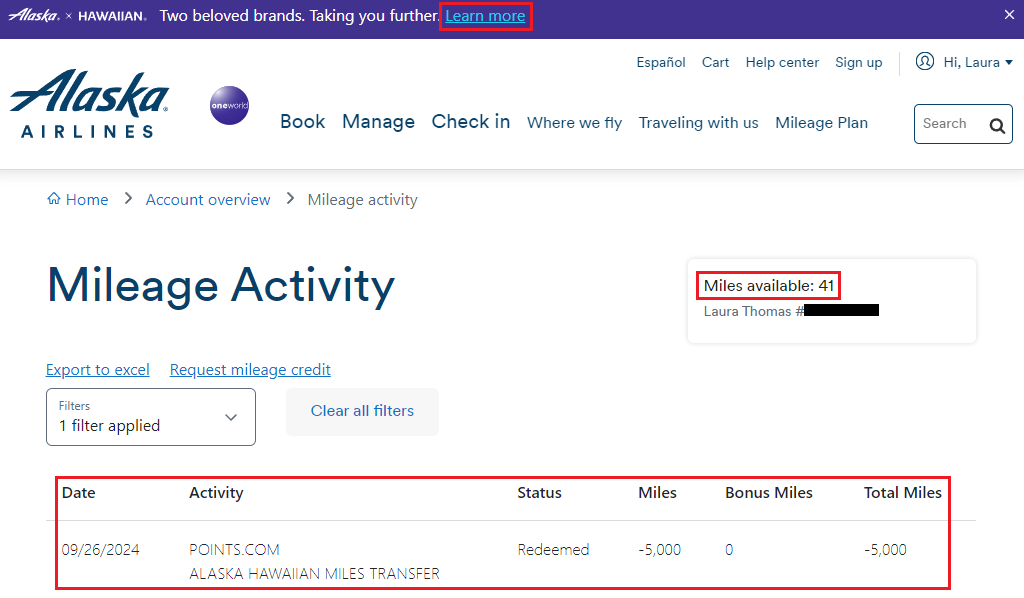
- Initiate Transfer: Click on the transfer option. You will be directed to a secure page, usually operated by Points.com, which handles the transaction on behalf of Alaska Airlines.
Essential Information Required
When prompted, you will need to provide:
- Recipient’s Mileage Plan Number: Double-check this number for accuracy to ensure the miles go to the correct account.
- Recipient’s Last Name: As registered with their Mileage Plan account.
- Number of Miles to Transfer: Input the exact quantity of miles you wish to send. The system will then calculate the associated fees.
- Payment Information: Have your credit card ready to cover the transfer and processing fees.
Confirmation and Tracking
After successfully submitting your request and payment, you should receive an email confirmation. The miles typically transfer to the recipient’s account within 24-72 hours, though it can sometimes be instantaneous. Both you and the recipient should receive notifications once the transfer is complete. It’s always a good practice to confirm with the recipient that the miles have been received.
Alternative Strategies for Utilizing Alaska Airlines Miles
Beyond direct transfers, there are several powerful ways to leverage your Alaska Airlines miles for exceptional travel.
Redeeming for Flights on Partner Carriers
As previously highlighted, booking flights on partner airlines is often the best use of Alaska Airlines miles. This is not a “transfer” of miles but rather a direct redemption using your Mileage Plan currency. The process involves searching on Alaska Airlines’s website for award availability on carriers like Japan Airlines, Cathay Pacific, or Qatar Airways. Pay close attention to partner award charts, as they offer some of the industry’s best values for premium cabin travel to regions like Asia, Europe, and Australia.
Upgrades and Premium Experiences
While less common or sometimes offering lower value than outright award tickets, Alaska Airlines miles can sometimes be used for upgrades on Alaska Airlines operated flights. Additionally, your Mileage Plan status (if applicable) can unlock benefits like complimentary upgrades or lounge access to the Alaska Lounge network, enhancing your overall travel experience.

Mileage Plan Share and Gifting
Instead of directly transferring miles with fees, consider “gifting” a flight. This simply means you use your own Alaska Airlines miles to book an award ticket for another person, paying only the associated taxes and fees for the award flight itself, without the per-mile transfer charge. This is a common and highly recommended strategy for families and friends who want to travel together or assist each other without incurring unnecessary costs.
By understanding these nuances, travelers can strategically manage their Alaska Airlines miles, unlocking a world of premium travel experiences and maximizing the value of their loyalty.
LifeOutOfTheBox is a participant in the Amazon Services LLC Associates Program, an affiliate advertising program designed to provide a means for sites to earn advertising fees by advertising and linking to Amazon.com. Amazon, the Amazon logo, AmazonSupply, and the AmazonSupply logo are trademarks of Amazon.com, Inc. or its affiliates. As an Amazon Associate we earn affiliate commissions from qualifying purchases.