
In the dynamic world of loyalty programs, understanding how to manage and transfer your hard-earned miles is paramount to unlocking premium travel experiences and significant savings. Among the myriad options, Alaska Airlines’ Mileage Plan consistently ranks as one of the most valuable and unique programs, particularly for its generous earning rates and exceptional redemption opportunities. However, the intricacies of transferring Alaska Miles are often misunderstood, leading many to miss out on maximizing their potential. This comprehensive guide will demystify the process, illuminate the specific scenarios where mile transfers are possible, and provide strategic insights to help you get the most out out of your Alaska Airlines rewards.
Deciphering the Alaska Airlines Mileage Plan Landscape
Before diving into the mechanics of transferring miles, it’s crucial to grasp the fundamental principles that make the Alaska Airlines Mileage Plan distinct. Unlike some larger global alliances, Alaska’s approach to partnerships and mileage value offers a unique proposition for savvy travelers.
The Unique Value Proposition of Alaska Miles
Alaska Miles are widely celebrated for their outsized value, especially when redeemed for international first and business class flights on partner airlines. While the airline primarily operates within the United States, Canada, Mexico, and Central America, its miles can transport you to nearly any corner of the globe. This inherent flexibility and high potential redemption value mean that every mile in your account is a powerful currency for future adventures. Understanding this intrinsic worth is the first step in appreciating the strategies around their transfer and utilization. Factors like often lower award rates compared to other loyalty programs for certain routes, and the ability to combine partners on a single itinerary, contribute to their allure.
Understanding Mileage Plan Partnerships and Alliances
Alaska Airlines officially joined the oneworld Alliance in March 2021, significantly expanding its global reach and redemption opportunities. This alliance includes major carriers like American Airlines, British Airways, Cathay Pacific, Japan Airlines, Qantas, Qatar Airways, and Iberia, among others. Beyond the alliance, Alaska maintains valuable independent partnerships with airlines such as Icelandair, Condor, and Fiji Airways. These partnerships are critical because they define how and where you can earn and redeem your miles. Crucially, while you can redeem Alaska Miles for flights on these partners, the ability to transfer Alaska Miles to other loyalty programs is generally not available, a distinction often confused by new members.
The Primary Method: Transferring Miles to Another Member
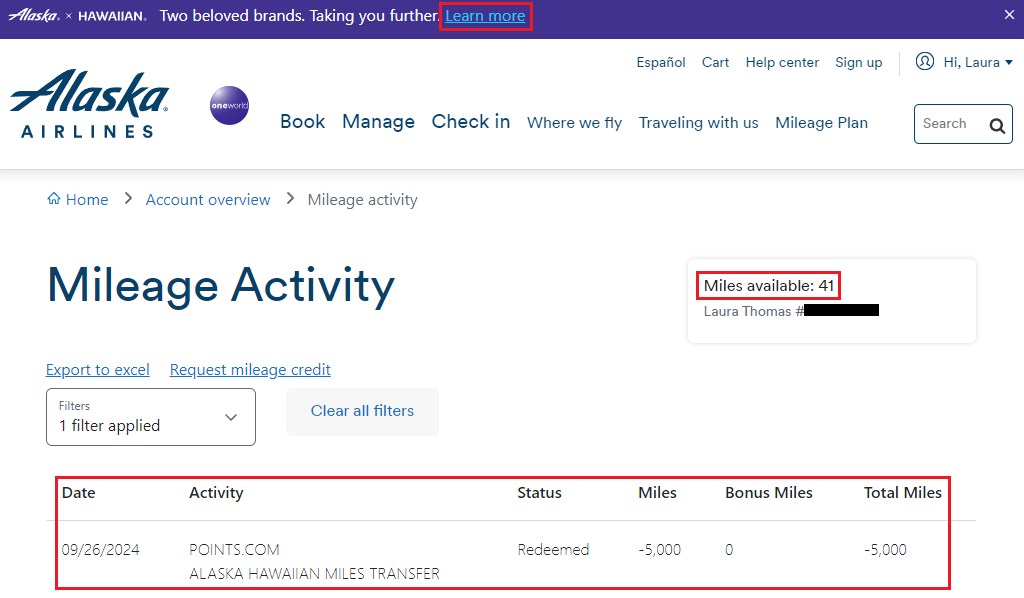
When people ask “How to transfer Alaska Miles?”, they are most commonly referring to transferring miles from one Mileage Plan account to another. Alaska Airlines does allow this, but it comes with specific conditions and costs that are important to understand.
When and Why You Might Transfer Miles
There are several strategic reasons why you might consider transferring Alaska Miles to another Mileage Plan member. Perhaps a family member or friend has an insufficient balance for a desired award flight, and your combined efforts could unlock the redemption. For instance, if you have 30,000 miles and a travel companion needs 50,000 for a trip to London, transferring your miles could complete their balance. This can be particularly useful for booking high-value premium cabin awards, where mile requirements are higher but the cash cost is prohibitive. It’s a mechanism to consolidate miles for a specific redemption goal, especially if one person has accumulated a large surplus while another needs a boost.
Navigating the Transfer Process: A Step-by-Step Guide
The process for transferring Alaska Miles between Mileage Plan accounts is relatively straightforward:
- Access the Alaska Airlines Website: Navigate to the official Alaska Airlines website and log into your Mileage Plan account.
- Locate the “Buy/Share Miles” Section: Once logged in, look for a section related to managing your miles, typically under “My Account” or directly linked from the Mileage Plan overview. You’ll find options to “Buy Miles,” “Gift Miles,” or “Transfer Miles.” Select “Transfer Miles.”
- Enter Recipient Information: You will be prompted to enter the recipient’s Mileage Plan account number and their last name. Ensure this information is accurate to avoid errors.
- Specify the Amount: Enter the exact number of miles you wish to transfer. Be mindful of the minimum and maximum transfer limits, if any.
- Review and Confirm: Carefully review the transfer details, including the number of miles, the recipient, and crucially, the associated fees.
- Complete Payment: Proceed with the payment for the transfer fees using a credit card. Once the transaction is confirmed, the miles should appear in the recipient’s account shortly, though processing times can vary.
Costs and Important Considerations for Member-to-Member Transfers
While transferring miles can be highly beneficial, it’s essential to be aware of the costs involved. Alaska Airlines charges a fee for transferring miles, typically on a per-mile basis. At the time of writing, this fee is often around $0.01 per mile, plus a small transaction fee. This means transferring 10,000 miles could cost you $100. This cost-per-mile can sometimes be higher than the value you might derive from the miles, especially for economy class redemptions.
Key considerations include:
- Cost-Benefit Analysis: Always calculate whether the cost of transferring miles is worth the value of the award flight it enables. Sometimes, it might be cheaper to simply purchase the needed miles directly if Alaska is running a promotion, or to use another strategy.
- Irreversibility: Once miles are transferred, the transaction is generally final and non-refundable. Double-check all details before confirming.
- Expiration: Transferred miles typically adopt the expiration policy of the recipient’s account, which, for Alaska Airlines, means miles do not expire as long as there is activity in the account every 24 months.
Exploring Indirect Transfer Strategies and Alternatives
As noted, direct transfers of Alaska Miles to other airline loyalty programs are not typically an option. However, there are several indirect strategies and alternatives that can achieve similar goals or allow you to effectively consolidate points for Alaska redemptions.
Booking Flights for Family and Friends
Perhaps the most common and cost-effective alternative to transferring miles is simply using your own Alaska Mileage Plan account to book an award flight for someone else. When you redeem miles for a ticket, it doesn’t have to be for yourself. You can book an award seat for any individual, as long as you have the sufficient miles in your account. This strategy bypasses transfer fees entirely and is ideal for gifting travel or facilitating group trips to destinations like Mexico City, Honolulu, or Cancun. The only requirement is that you, as the account holder, manage the booking.
Converting Hotel Points into Alaska Miles
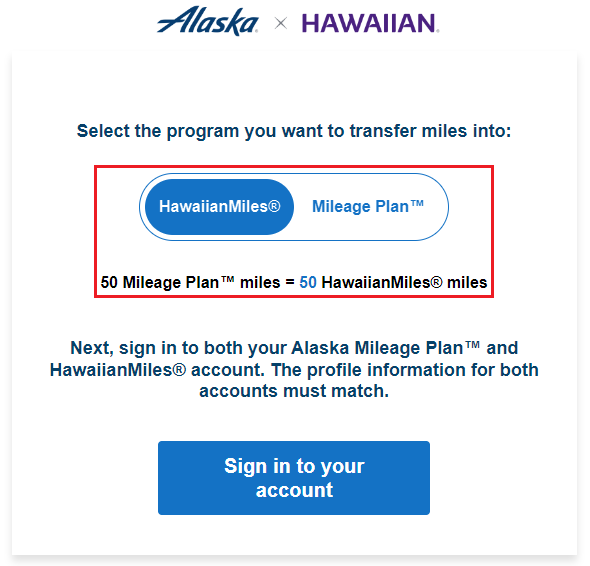
While you can’t transfer Alaska Miles out to hotel programs, you can certainly convert points from certain hotel loyalty programs into Alaska Miles. The most prominent example is Marriott Bonvoy. Marriott Bonvoy points can be transferred to a wide array of airline partners, including Alaska Airlines, usually at a 3:1 ratio (3 Bonvoy points equal 1 airline mile). Furthermore, Marriott often provides a bonus of 5,000 miles for every 60,000 Bonvoy points transferred, effectively boosting the transfer ratio for larger amounts. This inbound transfer option is crucial for those looking to top off their Mileage Plan balance using a different points currency. Other hotel programs like Choice Privileges also partner with Alaska.
Leveraging Credit Card Transfer Partners
It’s important to note that Alaska Airlines is not a direct transfer partner for major flexible points currencies like Chase Ultimate Rewards, Amex Membership Rewards, or Citi ThankYou Points. However, you can indirectly get points into Mileage Plan by first transferring them to a hotel partner like Marriott Bonvoy, and then from Marriott to Alaska. While this “two-step” transfer can sometimes dilute the value due to multiple conversion ratios, it’s a viable strategy if you’re trying to consolidate points from various sources for a specific high-value Alaska redemption. Additionally, Bank of America offers co-branded Alaska Airlines credit cards that directly earn Alaska Miles, providing a direct path to boosting your balance without complex transfers.
Optimizing the Use of Your Alaska Miles for Maximum Value
Successfully transferring miles is only half the battle; knowing how to redeem them strategically is where the true value lies. Alaska Miles are particularly potent when used for specific types of award travel.
Redeeming on Alaska Airlines Flights
While often overshadowed by their international partner redemptions, using Alaska Miles for flights on Alaska Airlines itself can offer excellent value, especially for domestic routes within the U.S. and short-haul international flights. The airline employs a dynamic pricing model for its own flights, meaning award costs fluctuate based on demand and cash prices. This can sometimes lead to “sweet spots” where you can find tickets for as low as 5,000 miles for short hops, or excellent value for longer transcontinental routes between cities like New York and Los Angeles, or from Seattle to Miami. It’s always worth checking the award calendar for your desired routes to compare against cash fares.
Unlocking Global Travel with Partner Airlines
The true magic of Alaska Miles shines brightest when redeemed for premium cabin travel on their extensive network of partner airlines. Some of the most sought-after redemptions include:
- Japan Airlines Business or First Class: Fly from the U.S. to Tokyo or other Asian destinations for exceptionally low mile amounts compared to other programs. A First Class redemption, for instance, offers unparalleled luxury.
- Cathay Pacific Business or First Class: Travel to Hong Kong and beyond in supreme comfort, again at very competitive mileage rates.
- Qatar Airways Qsuites: Experience one of the world’s best business class products to Doha and onward to destinations across Africa, the Middle East, and Asia.
- Qantas Business Class: A fantastic option for flights to Australia and New Zealand, though availability can be challenging.
These redemptions often represent significantly higher value per mile than using them on Alaska’s own flights, or transferring them to another member for a fee. Flexibility with dates and booking well in advance are key to securing these highly coveted awards.
Strategic Planning for Award Travel
Successful award travel hinges on meticulous planning. Begin by identifying your desired destination and dates, then research the award charts for Alaska’s partners. Be aware that award availability varies greatly by airline and route. Utilize tools like AwardHacker or directly search on the Alaska Airlines website (which shows availability for many partners) to find open seats. Being flexible with your travel dates, even by a few days, can dramatically increase your chances of finding an award seat, particularly for premium cabins. Consider flying from alternative gateway cities like San Francisco, Chicago, or Dallas if your preferred departure point has limited availability.
Common Pitfalls and Expert Tips for Mile Management
Navigating loyalty programs requires diligence. Avoiding common mistakes and adopting best practices will ensure your Alaska Miles serve you best.
Avoiding Unnecessary Fees
The primary pitfall in transferring Alaska Miles is the cost. As discussed, the per-mile fee for transferring to another member can be substantial. Before initiating a transfer, always weigh this cost against the alternative of booking the flight directly for the recipient from your own account. If the goal is simply to pool miles for a single redemption, booking from one account is almost always the more economical choice. Additionally, be mindful of change or cancellation fees for award tickets, though Alaska has generally more customer-friendly policies compared to some other carriers.
Monitoring Mile Expiration Policies
While Alaska Miles theoretically “never expire” as long as there’s qualifying activity in your account every 24 months, it’s still crucial to monitor your account. Any earning or redemption activity, even a small purchase through a shopping portal or a few miles earned from a partner, will reset the 24-month clock. This makes it relatively easy to keep your miles active indefinitely. However, complacency can lead to miles expiring, so set reminders or link your account to a credit card that automatically earns Alaska Miles to ensure continuous activity.
Best Practices for Long-Term Mileage Plan Success
To truly master your Alaska Miles, consider these expert tips:
- Diversify Earning: Don’t rely solely on flying. Utilize co-branded credit cards, shopping portals, dining programs, and hotel transfers to consistently top up your account.
- Stay Informed: Loyalty program rules and partner relationships can change. Follow reputable travel blogs and news sources to stay updated on changes to award charts, partnerships, and redemption values.
- Book Early: Especially for high-value international business or first class awards, booking as soon as award space is released (often 11-12 months out) gives you the best chance of securing a seat.
- Be Flexible: If your travel dates are somewhat flexible, you’ll have a much easier time finding award availability and potentially more favorable mile redemption rates. Consider off-peak seasons for popular destinations.
In conclusion, while direct “transfers” of Alaska Miles are largely limited to member-to-member transactions with associated fees, the broader context of managing these valuable miles involves a range of strategies. By understanding the Mileage Plan’s unique strengths, exploring indirect earning avenues, and strategically redeeming on their impressive network of partners, you can leverage your Alaska Miles to unlock extraordinary travel experiences.
LifeOutOfTheBox is a participant in the Amazon Services LLC Associates Program, an affiliate advertising program designed to provide a means for sites to earn advertising fees by advertising and linking to Amazon.com. Amazon, the Amazon logo, AmazonSupply, and the AmazonSupply logo are trademarks of Amazon.com, Inc. or its affiliates. As an Amazon Associate we earn affiliate commissions from qualifying purchases.