
Texas, a state deeply intertwined with its rich history and pioneering spirit, offers a unique landscape for firearm enthusiasts. Understanding the nuances of firearm ownership and transfer is crucial for both residents and those considering making the Lone Star State their home. While the website’s focus may be on exploring the vibrant tapestry of travel, accommodation, and lifestyle experiences across the globe, delving into the specifics of firearm transfers in Texas provides valuable insight for a particular facet of Texas living. This guide aims to demystify the process, ensuring a smooth and lawful transition of gun ownership within the state, drawing parallels to the meticulous planning often required for a perfect vacation or a seamless long-term stay.
The appeal of Texas extends far beyond its iconic landmarks and diverse culinary scenes. For some, the ability to responsibly own and transfer firearms is an integral part of their lifestyle, much like securing the ideal suite at a luxurious resort or discovering hidden local attractions. Whether you’re a seasoned Texan or new to the state, navigating the legal framework surrounding gun transfers is paramount. This article will guide you through the essential steps, considerations, and legal requirements, mirroring the comprehensive approach taken when planning any significant life event or adventure.
Understanding the Legal Framework for Firearm Transfers in Texas
Navigating the legal landscape of firearm transfers in Texas is as important as understanding the booking policies for a desirable Grand Hyatt Hotel or the travel requirements for an international journey. Texas operates under a set of laws that are generally permissive regarding firearm ownership, but the transfer of these firearms between individuals is subject to specific regulations to ensure public safety and prevent prohibited persons from acquiring weapons. This section will break down the fundamental legal principles governing such transfers.
Federal vs. State Regulations
It’s vital to recognize that firearm transfers in Texas are subject to both federal and state laws. Federal law, primarily the Gun Control Act of 1968, sets a baseline for firearm regulation nationwide. This includes prohibiting certain individuals, such as convicted felons, domestic abusers, and those adjudicated as mentally defective, from possessing firearms. Federal law also mandates that licensed firearms dealers (FFLs) conduct background checks on all purchasers.
Texas, while largely aligning with federal mandates, has its own specific statutes that may influence the transfer process. For private sales (transactions between individuals who are not licensed dealers), Texas law generally does not require a background check. However, there’s a critical exception: if the seller knows or has reasonable cause to believe that the buyer is prohibited from possessing firearms under federal or state law, they are legally obligated not to sell or transfer the firearm to that individual. This “red flag” provision is a crucial aspect of responsible gun ownership and transfer in Texas.
Identifying Prohibited Persons
Understanding who is legally prohibited from owning firearms is the bedrock of any lawful transfer. Federal law outlines several categories of individuals who cannot legally possess firearms. These include:
- Convicted Felons: Any person convicted of a crime punishable by imprisonment for a term exceeding one year.
- Fugitives from Justice: Individuals who have fled to avoid prosecution or confinement for a felony or a misdemeanor involving moral turpitude.
- Unlawful Users of or Addicted to Controlled Substances: This applies to current users of illegal drugs or those with a history of addiction.
- Individuals Adjudicated as Mental Defectives or Committed to a Mental Institution: Those who have been found by a court to be a danger to themselves or others due to mental illness.
- Aliens Unlawfully in the United States: Individuals who are not legally present in the U.S.
- Dishonorably Discharged from the Armed Forces: Veterans who received a discharge characterized as dishonorable.
- Persons Who Have Renounced Their U.S. Citizenship: Individuals who have formally given up their citizenship.
- Subject to Restraining Orders: Persons subject to certain domestic violence restraining orders.
- Convicted of a Misdemeanor Crime of Domestic Violence: This applies to specific types of domestic abuse convictions.
It is the seller’s responsibility to exercise due diligence. While a formal background check isn’t mandated by Texas law for private sales, ignorance is not a defense. If a seller has reason to suspect a buyer falls into any of these categories, the transfer must not proceed. This is akin to a tour operator ensuring all travelers have the necessary visas for a destination like Japan before booking their flight.
The Role of Licensed Firearms Dealers (FFLs)
When a firearm transfer involves a licensed dealer, the process becomes more standardized and includes federal background checks. If you are purchasing a firearm from a gun shop or a dealer at a gun show, they are an FFL. They will require you to fill out ATF Form 4473, which collects information about the buyer. This form is then used to conduct a National Instant Criminal Background Check System (NICS) check. The NICS system queries databases to determine if the buyer is prohibited from owning firearms.
If the NICS check comes back as “proceed,” the sale can be completed. If it returns as “denied,” the sale cannot proceed. Occasionally, a check may result in a “delayed” status, requiring further review by the FBI. This is similar to how a hotel might place a temporary hold on your credit card for incidentals, ensuring all financial aspects are covered before a seamless check-in.
Procedures for Private Firearm Transfers in Texas
Private firearm transfers in Texas, meaning those between two individuals who are not licensed dealers, have a distinct set of procedures that differ from those involving an FFL. The primary distinction lies in the absence of a mandatory background check for the buyer. However, this does not absolve the seller of their legal responsibilities.
Private Sales Between Individuals
For private sales, the transaction can occur directly between the buyer and seller. The seller must ensure they have no reasonable cause to believe the buyer is a prohibited person. This often involves the buyer presenting identification to verify residency and age (a minimum of 18 years old for rifles and shotguns, and 21 years old for handguns).
While not legally required, many private sellers choose to:
- Verify Identification: Ask for a Texas driver’s license or other government-issued ID to confirm the buyer’s identity and age.
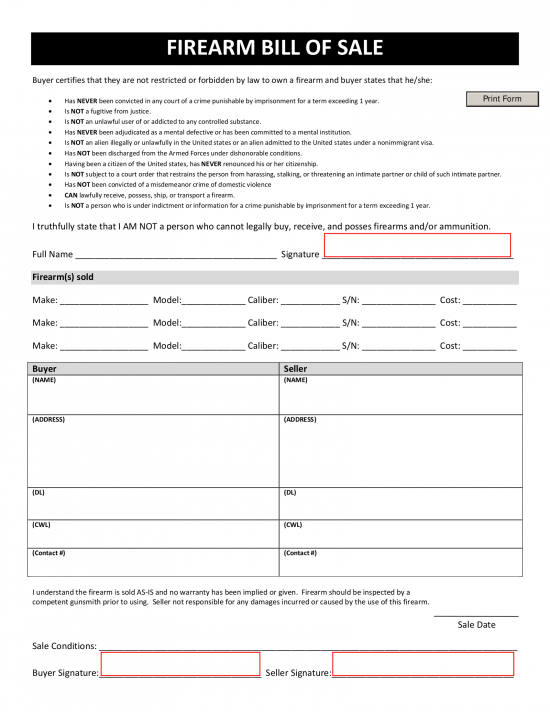
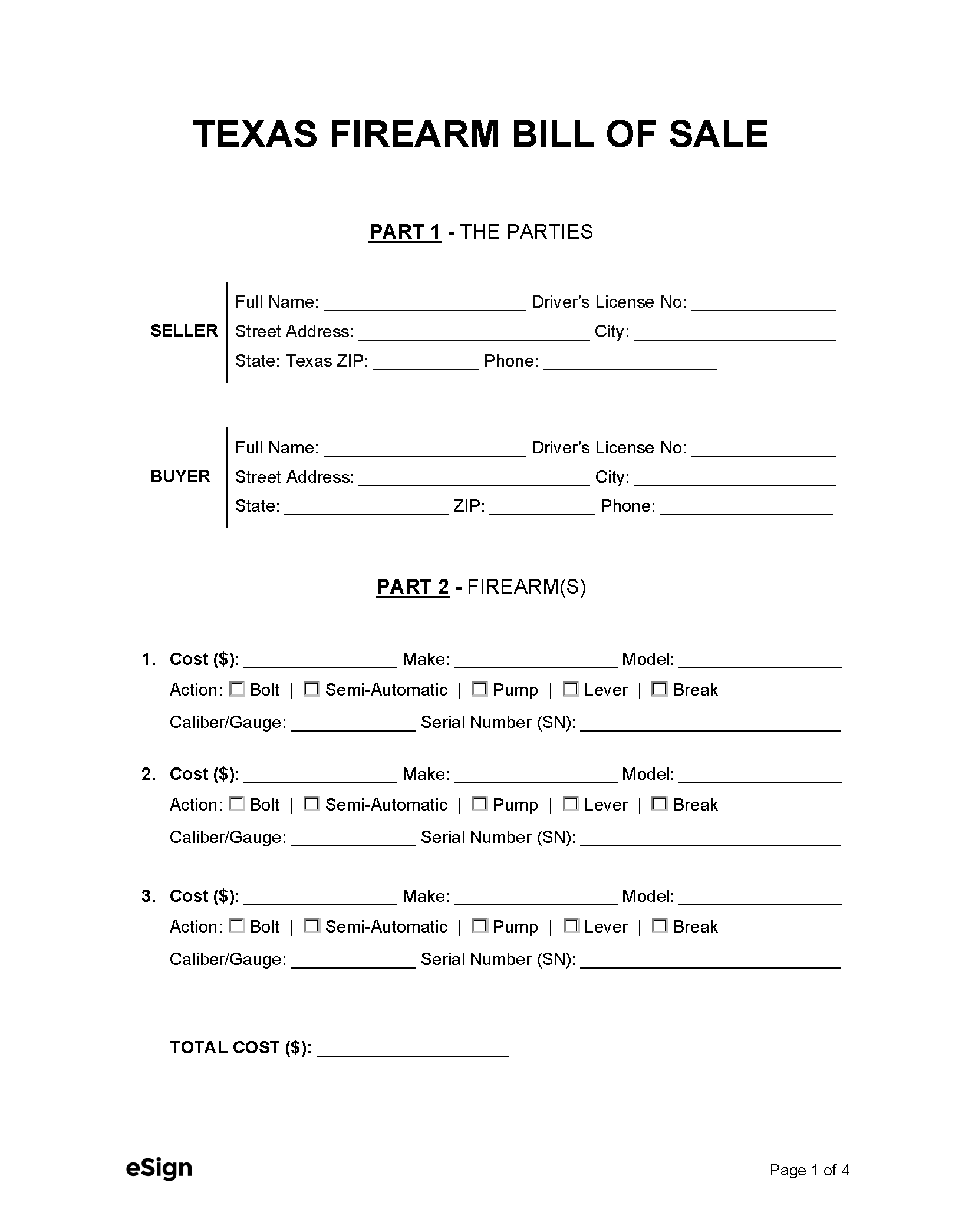
- Execute a Bill of Sale: This document serves as proof of the transaction and should include:
- Names and addresses of both buyer and seller.
- The date of the sale.
- The make, model, and serial number of the firearm.
- A statement from the buyer affirming they are legally allowed to possess a firearm.
- Signatures of both parties.
A bill of sale can be invaluable, much like a detailed itinerary for a trip to New Orleans, providing a clear record of what occurred. It can offer protection for both parties in case of future disputes or legal inquiries.
The Importance of a Bill of Sale
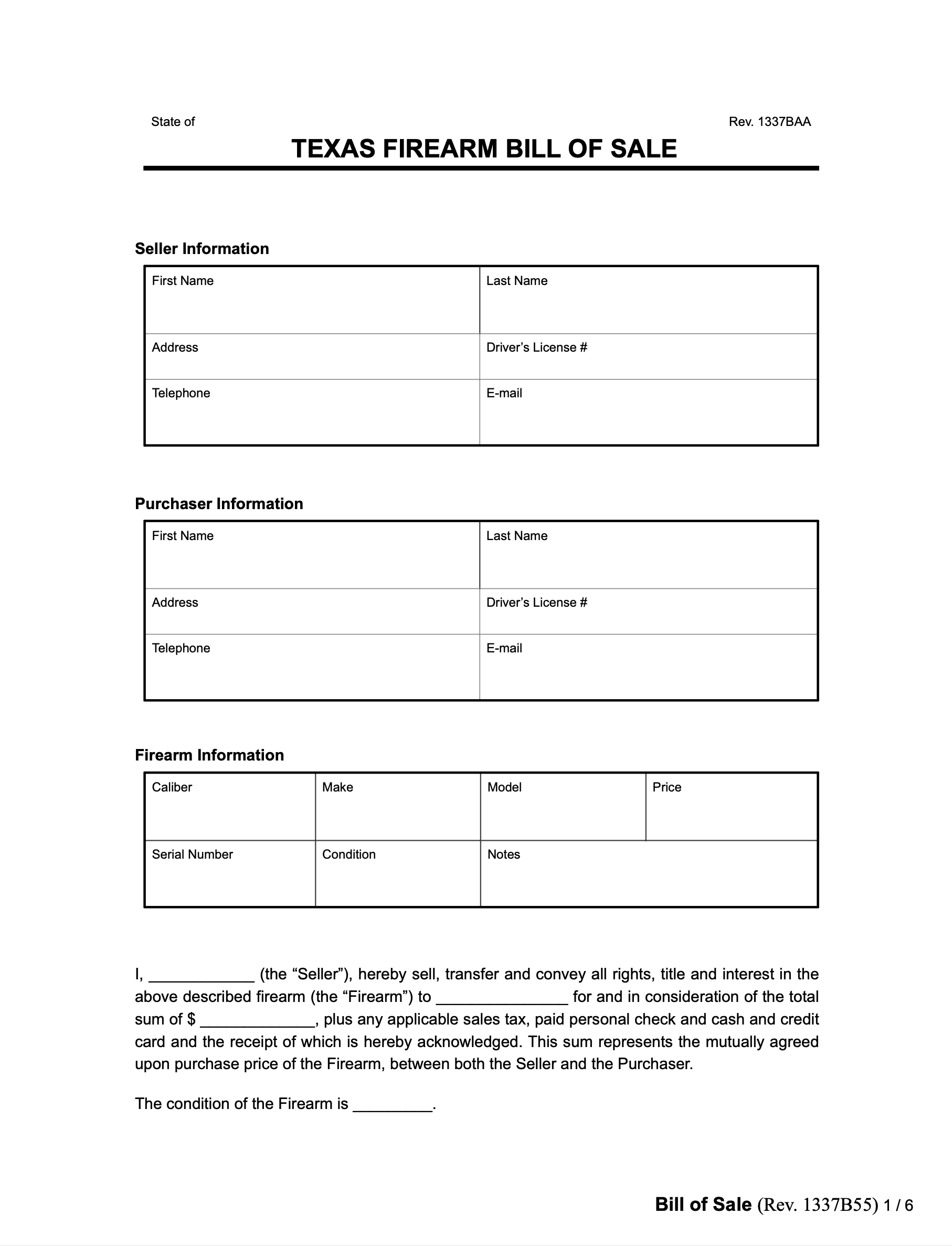
A bill of sale is more than just a formality; it’s a critical document for responsible gun ownership. It establishes a clear record of the transfer, including the firearm’s details and the parties involved. For the seller, it provides evidence that they sold the firearm to a specific individual on a particular date, which can be crucial if the firearm is later used in a crime. For the buyer, it serves as proof of legal acquisition.
While there is no mandated state form for a bill of sale, numerous templates are available online, or you can draft one yourself. Ensure it is comprehensive and accurately reflects the transaction. This attention to detail is similar to researching the best boutique hotels for a unique travel experience, ensuring all aspects are considered.
Transfers to Family Members
Transfers of firearms between immediate family members (spouse, parents, children, grandparents, grandchildren) in Texas are generally considered gifts and do not require the same level of formality as sales to non-relatives. However, the same principle of not transferring to a prohibited person still applies. The responsible party must still ensure that the family member is legally permitted to own the firearm. This is analogous to sharing your personal travel tips for a family trip to Orlando, where trust and responsibility are paramount.
Even in these familial transfers, it is still advisable to document the transfer, perhaps with a simple dated letter or note specifying the firearm’s serial number and the fact that it was gifted. This ensures clarity and good practice, much like keeping receipts for luxury purchases during a lifestyle trip.
Interstate Firearm Transfers and Other Considerations
When firearms cross state lines, the regulations become more complex, often requiring the involvement of federal law and licensed dealers. Furthermore, other considerations, such as the legality of certain types of firearms and the specific nuances of Texas law, are important for anyone involved in firearm transfers.
Interstate Transfers
Transferring a firearm from Texas to another state, or receiving one from another state into Texas, generally requires the involvement of a licensed firearms dealer (FFL) in both states. Federal law mandates that interstate transfers of firearms be conducted through an FFL.
If you are a Texas resident and wish to purchase a firearm from an out-of-state dealer, that dealer must ship the firearm to a Texas FFL. The Texas FFL will then complete the transfer to you, including any required background checks and paperwork, as if you were purchasing it locally from an FFL.
Conversely, if you are a Texas resident selling a firearm to someone in another state, you must ship it to an FFL in the buyer’s state of residence. They will then handle the transfer according to their state’s laws and federal regulations. Attempting to circumvent this process by directly shipping a firearm across state lines to an individual is illegal and can carry severe penalties. This is similar to how international travel to countries like France requires adherence to customs and import regulations, not just simple transport.
Texas Handgun Laws and Reciprocity
For handgun transfers specifically, Texas law has additional considerations. Texas is a “permitless carry” state for handguns, meaning an individual 21 years of age or older, who is not otherwise prohibited by law, can carry a handgun openly or concealed without a license.
However, for carrying a handgun in certain locations or to gain reciprocity with other states, obtaining a License to Carry (LTC) is beneficial. The process for obtaining an LTC involves a background check and specific training. If you are selling a handgun to someone who intends to carry it, and you have reason to believe they are not legally allowed to do so, you are still prohibited from making the sale.
Storage and Safety
While not directly part of the transfer process itself, responsible firearm ownership in Texas includes secure storage. Texas law does not mandate specific safe storage practices for firearms in private residences, but it is a crucial aspect of firearm safety and preventing unauthorized access, especially by children. This responsibility is paramount and aligns with the general ethos of conscientious living, much like ensuring the environmental sustainability of your chosen eco-resort.
Important Disclaimer
It is imperative to understand that firearm laws are complex and subject to change. This guide provides general information based on current Texas and federal statutes. For specific legal advice tailored to your situation, it is always recommended to consult with a qualified attorney specializing in firearm law or to contact the Bureau of Alcohol, Tobacco, Firearms and Explosives (ATF) or the Texas Department of Public Safety. This mirrors the importance of consulting with a financial advisor before making significant investments or a local guide before embarking on an adventure in an unfamiliar destination like the Rocky Mountains. Responsible ownership and adherence to the law are the cornerstones of firearm transfers in the Lone Star State.