
Yes, California is predominantly within the Pacific Standard Time (PST) zone. This designation is crucial for anyone planning to travel to, live in, or conduct business stays within the Golden State. For travelers, understanding this time zone is not merely a technicality; it’s a fundamental aspect of planning everything from flight arrivals and hotel check-ins to sightseeing schedules and dining reservations. Given California’s status as a premier destination for tourism, with its vast array of attractions, diverse accommodations, and iconic landmarks, knowing its timekeeping nuances is essential for a seamless and enjoyable experience.

This article will delve into the intricacies of California’s time zone, exploring how it shifts between standard and daylight saving time, and providing invaluable tips for visitors to navigate the temporal landscape of one of the United States’ most vibrant states. Whether you’re planning a luxurious escape to a resort in Palm Springs, a family trip to Disneyland Resort, or an adventurous trek through Yosemite National Park, a solid grasp of the Pacific Time Zone will be your guide.
Understanding California’s Time Zone: PST vs. PDT
While California is generally referred to as being in the Pacific Time Zone, it’s important to differentiate between Pacific Standard Time (PST) and Pacific Daylight Time (PDT). These two designations represent the annual shift due to Daylight Saving Time.
The Annual Shift: Pacific Standard Time and Pacific Daylight Time
- Pacific Standard Time (PST): This is the official time zone during the colder months, typically from early November to mid-March. PST is UTC-8, meaning it is eight hours behind Coordinated Universal Time. During this period, the sun sets earlier, and mornings are brighter. For those arriving from eastern parts of the globe, the adjustment can mean significantly later wake-up calls in their body clock, but earlier sunsets for evening activities.
- Pacific Daylight Time (PDT): This is observed during the warmer months, from mid-March to early November. PDT is UTC-7, an hour ahead of PST. This shift extends daylight into the evening, making it popular for after-work or after-school activities and outdoor experiences. The change typically occurs on the second Sunday in March, when clocks “spring forward” one hour, and on the first Sunday in November, when they “fall back” one hour, returning to PST. This system allows for more daylight in the evenings during the long summer days, which is particularly beneficial for enjoying California’s outdoor activities and scenic destinations.
The distinction between PST and PDT is more than just an hour’s difference; it influences the rhythm of daily life and travel planning across the state. Events, transportation schedules, and even the closing times of major attractions will align with the prevailing time.
Geographical Neighbors in the Pacific Time Zone
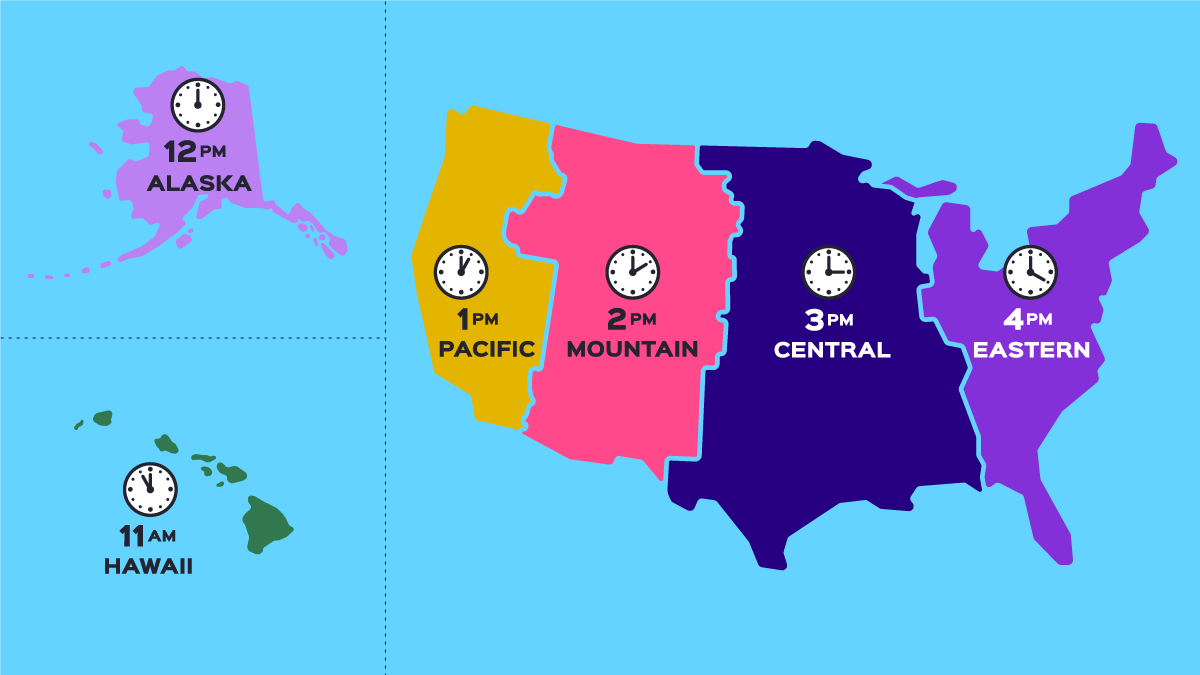
California shares its primary time zone with several other western states and regions. The entire states of Oregon and Washington observe Pacific Time, as does most of Nevada. A portion of Idaho also falls within this zone. This geographical alignment is convenient for interstate travel within the western United States. To California’s east, the next time zone is Mountain Standard Time (MST), which is one hour ahead. Further east lie Central Standard Time (CST) and Eastern Standard Time (EST), creating multi-hour differences for travelers crossing the continent. Understanding these boundaries is critical for coordinating calls, virtual meetings, or multi-state road trips. The border with Mexico also largely aligns with the Pacific Time Zone, while Canada’s British Columbia is also in the Pacific Time Zone. Arizona is unique, as it generally observes MST year-round without Daylight Saving Time, creating a temporal shift with California for part of the year.
Navigating Travel and Tourism in California’s Time Zone
For visitors, especially those arriving from distant time zones, California’s PST/PDT can present a significant adjustment. Effective management of this temporal shift is key to maximizing your travel enjoyment and avoiding common pitfalls.
Planning Your Itinerary: Flights, Activities, and Jet Lag
When planning your journey to California, consider the time difference from the outset. A flight arriving at 3 PM local time might feel like midnight to someone coming from the East Coast, or early morning to someone from Europe.
- Flights and Arrivals: Always confirm flight times in the local time zone of both departure and arrival. Many online booking platforms automatically adjust, but double-checking is a good practice. Factor in potential delays and the time it takes to clear customs or collect luggage.
- Jet Lag Management: For those crossing multiple time zones, jet lag is a real concern. Aim to arrive early if possible, allowing a day or two to adjust before launching into a packed schedule of activities. Hydrate well during your flight, try to adjust your sleep schedule gradually before departure, and expose yourself to natural light upon arrival in Los Angeles or San Francisco.
- Activity Scheduling: Plan your most demanding activities for when you anticipate being most alert. Mornings might be best for early risers from the east, while afternoons could be ideal for those accustomed to a later start. Many popular attractions like Universal Studios Hollywood or the San Diego Zoo open around 9 AM or 10 AM, offering ample time after a leisurely start.
Dining and Entertainment Schedules
California’s vibrant food scene is a highlight for many visitors. Whether it’s a gourmet restaurant in Beverly Hills, a casual beachside eatery in Santa Monica, or a vineyard experience in Napa Valley, restaurant operating hours adhere strictly to local time.
- Reservations: For popular eateries, especially in major cities like San Francisco or San Diego, making reservations is highly recommended. Be mindful of the time zone when booking online, as some systems might default to your current location.
- Peak Dining Times: Dinner is typically served from 5 PM to 10 PM. If you’re still adjusting to the time zone, you might find yourself craving dinner earlier or later than locals. Plan accordingly or seek out places with flexible hours.
- Entertainment: Theaters, concert venues, and nightlife establishments in Hollywood, Sacramento, or Santa Barbara will post their schedules in local time. A show starting at 7 PM PST/PDT will mean a completely different internal clock time for you depending on your origin, so manage your energy levels.
Accommodation and Lifestyle Under the Pacific Sun
The time zone significantly impacts not just your activities but also your stay at various accommodation types and the overall rhythm of lifestyle in California.

Hotels, Check-ins, and Amenities
When dealing with hotels, suites, apartments, or villas in California, all transactions and schedules operate on PST/PDT.
- Check-in/Check-out Times: Standard check-in times are often around 3 PM or 4 PM, with check-out by 11 AM or noon. If you arrive early due to time zone differences, inquire about early check-in or luggage storage. Many hotels are accommodating, especially if you have booked direct or are part of their loyalty program.
- Amenities and Services: Hotel amenities like gyms, pools, and business centers will operate on local time. Room service or concierge services will also follow these hours. Be aware of the time when scheduling spa treatments or requesting services.
- Booking and Comparison: When using online platforms for booking and comparison of accommodation, ensure that all displayed times (e.g., availability, event schedules at the property) are in California’s local time. This helps avoid confusion and ensures a smooth arrival and departure.
The Californian Pace: Work, Play, and Local Culture
California’s lifestyle is often perceived as laid-back and outdoors-oriented, yet it’s also a hub of innovation and fast-paced industries. The Pacific Time Zone dictates the daily rhythm of this diverse culture.
- Work-Life Balance: For residents, operating in PST/PDT means a significant time difference from major economic centers like New York (three hours ahead) or London (eight hours ahead), influencing business stays and global communications. Early morning calls with colleagues on the East Coast are common, as are late-night communications with Asia.
- Local Culture and Events: Festivals, markets, sports events, and concerts across California adhere to local time. From wine tastings in Napa Valley to surf competitions in La Jolla Cove, the timing of these cultural experiences is set by PST/PDT. As a visitor, immersing yourself in the local culture means adapting to this schedule.
- Long-Term Stays: For individuals considering a long-term stay in California, adjusting to the time zone becomes less about managing jet lag and more about fully integrating into the daily flow, from school schedules to professional engagements.
Iconic Landmarks and Optimal Timing
California is home to some of the world’s most recognizable landmarks and famous places. Planning your visits to these sites with an awareness of the time zone will enhance your experience and help avoid crowds.
Northern California’s Treasures
- Golden Gate Bridge (San Francisco): While accessible 24/7, the visitor center and pedestrian sidewalks have specific hours, which are always in PST/PDT. Catching the sunrise over the bridge means an early start, but the view is worth any temporal adjustment. For Alcatraz Island tours, strict departure times from Pier 33 in San Francisco are enforced, so arriving well in advance is crucial.
- Yosemite National Park: This natural wonder observes PST/PDT. Park entrance gates are generally open 24/7, but visitor centers, shuttle services, and specific attractions within the park operate on set hours. Hiking in the early morning or late afternoon (especially during PDT) allows for more comfortable temperatures and fewer crowds. Consider staying at accommodation within or very close to the park for early access to popular spots.
- Lake Tahoe: Straddling the California-Nevada border, Lake Tahoe is entirely within the Pacific Time Zone. Ski resorts and lakeside activities operate on these hours, with daylight saving offering longer evenings for water sports or après-ski festivities.
Southern California’s Icons
- Disneyland Resort (Anaheim): Park hours at “The Happiest Place on Earth” are strictly enforced and updated frequently online, always in PST/PDT. Arriving before opening allows you to maximize your time, especially during peak seasons. The Disneyland Resort is a prime example where every minute counts for family trips, so knowing the time is critical.
- Hollywood Walk of Fame (Los Angeles): While the walk itself is always accessible, surrounding attractions like the Griffith Observatory, TCL Chinese Theatre, and various museums have specific opening and closing times. Visiting the Observatory at sunset (especially during PDT) offers breathtaking views of Los Angeles and the Hollywood sign.
- Santa Monica Pier: A quintessential Southern California landmark, the pier is open all day, but its amusement park, restaurants, and shops have distinct operating hours. Enjoying the pier at sunset offers stunning coastal views, particularly during the longer evenings of PDT.
Even natural landmarks like Death Valley National Park and Sequoia National Park, while generally accessible, have visitor centers and specific roads with hours tied to the Pacific Time Zone. When planning guides or reviews for these famous places, remember to specify operating hours in PST/PDT.
Practical Tips for a Seamless California Experience
Mastering the time zone difference is just one aspect of planning a fantastic California adventure. Here are some additional tips to ensure your travel is as smooth as possible, whether it’s a luxury travel escape or a budget travel expedition.
Plan Ahead and Use Time Zone Converters
- Check Dates and Times Religiously: Before confirming any booking for flights, accommodation, tours, or restaurant reservations, double-check that the times correspond to California’s PST/PDT.
- Utilize Technology: Modern smartphones automatically adjust to local time, but it’s wise to keep a watch set to your home time zone for comparison during the initial days. Time zone converter apps can be incredibly helpful for coordinating with contacts outside California.
- Confirm Daylight Saving Dates: While standard, the exact dates for the “spring forward” and “fall back” can vary slightly by year or region (though California adheres to the federal schedule). A quick search for “Daylight Saving Time California 2024” (or the relevant year) will clarify.
Maximizing Daylight Hours for Exploration
- Embrace Early Mornings (or Late Evenings): During PDT, the longer daylight hours offer ample opportunity for morning hikes, beach visits, or city exploration before the heat or crowds build up. Conversely, the extended evenings are perfect for scenic drives along Big Sur, enjoying an outdoor dinner, or catching a sunset view from Griffith Observatory.
- Prioritize Outdoor Activities: Given California’s incredible natural beauty, from its vast nature parks to its stunning coastline, planning outdoor activities around peak daylight hours is a smart strategy. This is especially true for destinations like Sequoia National Park where natural light enhances the experience.
- Flexible Itinerary: While planning is essential, maintaining some flexibility in your itinerary allows you to adapt to how your body adjusts to the time zone, or to unforeseen changes in weather or attraction hours. This is key for a truly relaxed and enjoyable trip.
In conclusion, understanding that California operates on Pacific Standard Time (PST) and Pacific Daylight Time is more than just a trivial fact; it’s a foundational piece of knowledge for any successful journey to the state. By acknowledging the shift between PST and PDT, planning for jet lag, and synchronizing your activities with the local rhythm, you can ensure that your visit to California is filled with memorable experiences rather than temporal confusion. Embrace the golden hours, savor the local culture, and let the Pacific Time Zone guide your adventure through this magnificent destination.
LifeOutOfTheBox is a participant in the Amazon Services LLC Associates Program, an affiliate advertising program designed to provide a means for sites to earn advertising fees by advertising and linking to Amazon.com. Amazon, the Amazon logo, AmazonSupply, and the AmazonSupply logo are trademarks of Amazon.com, Inc. or its affiliates. As an Amazon Associate we earn affiliate commissions from qualifying purchases.