
Hawaii, the archipelago of breathtaking beauty, vibrant culture, and unparalleled natural wonders, beckons travelers from across the globe. For many, a trip to Hawaii isn’t complete without experiencing the distinct charm of multiple islands. Each major island — Oahu, Maui, Kauai, and Hawaii Island (commonly known as the Big Island) — offers its own unique tapestry of landscapes, adventures, and cultural experiences. Even the smaller, less-visited islands like Molokai and Lanai hold a special allure for those seeking tranquility and a deeper connection with authentic Hawaiian life.
The prospect of island hopping might seem daunting at first glance, but with the right knowledge and planning, it’s an incredibly rewarding endeavor. This comprehensive guide will demystify inter-island travel in Hawaii, providing you with the insights needed to navigate the islands seamlessly, ensuring your Hawaiian adventure is as smooth as the ocean breeze. From understanding the geography to selecting the best mode of transport and mastering the logistics, we’ll cover everything you need to know to unlock the full potential of this Pacific paradise.
Understanding Hawaii’s Unique Geography and Appeal
The Hawaiian Islands are the exposed peaks of an immense underwater mountain range, each island forged by volcanic activity over millions of years. This geological history has endowed each island with its own distinct character, climate zones, and natural attractions. Appreciating this diversity is key to planning an enriching multi-island itinerary.
The Major Islands and Their Distinct Charms
-
Oahu: The Gathering Place
Home to the state capital, Honolulu, and the iconic Waikiki Beach, Oahu is a vibrant hub that perfectly blends urban sophistication with natural beauty. It’s ideal for those who enjoy surfing, historical sites like Pearl Harbor, and a lively nightlife. The island offers a wide range of dining, shopping, and entertainment options, alongside accessible hiking trails to landmarks like Diamond Head. -
Maui: The Valley Isle
Renowned for its stunning beaches, world-class whale watching (in season), and the famous scenic drive along the Hana Highway, Maui offers a luxurious yet adventurous escape. Its diverse landscapes range from lush rainforests to volcanic craters, making it a favorite for honeymooners and outdoor enthusiasts. The charming towns of Lahaina and Paia offer unique shopping and dining experiences. -
Kauai: The Garden Isle
Kauai lives up to its name with verdant valleys, dramatic cliffs, and cascading waterfalls. It’s a paradise for nature lovers, hikers, and those seeking tranquility. The awe-inspiring Na Pali Coast is a sight to behold, best viewed by helicopter, boat, or challenging hike. Kauai embodies a slower pace of life, emphasizing natural beauty over bustling attractions. -
Hawaii Island: The Big Island
The youngest and largest of the islands, Hawaii Island is a land of extremes, featuring active volcanoes, black sand beaches, and snow-capped mountains. It’s home to Hawaii Volcanoes National Park, where visitors can witness the raw power of creation. The island offers diverse activities, from stargazing atop Mauna Kea to exploring coffee farms in Kona.
Why Inter-Island Travel is Essential
Given the distinct character and attractions of each island, inter-island travel becomes not just an option, but a necessity for those who wish to experience the full spectrum of Hawaiian beauty and culture. Without it, you would only scratch the surface of what this incredible state has to offer. Island hopping allows you to tailor your journey to include everything from bustling city life and historical sites to serene beaches, lush rainforests, and dramatic volcanic landscapes. It transforms a simple vacation into an unforgettable adventure, showcasing the diverse ecological and cultural tapestry of Hawaii.
Primary Modes of Inter-Island Transportation
When it comes to moving between the islands, travelers primarily have two main options: air travel and limited ferry services. Each comes with its own set of advantages and considerations, impacting travel time, cost, and overall experience.
Air Travel: The Dominant Choice
Inter-island flights are by far the most popular and efficient way to travel between the Hawaiian Islands. Short flight durations, frequent departures, and a relatively competitive market make flying the go-to method for most visitors.
Key Airlines and Routes
Several airlines operate daily flights connecting the major airports across the islands:
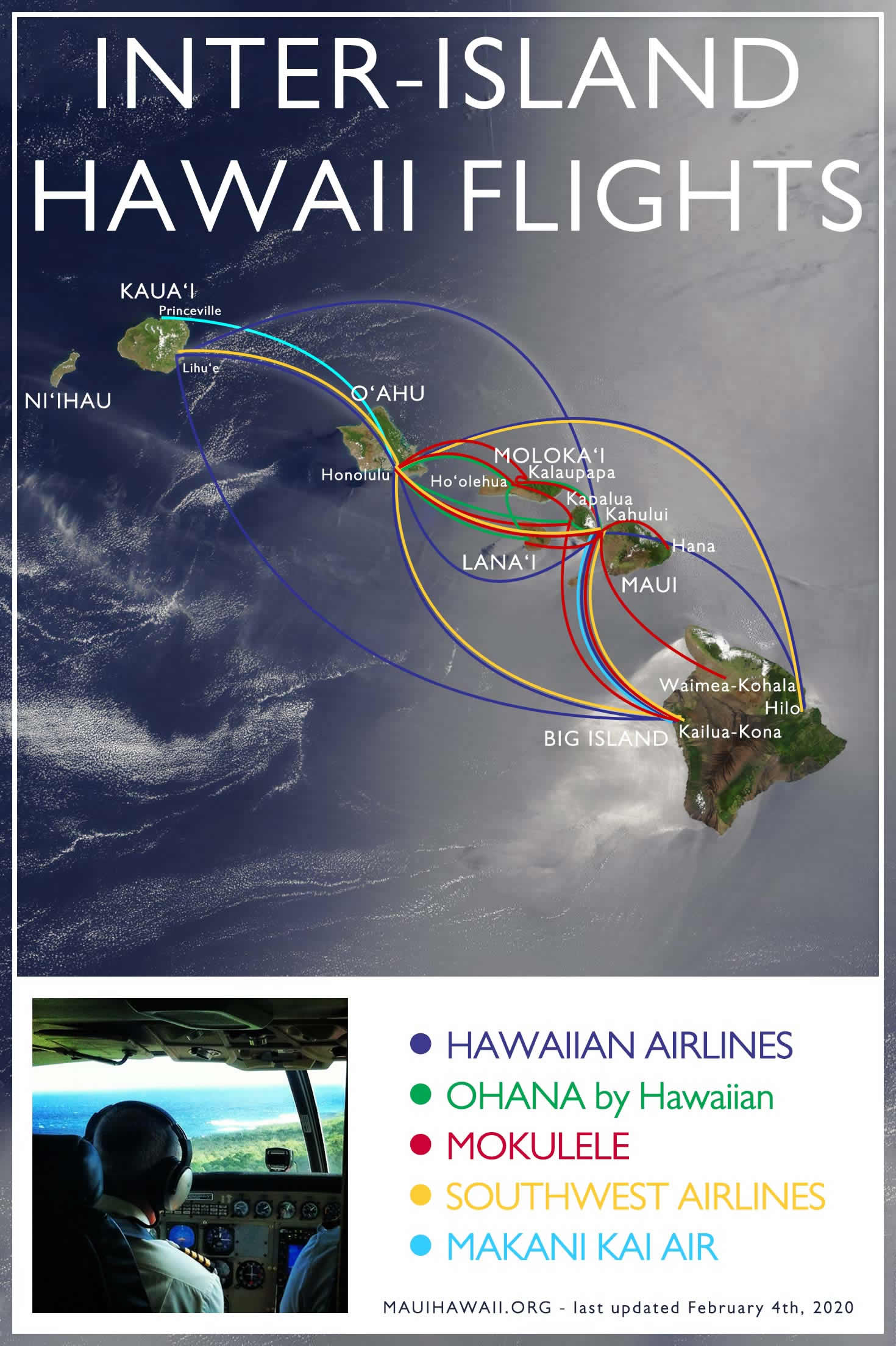
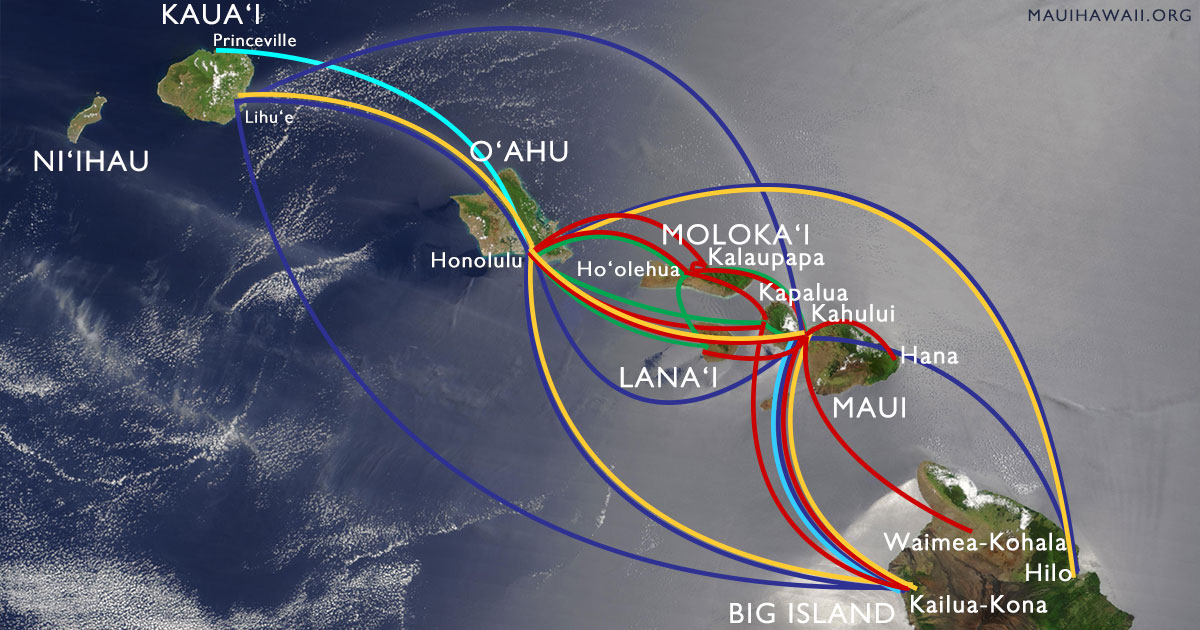
- Hawaiian Airlines: The largest carrier, offering the most extensive network of flights between Honolulu (Oahu), Kahului (Maui), Kona (Hawaii Island), Hilo (Hawaii Island), and Lihue (Kauai). They also serve smaller airports like Kapalua (Maui) and Molokai.
- Mokulele Airlines: Specializes in turboprop aircraft, connecting smaller airports and offering more intimate, scenic flights. They are excellent for reaching Molokai and Lanai from Maui or Oahu.
- Southwest Airlines: Entered the inter-island market more recently, providing competitive fares between Honolulu, Kahului, Kona, and Lihue.
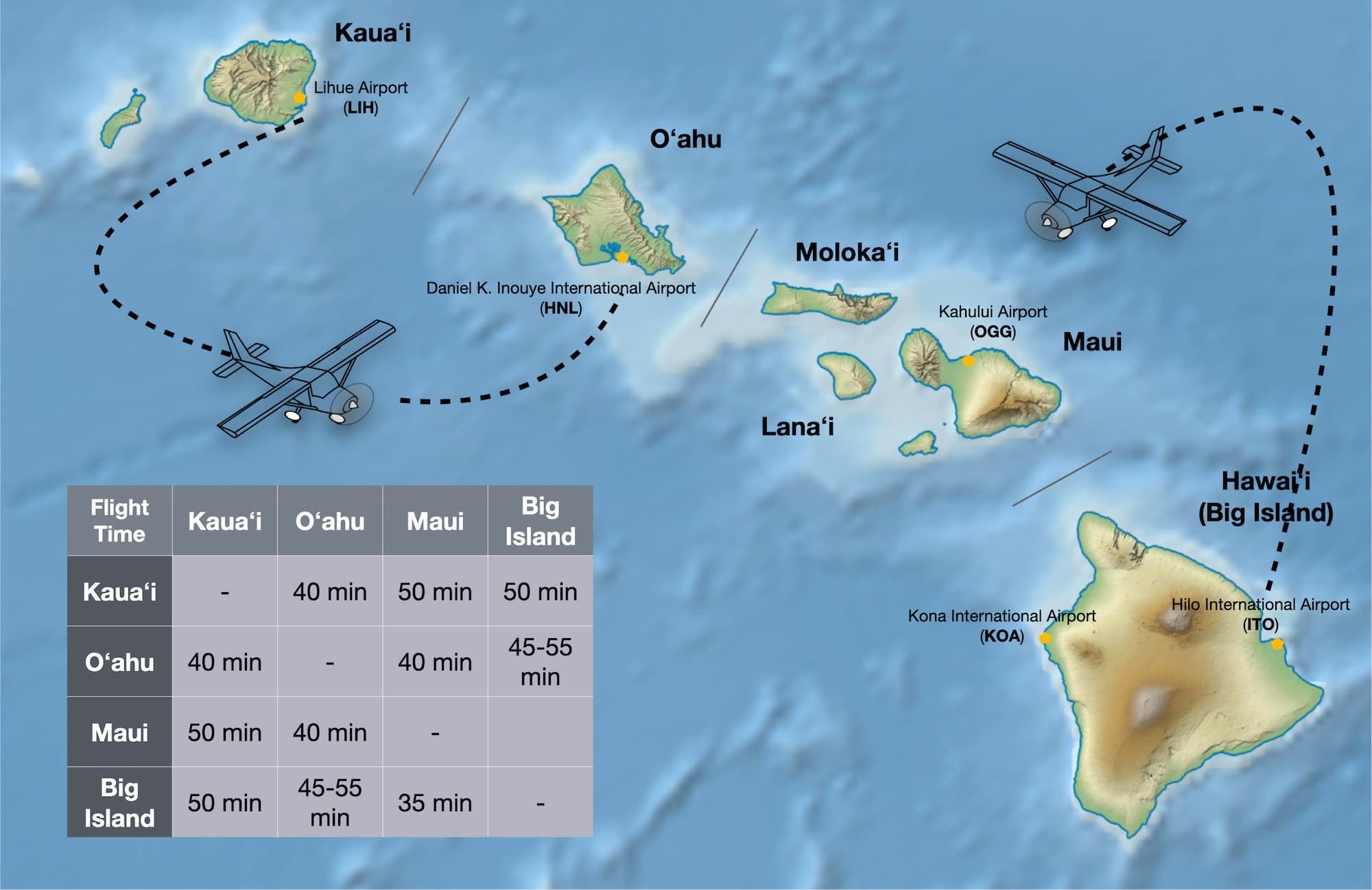
Flight times typically range from 20 to 50 minutes, making island hopping feel less like a chore and more like a brief, scenic transfer.
Booking Tips and Considerations
- Book in Advance: While inter-island flights are frequent, booking ahead, especially for peak seasons or specific times, can secure better prices and ensure availability.
- Flexibility with Dates/Times: If your itinerary allows, being flexible with your travel dates and times can often result in lower fares.
- Compare Airlines: Utilize flight comparison websites like Kayak or Skyscanner, but also check the airlines’ direct websites, as they sometimes offer exclusive deals.
- Baggage Fees: Be aware of baggage policies and fees, as they can add up. Consider packing lighter or consolidating luggage.
- Airport Transfers: Factor in time for airport check-in, security, and transfers to and from airports on both ends of your flight. Although airports are smaller than major international hubs, they still require adequate time.
Ferry Services: A Niche Option
While once more common, public inter-island ferry services are now quite limited. The most prominent and reliable option is the ferry connecting Maui and Lanai.
The Expeditions Maui-Lanai Ferry
This ferry service operates multiple times daily between Lahaina Harbor on Maui and Manele Bay on Lanai. It’s a convenient and scenic way to travel between these two islands, particularly popular for day trips to Lanai. The journey takes approximately 45-60 minutes and often provides opportunities for marine life sightings.
Benefits and Limitations
- Benefits: Offers a relaxing, scenic journey; avoids airport security; allows for transport of more luggage than typically permitted on small planes; provides a unique perspective of the islands from the ocean.
- Limitations: Highly limited routes (primarily Maui to Lanai); susceptible to weather conditions; not suitable for travel between all major islands. There is no public ferry service connecting Oahu, Kauai, or Hawaii Island.
Private Charters and Specialized Tours
For those seeking a more exclusive or tailored experience, private air charters or boat charters are an option. While significantly more expensive, they offer unparalleled flexibility, convenience, and privacy. Helicopter tours often combine scenic flights with inter-island transfers, providing a truly memorable way to see the islands. These options are typically reserved for luxury travelers or specific group needs.
Planning Your Inter-Island Journey
A well-thought-out itinerary is the cornerstone of a successful multi-island Hawaiian vacation. Without careful planning, you might find yourself losing precious vacation time to logistical hurdles.
Determining Your Island Hopping Strategy
- Define Your Interests: Before booking anything, decide what kind of experiences you seek. Do you want vibrant city life, serene beaches, volcanic adventures, or lush rainforest hikes? This will guide your island choices.
- Allocate Time Wisely: While it’s tempting to see everything, rushing through too many islands can lead to exhaustion. A good rule of thumb is to dedicate at least 3-5 full days per island to truly experience its essence.
- Logical Flow: Plan your island visits in a geographical or logical sequence to minimize travel time and costs. For instance, flying from Oahu to Maui then to Hawaii Island might be more efficient than crisscrossing the archipelago.
- Arrival and Departure: Consider flying into one island (e.g., Honolulu on Oahu) and departing from another (e.g., Kahului on Maui or Kona on Hawaii Island) to avoid backtracking.
Booking Flights and Accommodation in Advance
- Simultaneous Booking: Once your itinerary is set, book your inter-island flights and accommodations concurrently. This ensures availability, especially for popular hotels and resorts, and can sometimes unlock package deals.
- Car Rentals: Do not forget to book car rentals for each island in advance, particularly during peak travel seasons. Public transportation is limited outside of major cities like Honolulu, and a car is essential for exploring.
- Consider Flight Connections: When arriving in Hawaii from the mainland or internationally, allow ample time between your international/mainland flight and your first inter-island flight. Delays are always possible, and missing an inter-island connection can disrupt your entire itinerary.
Navigating Airports and Transfers
Hawaiian airports, while smaller than major international hubs, are well-organized for inter-island travel.
- Terminal Differences: Some airports, like Honolulu, have separate terminals or sections for inter-island flights. Confirm your terminal beforehand.
- Check-in and Security: Arrive at least 60-90 minutes before your inter-island flight to allow for check-in and security screening, especially if checking bags.
- Car Rental Shuttles: Be prepared for shuttle services to and from car rental facilities, which are often located off-airport property.
Essential Tips for Seamless Inter-Island Travel
Beyond the logistics, a few practical tips can significantly enhance your island-hopping experience.
Packing Light and Smart
With multiple flights and potentially different accommodations, minimizing luggage is crucial.
- One Carry-On Per Person: Aim for one carry-on and a personal item per person if possible, to avoid checked baggage fees and streamline airport navigation.
- Versatile Clothing: Pack versatile, lightweight clothing suitable for warm weather and potential rain showers. Layers are always a good idea, especially if visiting higher elevations or experiencing cooler evenings.
- Essentials Only: Only bring what you truly need. Most resorts offer laundry facilities, or you can find laundromats.
Understanding Baggage Allowances
Inter-island carriers generally have stricter baggage allowance rules compared to larger domestic flights.
- Weight and Size Restrictions: Pay close attention to weight and size restrictions for both checked and carry-on bags. Oversized or overweight bags will incur additional fees.
- Sporting Equipment: If traveling with surfboards, golf clubs, or other sporting equipment, confirm the airline’s specific policies and fees in advance.
Flexibility and Contingency Planning
Despite meticulous planning, travel can present unexpected challenges.
- Weather Disruptions: Hawaiian weather can be unpredictable, with sudden rain showers or stronger winds potentially causing flight delays or ferry cancellations.
- Buffer Time: Build buffer time into your itinerary, especially when connecting flights, to account for potential delays.
- Travel Insurance: Consider travel insurance that covers unforeseen disruptions, such as flight cancellations, lost luggage, or medical emergencies.
Respecting Local Customs and Environment
As you travel between islands, remember that you are a guest in a unique and sacred place.
- Mālama Aina (Care for the Land): Practice responsible tourism by minimizing your environmental footprint, adhering to trail signage, and never disturbing wildlife or natural habitats.
- Aloha Spirit: Embrace the local culture and the “Aloha Spirit” by being respectful, friendly, and open to new experiences.
- Community Support: Support local businesses and artisans to contribute positively to the Hawaiian economy.
Exploring Each Island Upon Arrival
Once you’ve successfully navigated the inter-island journey and landed on your next Hawaiian destination, the adventure truly begins.
Car Rentals and Local Transportation
As mentioned, a rental car is almost indispensable for exploring most islands, especially outside of Honolulu. Book your vehicle well in advance, ideally at the same time as your flights and accommodation. Upon arrival at the airport, follow signs for rental car shuttles to pick up your vehicle. Familiarize yourself with local driving customs and road conditions, particularly for scenic routes like the Hana Highway on Maui.
For those who prefer not to drive, ride-sharing services like Uber and Lyft are available in more populated areas, and taxis can be found at airports and major resorts. Public transportation is limited to specific routes on Oahu (TheBus) and very minimal options on other islands. Many resorts also offer shuttle services to nearby attractions or town centers.
Activities and Attractions on Each Island
Upon arrival, immerse yourself in the unique offerings of each island.
- Oahu: Explore Pearl Harbor, relax on Waikiki Beach, hike Diamond Head, or surf on the North Shore.
- Maui: Drive the Hana Highway, watch the sunrise from Haleakala, go whale watching, or snorkel at Molokini Crater.
- Kauai: Take a helicopter tour over the Na Pali Coast, hike through Waimea Canyon, or enjoy the tranquil beaches of the North Shore.
- Hawaii Island: Witness active volcanoes at Hawaii Volcanoes National Park, stargaze on Mauna Kea, explore black sand beaches, or snorkel with manta rays in Kona.
- Lanai: Discover the Garden of the Gods, relax at Hulopoe Bay, or explore secluded beaches.
- Molokai: Visit the Kalaupapa National Historical Park, explore untouched nature, and experience authentic Hawaiian culture.
Traveling between the islands of Hawaii is an integral part of experiencing the full majesty of this incredible destination. By understanding the transportation options, planning meticulously, and embracing the spirit of aloha, you can create a multi-island itinerary that is both seamless and unforgettable, leaving you with cherished memories of paradise.
LifeOutOfTheBox is a participant in the Amazon Services LLC Associates Program, an affiliate advertising program designed to provide a means for sites to earn advertising fees by advertising and linking to Amazon.com. Amazon, the Amazon logo, AmazonSupply, and the AmazonSupply logo are trademarks of Amazon.com, Inc. or its affiliates. As an Amazon Associate we earn affiliate commissions from qualifying purchases.