
The archipelago of Hawaii is a sprawling chain of volcanic islands located in the heart of the Pacific Ocean. While each island boasts a distinct personality, from the bustling urban energy of Honolulu to the rugged, untouched cliffs of the Na Pali Coast, navigating between them requires careful planning. Unlike many continental destinations where a car can take you from one major city to another, traveling between the islands of the United States‘ fiftieth state involves a combination of short-haul flights and specific maritime routes. Understanding the logistics of island hopping is essential for any traveler looking to experience the full diversity of the Hawaiian Islands.
The Logistics of Inter-Island Aviation
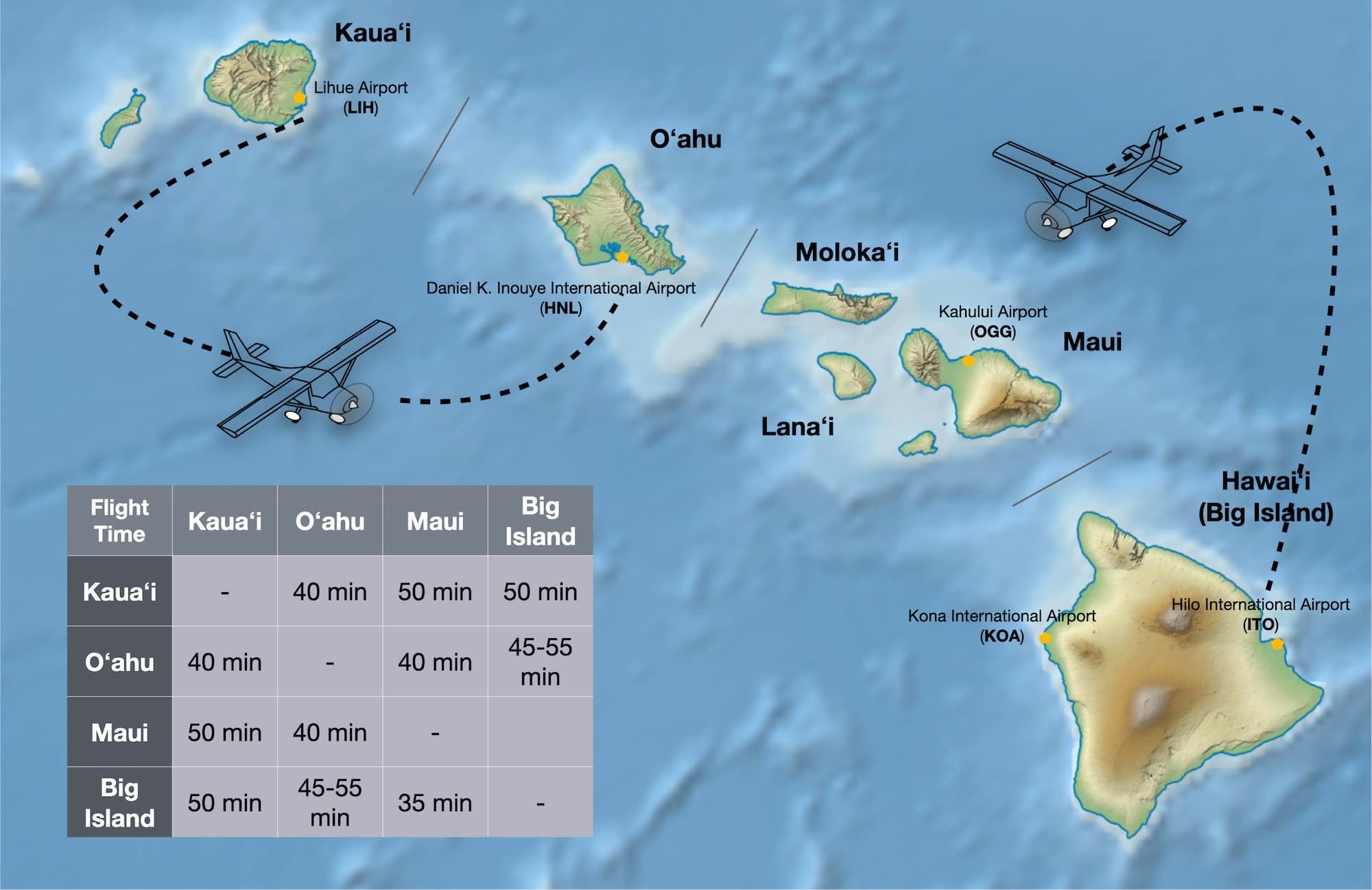
For the vast majority of visitors, flying is the only practical way to move between islands. The distance between the major hubs is relatively short, often resulting in flight times of thirty to sixty minutes, yet the frequency and efficiency of these routes make them the backbone of regional travel.
Major Carriers and Routes
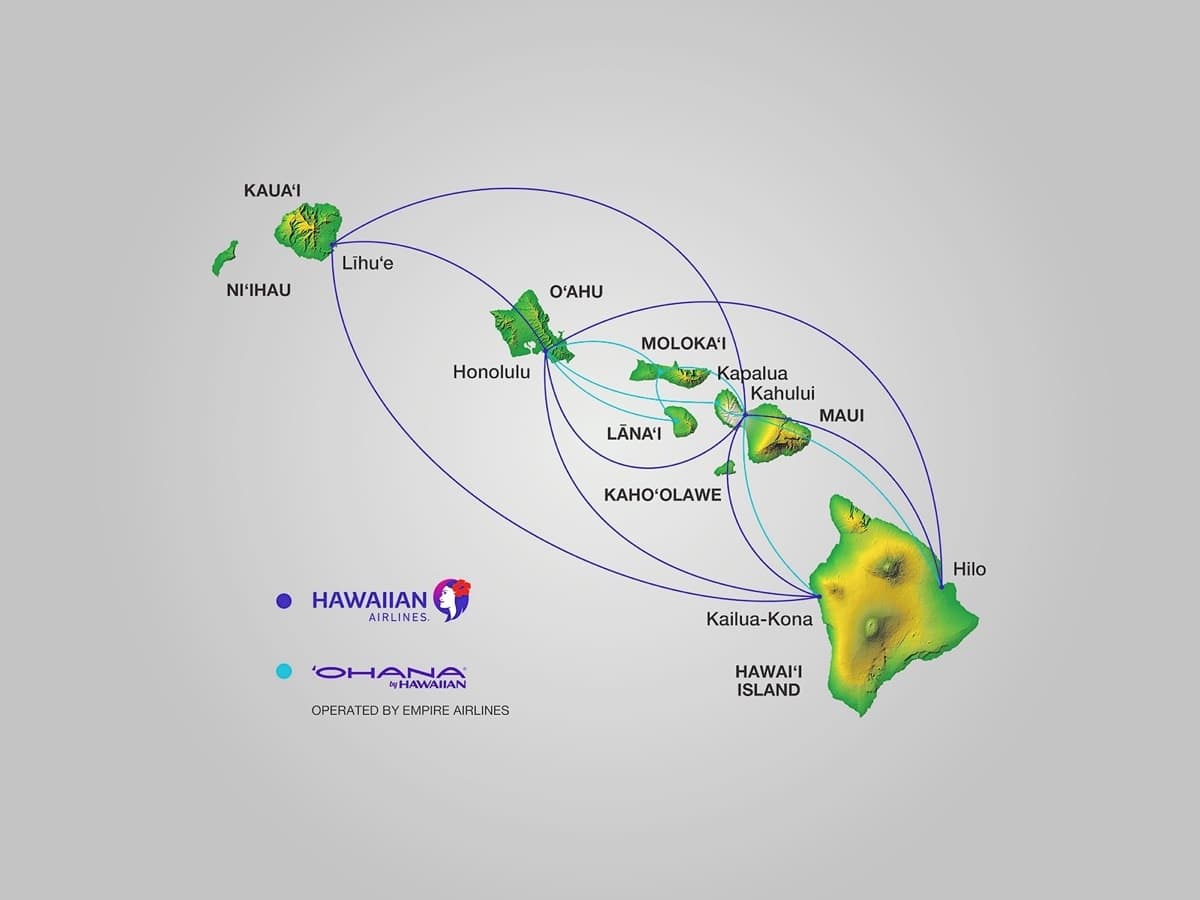
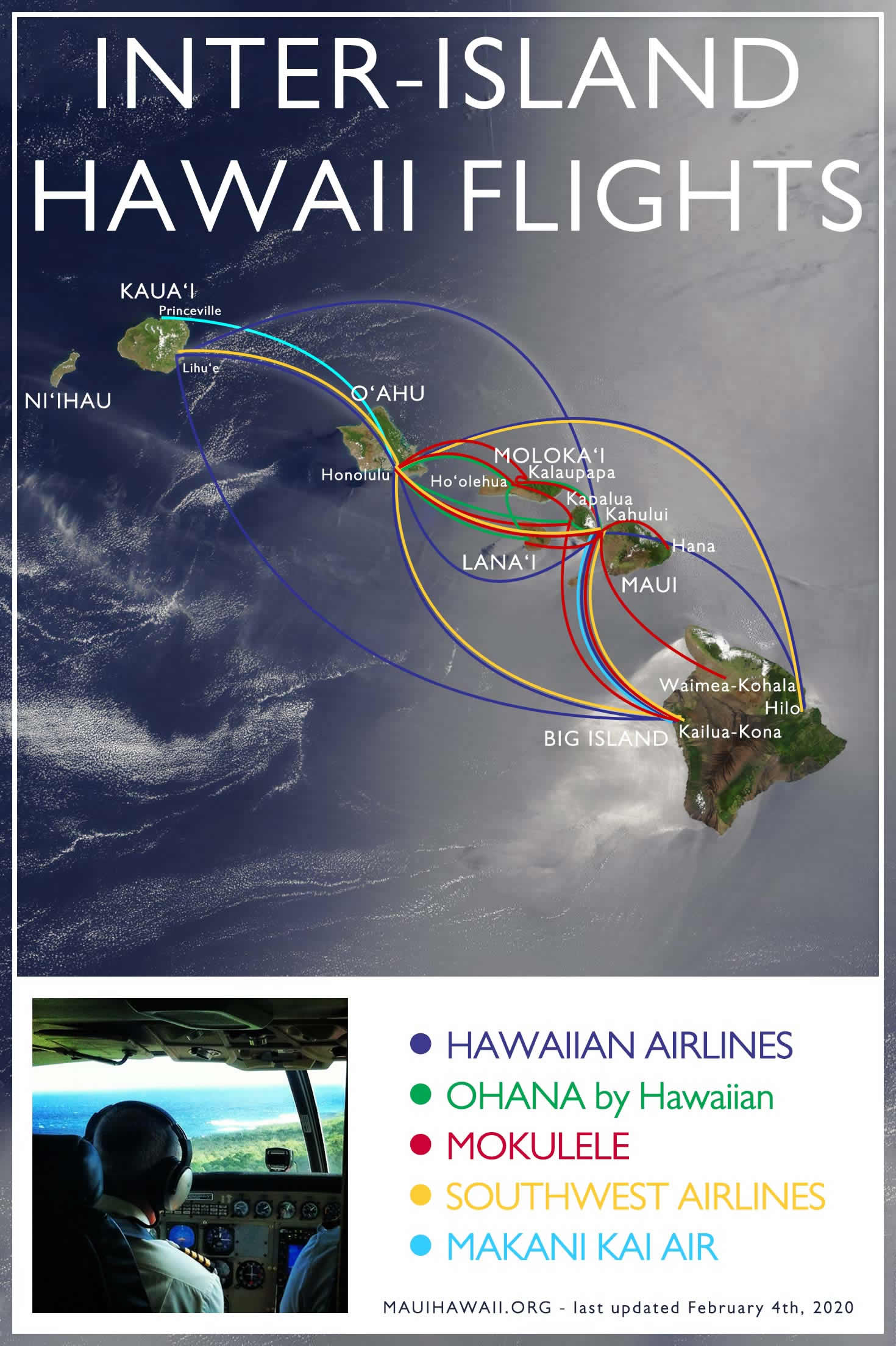
The dominant player in inter-island travel is Hawaiian Airlines. Operating a robust fleet of Boeing 717 aircraft, they offer dozens of daily flights connecting the primary airports. Their primary hub is Honolulu International Airport on the island of Oahu, which serves as the central nervous system for the entire state.
In recent years, Southwest Airlines has expanded its presence significantly within the state. Their entry into the market has increased competition, often leading to more affordable fares for travelers moving between Honolulu, Kahului Airport on Maui, Lihue Airport on Kauai, and both Kona International Airport and Hilo International Airport on the Island of Hawaii.
For those looking to reach smaller destinations like Molokai or Lanai, Mokulele Airlines provides essential service. Operating smaller Cessna Grand Caravan aircraft, these flights offer a more intimate experience, often flying at lower altitudes which provides passengers with stunning aerial views of the Molokai Cliffs or the Auau Channel.
Navigating the Major Hubs
When planning your flights, it is important to recognize the layout of the regional airports. Honolulu International Airport is large and can be complex, requiring ample time for security and transitions between the overseas terminal and the inter-island terminal. Conversely, airports like Lihue Airport or Kona International Airport are much more accessible, with the latter featuring a charming open-air design that allows travelers to enjoy the tropical breeze until the moment they board.
Travelers should also be aware of the baggage policies. While transpacific flights might allow for certain weight limits, inter-island carriers often have strict rules regarding carry-on sizes due to the smaller overhead compartments on regional jets. Checking a bag is a common practice, and many frequent flyers utilize loyalty programs like HawaiianMiles to offset these costs.
Beyond the Mainland: Island Hopping by Boat
While aviation is the standard, many travelers dream of crossing the Hawaiian channels by sea. It is a common misconception that there is a comprehensive ferry system connecting all the islands. In reality, the rough waters of the Pacific Ocean channels make regular passenger ferry service difficult to maintain for long distances.
The Maui to Lanai Ferry
The most reliable and popular maritime connection is the Expeditions Lanai Ferry. This service operates multiple times daily between Lahaina Harbor on Maui and Manele Harbor on Lanai. The journey takes approximately 45 minutes to an hour. During the winter months, this route doubles as an informal whale-watching tour, as the Auau Channel is a primary breeding ground for Humpback Whales.
The ferry is an excellent option for those staying at resorts like the Four Seasons Resort Lanai or for day-trippers looking to explore the Hulopoe Bay marine sanctuary. It is important to book tickets in advance, especially during peak tourist seasons.
Private Charters and Luxury Excursions
For travelers with a higher budget or specific logistical needs, private boat charters are available. These are particularly common for groups moving between Maui and the neighboring islands of Molokai or Lanai. Chartering a catamaran or a luxury yacht provides a bespoke experience, allowing for stops at snorkeling spots like Molokini Crater or secluded coves that are inaccessible by land.
While there is currently no car ferry service between the islands—a project known as the Hawaii Superferry was attempted in the past but was eventually discontinued—the private sector fills the gap for those who prefer the sea over the sky.
Designing Your Multi-Island Itinerary
Deciding which islands to visit and in what order is the most critical part of the travel process. Each island offers a different experience, and moving between them too frequently can lead to “travel burnout.”
The Four-Island Classic
Most first-time visitors focus on the four largest islands. Oahu is typically the starting point, home to Waikiki Beach, Pearl Harbor, and the Diamond Head crater. It offers the most in terms of shopping, dining, and historical sites.
From Oahu, many travelers head to Maui. This island is famous for the Road to Hana, a winding coastal drive, and the sunrise at Haleakala National Park. Maui strikes a balance between the commercial development of Oahu and the rural charm of the other islands.
Next is Kauai, the “Garden Isle.” Here, the focus is on nature. Highlights include the Waimea Canyon State Park, often called the Grand Canyon of the Pacific, and the dramatic Na Pali Coast. Because much of Kauai is inaccessible by car, this island often requires helicopter tours or boat excursions.
Finally, the Island of Hawaii (the Big Island) offers the most geological diversity. You can travel from the volcanic landscapes of Hawaii Volcanoes National Park to the snow-capped peaks of Mauna Kea and the lush rainforests near Hilo.
Off-the-Beaten-Path: Molokai and Lanai
For those seeking solitude, Molokai and Lanai are the perfect additions to an itinerary. Molokai is known for its preservation of Native Hawaiian culture and the Kalaupapa National Historical Park. Lanai, once a massive pineapple plantation, is now a luxury destination featuring world-class golf courses and the unique rock formations of Garden of the Gods.
On-Island Transportation: Completing the Journey
Arriving at the airport is only half the battle; navigating each island requires its own strategy. Because the islands are distinct landmasses, you cannot take a rental car from one island to another.
The Necessity of Rental Cars
On Maui, Kauai, and the Island of Hawaii, a rental car is almost essential. Public transportation is limited, and the attractions are often spread far apart. Major agencies like Hertz, Enterprise Rent-A-Car, and Alamo Rent A Car operate at all major airports. It is highly recommended to book these well in advance, as inventory can be tight, particularly during the holidays.
For specific adventures, such as driving the Road to Hana or exploring the rugged terrain of Green Sand Beach on the Big Island, a four-wheel-drive vehicle may be necessary. Always check the terms of your rental agreement, as many companies prohibit driving on unpaved roads like the saddle road to Mauna Kea.
Alternative Transit Options
In Honolulu, the situation is different. TheBus is a highly efficient public transit system that can take you to most major attractions, including Pearl Harbor and the Polynesian Cultural Center. Additionally, Oahu has a robust network of ride-sharing services like Uber and Lyft.
On the other islands, ride-sharing is available but can be unreliable in rural areas like Hanalei or Hana. Some resorts, such as the Grand Hyatt Kauai Resort and Spa or the Fairmont Orchid, offer shuttle services to nearby shopping centers or sister properties, which can help bridge the gap for those who prefer not to drive.
Practical Considerations for Inter-Island Travelers
To make your transition between islands as smooth as possible, keep several practical tips in mind. First, treat inter-island flights with the same level of preparation as a mainland flight. The Transportation Security Administration (TSA) checkpoints in Hawaii can get very busy, especially during the mid-day rush when many inter-island flights depart.
Luggage and Security Protocols
Be prepared for agricultural inspections. When traveling from the islands back to the United States mainland, you must pass an agricultural screening to ensure no invasive species or prohibited fruits are being transported. While this usually happens at the main exit points like Honolulu International Airport, it is a unique quirk of Hawaii travel that can add a few extra minutes to your journey.
Best Times to Move Between Islands
Timing is everything. Flights are generally cheaper and airports are less crowded on Tuesdays and Wednesdays. If you are planning to visit multiple islands in one trip, try to book “multi-city” tickets rather than separate one-way fares, as this can sometimes save on taxes and fees. Furthermore, consider the “hub and spoke” model: use Honolulu as your home base and take day trips or short overnights to the other islands to minimize the time spent checking in and out of different Hotels.
By mastering the combination of short flights, strategic ferry trips, and local car rentals, you can unlock the full potential of a Hawaiian vacation. Whether you are chasing waterfalls on Kauai or exploring the volcanic craters of the Island of Hawaii, the journey between these islands is just as much a part of the adventure as the destinations themselves.
LifeOutOfTheBox is a participant in the Amazon Services LLC Associates Program, an affiliate advertising program designed to provide a means for sites to earn advertising fees by advertising and linking to Amazon.com. Amazon, the Amazon logo, AmazonSupply, and the AmazonSupply logo are trademarks of Amazon.com, Inc. or its affiliates. As an Amazon Associate we earn affiliate commissions from qualifying purchases.