
Hawaii, the isolated volcanic archipelago in the central Pacific Ocean, is a dream destination for many. Its allure lies in its diverse landscapes, vibrant culture, and unparalleled natural beauty, which are spread across several distinct islands. To truly experience the breadth of what the 50th U.S. state has to offer, travelers often find themselves needing to navigate between these islands. Unlike many archipelagos with extensive ferry systems, inter-island travel in Hawaii presents a unique set of considerations. This comprehensive guide will illuminate the most effective and popular methods for island hopping, ensuring your Hawaiian adventure is as seamless and memorable as the breathtaking scenery surrounding you. From the bustling shores of Oahu to the volcanic landscapes of the Big Island (also known as Hawaii Island), understanding the logistics of inter-island transit is paramount to unlocking the full magic of the Aloha State.
The Dominance of Air Travel: Your Primary Inter-Island Link
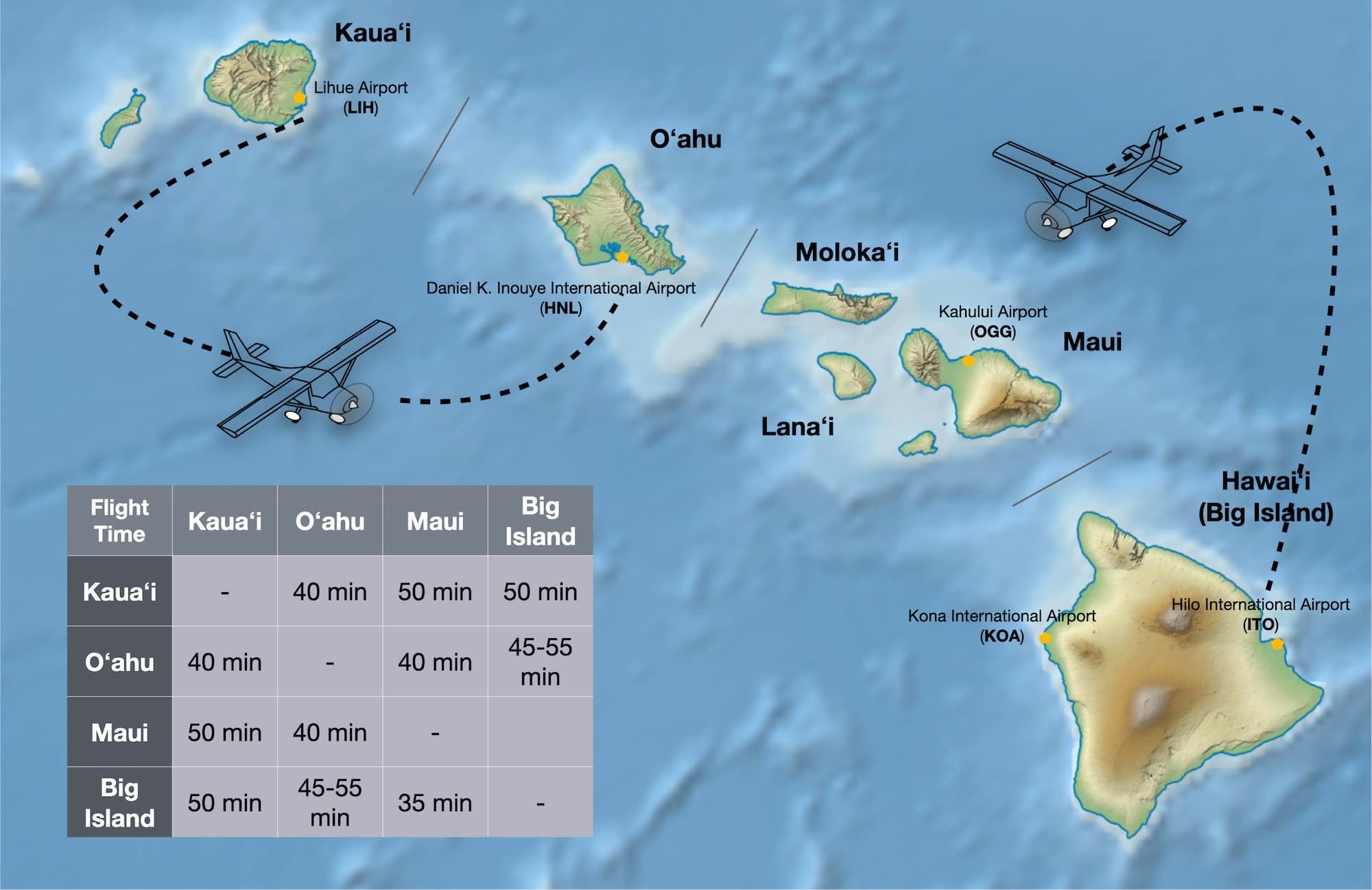
When considering how to travel from island to island in Hawaii, air travel unequivocally stands out as the most common, efficient, and often the only practical method. The short distances between islands translate into flight times often less than an hour, making quick hops a regular occurrence for both locals and tourists alike.
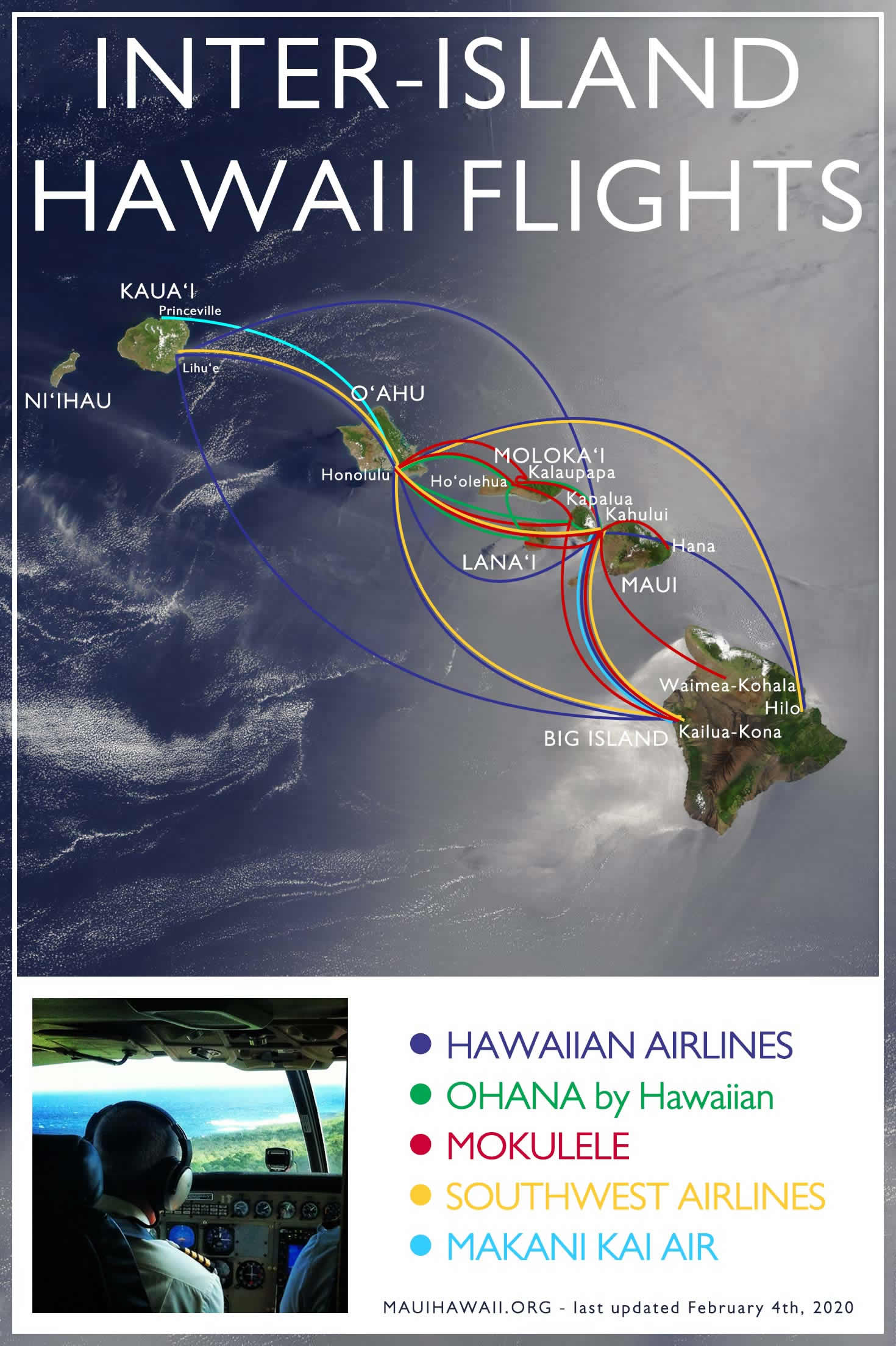
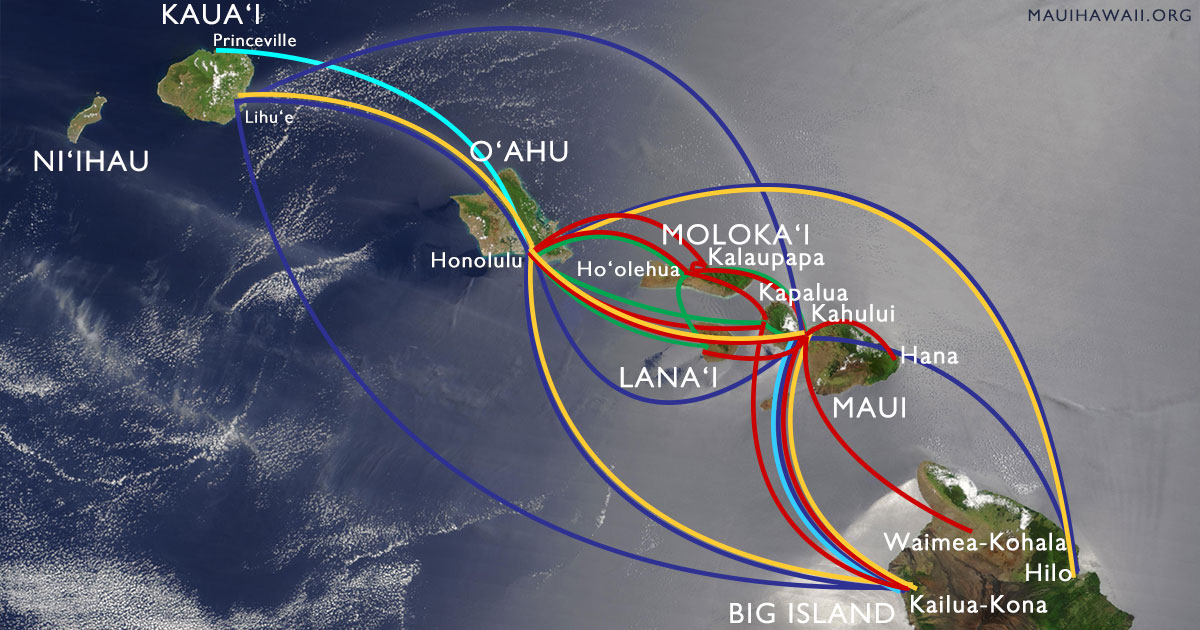
Major Inter-Island Airlines
Two primary carriers dominate the inter-island flight market, providing extensive networks and frequent schedules:
- Hawaiian Airlines: As Hawaii’s flagship carrier, Hawaiian Airlines offers the most comprehensive schedule of inter-island flights. They operate a modern fleet of Boeing 717s and ATR 42s (for shorter routes) connecting all major airports. Their service is reliable, and they are well-versed in the nuances of island travel.
- Southwest Airlines: In recent years, Southwest Airlines has entered the inter-island market, introducing a competitive option, particularly for budget-conscious travelers. Known for its “bags fly free” policy (typically two checked bags per passenger), Southwest can be an attractive choice, especially if you’re traveling with extra luggage like surfboards or diving gear. They primarily use Boeing 737s for their Hawaii operations.
- Mokulele Airlines: For travel to smaller islands like Molokai or Lanai, or between smaller regional airports, Mokulele Airlines (now operated by Southern Airways Express) offers a vital service. Operating smaller Cessna Grand Caravan aircraft, these flights provide a more intimate, scenic experience and connect travelers to destinations not served by the larger carriers. They are perfect for accessing more remote parts of the islands.
Booking Your Flights
Booking inter-island flights is straightforward and can be done through the airlines’ websites or major online travel agencies. Here are a few tips:
- Book in Advance: While plenty of flights are available, booking at least a few weeks in advance, especially during peak seasons (winter, summer holidays), can secure better fares.
- Consider Bundling: Sometimes, if you’re flying into Hawaii from the mainland or internationally, major carriers like Hawaiian Airlines may offer discounted inter-island fares when booked as part of your overall itinerary.
- Flexibility is Key: If your schedule allows, flying on weekdays or during off-peak hours can often yield lower prices. Early morning flights are also generally more reliable regarding weather delays.
Airport Considerations and Logistics
Each major Hawaiian island hosts a primary airport, serving as a gateway for both inter-island and trans-Pacific flights:
- Daniel K. Inouye International Airport (HNL) in Honolulu, Oahu
- Kahului Airport (OGG) in Maui
- Kona International Airport (KOA) and Hilo International Airport (ITO) on the Big Island
- Lihue Airport (LIH) in Kauai
- Molokai Airport (MKK) in Molokai
- Lanai Airport (LNY) in Lanai
Despite the short flight times, always plan to arrive at the airport at least 60-90 minutes before your scheduled departure for inter-island flights. Security lines can vary, and baggage drop-off can take time. Remember that each inter-island flight is treated like a separate journey, complete with security checks and boarding procedures.
Exploring Ferry Options and Their Limitations
While air travel is dominant, a limited number of ferry services do exist, primarily connecting specific pairs of islands. These offer a unique, sea-level perspective, often preferred by those who enjoy being on the water or wish to avoid the airport experience.
The Maui-Lanai Ferry
The most prominent and reliable inter-island ferry service is the Expeditions Maui-Lanai Ferry. Operating multiple times daily, this passenger ferry connects Lahaina Harbor on Maui with Lanai’s Manele Bay. The scenic journey typically takes about 45 minutes to an hour and offers fantastic views of both islands, and sometimes even playful dolphins or whales during migration season. This is an excellent option for a day trip to Lanai or for visitors staying on Lanai who fly into Maui and then transfer.
Other Historical and Current Ferry Services
Historically, there have been attempts to establish more extensive inter-island ferry services, including car ferries. However, these initiatives have faced significant challenges due to economic viability, environmental concerns, and logistical complexities, leading to their discontinuation. Currently, there is no public car ferry service connecting the major islands like Oahu, Maui, Kauai, or the Big Island. If you plan to have a vehicle on multiple islands, you will need to rent a separate car on each island.
When to Consider a Ferry
- Day Trips: The Maui-Lanai Ferry is ideal for a day trip to Lanai to explore its unique landscapes, resorts, or uncrowded beaches.
- Scenic Journey: For travelers who appreciate ocean views and a more leisurely pace, a ferry can be a refreshing alternative to flying.
- Avoiding Airports: If you prefer to minimize airport time and security checks, and your itinerary involves Maui and Lanai, the ferry is a convenient choice.
- Special Circumstances: Occasionally, private charters or tour operators might offer specialized boat tours that include island transfers, but these are typically not scheduled public transport.
Cruising the Hawaiian Islands: An All-Inclusive Option
For travelers who prefer to unpack once and wake up to a new island each day, an inter-island cruise offers an appealing alternative to traditional island hopping via flights or ferries.
The Appeal of Island Cruises
Cruises provide a unique way to experience multiple Hawaiian islands without the hassle of constantly checking in and out of hotels, renting different cars, or navigating airport procedures. Your accommodation, meals, and entertainment travel with you, allowing for a relaxed and comprehensive tour of the archipelago. Most itineraries focus on overnight sails, allowing passengers to enjoy full days on each island.
Major Cruise Lines Operating in Hawaii
While several international cruise lines include Hawaii as part of longer Pacific itineraries, only one major cruise ship consistently offers dedicated inter-island itineraries that begin and end in Hawaii, catering specifically to island exploration:
- Norwegian Cruise Line’s Pride of America: This is the most popular and often the only choice for a round-trip, weekly Hawaiian island cruise originating from Honolulu. The Pride of America typically visits Maui, the Big Island (ports in Kona and Hilo), and Kauai, often with extended stays or overnight dockings to allow for deeper exploration. Its all-American crew and relaxed atmosphere make it a popular choice.
Cruise vs. Independent Island Hopping
- Convenience: Cruises offer unparalleled convenience, eliminating the need for self-planning of accommodation and transport between islands. Excursions can be booked directly through the ship.
- Depth of Exploration: While cruises hit multiple islands, the time spent on each island is typically limited to day trips. Independent island hopping allows for more in-depth exploration, longer stays, and the flexibility to delve into local culture at your own pace.
- Cost: The upfront cost of a cruise might seem higher, but it often includes accommodation, most meals, and entertainment. When factoring in flights, hotels, meals, and activities for an independent trip, the costs can be comparable, depending on your travel style.
- Variety: Independent travel allows you to choose specific hotels, restaurants, and activities that truly align with your interests, offering a more tailored experience than a cruise’s pre-set options.
Planning Your Inter-Island Itinerary
Successful island hopping hinges on meticulous planning. The sequence of your island visits, duration on each, and logistical arrangements all contribute to a smooth and enjoyable trip.
Choosing Which Islands to Visit
Hawaii boasts eight main islands, but only six are regularly accessible to visitors: Oahu, Maui, Kauai, the Big Island, Molokai, and Lanai. Each offers a distinct personality:
- Oahu: Bustling urban center (Honolulu), iconic Waikiki Beach, historical sites like Pearl Harbor, and world-class surfing on the North Shore.
- Maui: Known for stunning beaches, the scenic Road to Hana, and the majestic Haleakala volcano. A balance of adventure and relaxation.
- Big Island: Home to Hawaii Volcanoes National Park (Kilauea volcano), black sand beaches, coffee farms, and diverse climate zones.
- Kauai: The “Garden Isle” offers dramatic landscapes like the Na Pali Coast, Waimea Canyon, and lush tropical rainforests. Perfect for nature lovers and adventurers.
- Molokai: A quiet, authentic Hawaiian experience, with strong cultural roots and rugged, undeveloped beauty.
- Lanai: Known for luxury resorts, championship golf courses, and secluded natural beauty, often called the “Pineapple Isle.”
Consider your interests, budget, and the duration of your trip. For a first-time visitor with a typical 7-10 day trip, two to three islands (e.g., Oahu and Maui, or Maui and the Big Island) is often ideal to avoid feeling rushed.
Time Management Between Islands
Allocate sufficient time on each island to truly appreciate its offerings. A general rule of thumb is to allow at least 3-4 full days per island to explore without feeling hurried. Remember that travel days between islands consume a significant portion of the day. Factor in:
- Checking out of your accommodation.
- Travel to the airport.
- Airport check-in and security.
- Flight time.
- Arrival, baggage claim, and picking up a rental car.
- Travel to your next accommodation and check-in.
These transitions can easily take half a day or more, so plan activities around these travel blocks accordingly.
Accommodation and Rental Car Logistics
- Book Accommodations in Advance: Especially for popular islands and peak seasons, secure your hotels, resorts, or vacation rentals well in advance.
- Rental Cars are Essential: Public transportation options outside of Honolulu are limited. To truly explore each island independently, a rental car is almost always necessary. Book your rental car as soon as your flights are confirmed, as supply can be limited and prices can surge, particularly on islands like Maui and Kauai. Ensure your reservation aligns with your flight arrival and departure times for each island.
Essential Tips for Seamless Inter-Island Travel
Beyond the logistics, a few practical tips can greatly enhance your inter-island travel experience.
Packing Smart
- Lightweight Luggage: With multiple flights and accommodations, lighter luggage is always a blessing. Consider soft-sided bags if possible.
- Beach Essentials: Swimsuits, reef-safe sunscreen, hats, and sunglasses are year-round necessities.
- Layering: While Hawaii is warm, evenings can be cooler, especially at higher elevations (e.g., Haleakala, Mauna Kea). Pack a light jacket or sweater.
- Reusables: Bring a reusable water bottle and shopping bag to minimize waste and support Hawaii’s commitment to sustainability.
Understanding Airport Security for Short Hops
Even though inter-island flights are short, they are subject to standard TSA security procedures. This means liquids, gels, and aerosols must comply with the 3-1-1 rule for carry-on bags. Be prepared to remove electronics and shoes as required. Consider TSA PreCheck or Global Entry if you travel frequently, as it can significantly speed up your airport experience.
Embracing “Island Time”
While planning is important, remember to embrace the relaxed pace of “island time.” Things may move a little slower, and unexpected delays can occur, especially with weather affecting small aircraft. Maintain a flexible mindset, and view any minor hitches as part of the adventure. The goal is to relax and enjoy the unique charm of each island.
Traveling from island to island in Hawaii is an integral part of experiencing the archipelago’s diverse wonders. While air travel remains the most practical method, with specific ferry links and cruise options providing niche alternatives, careful planning is key. By understanding the transportation landscape, booking strategically, and adopting a flexible approach, you can seamlessly navigate between these Pacific gems, crafting an unforgettable journey across the beautiful Hawaiian islands.
LifeOutOfTheBox is a participant in the Amazon Services LLC Associates Program, an affiliate advertising program designed to provide a means for sites to earn advertising fees by advertising and linking to Amazon.com. Amazon, the Amazon logo, AmazonSupply, and the AmazonSupply logo are trademarks of Amazon.com, Inc. or its affiliates. As an Amazon Associate we earn affiliate commissions from qualifying purchases.