
Navigating the bustling metropolis of New York City can seem daunting, but at its heart lies an efficient and iconic transportation system: the New York City Subway. This intricate web of underground and elevated lines is the lifeblood of Manhattan, Brooklyn, Queens, and the Bronx, offering a truly authentic urban experience. For first-time visitors and even seasoned travelers seeking to master the system, understanding its nuances is key to unlocking the full potential of your New York adventure. This guide will equip you with the knowledge to confidently traverse the city, from understanding the map to mastering fare payment and etiquette, ensuring your journey is seamless and memorable.
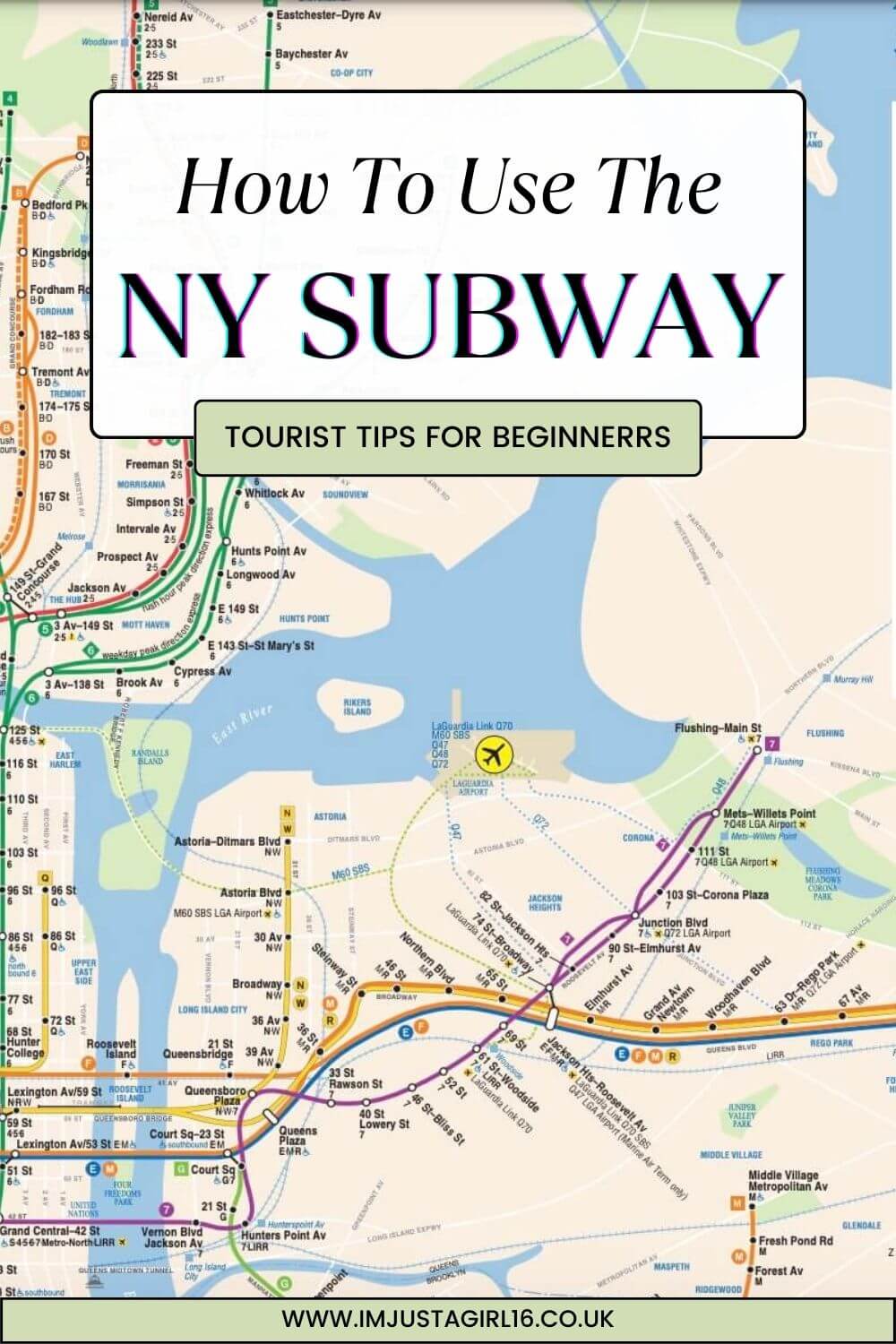
Understanding the Subway System: A Map to Your Journey
The New York City Subway is a complex yet remarkably comprehensive network. Its sheer scale can initially appear overwhelming, but a systematic approach to understanding its layout and operation will demystify the process. The key is to familiarize yourself with the core components: the map, the line designations, and the direction of travel.
Decoding the Subway Map
The MTA subway map is your most crucial tool. While it may look like a colorful tangle of lines, it’s designed to be navigable. The lines are color-coded, and each line is designated by a letter or a number. Understanding these designations is paramount. For instance, the 1 train runs north-south along the west side of Manhattan, while the 4, 5, and 6 trains serve the east side. Express and local trains are also indicated. Express trains skip many stations, making them faster for longer distances, while local trains stop at every station. Pay close attention to the map’s legend, which explains symbols for transfer points, accessibility, and other important information. You can find physical maps at most stations or access digital versions on your smartphone through the MTA website or various transit apps.
Navigating Lines and Directions
Each subway line operates in two directions: Uptown/Downtown in Manhattan, and Brooklyn-bound/Queens-bound/Bronx-bound in the outer boroughs. Stations are clearly marked with signs indicating the lines that serve them and the direction of travel. For example, if you are in Manhattan and need to go north, you will look for “Uptown” service. Conversely, if you are heading south, you will seek “Downtown” service. This directional signage is crucial to avoid boarding a train going in the opposite direction. When standing on the platform, look for signs above the tracks or on the platform walls that clearly state “Uptown & The Bronx” or “Downtown & Brooklyn.” Familiarizing yourself with the general orientation of New York City – the Empire State Building is downtown, while Central Park is uptown – can also be a helpful mental anchor.
Transferring Between Lines
The New York City Subway system is designed with numerous transfer points, allowing you to switch between lines without exiting and re-entering the paid area. These transfer stations are often larger and can be confusing, so pay close attention to signage within the station. Look for signs indicating “Transfer to [Line Name/Number]” or specific platform directions. Some transfers are direct, allowing you to walk from one platform to another. Others may require a longer walk through station corridors. Knowing your transfer points in advance, perhaps by consulting your map or a transit app, can save you time and confusion. Popular transfer hubs like Times Square-42nd Street and Grand Central-42nd Street are major arteries of the system and can be busy, so allow extra time when navigating them.
Fare Payment and Etiquette: Smooth Sailing on the Rails
Understanding how to pay for your ride and adhering to basic subway etiquette will ensure a pleasant experience for yourself and fellow passengers. The fare system is straightforward, and politeness goes a long way in a crowded urban environment.
Mastering the MetroCard and OMNY
Historically, the MetroCard has been the primary method of payment. You can purchase a MetroCard from vending machines in any subway station. These machines accept cash and credit/debit cards. You can load a pay-per-ride amount onto your card, or opt for unlimited ride options if you plan on frequent travel. Increasingly, New York City is transitioning to OMNY (One Metro New York), a contactless payment system. You can tap your contactless credit or debit card, smartphone, or wearable device directly at the turnstile. OMNY offers the same fare options as the MetroCard, including fare capping, where after a certain number of rides within a week, subsequent rides become free. Both MetroCard and OMNY are valid for subway and bus travel within the MTA system.

Understanding Fares and Passes
For occasional riders, the pay-per-ride option is most economical. You simply tap your MetroCard or OMNY device at the turnstile, and the fare is deducted. If you anticipate taking more than 11 rides in a seven-day period, consider an unlimited MetroCard or take advantage of OMNY’s fare capping, which automatically provides the best value. There are also weekly and monthly unlimited passes available for those planning extensive travel. Special fares may apply for children and seniors. It’s always a good idea to check the latest fare information on the MTA website before your trip.
Subway Etiquette: Being a Considerate Rider
The New York City Subway is a shared space, and practicing good etiquette enhances everyone’s experience. Here are some key points:
- Stand clear of the doors: When waiting for a train, step aside to allow passengers to exit before you attempt to board.
- Offer your seat: If you are able, offer your seat to seniors, pregnant individuals, or those with disabilities.
- Keep your bags on your lap or between your feet: Avoid taking up extra seats with your belongings, especially during peak hours.
- Keep the volume down: Be mindful of noise levels, whether it’s your conversation or your music. Use headphones if listening to audio.
- Don’t block pathways: Refrain from standing in the aisles or blocking the flow of traffic within the car.
- Dispose of trash properly: Keep stations and train cars clean by using designated trash receptacles.
- Be patient: During rush hour, trains can be crowded. Patience and courtesy are essential.
Planning Your Route and Maximizing Your Experience
Effective planning is the cornerstone of a stress-free subway experience. By leveraging available resources and understanding common travel patterns, you can optimize your journeys and discover more of New York City.
Utilizing Transit Apps and Online Resources
In today’s digital age, your smartphone is an indispensable tool for navigating the New York City Subway. Numerous transit apps, such as Citymapper, Google Maps, and the official MTA app, provide real-time train information, trip planning, and service alerts. These apps can tell you which train to take, how long your journey will be, and if there are any delays or disruptions. It’s highly recommended to download one of these before you embark on your travels. The MTA website also offers a wealth of information, including service status updates, maps, and fare details.
Understanding Peak vs. Off-Peak Travel
The New York City Subway operates 24 hours a day, but its character changes dramatically between peak and off-peak hours. Peak hours, typically weekday mornings (around 7-10 AM) and evenings (around 4-7 PM), see the busiest crowds. Trains will be packed, and platforms can be congested. If your schedule allows, traveling outside of these times can result in a more comfortable and less hurried journey. Off-peak hours, weekends, and late nights offer a more relaxed atmosphere. Be aware that late-night service may have reduced frequency and some lines may operate on a different schedule.
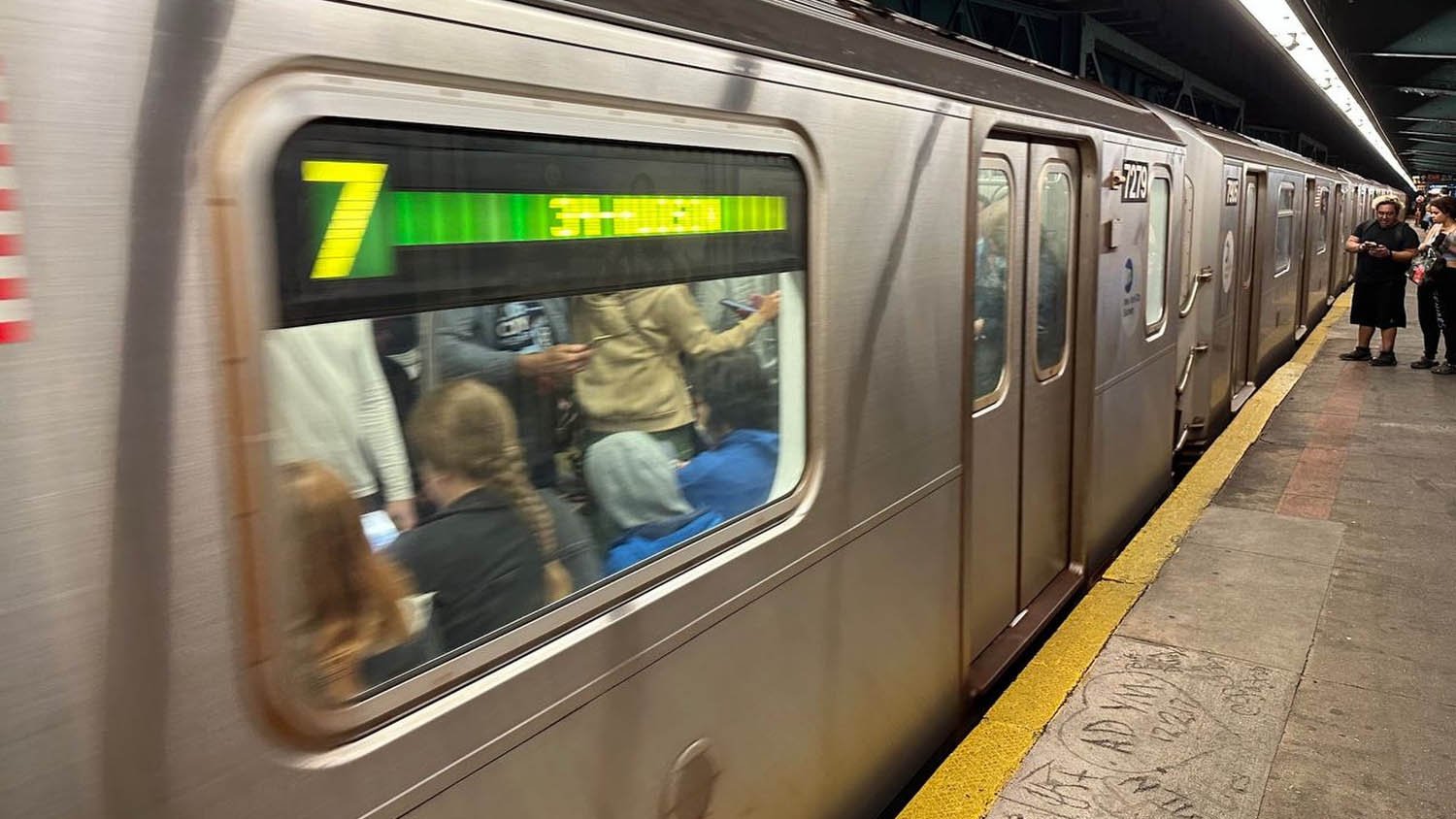
Safety and Accessibility Considerations
While the New York City Subway is generally safe, it’s always wise to be aware of your surroundings. Keep your belongings secure and be mindful of who is around you, especially on less crowded trains or late at night. The MTA is continually working to improve accessibility. Many stations are now equipped with elevators and ramps, and newer train cars are designed for easier boarding. The MTA website provides detailed information on accessible stations. If you have mobility challenges, it’s advisable to plan your routes in advance, confirming the accessibility of your chosen stations and transfer points.
By embracing the New York City Subway as an integral part of your urban exploration, you open up a world of possibilities. It’s more than just a mode of transport; it’s a quintessential New York experience that connects you to the rhythm and pulse of this extraordinary city. Happy travels!
LifeOutOfTheBox is a participant in the Amazon Services LLC Associates Program, an affiliate advertising program designed to provide a means for sites to earn advertising fees by advertising and linking to Amazon.com. Amazon, the Amazon logo, AmazonSupply, and the AmazonSupply logo are trademarks of Amazon.com, Inc. or its affiliates. As an Amazon Associate we earn affiliate commissions from qualifying purchases.