
Mastering the art of offset smoking is a culinary journey that transforms tough cuts of meat into tender, flavor-packed masterpieces. When you invest in an Oklahoma Joe, you are not just buying a grill; you are acquiring a piece of equipment rooted in the deep-seated barbecue traditions of the United States. Whether you are preparing for a backyard gathering in Texas or hosting an intimate dinner in Kansas City, the offset smoker offers an authentic experience that requires patience, technique, and a fundamental understanding of fire management.
Preparing Your Smoker for Success
Before you even think about the meat, your smoker requires proper preparation. If you have just unboxed a new unit, the most critical step is seasoning the steel. This process is non-negotiable for longevity and flavor.
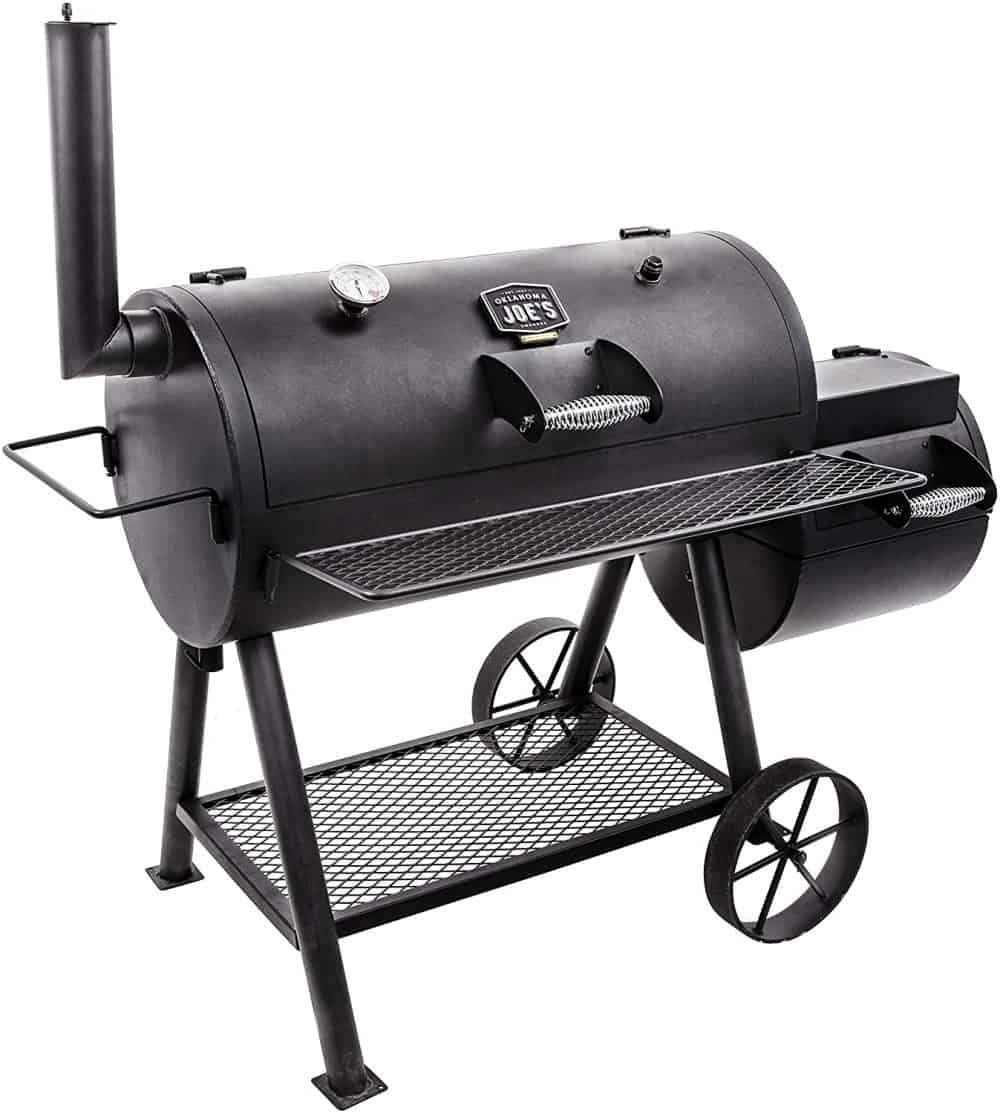
The Initial Seasoning Process
Seasoning involves coating the internal steel surfaces with a thin layer of oil and running the smoker at a high temperature. This creates a protective barrier that prevents rust and ensures that your food doesn’t pick up the metallic taste of raw steel. Simply wipe the interior grates and walls with a high-smoke-point oil, such as grapeseed or canola, and fire up the unit. Keep the firebox burning consistently for at least two to three hours. This “curing” process is what gives the interior that deep, seasoned patina essential for professional-level results.
Maintaining Your Equipment
An Oklahoma Joe requires regular maintenance. After every cook, ensure that you scrape the grates while they are still warm to remove charred residue. Periodically inspect the firebox and the chimney damper to ensure they move freely. A clean smoker provides better airflow, and in offset smoking, airflow is the difference between a clean, aromatic smoke and a bitter, creosote-heavy result.
The Science of Fire Management
The heartbeat of your Oklahoma Joe is the firebox. Unlike gas grills or pellet smokers, the offset smoker demands your active participation. You are the conductor of the fire, balancing fuel, oxygen, and heat.
Wood Selection and Preparation
The type of wood you choose dictates the profile of your barbecue. If you are smoking in the spirit of Memphis style ribs, you might lean toward hickory for its bold, pungent smoke. If you prefer a lighter, fruitier profile, apple or cherry wood is ideal. Always use seasoned, dry wood. Green wood contains too much moisture, which leads to white, billowy smoke that will turn your meat bitter. Keep your wood logs stored in a dry location, perhaps near the Ozark Mountains or your local equivalent, to ensure they remain ready for the firebox.
Controlling the Heat
The secret to a long, slow cook is the “coal bed.” Do not rely solely on new logs to maintain temperature. Instead, start your fire with charcoal to build a solid bed of hot, glowing coals. Once established, feed the fire with small, split pieces of seasoned hardwood. The air intake damper on the firebox and the chimney damper on the main chamber are your primary controls. Always keep the chimney damper fully open to allow for proper drafting. Use the firebox damper to regulate temperature—closing it slightly reduces airflow, which lowers the temperature, while opening it encourages a hotter, more vigorous burn.
Executing the Perfect Smoke

Once the smoker is hovering at your target temperature—typically between 225°F and 250°F—it is time to introduce the meat. This is where culinary craft meets local Southern traditions.
The Importance of the Smoke Ring
A hallmark of excellent barbecue is the “smoke ring,” a pink layer of meat just beneath the surface. This is a chemical reaction between the gases in the wood smoke and the myoglobin in the meat. To achieve this, ensure your meat is cold when it hits the grate. The temperature difference between the chilled meat and the hot smoker encourages the absorption of smoke and moisture, creating that signature aesthetic and flavor profile found in the best smokehouses from Georgia to Louisiana.
Managing Moisture and Timing
Barbecue is not a race; it is a marathon. Large cuts like brisket or pork shoulder will go through a “stall,” where the internal temperature stops rising as moisture evaporates from the surface. While some purists prefer to ride out the stall, wrapping your meat in butcher paper or foil—often called the “Texas Crutch”—can help push the meat through this phase, preserving tenderness and moisture. Remember to place a water pan inside the main chamber near the firebox inlet; the evaporating water provides humidity, which prevents the meat from drying out and helps attract smoke particles to the surface.
Understanding Flavor Profiles and Regional Influences
Part of the joy of using an Oklahoma Joe is experimenting with regional styles. The Southwest prefers different rub compositions than the Carolinas.
Customizing Your Rubs and Mops
Your rub serves as the foundation of your flavor. A classic dry rub—salt, pepper, garlic powder, and paprika—is versatile enough for most meats. However, if you are channeling the culinary history of New Orleans, you might incorporate bolder spices. A “mop” or spray, such as a mixture of apple cider vinegar and water, can be applied periodically to keep the bark from becoming too tough. Apply these sprays sparingly; opening the lid too often drops the temperature and ruins your rhythm.
The Resting Phase
The most common mistake amateur pitmasters make is cutting into the meat too soon. Once your internal temperature hits the target (around 195°F–205°F for brisket), remove the meat and let it rest. Wrap it in foil or butcher paper and place it in an insulated cooler. This resting period allows the muscle fibers to relax and reabsorb the rendered fats, ensuring every slice is succulent. Whether you are enjoying your meal under the sun in Florida or during a cozy autumn evening in Virginia, the rest is the final touch of the professional.

Troubleshooting Common Issues
Even the most experienced pitmasters run into challenges. Recognizing these early is the key to maintaining a high-quality standard.
- Bitter Bark: If your meat tastes acrid, your fire was likely “smoldering” rather than “burning.” Aim for thin, blue smoke. If you see thick, white smoke, open your dampers or add more oxygen to the fire.
- Temperature Swings: If the temperature is erratic, ensure you are not overloading the firebox with too much wood at once. Small, frequent additions are superior to one large log that causes a temperature spike followed by a crash.
- Dry Meat: If your meat is tough, you may have skipped the resting phase or cooked it at an inconsistent temperature for too long. Stick to a digital thermometer to track internal progress rather than relying on time alone.
By treating your Oklahoma Joe as a precision tool and respecting the variables of heat and smoke, you move beyond mere cooking into the realm of true pitmaster status. It is a slow, methodical process that rewards those who pay attention to the details, ensuring that every time you light the fire, you are creating a memorable experience for everyone at your table.
LifeOutOfTheBox is a participant in the Amazon Services LLC Associates Program, an affiliate advertising program designed to provide a means for sites to earn advertising fees by advertising and linking to Amazon.com. Amazon, the Amazon logo, AmazonSupply, and the AmazonSupply logo are trademarks of Amazon.com, Inc. or its affiliates. As an Amazon Associate we earn affiliate commissions from qualifying purchases.