
Navigating the New York City subway system is a rite of passage for every traveler. As the backbone of the United States most populous metropolis, the transit network is an intricate web of tracks, tunnels, and stations that can seem daunting at first glance. However, once you understand the rhythm of the rails, you will find that the subway is not only the most efficient way to travel across Manhattan, Brooklyn, Queens, and the Bronx, but it is also an essential part of the local experience.
Mastering the Fare System and OMNY
The days of hunting for a physical MetroCard at a vending machine are rapidly fading. Today, the Metropolitan Transportation Authority has streamlined entry with the OMNY (One Metro New York) system, making the subway more accessible than ever for visitors.
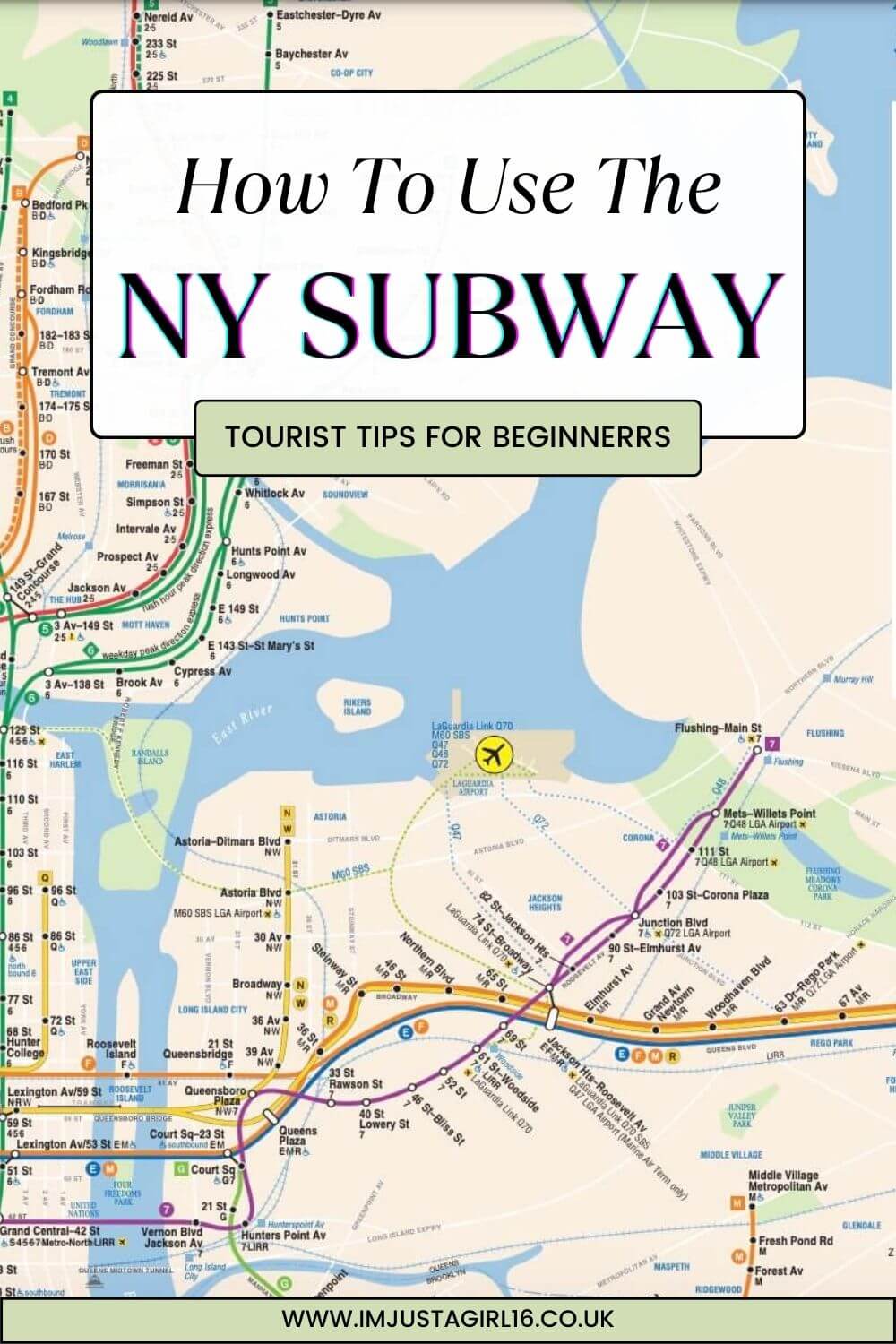
Contactless Payments
The most efficient way to pay for your fare is via contactless payment. You can simply tap your credit card, debit card, or mobile wallet—such as Apple Pay or Google Pay—directly at the turnstile reader. The system automatically calculates your fare and applies a “fare cap.” Once you have tapped 12 times within a seven-day period (starting Monday and ending Sunday), your subsequent rides for the rest of that week are free. This makes the subway incredibly budget-friendly for those planning to explore extensively.
Station Vending Machines
If you prefer not to use your personal bank card, you can still purchase an OMNY card at select retail locations or use the traditional vending machines to load funds onto a reusable card. For travelers coming from abroad or those who prefer to keep their travel budget separate, these machines remain a reliable, if slightly more cumbersome, option. Always ensure you have enough balance to cover your intended journey, as negative balances will prevent you from exiting or re-entering the system at your next stop.
Decoding the Subway Map and Navigation
The iconic, multi-colored subway map can look like a bowl of tangled spaghetti to the uninitiated. However, the system follows a logical structure once you learn how to read the codes.
Understanding Routes and Service
Subway lines are identified by letters (like the A, C, or E trains) or numbers (like the 1, 2, or 3 trains). The color of the line on the map generally indicates which trunk line they share in Midtown Manhattan. For example, the blue line represents the 8th Avenue line, while the red line indicates the Broadway-Seventh Avenue line. Always check for signs within the station that specify whether a train is “Local” (stops at every station on the line) or “Express” (skips smaller stops to save time).
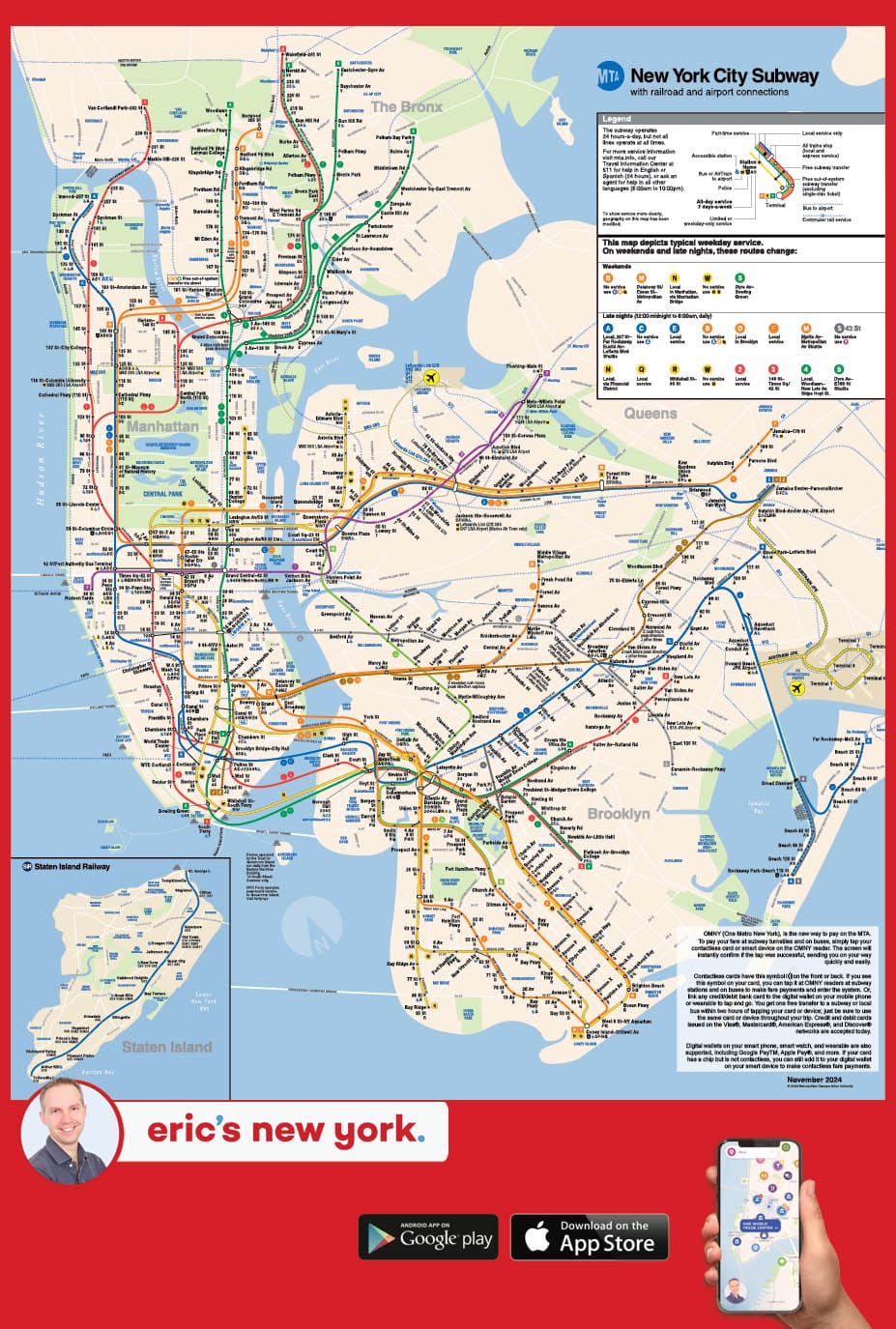
Navigating Uptown vs. Downtown
In New York, trains are almost always designated by their direction: “Uptown” (northbound toward the Bronx or upper Manhattan) or “Downtown” (southbound toward lower Manhattan or Brooklyn). Before you swipe your card, check the platform signage to ensure you are headed in the correct direction. If you accidentally end up on the wrong side of the tracks, do not panic; most stations have cross-overs or under-passes, though some older stations may require you to exit and re-enter at the street level.
Essential Tips for Subway Etiquette
The New York Subway is a high-speed environment where millions of people commute daily. Understanding local etiquette will help you blend in and ensure your trip is smooth and respectful.
Boarding and Alighting
The most critical rule of the subway is to allow passengers to exit the train before you attempt to board. Stand to the side of the doors as the train arrives. Once the doors open, wait for the flow of commuters to clear the car. When you enter, move toward the center of the car rather than standing in the doorway; this allows the maximum number of people to board and prevents the doors from being blocked, which can cause significant delays.
Spatial Awareness and Safety
During rush hour, cars can become incredibly crowded. Remove your backpack and place it between your feet to create more space for others. If you are standing, hold onto the poles or overhead straps firmly, as trains often jerk or stop abruptly. While the subway is generally safe, always remain aware of your surroundings, especially during late-night hours. Keep your belongings secure, and if you ever feel uncomfortable, move to a car with more people or one that is closer to the conductor’s area.
Planning Your Journey Like a Local
Whether you are heading to Central Park for a morning stroll or visiting the Empire State Building in the evening, careful planning is the key to minimizing transit stress.
Utilizing Digital Tools
While paper maps have a certain charm, digital navigation is far more effective for real-time adjustments. Apps like Google Maps, Citymapper, or the official MTA app are indispensable. They provide up-to-the-minute information on train delays, station closures, and line changes, which are common on weekends and late at night when the system undergoes maintenance. These tools will suggest the fastest routes and tell you exactly which exit to take when you reach your destination, saving you blocks of unnecessary walking.
Late Night Travel
The New York City subway is one of the few systems in the world that operates 24 hours a day. However, late-night service (typically between 12:00 AM and 5:00 AM) can be significantly slower, and some routes may operate differently. During these hours, trains run less frequently, and some express lines may stop at all local stations. If you are traveling at night, check the “Night Owl” service map or your transit app to ensure your route remains intact.
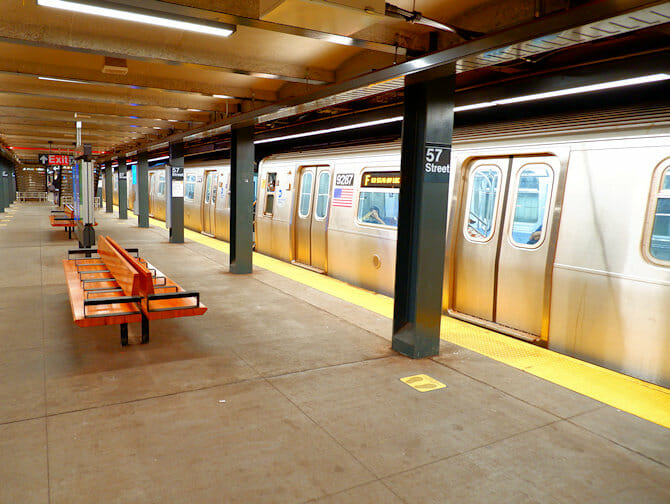
Exploring the Boroughs
Do not limit your travel to just the heart of Manhattan. The subway is your gateway to the diverse culture and architecture found throughout the outer boroughs. Take the F train to see the diverse food scene in Jackson Heights, hop on the Q train to explore the trendy neighborhoods of Williamsburg, or ride the 4 train to visit the New York Botanical Garden. By mastering the metro, you unlock the ability to traverse the vast expanse of the city with the ease and efficiency of a true New Yorker. Embrace the subway as a cultural experience—it is, after all, where the pulse of the city truly beats.
LifeOutOfTheBox is a participant in the Amazon Services LLC Associates Program, an affiliate advertising program designed to provide a means for sites to earn advertising fees by advertising and linking to Amazon.com. Amazon, the Amazon logo, AmazonSupply, and the AmazonSupply logo are trademarks of Amazon.com, Inc. or its affiliates. As an Amazon Associate we earn affiliate commissions from qualifying purchases.