
Texas, a state renowned for its vast landscapes, rich history, and vibrant culture, also presents a unique set of logistical considerations for its residents. Among these, understanding the intricacies of civic participation, particularly voting, is paramount. While many states have embraced universal mail-in voting, Texas maintains a more structured approach, offering absentee voting by mail under specific circumstances. For travelers, temporary residents, or those simply seeking convenience, navigating the process of voting by mail in the Lone Star State requires careful attention to eligibility, deadlines, and proper execution. This guide aims to demystify the absentee voting by mail process in Texas, ensuring every eligible Texan, regardless of their location or circumstances, can exercise their right to vote.

Understanding Absentee Voting by Mail in Texas
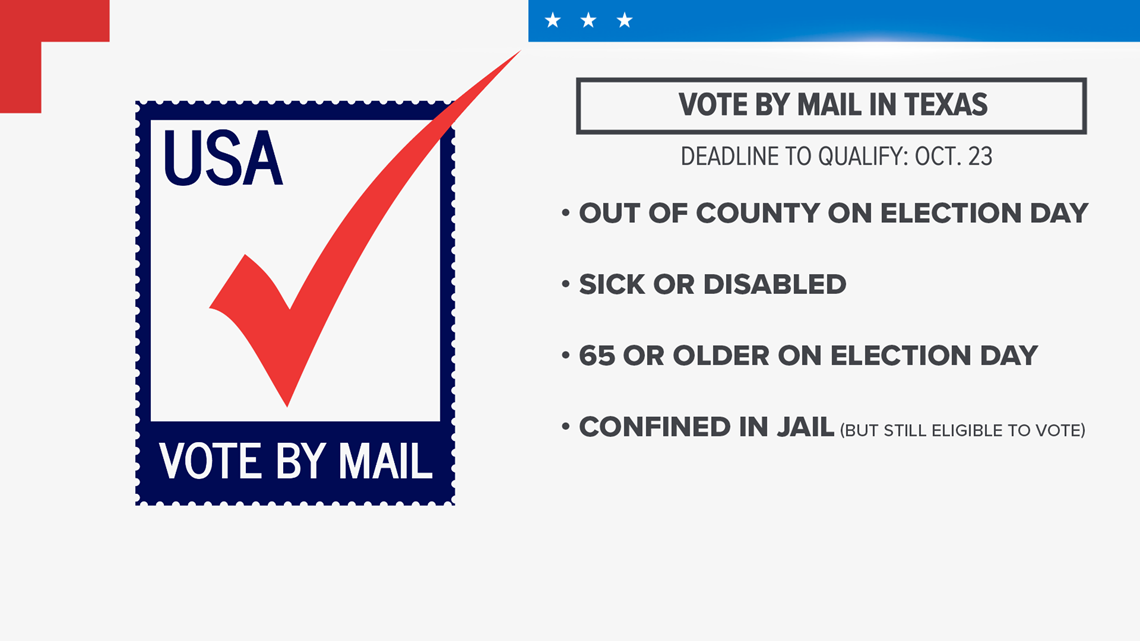
In Texas, the term “absentee voting” is used for voting by mail. This option is not universally available to all registered voters as it is in some other states. Instead, Texas law outlines specific, limited reasons for which a registered voter may cast a ballot by mail. Understanding these qualifying reasons is the crucial first step. The Texas Election Code permits voters to vote by mail if they meet one of the following criteria:
- Age 70 or older: This provision acknowledges the potential mobility challenges for older citizens, providing a convenient and accessible voting method.
- Disability: A voter is eligible if they have a sickness or physical disability that prevents them from appearing at their polling place on election day. This includes conditions that make it impossible or unreasonably difficult to travel to the polling place, or that would pose a significant risk to the voter’s health.
- Expected absence from the county on election day and during the period for early voting by personal appearance: This applies to individuals who will be out of their home county for the entirety of both the early voting period and on election day. This is particularly relevant for frequent travelers or those with business that takes them away from their registered county.
- Confinement in jail: Registered voters who are eligible to vote but are confined in jail, not convicted of a felony, are also permitted to vote by mail.
It is essential to note that “being away from home” is generally not sufficient cause unless it meets the specific criteria of being absent from the county during the entire early voting period and on election day. Furthermore, the application for a mail-in ballot must be received by the voter’s early voting clerk no later than the 11th day before the election.
The Application Process
The journey to voting by mail begins with a formal application. This application is not simply a request; it is a legally binding document that must be completed accurately and submitted within the stipulated timeframe.
Eligibility Verification
Before completing the application, a voter must confirm their eligibility based on the aforementioned criteria. Misrepresenting eligibility is a criminal offense. For those who qualify due to age or disability, the process is typically straightforward. For those expecting to be absent from their county, it’s crucial to be certain that their absence will indeed cover both the early voting period and election day.
Obtaining the Application
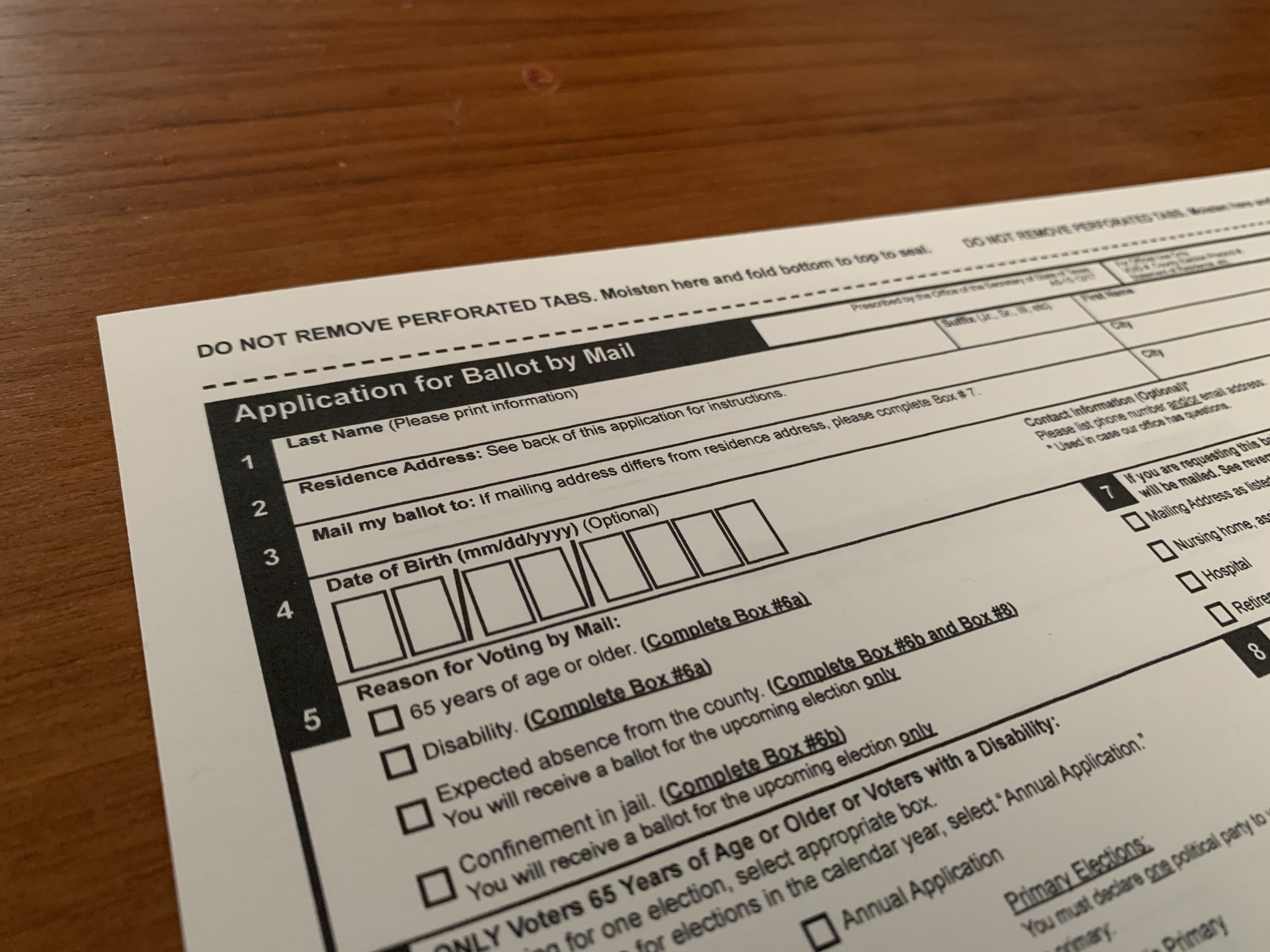
Applications for a ballot by mail can be obtained from several sources. The most reliable method is to download a printable PDF version directly from the Texas Secretary of State’s website or the website of your local county’s election office. Many county websites provide these forms in both English and Spanish. Alternatively, you can request an application by mail or in person from your local county early voting clerk’s office.
Completing the Application
The application form requires specific information, including:
- Voter’s Full Name: As it appears on your voter registration.
- Voter’s Date of Birth: To verify identity.
- Voter’s Texas Driver’s License Number or Texas Identification Certificate Number: If you have one. If not, you must provide the last four digits of your Social Security number.
- Voter’s Residential Address: The address where you are registered to vote.
- Reason for Voting by Mail: You must select the specific reason for your eligibility from the provided options.
- Mailing Address for the Ballot: Where you want the ballot to be sent. This must be a valid address where you can receive mail.
- Signature: The application must be signed by the voter.
Witness Requirement
For voters who are applying due to a disability, the application must be “witnessed“. This means another individual must be present when the voter signs the application and must also sign the application, attesting to having witnessed the voter’s signature. This witness cannot be a candidate for any office in the election. There are specific provisions for voters who cannot have their application witnessed due to their disability.
Submission Deadline
This is perhaps the most critical aspect of the application process. The completed application for a mail-in ballot must be received by the early voting clerk of the voter’s county of residence no later than the 11th day before the date of the election. Postmarks do not count; the application must be in the clerk’s possession by the deadline. It is highly advisable to submit applications well in advance of the deadline to account for potential postal delays.
The Ballot Return Process
Once you have successfully applied for and received your mail-in ballot, the next critical phase is its return. This process also has specific rules designed to ensure the integrity of the vote.
Completing Your Ballot
Your mail-in ballot will arrive with detailed instructions. It is imperative to read these instructions carefully and follow them precisely.
- Marking Your Choices: Use the provided pen or marker to fill in the ovals next to your chosen candidates or ballot propositions. Ensure your marks are clear and completely fill the oval.
- The Carrier Envelope: The ballot itself is placed inside a secrecy envelope, which is then placed into a larger carrier envelope. This carrier envelope is where your personal information and signature are required.
- Affidavit of Residence: The carrier envelope will contain an “Affidavit of Residence” section. You must complete this section truthfully and accurately. This typically includes your printed name, signature, and address. This affidavit is a sworn statement, and signing it falsely is a criminal offense.
The Witness Requirement for Ballot Return
Similar to the application, returning your ballot by mail also has specific witness requirements for certain voters.
- Voters with a Disability or Age 70+: If you are voting by mail due to a disability or because you are 70 years or older, your carrier envelope must be “witnessed” by another individual. This witness must be at least 18 years old and must sign the carrier envelope in the designated space, attesting that they saw you mark your ballot and that you signed the affidavit in their presence. The witness cannot be a candidate in the election.
- Voters Absent from the County: If you are voting by mail because you will be absent from your county on election day and during early voting, you do not need a witness to sign your carrier envelope. This distinction is important to avoid unnecessary complications.
Important Note: For voters who are confined in jail, there are specific rules regarding the witness requirement that should be consulted with the local election authority.
Returning Your Ballot
There are two primary methods for returning your completed mail-in ballot:
- By Mail: The most common method is to mail your ballot back to the early voting clerk’s office. Ensure that the carrier envelope is properly sealed and that all required signatures (including the witness, if applicable) are present. Mail it early to ensure it arrives by the deadline. The address will be provided on the ballot materials.
- In Person: You can also deliver your mail-in ballot in person to your local county’s early voting clerk’s office or to any polling place within your county on election day. Again, ensure the carrier envelope is properly sealed and signed. Some jurisdictions may have designated drop-off locations during the early voting period.
The Deadline for Return
The deadline for returning your mail-in ballot is crucial. For domestic voters (those within the United States), the ballot must be received by the early voting clerk no later than 7:00 p.m. on election day. For overseas and military voters, there are different deadlines and rules which are more accommodating. It is imperative to verify the exact deadline for your specific situation.
Navigating Potential Challenges and Ensuring a Smooth Process
Even with clear guidelines, voting by mail in Texas can sometimes present logistical hurdles. Being aware of these potential issues and taking proactive steps can ensure your vote is counted.
Common Pitfalls and How to Avoid Them
- Late Application: As mentioned, applications must be received by the deadline. Do not rely on postmarks. Submit your application weeks in advance if possible.
- Incomplete Application: Missing information, such as a missing signature or incorrect address, can lead to your application being rejected. Double-check every field before submitting.
- Incorrect Witness Signatures: If a witness is required, ensure they are eligible and that all necessary fields on the carrier envelope are completed correctly. A missing witness signature is a common reason for a ballot to be rejected.
- Ballot Return Errors: Failing to sign the affidavit of residence, or having an improperly witnessed ballot return, can result in the ballot not being counted. Review all instructions on the carrier envelope carefully before sealing and returning.
- Ballot Arriving After the Deadline: Even if your ballot was mailed on time, postal delays can cause it to arrive after the deadline. Hand-delivery to the early voting clerk’s office or a polling place on election day is a way to circumvent postal issues if you are cutting it close.
- Voter Registration Issues: Ensure your voter registration is active and current. If you have moved or changed your name, update your registration with the Texas Department of Public Safety and your local voter registrar.
Tracking Your Ballot
The Texas Secretary of State’s website offers a tool to track the status of your mail-in ballot application and your returned ballot. After you have submitted your application, you can check if it has been received and approved. Once you return your ballot, you can track its status to confirm it has been received by the early voting clerk. This provides peace of mind and allows you to address any potential issues promptly.
Seeking Assistance
If you have any questions or encounter difficulties during the voting by mail process, do not hesitate to contact your local county’s early voting clerk’s office. Their contact information is readily available on your county’s official website. They are the authoritative source for specific local procedures and can provide clarification on any part of the process. The Texas Secretary of State’s office also provides general information and resources for voters.
Voting by mail in Texas, while subject to specific eligibility requirements, offers a vital avenue for civic participation for many Texans. By understanding the regulations, meticulously completing the necessary forms, and adhering to the strict deadlines for both application and return, you can ensure your voice is heard in the electoral process, whether you are a seasoned resident of Dallas or a traveler exploring the beauty of the Texas Hill Country.
LifeOutOfTheBox is a participant in the Amazon Services LLC Associates Program, an affiliate advertising program designed to provide a means for sites to earn advertising fees by advertising and linking to Amazon.com. Amazon, the Amazon logo, AmazonSupply, and the AmazonSupply logo are trademarks of Amazon.com, Inc. or its affiliates. As an Amazon Associate we earn affiliate commissions from qualifying purchases.