
For many who explore the diverse landscapes and vibrant communities of Connecticut, the allure often extends beyond its picturesque coastlines, historic towns, and culinary delights. Whether you’re considering a permanent move, planning an extended stay, or simply delving deeper into the fabric of New England life, understanding the civic processes of the Nutmeg State offers a unique window into its local culture and governance. Voting is not merely a right but a cornerstone of community participation, reflecting the shared values and aspirations of its residents. As you immerse yourself in all that Connecticut has to offer, from the bustling streets of Hartford to the charming coastal villages, knowing how to exercise your democratic voice is an essential step towards truly embracing the Connecticut lifestyle. This comprehensive guide is designed to navigate the process of voting in Connecticut, ensuring that whether you’re a long-time resident or a new arrival, you have the information needed to make your voice heard.

Voter Registration: Your First Step Towards Civic Engagement
Before you can cast a ballot, the crucial initial step is voter registration. Connecticut prides itself on an accessible and straightforward registration process, designed to encourage broad participation. Understanding the requirements and available methods for registration is fundamental to becoming an active member of your adopted Connecticut community.
Eligibility Requirements: Who Can Vote in Connecticut?
To be eligible to vote in Connecticut, you must meet several key criteria. These are standard across the United States but bear repeating for clarity. Firstly, you must be a United States citizen. This foundational requirement ensures that civic participation is reserved for those who hold allegiance to the nation. Secondly, you must be at least 18 years of age by the date of the next election. Many states, including Connecticut, allow individuals to pre-register at 17, as long as they will turn 18 by Election Day. This encourages younger citizens to get involved early in the democratic process. Thirdly, you must be a bona fide resident of the town in Connecticut in which you wish to vote. This residency requirement ensures that you are voting on issues and for representatives that directly impact your local community. Lastly, you must not be currently incarcerated for a felony conviction. Once released from incarceration, your voting rights are automatically restored in Connecticut, a progressive stance compared to some other states. Understanding these stipulations is vital, as they form the bedrock of voter eligibility in the state.
How to Register: A Guide to the Process
Connecticut offers several convenient methods for voter registration, making it easy to sign up regardless of your schedule or preference.
-
Online Registration: For many, the simplest and most efficient method is online registration. The Connecticut Secretary of the State‘s website provides a user-friendly portal where you can register to vote or update your existing registration. This requires a valid Connecticut DMV driver’s license, learner’s permit, or non-driver ID card. This method is available 24/7, offering unparalleled convenience for those with busy lifestyles or who are new to the state and settling into their accommodation.
-
By Mail: You can also register by mail. A voter registration form can be downloaded from the Secretary of the State’s website or picked up at your local town clerk’s office, registrars of voters’ office, or public libraries. Once completed, the form can be mailed to your town’s registrars of voters. This option provides flexibility for those who prefer physical paperwork or may not have the necessary DMV identification for online registration.
-
In Person: For a more direct approach, you can register in person. This can be done at your town’s registrars of voters’ office, located in the town hall. Additionally, voter registration services are available at all Department of Motor Vehicles offices, offering a convenient way to register when obtaining or renewing a driver’s license or state ID. Public libraries, state agency offices that provide public assistance, and armed forces recruitment offices also serve as voter registration agencies. Registering in person allows you to ask questions and receive immediate assistance, which can be particularly helpful for new residents navigating the state’s systems.
-
Election Day Registration (EDR): Connecticut is one of the states that offers Election Day Registration. This means if you miss the regular registration deadline, you can still register and vote in person on Election Day at a designated EDR location in your town. This location is often separate from regular polling places, so it’s crucial to confirm its address with your town clerk or registrars of voters beforehand. EDR is an invaluable option, ensuring that even last-minute decisions to participate can be accommodated, aligning with a flexible lifestyle.
Deadlines: It’s important to be aware of registration deadlines. For general elections, the deadline for online and mail-in registration is typically the 7th day before an election. In-person registration at the registrars’ office usually closes on the 7th day before an election at 5 PM. Election Day Registration extends this opportunity right up to Election Day itself. Always double-check specific dates for each election cycle on the Secretary of the State’s official website.
Maintaining Your Registration: Keeping Your Information Current
Once you’re registered, it’s equally important to keep your voter registration information up-to-date. If you move within Connecticut, even to a different street in the same town, or change your name, you need to update your registration. This ensures you receive accurate voting information and are assigned to the correct polling place. You can update your information using the same methods as initial registration: online, by mail, or in person. Failing to update your address, for instance, could lead to delays or complications on Election Day. Regular maintenance of your voter profile is a simple civic responsibility that ensures a smooth voting experience, a small but significant detail when managing your lifestyle in Connecticut.
Casting Your Ballot: Methods and Options for Every Voter
Connecticut offers several avenues for casting your vote, recognizing the diverse needs and schedules of its residents. Whether you prefer the traditional experience of voting at your local polling place, the convenience of absentee voting, or the flexibility of early voting, the state ensures that every eligible citizen has a practical way to participate.
In-Person Voting: The Traditional Polling Place Experience
For many, the act of voting in person on Election Day is a time-honored tradition and a deeply communal experience. Connecticut polling places are typically located in schools, community centers, town halls, or even historic landmarks that serve as vital hubs within their respective towns.
-
Finding Your Polling Place: Your designated polling place is determined by your residential address. This information is usually sent to you via mail after registration, but you can always verify it using the online voter lookup tool on the Secretary of the State’s website or by contacting your local registrars of voters. Familiarizing yourself with your polling place in advance can be a pleasant part of exploring your new Connecticut neighborhood. Some polling places might even be located in architecturally significant buildings, offering a glimpse into the local history and civic pride. For instance, the historic Old State House in Hartford serves as a landmark, though not typically a polling place itself, it embodies the spirit of civic engagement in the state capital. Smaller town halls across Connecticut, some dating back centuries, often host polling stations, blending history with contemporary democracy.
-
What to Bring: While Connecticut does not strictly require photo ID to vote, it’s always advisable to bring some form of identification. This could be a driver’s license, a non-driver ID, a passport, or a utility bill with your name and address. If you don’t have ID, you may still be able to vote by signing an affidavit or by showing other forms of non-photo ID. The poll workers are there to assist you, and the process is designed to be welcoming and efficient.
-
The Voting Process: Upon arrival at your polling place, you will check in with poll workers who will verify your registration. You will then be directed to a voting booth where you can cast your ballot electronically or by marking a paper ballot, depending on the equipment used in your town. The atmosphere in polling places is generally calm and respectful, offering a unique local experience. If there are any issues with your registration, you may be offered a provisional ballot, which allows you to cast your vote while your eligibility is verified.
Absentee Voting: Convenience for Those Unable to Vote In Person
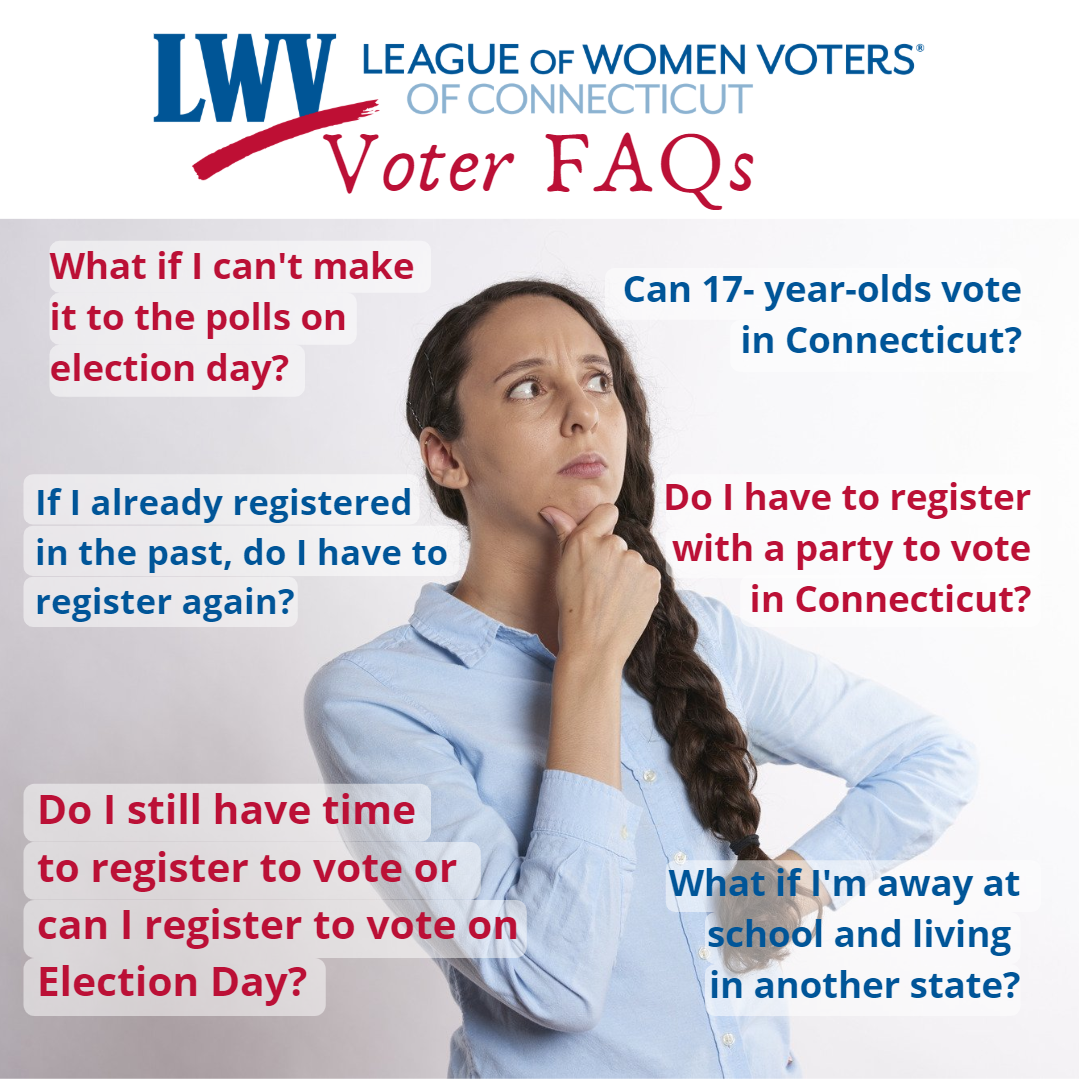
For residents who cannot make it to the polls on Election Day, Connecticut provides the option of absentee voting. This flexibility is particularly useful for students studying away from home, individuals traveling for business or leisure, or those with health concerns.
-
Eligibility for Absentee Ballot: To qualify for an absentee ballot, you must meet specific criteria outlined by state law. Common reasons include: active service in the U.S. armed forces; absence from your town during all voting hours; illness or physical disability; religious tenets forbidding secular activity on Election Day; duties as an election official at a different polling place; or if you are physically unable to appear at your designated polling place due to the COVID-19 pandemic (this reason has been expanded in recent years). This makes it a viable option for those on a business trip or enjoying an extended stay in a Connecticut resort.
-
How to Apply: To receive an absentee ballot, you must first complete an Absentee Ballot Application. These applications are available from your town clerk’s office or can be downloaded from the Secretary of the State’s website. The application must be filled out and submitted to your town clerk. You can return the application by mail, in person, or via an authorized delivery agent.
-
Receiving and Returning Your Ballot: Once your application is approved, your town clerk will mail you an absentee ballot. Carefully follow the instructions provided with the ballot, ensuring it is properly marked and sealed in the provided envelopes. You can return your completed ballot by mail or deliver it in person to the town clerk’s office or a designated ballot drop box. The ballot must be received by the close of the polls on Election Day. If you are staying at a New Haven hotel and realize you need to vote, or if your travel plans take you out of Bridgeport, the absentee ballot system ensures your civic duty isn’t overlooked.
Early Voting: A Recent Enhancement to Voter Access
Connecticut recently enacted legislation to allow early in-person voting, a significant expansion of voter access that brings the state in line with many others across the United States. This option provides additional flexibility, allowing registered voters to cast their ballots at designated locations prior to Election Day, without needing a specific excuse like absentee voting.
-
What is Early Voting? Early voting typically involves a period of several days or weeks leading up to Election Day where voters can visit an official early voting center in their town. These centers operate during specified hours, offering a convenient alternative to the single-day rush of Election Day. This new initiative addresses modern lifestyles, providing more opportunities to fit voting into busy schedules, much like how travelers might choose flexible check-in times at hotels.
-
Where and When: The specific locations and hours for early voting will be announced by the Secretary of the State’s office and local town clerks prior to each election. It’s crucial to check these official sources for the most up-to-date information, as the implementation of early voting is relatively new in Connecticut and details may evolve. This ensures that residents in cities like Stamford, Norwalk, or Middletown have ample opportunity to participate without strict time constraints.
-
Benefits: Early voting reduces lines on Election Day, provides a buffer for unforeseen circumstances, and allows voters more time to research candidates and issues before casting their ballot. It aligns with a modern lifestyle that values flexibility and convenience, making civic participation more accessible for everyone.
Understanding Connecticut’s Electoral Process
Beyond the mechanics of registration and ballot casting, a deeper understanding of Connecticut’s electoral process enriches the experience of civic engagement. Knowing what’s on the ballot and where to find reliable information empowers you to make informed decisions that shape the future of your Connecticut community and beyond.
Key Elections: What’s at Stake for Connecticut Residents
Connecticut voters participate in a variety of elections, each with different implications for local, state, and federal governance.
-
Federal Elections: Every two years, voters elect representatives to the U.S. House of Representatives. Every six years, Connecticut voters also elect U.S. Senators. These federal representatives play a critical role in national policy-making, impacting everything from the economy to environmental regulations, which in turn affect local tourism, business, and the cost of living. Every four years, Connecticut participates in the election of the President of the United States, casting their votes for presidential electors.
-
State Elections: Every four years, Connecticut elects its Governor, Lieutenant Governor, Secretary of the State, State Treasurer, State Comptroller, and Attorney General. These statewide offices are critical for the administration of state services and the implementation of state laws. Additionally, every two years, voters elect members to the Connecticut General Assembly, which comprises the State Senate and the House of Representatives. The General Assembly debates and passes legislation that directly affects daily life in Connecticut, from education funding to infrastructure projects impacting travel and local businesses.
-
Municipal Elections: These elections, typically held in odd-numbered years, are perhaps the most directly impactful on your immediate community. Voters elect mayors, first selectmen, town council members, boards of education, and other local officials. These individuals make decisions about zoning, local taxes, public services, and community development – all factors that significantly influence the quality of life and the character of a town, whether you’re seeking luxury accommodation or exploring local landmarks. Participating in municipal elections allows you to have a direct say in the future of your specific Connecticut neighborhood.

Voter Information Resources: Empowering Informed Decisions
Making an informed decision is a cornerstone of responsible citizenship. Fortunately, Connecticut provides a wealth of resources to help voters understand the candidates, issues, and ballot questions.
-
Secretary of the State’s Website: The official website of the Connecticut Secretary of the State is the primary hub for all voting-related information. Here, you can find details on election dates, voter registration, absentee voting, polling place lookups, and often, information on ballot questions and referenda. It’s an indispensable resource for anyone looking to engage with the state’s civic processes.
-
Local Registrars of Voters: Your town’s registrars of voters are local experts on elections. They can answer specific questions about registration, polling places, absentee ballots, and local election procedures. Their offices are typically located within the town hall and are an excellent resource for personalized assistance.
-
Non-Partisan Organizations: Various non-partisan organizations, such as the League of Women Voters of Connecticut, provide unbiased information on candidates, ballot initiatives, and voter education. These organizations often host candidate forums and publish voter guides that can be incredibly helpful in understanding the perspectives of those running for office.
-
News Media and Community Forums: Local and state news outlets, both traditional and online, provide extensive coverage of elections. Attending community forums, town hall meetings, or candidate debates can also offer direct insights into the issues and the individuals seeking to represent you. Engaging with these resources is part of truly understanding the local culture and political landscape of Connecticut.
Voting in Connecticut is more than just a civic duty; it’s an opportunity to actively shape the future of a state renowned for its blend of historic charm and modern dynamism. Whether you’re drawn by its vibrant cities, serene countryside, or rich history, participating in the democratic process allows you to contribute to the very community you’ve come to appreciate. From understanding the registration process to exploring the various methods of casting your ballot and staying informed about key elections, every step is a pathway to deeper engagement. Embrace this fundamental aspect of Connecticut life, and make your voice an integral part of its ongoing narrative.
LifeOutOfTheBox is a participant in the Amazon Services LLC Associates Program, an affiliate advertising program designed to provide a means for sites to earn advertising fees by advertising and linking to Amazon.com. Amazon, the Amazon logo, AmazonSupply, and the AmazonSupply logo are trademarks of Amazon.com, Inc. or its affiliates. As an Amazon Associate we earn affiliate commissions from qualifying purchases.