
For those who have chosen to make the enchanting Aloha State their home, or even for long-term visitors deeply invested in local life, understanding the civic process is a fundamental aspect of truly experiencing Hawaii. Beyond the pristine beaches and vibrant culture, democratic participation offers a unique avenue to contribute to the islands’ future and integrate more fully into the community fabric. This comprehensive guide demystifies the voting process in Hawaii, providing essential insights for every eligible resident. From registration to casting your ballot, we’ll navigate the distinct electoral landscape of this Pacific paradise, ensuring you’re well-equipped to exercise your civic right and play a part in shaping the destination you now call home.

Navigating Hawaii’s Unique Electoral Landscape
Hawaii stands out within the United States for its pioneering approach to elections, having adopted an all-mail voting system. This progressive method aims to enhance voter access and convenience, reflecting the islands’ commitment to accessible democracy. For residents, this means a significantly different experience compared to traditional polling place models found in many other states. Understanding this foundational difference is key to a smooth and effective voting process. The shift to all-mail ballots underscores a modern approach to civic engagement, inviting residents to participate from the comfort of their homes, a system particularly well-suited for the dispersed island communities.
The All-Mail Voting System Explained
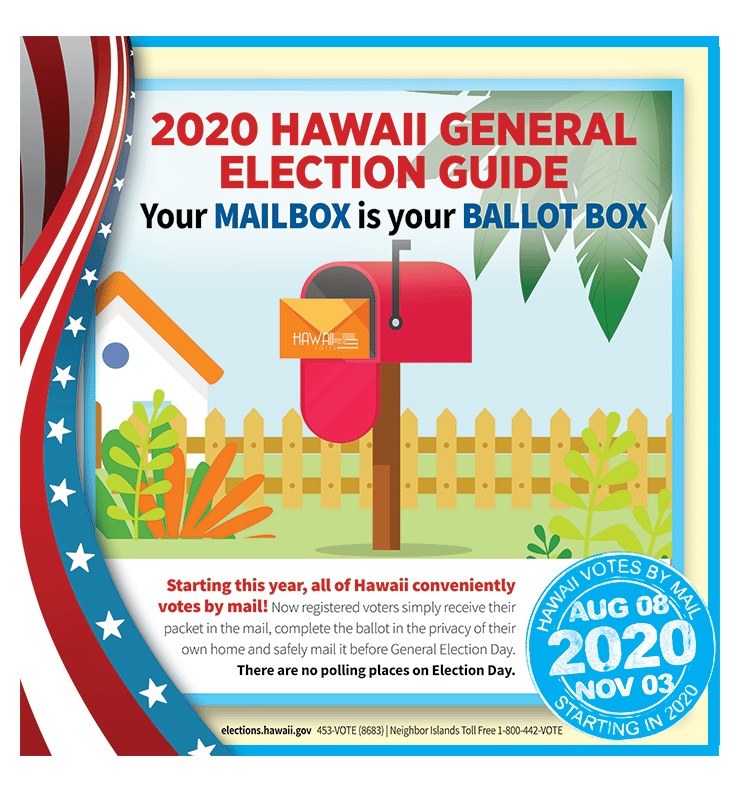
Since 2020, Hawaii has conducted all elections, including primaries, general elections, and any special elections, entirely by mail. This means that every registered voter automatically receives their ballot package in the mail several weeks before Election Day. There are no traditional polling places where voters go to cast their ballots on election day, though Voter Service Centers are available for those who need assistance, require a replacement ballot, or wish to register and vote in person. This system simplifies the process for many, eliminating the need to travel to a specific location, queue, or worry about working hours conflicting with voting schedules. The convenience of mailing back a completed ballot or dropping it off at a designated drop box has transformed the electoral experience, making it more flexible and accommodating for Hawaii‘s diverse population across its islands, from the bustling streets of Honolulu to the serene landscapes of Kauai and Maui.
Key Electoral Authorities
The electoral system in Hawaii is overseen by two primary entities. The statewide Office of Elections is responsible for administering elections across the state, ensuring uniformity and adherence to federal and state laws. They handle voter registration databases, design ballot forms, and certify election results. Alongside the state office, each county has its own County Election Divisions, which manage the day-to-day operations specific to their jurisdiction. These county divisions are crucial for voter outreach, establishing Voter Service Centers, and processing ballots locally. For instance, the City and County of Honolulu Elections Division handles all electoral matters for Oahu, while separate divisions serve Maui County (encompassing Maui, Molokai, and Lanai), Kauai County, and Hawaii Island (commonly known as the Big Island). These localized operations ensure that specific island needs and logistical challenges are addressed efficiently, making civic participation truly accessible no matter which island you call home.
Eligibility and Voter Registration: Your First Steps
Participating in Hawaii’s democratic process begins with ensuring you meet the eligibility requirements and, crucially, getting registered to vote. This is the foundational step that opens the door to receiving your ballot and having your voice heard in local, state, and federal elections. For new residents, understanding these requirements and the various registration avenues is paramount to seamlessly integrating into the civic life of the Aloha State. The state has made significant strides to simplify registration, offering multiple convenient options to ensure that every eligible citizen can participate.
Who Can Vote in Hawaii?
To be eligible to vote in Hawaii, you must meet several criteria:
- Citizenship: You must be a citizen of the United States.
- Residency: You must be a resident of Hawaii. This generally means you intend for Hawaii to be your permanent home.
- Age: You must be at least 18 years old by the date of the election.
- Felony Convictions: You must not be serving a felony sentence, including imprisonment or parole, for a felony conviction. Once your sentence is completed, your voting rights are automatically restored.
- Mental Incapacity: You must not have been determined by a court to be non compos mentis (mentally incapacitated).
These requirements align with broader federal standards while also reflecting state-specific provisions. Ensuring you meet all these criteria is the first hurdle in becoming an active participant in Hawaii’s electoral process, allowing you to influence policies that shape everything from environmental conservation to educational funding across the islands.
How to Register to Vote
Registering to vote in Hawaii is a straightforward process, designed to be as accessible as possible. Here are the primary methods:
Online Registration
The easiest and most convenient way to register is online through the Office of Elections website. You will need a valid Hawaii driver’s license or state ID card to complete the process. The online portal guides you through each step, ensuring accuracy and efficiency. This method is available 24/7, making it incredibly flexible for new residents establishing their roots on the islands.
Mail-In Registration
You can download a voter registration form from the Office of Elections website, print it, fill it out, and mail it to your County Election Divisions. Forms are also often available at post offices, libraries, and various government agencies throughout the state. This traditional method remains a reliable option for those who prefer physical paperwork or do not have the necessary Hawaii ID for online registration.
In-Person Registration
You can register in person at your respective County Election Divisions office. Additionally, many government agencies, such as the Department of Motor Vehicles (DMV) when applying for or renewing a driver’s license or state ID, offer voter registration services. This integrated approach ensures that civic engagement is considered during common administrative tasks, providing an opportunity to register without a separate trip.
Same Day Registration
Hawaii offers Same Day Registration, which is a game-changer for those who miss the registration deadline or recently moved. Eligible individuals can register and cast their ballot at any Voter Service Center during the early voting period and on Election Day. This invaluable option ensures that even last-minute residents or those new to the state can still participate in the current election, reinforcing Hawaii’s commitment to broad voter access. Always confirm the operating hours and locations of these centers with your specific County Election Divisions.
The Hawaii Voting Experience: All-Mail Elections in Practice
Once you’re registered, the actual act of voting in Hawaii is designed to be convenient and user-friendly, centered around its all-mail system. This method allows for a thoughtful and unhurried review of candidates and issues, encouraging informed decisions that reflect the diverse needs and values of the island communities. Understanding the timeline and options for returning your ballot is crucial to ensuring your vote counts. For residents new to this system, it represents a departure from the traditional precinct-based voting, offering a more flexible and often less stressful experience.
Receiving and Completing Your Ballot
Approximately three weeks before an election, every registered voter will receive their official ballot package in the mail. This package typically includes:
- The Ballot: Clearly listing all races and questions, often accompanied by instructions on how to mark your choices.
- Privacy Sleeve/Security Envelope: To ensure the confidentiality of your vote.
- Return Envelope: Pre-addressed and postage-paid, making it easy to send your ballot back.
- Voter Information Guide: Containing important details about candidates, ballot measures, and instructions on how to complete and return your ballot.
Carefully review the instructions provided with your ballot. It is essential to fill out your ballot correctly to ensure it is counted. Most importantly, remember to sign the voter affirmation statement on the return envelope. Your signature is a critical security measure used to verify your identity; a missing or mismatched signature can lead to your ballot being challenged or rejected. Take your time to research the candidates and issues, engaging with local news and community discussions to make informed choices. This reflective period at home is one of the key advantages of Hawaii’s all-mail system, fostering more deliberate voter engagement.
Returning Your Voted Ballot
You have several convenient options for returning your completed ballot:
By Mail
The simplest method is to use the provided postage-paid return envelope and drop it in any United States Postal Service mailbox. Be mindful of postal service cut-off times. Ballots must be received by the Office of Elections or your respective County Election Divisions by 7:00 PM on Election Day. While mailed ballots postmarked by Election Day are generally counted in some states, in Hawaii, it’s crucial that they are received by the deadline, not just postmarked. Therefore, it’s advisable to mail your ballot several days before Election Day to account for potential postal delays.
Drop Boxes
Throughout the early voting period and on Election Day, secure ballot drop boxes are strategically placed across all major islands, including Oahu, Maui, Kauai, and the Big Island. These official, tamper-proof boxes offer a reliable and convenient way to return your ballot without relying on the postal service. Locations are typically well-advertised by your County Election Divisions and are often found at government buildings, libraries, and other easily accessible community centers. This method ensures direct delivery to election officials, providing peace of mind for voters concerned about timely submission.
Voter Service Centers
For those who prefer to vote in person, need assistance, or require a replacement ballot, Voter Service Centers are available during specific hours in the days leading up to and including Election Day. These centers function as a limited alternative to traditional polling places. At a Voter Service Center, you can:
- Register to vote using Same Day Registration services.
- Request and receive a new ballot if yours was lost, damaged, or never received.
- Cast your ballot in person.
- Receive assistance from election officials with any questions or concerns about the voting process.
These centers are invaluable resources, particularly for new residents or those encountering issues with their mail-in ballot, ensuring that no eligible voter is disenfranchised due to logistical challenges. The locations and operating hours for Voter Service Centers are published by the Office of Elections and your specific County Election Divisions well in advance of each election.
Beyond the Ballot: Engaging in Hawaii’s Civic Life
Voting is a cornerstone of democratic participation, but it’s just one facet of engaging with the vibrant civic life of Hawaii. For residents deeply committed to their island communities, there are numerous ways to stay informed, advocate for causes, and contribute to the ongoing dialogue that shapes this unique destination. Embracing these opportunities enhances your personal experience of living in Hawaii, transforming it from merely a place of residence into a place where your voice truly matters.
Staying Informed and Engaged
Active civic participation requires continuous engagement and a commitment to staying informed. Hawaii’s local media, community forums, and government websites are excellent resources. Follow reputable local news outlets for updates on political developments, legislative actions, and community issues. Attend virtual or in-person community meetings, town halls, or neighborhood board sessions, which provide direct opportunities to hear from elected officials and voice your concerns. Organizations focused on environmental protection, cultural preservation, and social justice also offer avenues for engagement, providing platforms to connect with like-minded individuals and contribute to meaningful change. Understanding the nuances of Hawaii’s diverse political landscape, from the intricacies of land use regulations on Maui to the challenges of sustainable tourism on Oahu, enriches your understanding of this special place.
Volunteering and Advocacy
Beyond casting your vote, consider volunteering your time with non-profit organizations or political campaigns that align with your values. This hands-on involvement can range from helping with voter registration drives to advocating for specific policies that impact your local community on the Big Island or Kauai. Writing letters to the editor, contacting your elected officials, or participating in peaceful demonstrations are all legitimate and impactful forms of advocacy. Your active participation, no matter how small, adds to the collective effort of building a stronger, more resilient Hawaii for all its residents and future generations. Becoming a poll worker (or rather, a Voter Service Center assistant or ballot counter) is another direct way to contribute to the integrity of the electoral process and gain an insider’s perspective.
Voting in Hawaii is a privilege and a profound way to connect with the very essence of the Aloha State. The state’s innovative all-mail system, coupled with accessible registration options, ensures that exercising this right is as convenient as possible. By understanding the process, meeting eligibility requirements, and actively participating, residents can shape the future of these beloved islands, contributing to their unique culture and vibrant community. Engaging in the electoral process is more than just a civic duty; it’s an integral part of the experience of living in Hawaii, allowing you to leave your mark on the destination you cherish.
LifeOutOfTheBox is a participant in the Amazon Services LLC Associates Program, an affiliate advertising program designed to provide a means for sites to earn advertising fees by advertising and linking to Amazon.com. Amazon, the Amazon logo, AmazonSupply, and the AmazonSupply logo are trademarks of Amazon.com, Inc. or its affiliates. As an Amazon Associate we earn affiliate commissions from qualifying purchases.