
In an increasingly digital world, the concept of “online voting” frequently sparks curiosity, especially in a forward-thinking state like California. For travelers, digital nomads, and even long-term residents, understanding the nuances of civic participation can be as important as discovering the best local cuisine or securing the perfect accommodation. While the Golden State has embraced technology to streamline many aspects of life, from transportation to tourism, true “online voting” as in casting a ballot directly over the internet for all citizens remains a complex and largely unimplemented reality across the United States. However, California has significantly leveraged digital platforms to enhance voter accessibility and convenience, making the journey from registration to ballot submission smoother than ever.
This guide delves into what “voting online” truly means in California, clarifying the digital tools available, the eligibility requirements, and the various modern methods for casting your ballot. Whether you’re planning an extended stay in Los Angeles, exploring the vibrant culture of San Francisco, or settling down in Sacramento, knowing how to exercise your democratic right is a vital part of engaging with the local lifestyle.
Decoding “Online Voting” in California: Digital Convenience, Not Direct Digital Ballots
The idea of voting from your laptop or smartphone while sipping coffee at a café in Santa Monica or enjoying a panoramic view from a San Diego resort is certainly appealing. However, the term “online voting” in California is generally a misnomer when it comes to the actual act of casting your vote. The state prioritizes the security and integrity of elections, which currently means avoiding fully internet-based voting systems due to cybersecurity concerns. Instead, California’s approach to digital convenience focuses on two primary areas: online voter registration and electronic access to ballots for specific voter groups.
Online Voter Registration: Your Digital Gateway to Civic Participation
One of the most significant strides California has made in modernizing its electoral process is offering robust online voter registration. This system allows eligible citizens to register to vote, or update their existing registration, quickly and conveniently from any internet-connected device. This is a game-changer for new residents, those who have moved within the state, or anyone who simply prefers digital processes.
To register online, individuals can visit the official California Secretary of State website. The process is straightforward, requiring basic personal information such as name, address, date of birth, and driver’s license or California ID number. If you don’t have these, you can still register, but you’ll need to provide the last four digits of your Social Security number. The system is designed to be user-friendly, guiding you through each step. This digital convenience means you don’t have to seek out a physical registration form or stand in line, allowing you more time to explore California’s myriad destinations or enjoy your chosen hotel amenities.
Furthermore, California implements “Same Day Voter Registration,” also known as Conditional Voter Registration (CVR). This allows individuals to register and cast a provisional ballot at their County Elections Office or at a polling place on Election Day itself. While not fully “online,” the ability to check registration status and initiate the process online greatly simplifies this last-minute option. Many also find that their interaction with the Department of Motor Vehicles (DMV) automatically integrates with voter registration, known as “Motor Voter,” further streamlining the process. This initiative ensures that updating your driver’s license or ID often comes with the opportunity to register to vote or update your registration, making it incredibly convenient for busy individuals.
Digital Ballot Access for Specific Voter Groups
While the general populace does not cast ballots directly online, California does provide electronic ballot access for certain groups, primarily to accommodate individuals who might face significant challenges receiving or returning a physical ballot in a timely manner. These include:
- Military and Overseas Voters: Under the Uniformed and Overseas Citizens Absentee Voting Act (UOCAVA), US citizens serving in the military or residing abroad can register and request their ballots electronically. They can often download, print, mark, and then return their ballots via mail, fax, or sometimes even email, depending on the specific county and election. The Federal Voting Assistance Program (FVAP) provides extensive resources for these voters, ensuring that their civic duty remains accessible regardless of their global location, which is particularly relevant for those with dynamic travel schedules or long-term international stays.
- Voters with Disabilities: California also strives to make voting accessible for individuals with disabilities. Voters with specific needs can often access an accessible vote-by-mail system. This allows them to mark their ballots electronically using assistive technology, then print and return the physical ballot to their County Elections Office. While the ballot still needs to be physically returned, the digital marking process significantly enhances independence and convenience for these voters.
It is crucial to remember that even in these cases, the final step usually involves printing a physical ballot and returning it through a secure, verifiable method, typically by mail or drop box. The internet primarily serves as a delivery mechanism for the blank ballot, not the casting of the vote itself.
Eligibility and Ensuring Your Right to Vote in California
Before you can even consider the “how” of voting, understanding the “who” is paramount. California’s eligibility criteria are consistent with most US states, designed to ensure broad participation while maintaining electoral integrity. For anyone considering a move to California, whether for work, lifestyle changes, or simply an extended vacation, these requirements are essential knowledge.
To be eligible to vote in California, you must meet the following criteria:
- US Citizen: You must be a citizen of the United States.
- California Resident: You must be a resident of California. This is a critical point for travelers or those with multiple residences. Your primary residence, or where you intend to return, is generally considered your voting residence.
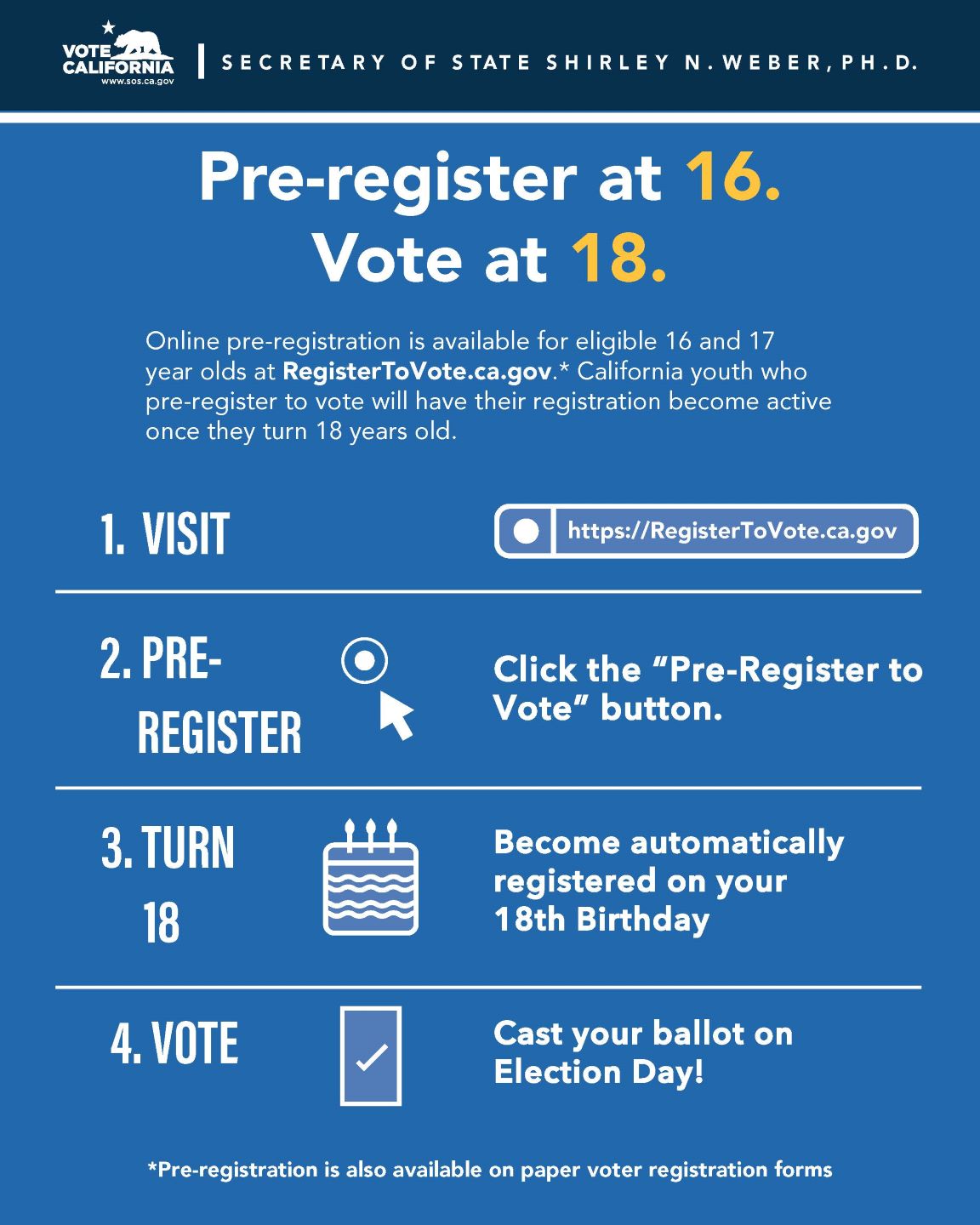
- Age Requirement: You must be at least 18 years old on or before Election Day. In California, 16- and 17-year-olds can pre-register to vote, and their registration becomes active once they turn 18.
- Felony Convictions: You cannot be currently serving a state or federal prison term for the conviction of a felony. Individuals on parole or probation for a felony are generally eligible to vote in California, a progressive stance compared to some other states.
- Mental Competency: You must not currently be found by a court to be mentally incompetent to vote.
For those whose lifestyle involves frequent travel or living across different states, clarifying your residency is key. If California is your primary home, even if you are temporarily away for work or leisure, you generally maintain your right to vote there. Keeping your voter registration updated with your current California address is vital, which can easily be done through the online registration portal.
Residency and Registration Deadlines
Understanding deadlines is just as crucial as understanding eligibility. California has a standard registration deadline of 15 days before an election. This cutoff allows election officials ample time to process registrations and mail out ballots. However, as mentioned earlier, the state’s Conditional Voter Registration (Same Day Voter Registration) provides a safety net for those who miss the deadline, allowing them to register and vote provisionally in person up to and including Election Day.
It’s always recommended to register or update your registration well in advance of any election. The Secretary of State’s website offers tools to check your registration status, find your polling place, and see what’s on your ballot, providing comprehensive digital support for informed civic engagement.

Casting Your Ballot: Modern Options Beyond Traditional Polls
While direct “online voting” is not yet standard, California has revolutionized how most citizens actually cast their votes, moving far beyond the traditional Election Day visit to a local polling booth. This shift towards widespread mail-in ballots and accessible drop-off options significantly enhances convenience, particularly for individuals with busy schedules, those away for travel, or anyone preferring the comfort of their home. This modern approach aligns perfectly with a flexible lifestyle, ensuring that civic duties don’t disrupt your plans to explore California’s majestic landmarks or enjoy its diverse cultural experiences.
The Ubiquitous Mail-In Ballot: California’s Default Voting Method
For most elections, California now automatically sends a vote-by-mail ballot to every registered voter. This means that if you’re registered, your ballot will arrive directly at your registered address, typically a few weeks before Election Day. This “universal vote-by-mail” system has dramatically changed the voting landscape, making it incredibly accessible.
How it works:
- Receive Your Ballot: Your official ballot package will arrive in the mail. It includes the ballot itself, an instruction sheet, and a pre-paid return envelope.
- Mark Your Choices: Take your time to research candidates and propositions, then mark your choices on the ballot. This can be done from the comfort of your home, a hotel suite, or anywhere you have privacy.
- Sign and Seal: This is perhaps the most critical step. You must sign the voter’s declaration on the outside of the return envelope. Your signature is compared against the one on file with the DMV or your voter registration to verify your identity. If the signatures don’t match, your ballot could be challenged or rejected, so ensure your signature is consistent.
- Return Your Ballot: You have several convenient options for returning your completed ballot:
- U.S. Postal Service: Simply place it in any mailbox. Ballots must be postmarked on or before Election Day and received by election officials within 7 days of Election Day.
- Official Drop Boxes: California counties provide numerous secure drop boxes, often available 24/7, leading up to Election Day. These are usually clearly marked and located in public places, making them a popular and convenient option for many.
- Polling Places/Vote Centers: You can also drop off your completed mail-in ballot at any polling place or vote center in your county on Election Day.
The widespread adoption of vote-by-mail means that the need for “online voting” in the traditional sense is lessened for many voters, as the convenience factor of receiving and returning a ballot from home is already very high. This system is particularly beneficial for those who may be away from their registered residence for travel or work, allowing them to complete their civic duty without needing to physically visit a polling station.
Secure Drop Boxes and Early Voting Centers: Enhancing Flexibility
Beyond the mail, California also provides extensive networks of secure drop boxes and early voting centers to offer maximum flexibility.
- Official Drop Boxes: These robust, secure containers are a staple of California elections. They are typically available for weeks leading up to and including Election Day, providing a convenient alternative to mailing your ballot. The locations of these drop boxes are easily found on your County Elections Office website, and often via the Secretary of State’s online tools. This option is ideal for those who prefer to physically hand over their ballot but don’t want to deal with postal services or visit a polling place on a specific day.
- Early Voting Centers/Vote Centers: Many California counties now utilize “Vote Centers” instead of traditional precinct-based polling places. These centers open several days before Election Day and allow any registered voter in the county to cast a ballot in person, regardless of their specific precinct. At a Vote Center, you can register to vote (Conditional Voter Registration), update your registration, receive a ballot, and cast it, all in one location. They offer full services, including language assistance and accessible voting machines. This extended window for in-person voting provides immense flexibility for people with demanding schedules, allowing them to vote at a time that suits their lifestyle, much like how a modern resort offers flexible check-in and check-out options.
These modern voting methods reflect a broader effort to ensure that participation in democracy is as accessible and convenient as possible, fitting into the dynamic lives of California’s residents and temporary inhabitants.
Security, Accessibility, and the Future of Voting in California
The integrity of the democratic process is paramount, and California takes extensive measures to ensure that every vote is cast securely and accurately counted. While the allure of instant “online voting” remains, the security challenges associated with it—such as potential cyberattacks, identity fraud, and lack of a verifiable paper trail—are significant hurdles that the state, and indeed the entire US, continues to grapple with. California’s current system, therefore, balances digital convenience with robust security protocols.
Safeguarding Your Vote: Verification and Transparency
California’s multi-layered security approach to voting, particularly with vote-by-mail, is designed to instill confidence.
- Signature Verification: As highlighted earlier, signature verification is a cornerstone of vote-by-mail security. When you return your ballot, your signature on the envelope is meticulously compared against the signature on your voter registration record (often from your DMV file). If there’s a significant discrepancy, election officials will contact you to “cure” or resolve the issue, giving you an opportunity to verify your signature.
- Ballot Tracking: Many counties offer online tools that allow voters to track their mail-in ballot, much like tracking a package. You can see when your ballot was mailed, when it was received by the County Elections Office, and whether it was counted. This transparency provides peace of mind and accountability.
- Audits and Post-Election Reviews: After every election, California conducts robust post-election audits, including manual tallies of ballots in randomly selected precincts or races, to verify the accuracy of the machine counts. These audits are a critical safeguard against errors or malicious manipulation.
- Physical Security: Drop boxes are designed to be tamper-proof and are regularly emptied by election officials. Polling places and vote centers are secured environments with trained staff and strict protocols.
While the temptation of fully “online voting” for everyone persists, California maintains a cautious stance, prioritizing the verifiable, auditable nature of physical ballots. The current system offers a practical balance: leveraging digital tools for registration and information, while relying on physical ballots and established security measures for the actual act of voting.

The Future of Voting: Continuous Innovation
The conversation around how technology can further enhance democratic participation is ongoing. While true internet voting for all remains a distant prospect due to security concerns, California continues to explore and implement technological advancements that improve accessibility and efficiency. This could include:
- Enhanced Digital Information: More sophisticated online portals for voter education, ballot proposition analysis, and candidate information.
- Streamlined Accessible Voting Systems: Further refinement of electronic ballot marking devices and remote accessible vote-by-mail systems for voters with disabilities.
- Pilot Programs: Potential limited pilot programs for specific forms of secure online voting for very particular, high-risk groups (e.g., military in hostile zones) in the far future, with extremely robust security measures.
For those embracing the California lifestyle, whether as a fleeting visitor, a new resident, or a long-term member of the community, understanding these systems is key. The state’s commitment to voter access and election integrity ensures that participating in democracy is a straightforward and secure process, even if it doesn’t quite match the futuristic vision of full “online voting.” By utilizing the available online registration tools, familiarizing yourself with vote-by-mail options, and understanding the security protocols, you can confidently cast your ballot and contribute to the vibrant future of California. This civic engagement is, after all, an integral part of living a full and responsible life, complementing the rich travel and lifestyle experiences the state has to offer.