
The TCS New York City Marathon is more than just a race; it’s a vibrant spectacle that transforms the streets of New York City into a ribbon of human endeavor. For spectators, experiencing this iconic event live is an unforgettable adventure. This guide is designed to help you navigate the logistics and maximize your enjoyment as you cheer on thousands of runners on their epic journey from Staten Island to Central Park.
Planning Your Spectator Experience
Attending the New York City Marathon requires foresight, especially if you’re coming from out of town. The sheer scale of the event means careful planning can make the difference between a stress-free day of cheering and a frustrating experience.

Choosing Your Viewing Location
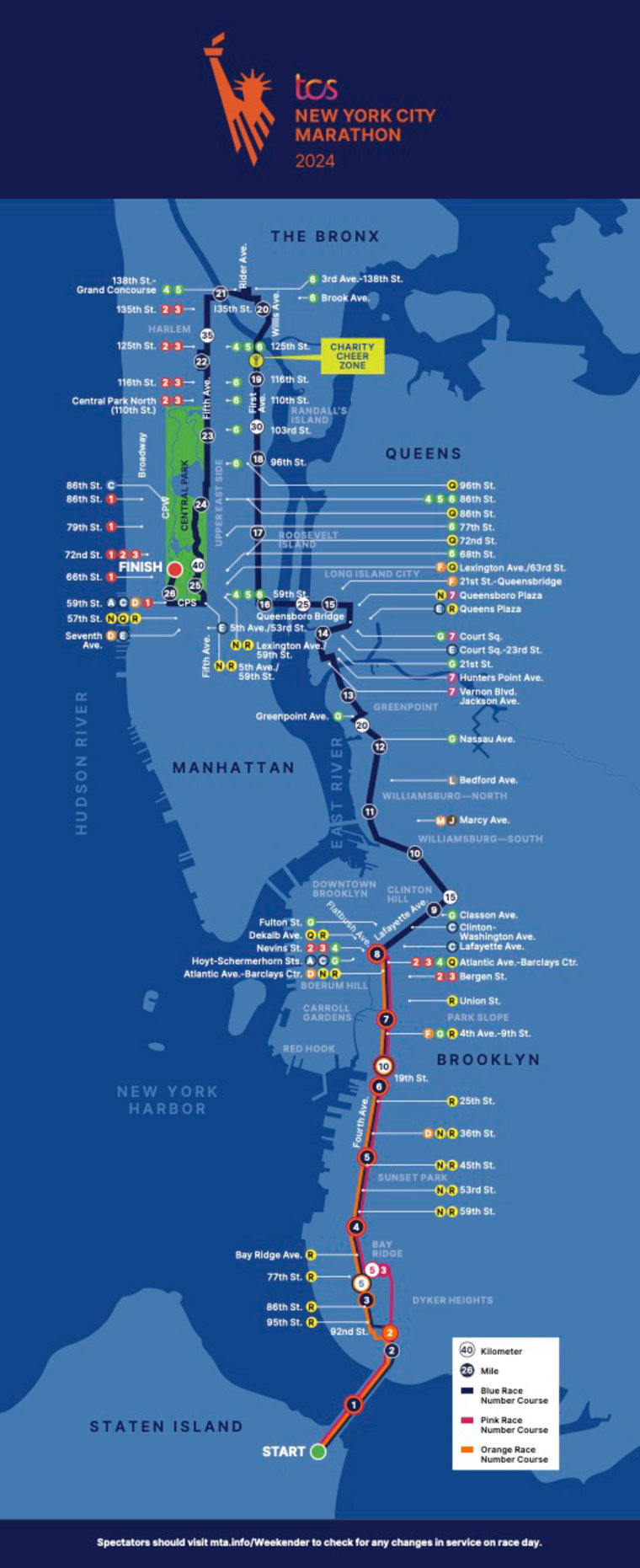
The marathon route spans all five boroughs, offering diverse viewing opportunities. Each location presents a unique atmosphere and set of logistical considerations.
Staten Island (Miles 1-2)
The starting festivities on Staten Island are a spectacle in themselves, with runners gathering on the Verrazzano-Narrows Bridge. However, spectator access to the actual start line is highly restricted. The best way to experience the early miles is from the Brooklyn side, immediately after runners descend the bridge. Areas like Bay Ridge offer a palpable sense of excitement as the race officially kicks off.
Brooklyn (Miles 2-13)
Brooklyn is where the marathon truly comes alive for spectators. The long stretch through neighborhoods like Sunset Park, Park Slope, and Fort Greene buzzes with energy. These areas boast enthusiastic crowds, street performers, and local businesses offering refreshments. Brownstone-lined streets provide a picturesque backdrop, and the relatively flat terrain makes it easy to navigate between different cheering spots. Consider areas with ample sidewalk space and easy access to public transportation.
Queens (Miles 13-19)
The Queensboro Bridge crossing marks a significant point in the marathon, often referred to as the “halfway point.” Spectators can line the streets of Long Island City as runners emerge from the bridge into Manhattan. While this section can be incredibly emotional as runners conquer the bridge, it can also be congested. Further into Queens, neighborhoods like Astoria and Maspeth offer more local flair and less overwhelming crowds than some of Manhattan’s prime spots.
First Avenue, Manhattan (Miles 16-18)
First Avenue in Manhattan is perhaps the most famous and electric stretch of the marathon. As runners enter Manhattan after crossing the Queensboro Bridge, they are met with an overwhelming wall of sound and energy from an immense crowd. This is a bucket-list location for many spectators, but it comes with significant crowd management and accessibility challenges. Arrive very early if you aim for a prime spot here.
The Bronx (Mile 20)
The brief foray into The Bronx at mile 20 is a unique experience. While shorter than other borough sections, the community here turns out in force, offering a distinct and heartfelt reception for the runners as they approach the final miles. The atmosphere here is often described as deeply supportive and intimate.
Central Park South and Fifth Avenue (Miles 24-25)
The final miles through Central Park offer a dramatic conclusion. Spectators can line Fifth Avenue just north of the park, or find spots along the park’s perimeter as runners make their way towards the finish line. The crowds here are dense, and securing a good vantage point requires patience and an early arrival.
The Finish Line (Central Park)
The finish line area itself is for participants and their guests only. However, the energy in the surrounding areas of Central Park is infectious. Families and friends gather in designated zones outside the finish chute to await their runners.
Transportation and Logistics
Navigating New York City on marathon day can be challenging due to road closures. Understanding the public transportation system is key.
Subway System
The MTA Subway is your best friend. Many stations remain operational, allowing you to travel between boroughs and access different parts of the course. Plan your routes in advance using the MTA website or apps, and be prepared for crowded trains and potential service changes. Familiarize yourself with the lines that run near your chosen viewing spots.
Walking and Biking
Between accessible subway stations and your desired viewing location, expect to do a significant amount of walking. In some areas, especially within Brooklyn or between adjacent neighborhoods, biking might be an option, though bike lanes can also be affected by closures.
Ride-Sharing and Taxis
While taxis and ride-sharing services are generally available, they will be severely impacted by road closures and increased demand. They are often not a practical option for reaching specific points along the marathon course on race day.
Prohibited Items
Be aware of any prohibited items for spectators, particularly near restricted areas. These typically include large bags, backpacks, and alcohol.
What to Bring
A well-prepared spectator is a happy spectator.
Essentials
- Comfortable Shoes: You’ll be doing a lot of walking and standing.
- Layers of Clothing: New York in early November can be unpredictable. Be prepared for cool mornings and potentially warmer afternoons.
- Water and Snacks: While vendors are present, bringing your own can save time and money.
- Portable Charger: You’ll be using your phone for navigation, photos, and communication.
- Small Bag: To carry your essentials.
For Cheering
- Homemade Signs: Show your support with personalized messages. Get creative!
- Cowbells and Noise Makers: Amplify the cheers and energize the runners.
- Flags: Represent your country, state, or favorite runner.
Maximizing the Spectator Experience
Beyond simply finding a spot, there are ways to elevate your marathon-watching experience into a memorable event.
Engaging with the Event
- Know the Runners: If you’re cheering for a specific runner, know their race bib number. This makes it easier to spot them in the crowds. Many race apps allow you to track runners in real-time.
- Research Elite Runners: Follow the professional race beforehand. Knowing the top contenders can add an extra layer of excitement as you watch them fly past.
- Embrace the Local Culture: Each neighborhood along the route has its own unique vibe. Engage with the local spectators, enjoy the street art, and soak in the community spirit.
Food and Drink Options
New York City is a culinary capital, and marathon day offers a chance to sample diverse offerings.
Along the Route
Many local businesses along the marathon route set up stands or offer special menus. From bagels and coffee in Brooklyn to diverse international cuisines in Queens, there’s something for every palate. Be prepared for lines, especially at popular spots.
Designated Spectator Areas
Some areas may have designated food vendors or concessions. However, it’s often more authentic and rewarding to explore the local eateries.
Post-Marathon Celebrations
After the race, many restaurants and bars in areas surrounding Central Park, particularly on the Upper East Side and Upper West Side, offer post-race specials. This is also a great time to connect with other spectators and runners.
Creating Lasting Memories
- Capture the Moments: Take photos and videos, but remember to be present and enjoy the atmosphere.
- Plan a Reunion Spot: If you’re attending with a group, designate a clear meeting point away from the immediate finish line area, as it can be chaotic.
- Celebrate the Accomplishment: Congratulate runners as they finish, even strangers. The spirit of camaraderie is palpable.
Beyond the Race: Exploring New York City
While the marathon is the main attraction, your visit to New York City can extend to exploring its world-renowned landmarks and attractions.
Iconic Landmarks
- Statue of Liberty and Ellis Island: A quintessential New York experience.
- Times Square: The dazzling heart of Manhattan.
- Empire State Building: Offers breathtaking panoramic views of the city.
- Central Park: A vast urban oasis that hosts the marathon finish. Explore its many paths, lakes, and attractions.
- Museum Mile: Home to world-class institutions like the Metropolitan Museum of Art and the Guggenheim Museum.
Cultural Experiences
- Broadway Shows: Experience the magic of live theater in the Theater District.
- Neighborhood Exploration: Wander through diverse neighborhoods like Greenwich Village, SoHo, or Chinatown to experience different facets of the city’s culture.
- Food Tours: Immerse yourself in New York’s culinary scene with guided food tours.

Accommodation and Travel Tips
When planning your trip, consider booking accommodation in advance, as hotels fill up quickly around the marathon date. Areas in Midtown Manhattan offer convenient access to many attractions and subway lines. For a more local feel, consider hotels or rentals in neighborhoods like Brooklyn or the Upper East Side. Remember to factor in travel time to your chosen viewing spots when selecting your hotel. The TCS New York City Marathon is a monumental event that offers a unique opportunity to witness athletic achievement against the backdrop of one of the world’s most dynamic cities. With careful planning and an adventurous spirit, you can ensure a truly unforgettable spectator experience.
LifeOutOfTheBox is a participant in the Amazon Services LLC Associates Program, an affiliate advertising program designed to provide a means for sites to earn advertising fees by advertising and linking to Amazon.com. Amazon, the Amazon logo, AmazonSupply, and the AmazonSupply logo are trademarks of Amazon.com, Inc. or its affiliates. As an Amazon Associate we earn affiliate commissions from qualifying purchases.