
Navigating the complexities of estate planning can feel daunting, especially when considering specific state laws. For residents of the Lone Star State, understanding how to write a will in Texas is a crucial step in ensuring your assets are distributed according to your wishes and your loved ones are cared for. While the thought of preparing your own will might seem like a task best left to legal professionals, Texas law outlines specific requirements that make it accessible for individuals to create a legally valid document themselves. This guide aims to demystify the process, providing a clear roadmap for Texas residents to draft their wills, blending practical legal advice with the understanding of life’s rich experiences, much like planning for an unforgettable journey.
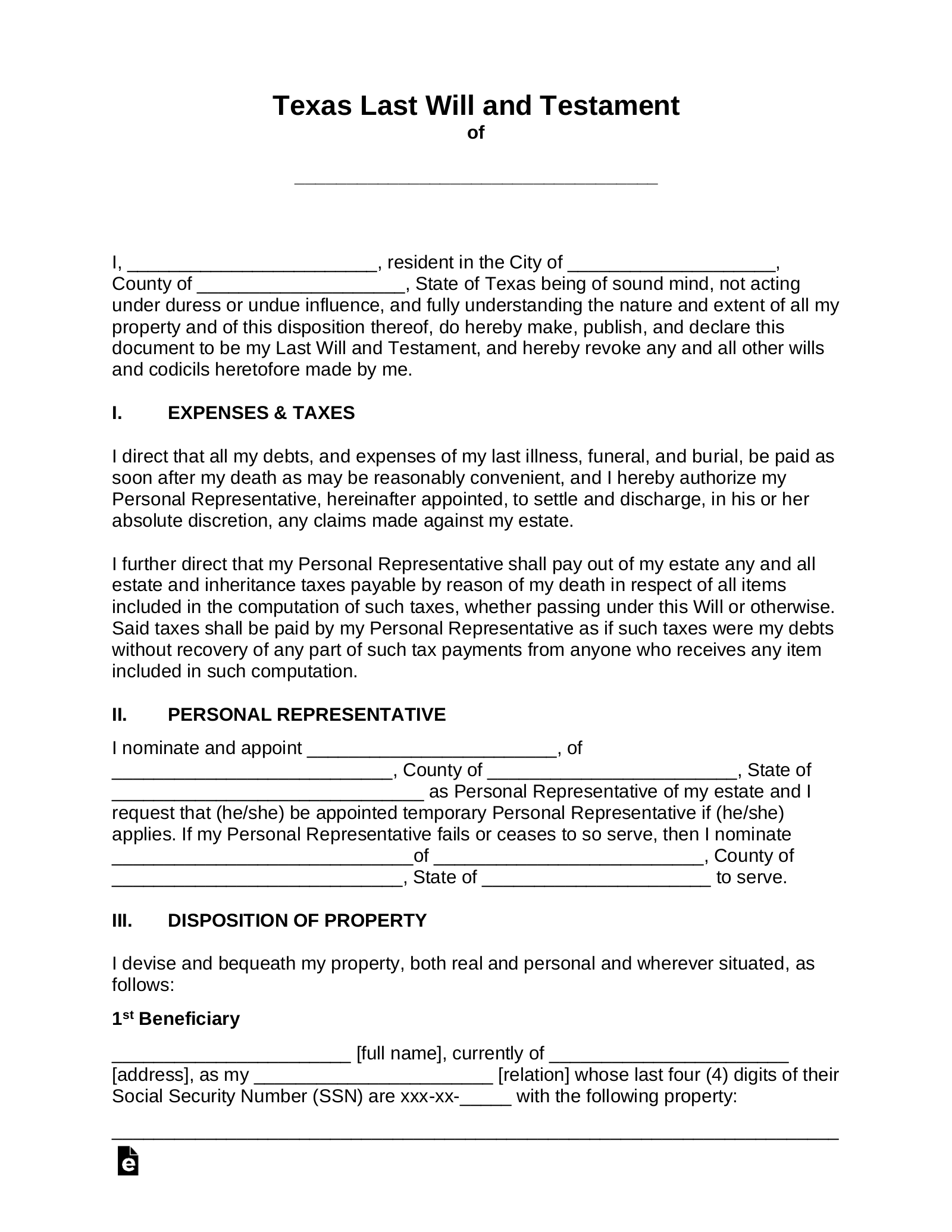
Understanding the Importance of a Texas Will
A will is more than just a document dictating who inherits your property; it’s a fundamental aspect of responsible adult life. It offers peace of mind, knowing that in the event of your passing, your affairs will be managed with clarity and intention. Without a will, your estate would be subject to the state’s intestacy laws, which might not align with your personal desires or family circumstances.
Why a Will is Essential for Your Estate in Texas
In Texas, a valid will provides several key benefits. Firstly, it allows you to name an executor, the person responsible for carrying out the terms of your will. This is a critical choice, as you’ll want someone you trust implicitly to manage your assets, pay debts, and distribute inheritances. Without this designation, the court will appoint an administrator, who may not be your preferred choice.
Secondly, a will is your platform to specify beneficiaries. You can meticulously outline how your property, including real estate, financial accounts, personal belongings, and even digital assets, will be divided among your heirs. This can include friends, charities, or specific family members, ensuring no one is overlooked or unexpectedly excluded. This meticulous planning can be akin to mapping out an itinerary for a grand tour, ensuring every destination, from the bustling markets of Marrakech to the serene beaches of the Maldives, is visited as intended.
Furthermore, a will can address guardianship for minor children. If you have young dependents, designating a guardian is paramount. This ensures that the individuals who will raise your children are chosen by you, providing continuity and stability during a difficult time. This is an aspect as vital as securing the perfect family suite at a resort like the Four Seasons Resort Orlando at Walt Disney World Resort, where comfort and care for your loved ones are prioritized.
Finally, a will can significantly streamline the probate process. While probate is the legal process of administering an estate, a clear and valid will can make it more efficient and less costly for your beneficiaries. It reduces ambiguity and potential disputes, allowing your loved ones to focus on grieving rather than navigating legal battles. This echoes the ease of booking through a trusted platform like Booking.com, where clear information leads to a smooth transaction.
Requirements for a Valid Texas Will
Texas law, specifically the Texas Estates Code, outlines strict requirements for a will to be considered legally valid. Failing to meet any of these criteria can render the document invalid, leading to your estate being distributed as if you had died intestate.
The Essential Elements of a Legally Binding Will
To create a valid will in Texas, the following conditions must generally be met:
- In Writing: The will must be a physical document. Oral wills are generally not recognized in Texas, except in very limited circumstances for active military personnel.
- Signed by the Testator: You, the testator (the person making the will), must sign the will. If you are unable to sign it yourself, you can direct another person to sign it on your behalf in your presence. This signature signifies your intent and agreement with the contents of the document.
- Attested by Two Credible Witnesses: The will must be signed by two witnesses who are at least 14 years old. These witnesses must sign the will in the testator’s presence. Crucially, these witnesses should not be beneficiaries in the will. If a witness is also a beneficiary, their inheritance might be jeopardized. The purpose of witnesses is to confirm that you signed the will voluntarily and that you were of sound mind at the time. This is akin to having trusted travel companions who can vouch for your experiences and decisions during an adventure.
Holographic Wills: A Special Exception in Texas
Texas does recognize a specific type of will known as a holographic will. This is a will that is written entirely in the testator’s own handwriting. For a holographic will to be valid, it does not require witness signatures. However, it must be entirely in your handwriting. Any typewritten portions, even if just a date or a signature line, can invalidate it as a holographic will. While this might seem like an easier route, it’s generally advisable to adhere to the formal witness requirements for maximum legal certainty, ensuring your estate plans are as robust as a well-planned luxury villa stay in the Bahamas.
Crafting Your Will: Key Considerations and Steps

Once you understand the fundamental requirements, you can begin the process of drafting your will. This involves careful consideration of your assets, beneficiaries, and the legal language that will best express your wishes.
Section 1: Identifying Your Assets and Beneficiaries
Before you start writing, take stock of everything you own. This includes:
- Real Estate: Homes, land, vacation properties.
- Financial Assets: Bank accounts, savings, stocks, bonds, retirement funds.
- Personal Property: Vehicles, jewelry, furniture, artwork, collections.
- Digital Assets: Online accounts, social media profiles, cryptocurrency.
Next, identify your beneficiaries. Think about who you want to inherit your assets. This could be your spouse, children, siblings, friends, or charitable organizations like the American Red Cross. Be specific with names and relationships to avoid confusion.
Section 2: Appointing an Executor and Guardians
As mentioned earlier, choosing an executor is critical. Select someone who is responsible, trustworthy, and capable of handling the administrative duties of your estate. You should also name an alternate executor in case your primary choice is unable or unwilling to serve.
If you have minor children, you must designate a guardian. This person will be legally responsible for the care and upbringing of your children if both parents pass away. Again, name an alternate guardian. This decision is as significant as selecting the ideal family-friendly resort in Cancun, ensuring your children’s well-being and happiness are prioritized.
Section 3: Writing the Will and Legal Formalities
The actual writing of the will can be done using various methods:
- Online Will Services: Many reputable online platforms offer will-drafting tools that guide you through the process, often tailored to Texas law. These can be a cost-effective option, especially for straightforward estates. Think of it like using a sophisticated travel planning app that consolidates all your booking needs.
- Legal Software: Similar to online services, legal software can provide templates and guidance.
- Hiring an Attorney: For complex estates, significant assets, or unique family situations, consulting with an estate planning attorney is highly recommended. An attorney can ensure your will is comprehensive, legally sound, and minimizes potential tax implications or disputes. This is akin to hiring a seasoned tour guide for an off-the-beaten-path expedition to Patagonia, ensuring you navigate every detail expertly.
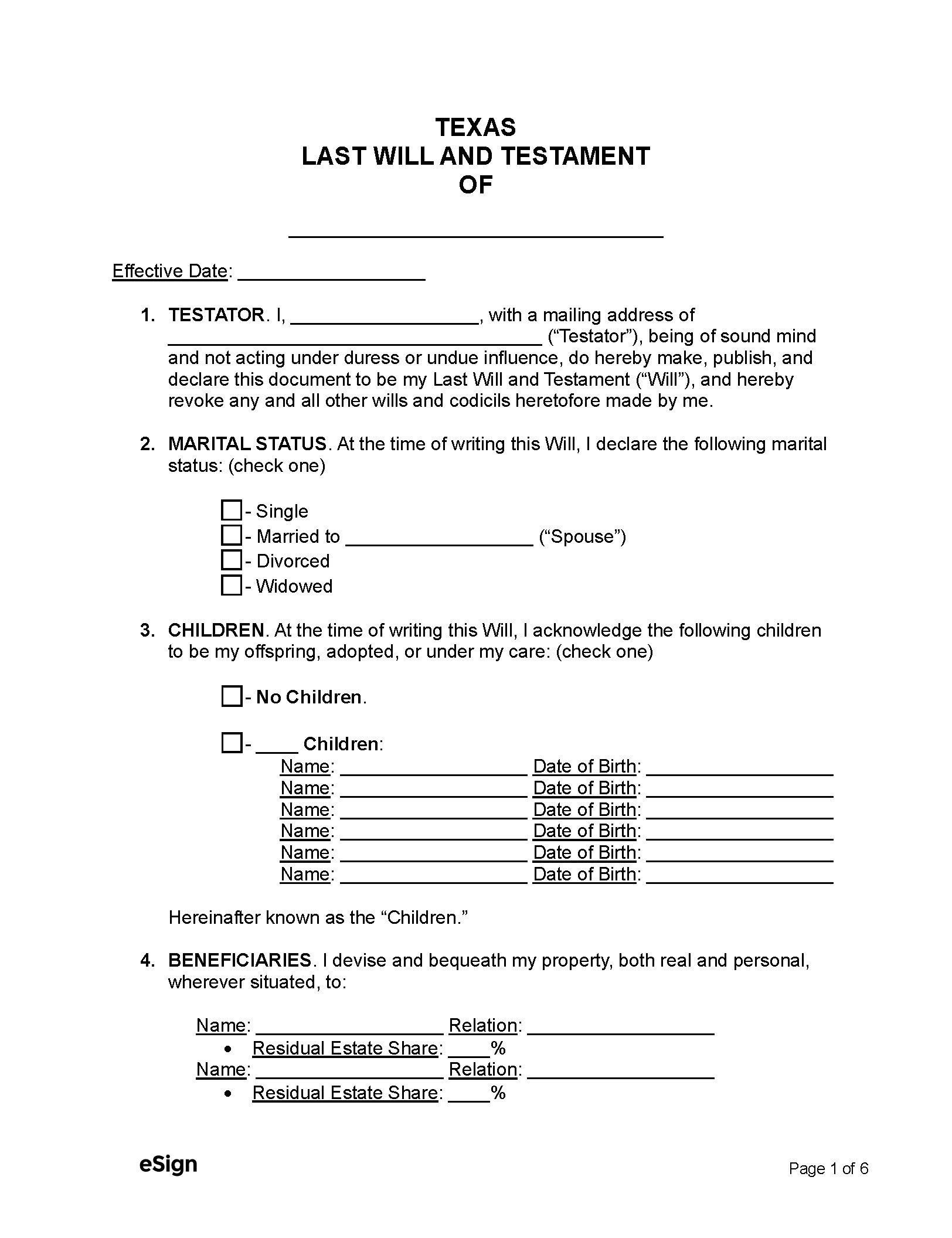
Regardless of the method chosen, ensure the document clearly states:
- Your full legal name and address.
- That this document is your last will and testament.
- That you revoke all prior wills and codicils.
- Your specific bequests (gifts of property).
- The residuary clause, which dictates who inherits any remaining assets not specifically mentioned.
- The appointment of your executor and guardian(s).
Once drafted, ensure you sign the will in the presence of two qualified witnesses, and have them sign in your presence. This ceremonial act solidifies the document’s validity, much like a passport stamp confirms a memorable journey.
Section 4: Safekeeping and Review
After signing, store your original will in a safe and accessible place. Inform your executor of its location. A safe deposit box at a bank, a fireproof home safe, or with your attorney are common choices. Periodically review your will, especially after significant life events such as marriage, divorce, the birth of a child, or substantial changes in your assets. Life, like travel, is dynamic, and your estate plan should reflect these changes.
By diligently following these steps, Texas residents can confidently create a legally sound will, providing a vital layer of protection and clarity for their loved ones and their legacy. It’s an essential act of responsibility that ensures your wishes are honored, allowing you to focus on enjoying the journey of life, whether it involves exploring the vibrant culture of New Orleans or embarking on a serene retreat at a wellness resort.
LifeOutOfTheBox is a participant in the Amazon Services LLC Associates Program, an affiliate advertising program designed to provide a means for sites to earn advertising fees by advertising and linking to Amazon.com. Amazon, the Amazon logo, AmazonSupply, and the AmazonSupply logo are trademarks of Amazon.com, Inc. or its affiliates. As an Amazon Associate we earn affiliate commissions from qualifying purchases.