
When planning a trip to Miami, the weather is arguably the most critical variable in your itinerary. Known globally as the “Magic City,” this jewel of Florida is synonymous with sunshine, warm breezes, and a climate that feels more Caribbean than continental. However, understanding the nuance of the local temperature is key to maximizing your time spent on the sands of South Beach or exploring the vibrant streets of Little Havana.
The Seasonal Rhythm of South Florida
Miami’s climate is classified as a tropical monsoon, meaning it stays relatively warm throughout the entire year. While northern states are buried in snow, this coastal destination remains a haven for those seeking to escape the bitter cold.
Winter: The Peak Season
Between December and March, Miami experiences its most comfortable weather. Temperatures typically hover between 65°F and 75°F (18°C–24°C). This is the period when humidity levels are at their lowest, making it the perfect time to walk through the Art Deco Historic District without feeling overwhelmed by the heat. While the occasional “cold front” might dip temperatures into the low 50s at night, these instances are short-lived.
Spring and The Warming Trend
As April and May roll in, the thermometer begins a steady climb. You will notice the air becoming more humid as the city prepares for the transition into summer. Average highs reach into the low-to-mid 80s (27°C–29°C). This is a fantastic time for visitors to engage in water sports near Biscayne Bay before the intense summer heat sets in.
Navigating the Tropical Summer Heat
The summer months, spanning from June through September, are defined by heat, humidity, and the occasional dramatic afternoon thunderstorm. Understanding how to handle these conditions is essential for any traveler.
Understanding the Humidity
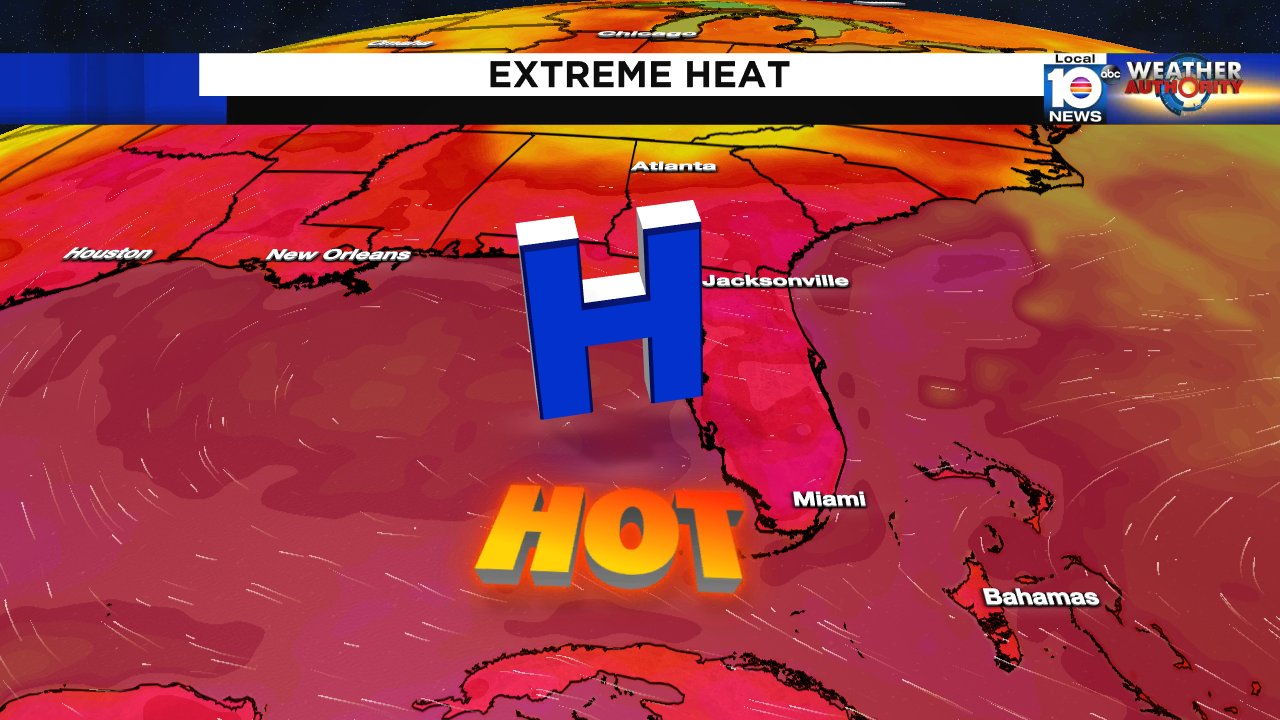
During the summer, highs regularly hit 90°F (32°C) or higher. However, the “RealFeel” temperature—factoring in the humidity—often pushes the heat index well above 100°F (38°C). This level of warmth requires a strategic approach to tourism. It is highly advisable to schedule outdoor activities, such as visiting Vizcaya Museum and Gardens, during the early morning hours or late afternoon.
The Benefit of Ocean Breezes
Despite the heat, the Atlantic Ocean plays a vital role in cooling the city. Coastal areas often feel several degrees cooler than inland neighborhoods like Doral or Hialeah. If you are feeling the intensity of the sun, heading to the shoreline is the most effective way to find a reprieve. The sea breeze is a constant companion in Miami Beach, providing a natural air conditioning effect that makes even the hottest days bearable for those lounging by the water.

Best Times for Specific Activities
Depending on what you want to experience, “warm enough” can have different definitions. Planning your trip around the temperature ensures you aren’t disappointed when you arrive.
For Beach Lovers and Sun Seekers
If your primary goal is to spend every waking hour on the sand, the window from May to October offers the warmest ocean temperatures. During this time, the water temperature in the Atlantic Ocean often climbs into the low 80s. While these months are technically the start of hurricane season, the risk of a major event is statistically lower in the early summer, and the water is absolutely idyllic for swimming and snorkeling.
For Urban Explorers and Sightseers
Those who prefer to spend their vacation walking through the Wynwood Walls or shopping along Lincoln Road will find the cooler winter months far more accommodating. High levels of humidity can make walking tours strenuous in the summer; therefore, the window between November and April is preferred for cultural excursions. You can enjoy the outdoor cafes in Coconut Grove without the constant need to retreat into air-conditioned interiors.
How to Prepare for Miami’s Fluctuating Climate
Being a smart traveler means packing appropriately for the unique environment of Florida. Regardless of the season, there are a few constants to keep in mind.
Essential Packing Tips
- Lightweight Fabrics: Breathable materials like linen, cotton, and moisture-wicking synthetic blends are non-negotiable. Dark colors absorb heat, so opt for lighter hues to stay cool.
- UV Protection: The sun in Miami is significantly stronger than in northern latitudes. High-SPF sunscreen, polarized sunglasses, and a wide-brimmed hat are standard gear for locals and tourists alike.
- Hydration Awareness: The humidity causes rapid fluid loss through sweat. Always carry a reusable water bottle, especially if you are walking through dense, paved areas like Downtown Miami.
- Rain Preparedness: During the summer months, a brief, intense shower is common nearly every afternoon. A lightweight, packable rain jacket or a sturdy travel umbrella will save your day when the clouds suddenly open up.
Adapting to Local Lifestyle
In Miami, the heat dictates the pace of life. You will notice that many locals are active very early in the morning and wait until after sunset to engage in outdoor nightlife. Emulating this rhythm is the secret to enjoying the city like a resident. Dine al fresco in Brickell after the sun has gone down, and you will find the temperature perfectly temperate and inviting.

Conclusion: Embracing the Magic City’s Warmth
The question of “how warm is it in Miami?” is rarely answered by a single number. It is an evolving, sensory experience that defines the city’s character. From the crisp, invigorating mornings of January to the heavy, sun-drenched afternoons of August, the warmth of this destination is its greatest asset.
Whether you are seeking the peak heat to jump into the refreshing waves of the Atlantic Ocean or a milder day to wander the historic streets of Coral Gables, the weather is a backdrop that enhances every experience. By respecting the intensity of the tropical sun and planning your activities to align with the rhythms of the climate, you ensure that your visit to this Florida paradise is not just comfortable, but truly unforgettable. Miami is a place that celebrates the sun, and once you adapt to its vibrant, warm pulse, you will find it hard to ever leave.
LifeOutOfTheBox is a participant in the Amazon Services LLC Associates Program, an affiliate advertising program designed to provide a means for sites to earn advertising fees by advertising and linking to Amazon.com. Amazon, the Amazon logo, AmazonSupply, and the AmazonSupply logo are trademarks of Amazon.com, Inc. or its affiliates. As an Amazon Associate we earn affiliate commissions from qualifying purchases.