
The history of how Hawaii became part of the United States is a complex narrative of diplomacy, economic interests, and a dramatic shift in global power. Unlike many western territories that were acquired through purchase or direct military conquest against a foreign colonial power, the acquisition of the Hawaiian Islands involved the systematic dismantling of a sovereign monarchy. This transition from an independent kingdom to a strategic American territory—and eventually the 50th state—left behind a legacy that is still etched into the historic landmarks and cultural landscape of the Pacific Ocean archipelago.
The Rise of the Hawaiian Kingdom and Early Foreign Influence
Before the United States exerted significant influence over the region, the islands were a collection of independent chiefdoms. This changed in the late 18th and early 19th centuries when Kamehameha the Great utilized western technology and strategy to unify the islands. By 1810, the Kingdom of Hawaii was established as a recognized sovereign nation. Landmarks such as the Puukohola Heiau National Historic Site on the island of Hawaii stand as silent witnesses to this era of unification and indigenous power.
As the 19th century progressed, the strategic location of the islands made them a focal point for global maritime powers including Great Britain, France, and Russia. However, it was the American missionaries and businessmen who established the deepest roots. The Mission Houses Museum in Honolulu documents the arrival of these early settlers who transformed the social and religious fabric of the islands. Over time, the descendants of these missionaries pivoted from religion to commerce, specifically focusing on the Sugar Industry.
The Sugar Trade and Economic Dependency
By the mid-1800s, the economic bond between Hawaii and the United States was cemented by sugar. The Reciprocity Treaty of 1875 allowed Hawaiian sugar to enter the American market tax-free, creating an economic boom. This treaty, however, came with a hidden cost: it made the Kingdom of Hawaii financially dependent on Washington D.C.. When the treaty was renewed in 1887, the United States gained exclusive rights to use Pearl Harbor as a naval base, marking the beginning of a permanent military presence.
The Bayonet Constitution
The political climate shifted drastically in 1887 when a group of armed businessmen, known as the Hawaiian League, forced King Kalakaua to sign a new constitution. Known as the Bayonet Constitution, this document effectively stripped the monarchy of much of its power and disenfranchised the majority of native Hawaiians and Asian immigrants by imposing strict property and wealth requirements for voting. This was a pivotal moment in the erosion of Hawaiian sovereignty, setting the stage for the eventual overthrow.
The Overthrow of Queen Liliuokalani
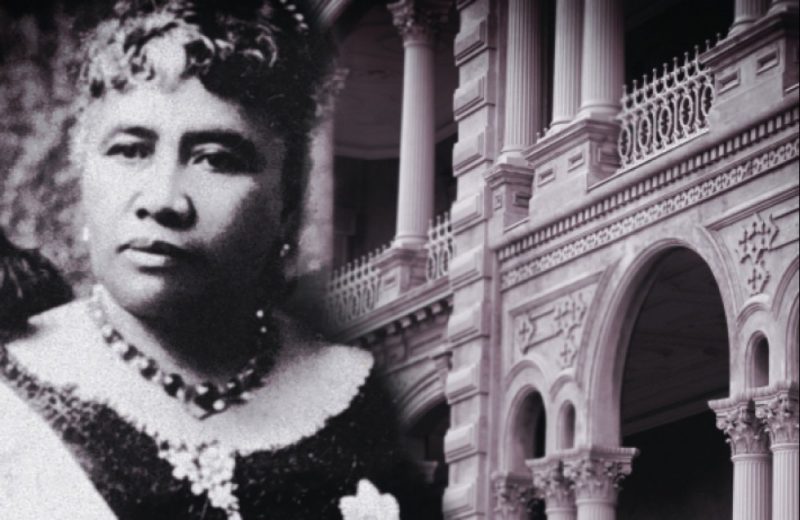
The most critical turning point in the acquisition of Hawaii occurred in January 1893. Following the death of King Kalakaua, his sister, Queen Liliuokalani, ascended to the throne. A fierce advocate for her people, she sought to implement a new constitution that would restore power to the monarchy and the native populace. Her actions alarmed the American and European business elites, who feared the loss of their political influence and economic security.
In response, a group calling itself the Committee of Safety, led largely by Sanford B. Dole, orchestrated a coup. They were aided by the United States Minister to Hawaii, John L. Stevens, who ordered troops from the USS Boston to land in Honolulu under the guise of protecting American lives and property. Faced with the threat of superior military force, Queen Liliuokalani surrendered her throne under protest, believing that the United States government would eventually right the wrong.
The Provisional Government and the Republic
Following the overthrow, the Committee of Safety established a Provisional Government with Sanford B. Dole as its head. Their primary goal was immediate annexation by the United States. However, the political landscape in the mainland was divided. When President Grover Cleveland took office, he launched an investigation into the coup. The resulting Blount Report concluded that the overthrow was illegal and that John L. Stevens had acted improperly.
Despite President Grover Cleveland’s recommendation to restore the Queen, the Provisional Government refused to step down. In 1894, they declared themselves the Republic of Hawaii. For the next few years, the islands remained in a state of political limbo, as the native population continued to petition Washington D.C. for the restoration of their kingdom.
Annexation and the Spanish-American War
The tide turned in favor of annexation with the outbreak of the Spanish-American War in 1898. As the United States looked to expand its influence into the Philippines and Guam, the strategic importance of Hawaii as a mid-Pacific coaling station and naval base became undeniable. Military leaders argued that Pearl Harbor was essential for the defense of the West Coast and the projection of power into Asia.
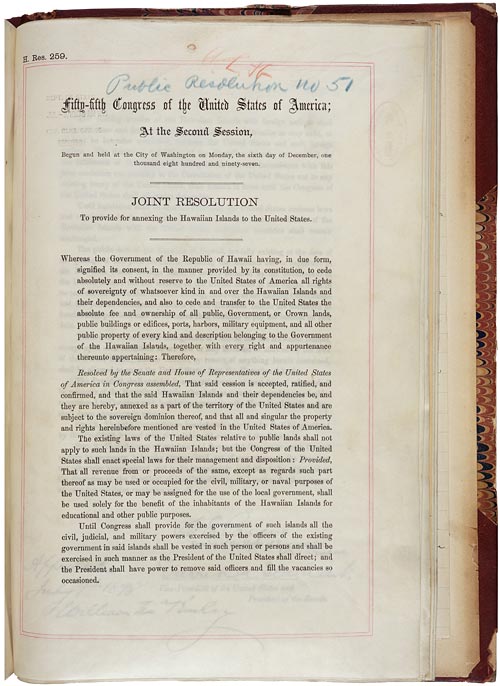
Under the administration of President William McKinley, the United States Congress passed the Newlands Resolution. This was a joint resolution that required only a simple majority in both houses, bypassing the two-thirds majority required for a formal treaty. In July 1898, Hawaii was officially annexed as a territory of the United States. A formal ceremony took place at Iolani Palace, where the Hawaiian flag was lowered and the Stars and Stripes were raised, marking the end of the islands’ independence.
The Role of Pearl Harbor
The annexation was intrinsically linked to the development of Pearl Harbor. Today, the Pearl Harbor National Memorial serves as one of the most visited landmarks in the world. While many focus on the events of 1941, the site’s history as an American possession began decades earlier as the primary justification for bringing Hawaii into the American fold. The deep-water port provided the United States Navy with a foothold in the Pacific that it has never relinquished.
Landmarks of the Transition Era
To understand how Hawaii was acquired, one must look at the architectural and historical landmarks that remain in Honolulu. These sites provide a tangible connection to the individuals and events that shaped the islands’ destiny.
Iolani Palace
Located in downtown Honolulu, Iolani Palace is the only royal palace on American soil. Completed in 1882, it served as the official residence of the Hawaiian monarchs. It was here that Queen Liliuokalani was overthrown, and it was later where she was imprisoned for several months following a failed 1895 counter-revolution by royalists. The palace stands today as a symbol of Hawaiian national identity and the resilience of its people.
Aliiolani Hale
Just across the street from the palace is Aliiolani Hale, which today houses the Hawaii State Supreme Court. In the 1890s, this building was the seat of the kingdom’s government and the site where the Committee of Safety read the proclamation that abolished the monarchy. The Statue of King Kamehameha I stands proudly in front of the building, serving as a reminder of the kingdom’s founding amidst the modern legal structures of the United States.
Washington Place
Washington Place is another landmark deeply tied to the acquisition. Originally the private home of Queen Liliuokalani, it served as her residence until her death in 1917. The home later became the executive mansion for the governors of Hawaii. It represents the bridge between the royal past and the territorial and statehood future of the islands.
The Royal Mausoleum of Hawaii
The Royal Mausoleum of Hawaii, known as Mauna Ala, is the final resting place of the Kamehameha and Kalakaua dynasties. This sacred landmark is unique because the land was specifically excluded from the annexation agreement, remaining sovereign Hawaiian land even as the rest of the islands became part of the United States.
From Territory to Statehood
The acquisition of Hawaii was not a final destination but the beginning of a long journey toward full integration into the United States. As a territory, Hawaii was governed by federally appointed officials, and its residents did not have the right to vote in presidential elections or have voting representation in Congress.
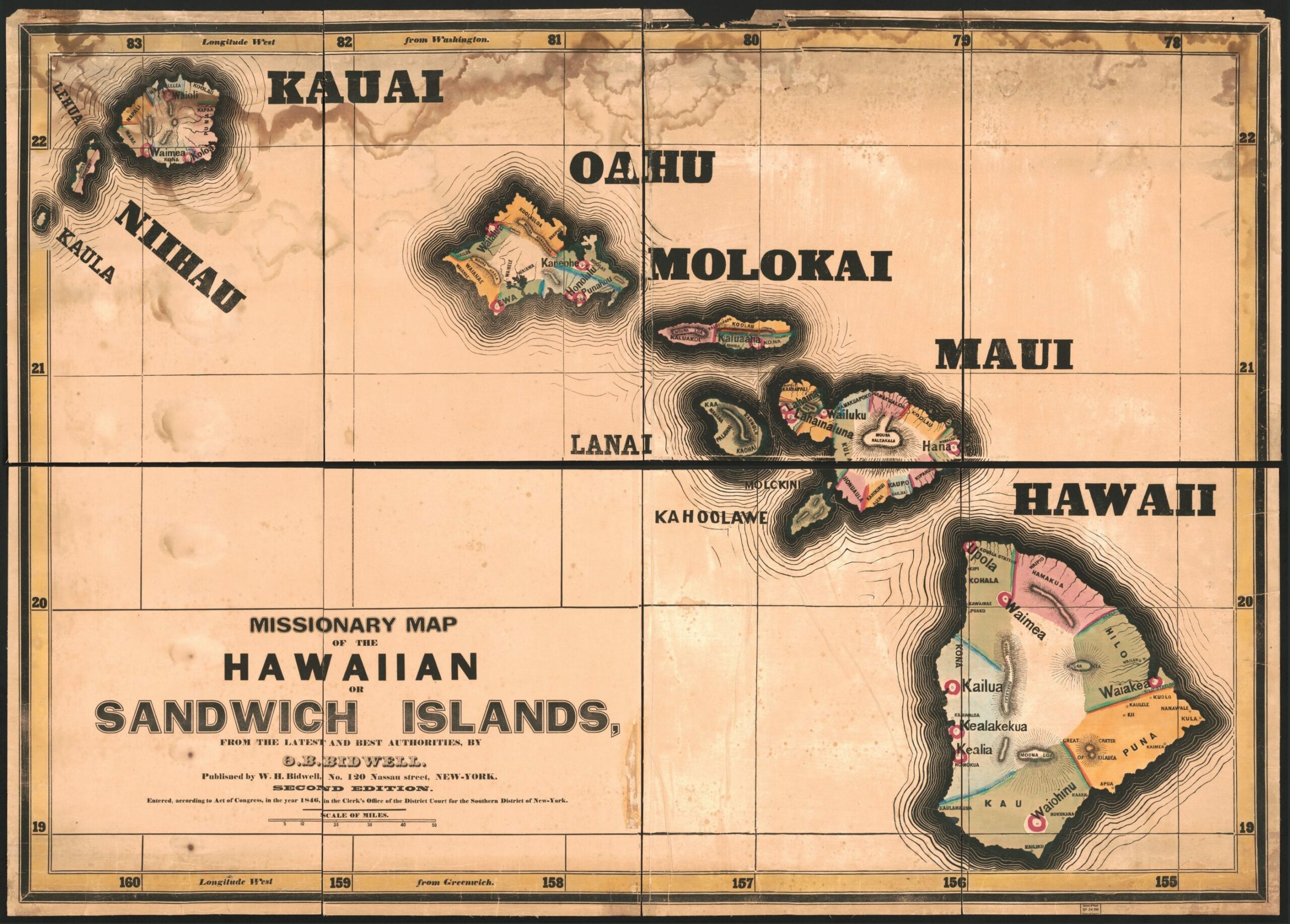
During the early 20th century, the islands of Oahu, Maui, Kauai, Molokai, and Lanai saw a massive influx of labor from Japan, China, and the Philippines to work on sugar and pineapple plantations. This demographic shift created a multicultural society that eventually pushed for the same rights as citizens on the mainland.
The attack on Pearl Harbor on December 7, 1941, thrust Hawaii into the center of World War II. The bravery of Hawaiian residents during the war, particularly the Japanese-American soldiers of the 442nd Regimental Combat Team, helped change perceptions on the mainland. After years of advocacy and political maneuvering, Hawaii was finally admitted as the 50th state on August 21, 1959.
Today, visitors to the islands can explore this history through various landmarks. The Bernice Pauahi Bishop Museum offers the most comprehensive look at Hawaiian history and the impact of Western acquisition. Meanwhile, the National Memorial Cemetery of the Pacific, located in Punchbowl Crater, honors those who served the nation that Hawaii eventually joined.
The story of how Hawaii was acquired is one of contrasting narratives: the loss of a kingdom and the expansion of a republic. By visiting the landmarks of Honolulu and the surrounding islands, one gains a deeper appreciation for the complex forces that brought this unique archipelago into the United States. From the halls of Iolani Palace to the decks of the USS Arizona Memorial, the history of Hawaii remains a vital part of the American story.
LifeOutOfTheBox is a participant in the Amazon Services LLC Associates Program, an affiliate advertising program designed to provide a means for sites to earn advertising fees by advertising and linking to Amazon.com. Amazon, the Amazon logo, AmazonSupply, and the AmazonSupply logo are trademarks of Amazon.com, Inc. or its affiliates. As an Amazon Associate we earn affiliate commissions from qualifying purchases.