
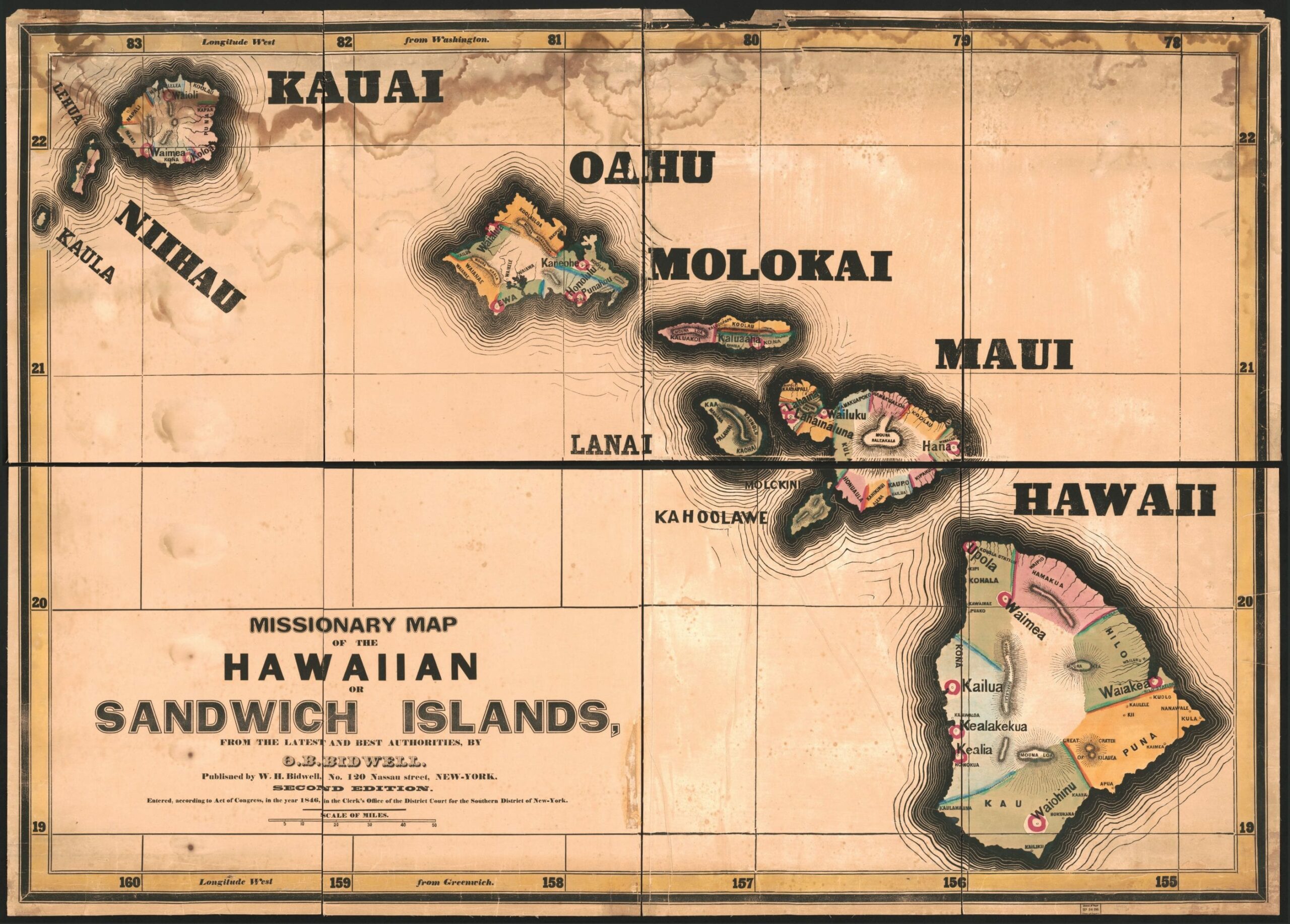
The story of how Hawaii became a territory of the United States is a complex narrative rooted in economic interests, geopolitical maneuvering, and the eventual dismantling of a sovereign monarchy. To understand the transition of these islands from an independent Kingdom of Hawaii to an American territory, one must examine the intersection of trade, strategic naval interests, and the growing influence of Western settlers.
The Influence of the Sugar Industry and Strategic Interests
The transformation of the political landscape in the Pacific began long before the formal annexation. By the mid-19th century, American businessmen had established a profound presence in the islands. These settlers primarily focused on the burgeoning sugar industry, which thrived in the tropical climate of the archipelago.

The Reciprocity Treaty of 1875
The economic connection between the sugar planters and the mainland was cemented by the Reciprocity Treaty of 1875. This agreement allowed Hawaiian sugar to enter the United States duty-free. The treaty brought immense wealth to the plantation owners but also created a state of deep economic dependency. As these landowners sought to protect their investments, they began to exert significant pressure on the ruling government of the Monarchy.
The Strategic Value of Pearl Harbor
Beyond sugar, the United States military recognized the immense strategic value of Hawaii as a mid-Pacific coaling station. The natural geography of Pearl Harbor made it an ideal site for a naval base. This interest in militarization provided a strong motivation for the American government to maintain a firm grip on the political future of the islands, ensuring that no other world power—such as Britain or Japan—could lay claim to this crucial maritime waypoint.
The Overthrow of Queen Liliʻuokalani
The most turbulent chapter in this historical progression occurred in 1893. By this time, King Kalākaua had already been forced to sign the “Bayonet Constitution” in 1887, which significantly limited his power and disenfranchised many native voters. When Queen Liliʻuokalani ascended the throne in 1891, she sought to draft a new constitution to restore rights and power to the Native Hawaiian population.
The Committee of Safety
In response to her attempt to restore the monarchy’s authority, a group of businessmen and politicians, calling themselves the Committee of Safety, staged a coup. Backed by the unauthorized landing of United States Marine Corps troops, the group forced the Queen to abdicate under the threat of bloodshed. The Provisional Government of Hawaii was established, and they immediately sought recognition and annexation by the United States.
President Cleveland’s Intervention
The initial attempt at annexation failed due to the moral concerns of President Grover Cleveland. Upon discovering that the coup was facilitated by American military intervention, Cleveland refused to proceed with annexation and even attempted to restore the Queen to her throne. However, the provisional government was obstinate, and the islands remained in a political stalemate for several years, operating as the Republic of Hawaii under the leadership of Sanford B. Dole.
The Newlands Resolution and Official Annexation
The status of the islands changed abruptly in 1898 during the Spanish-American War. The necessity of a permanent naval base in the Pacific Ocean became a critical priority for the United States Navy. With the war heightening the need for secure logistics, the American government reconsidered its stance on territorial expansion.
Passing the Resolution
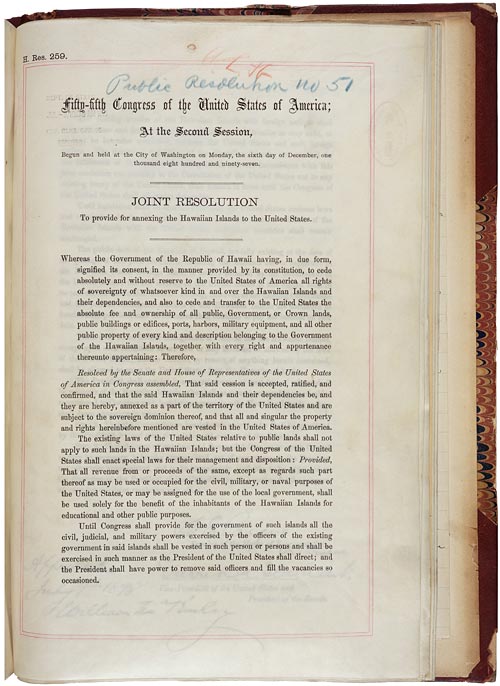
Because a formal treaty of annexation required a two-thirds majority in the United States Senate—which the administration felt they could not secure—they opted for a different legal maneuver. Through the Newlands Resolution, a joint resolution passed by a simple majority in both houses of Congress, Hawaii was officially annexed. On July 7, 1898, President William McKinley signed the resolution into law.
The Impact on the Hawaiian Identity
The formal transfer of sovereignty took place at Iolani Palace on August 12, 1898. For the native population, this represented the loss of their independent nation. Throughout the process, thousands of Hawaiian citizens signed petitions against the annexation, expressing their desire for self-determination. Despite these formal protests, the legal integration of the islands proceeded, setting the stage for Hawaii to eventually become the 50th state of the United States in 1959.
Historical Legacies and Modern Perspectives
Today, the story of Hawaii is viewed through a multifaceted lens that acknowledges both the strategic importance of its geography and the cultural resilience of its people. The architectural landmarks that bear witness to this history, such as the Bishop Museum, serve as custodians of the artifacts and documents that recount the kingdom’s final years.
Acknowledging the Past
Modern Hawaii balances its status as a major tourism hub and a vital military outpost with a growing movement toward the preservation of Polynesian culture. The Apology Resolution of 1993, issued by the United States Congress, officially acknowledged the illegal nature of the overthrow and offered a formal apology for the role of the American government.
Moving Toward the Future
Visitors to the islands often encounter these historical themes while exploring Oahu or the Big Island. Whether visiting the National Memorial Cemetery of the Pacific or walking through the historic districts of Honolulu, the landscape remains a testament to the complex history of the archipelago. By understanding how Hawaii was annexed, one gains a deeper appreciation for the modern cultural tapestry that defines the Aloha State today, where deep-seated traditions continue to thrive despite the geopolitical shifts of the late 19th century.
LifeOutOfTheBox is a participant in the Amazon Services LLC Associates Program, an affiliate advertising program designed to provide a means for sites to earn advertising fees by advertising and linking to Amazon.com. Amazon, the Amazon logo, AmazonSupply, and the AmazonSupply logo are trademarks of Amazon.com, Inc. or its affiliates. As an Amazon Associate we earn affiliate commissions from qualifying purchases.