
The Hawaiian Islands, a breathtaking archipelago nestled in the vast expanse of the Pacific Ocean, are far more than just a cluster of idyllic travel destinations renowned for their pristine beaches, lush landscapes, and vibrant culture. They are a living testament to Earth’s immense geological power, a majestic chain forged in fire over millions of years. Understanding “how Hawaii was made” unveils a captivating story of creation that profoundly influences everything from its unique ecosystems and ancient traditions to the very experiences travelers seek today.
For those planning a memorable Hawaiian escape, delving into the islands’ fiery origins offers a deeper appreciation for their natural wonders and the resilient spirit of their people. From the dramatic volcanic landscapes of the Big Island of Hawaii to the verdant, ancient valleys of Kauai, each island tells a chapter of this epic tale, inviting visitors to witness geology in action and explore natural landmarks that are truly unparalleled.

The Fiery Genesis: A Geological Marvel
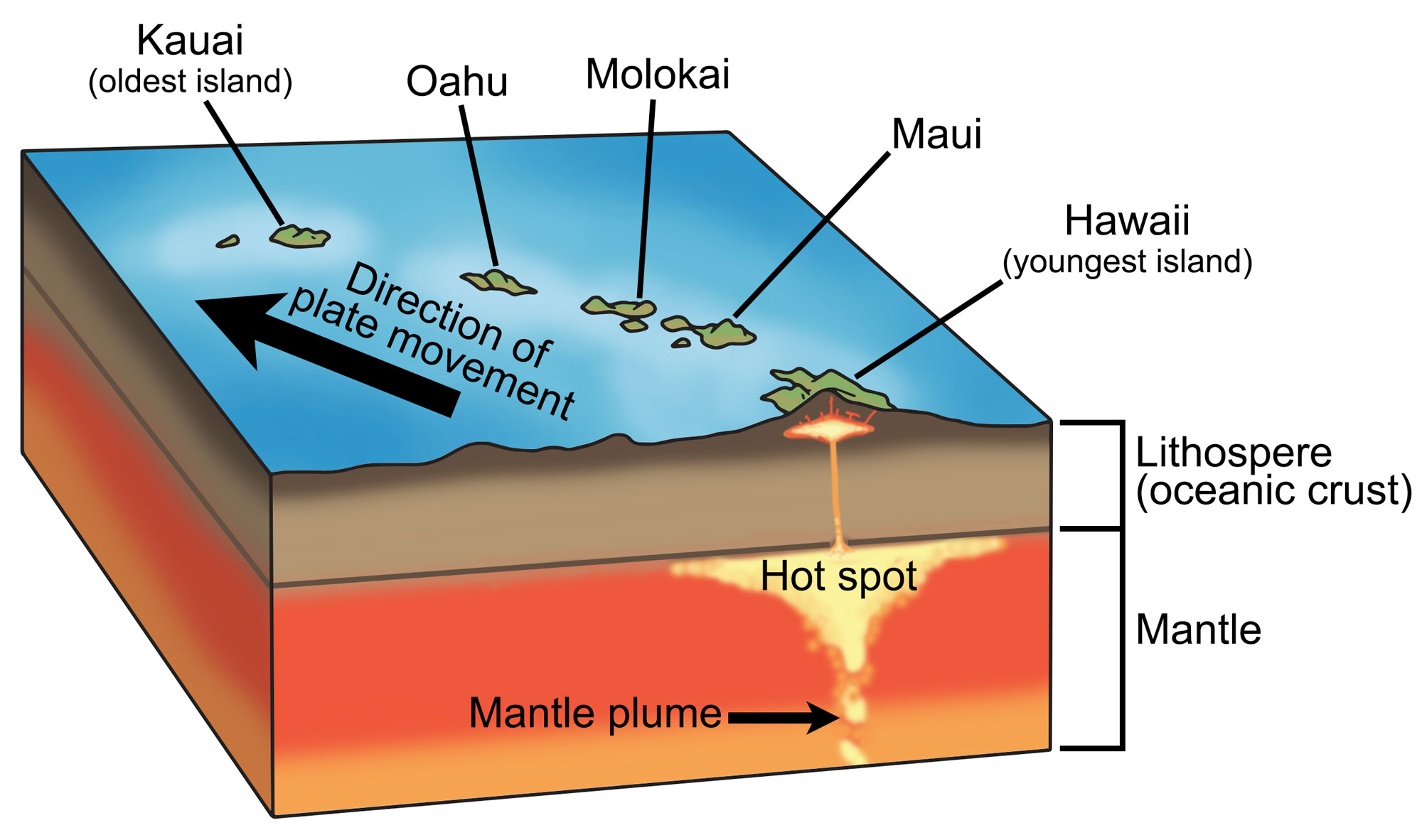
The story of Hawaii begins not with a whimper, but with an earth-shattering roar deep beneath the ocean’s surface. Unlike most island chains that form along tectonic plate boundaries, the Hawaiian Islands are a classic example of “hotspot” volcanism. This phenomenon, where a plume of superheated magma rises from Earth’s mantle, is the engine behind their continuous creation.
The Hotspot Theory and Volcanic Activity
Imagine a giant conveyor belt, the Pacific Plate, slowly drifting northwestward across a stationary “hotspot” of magma. This hotspot acts like a fixed torch, repeatedly melting through the crust above it. As the plate moves, new sections pass over the hotspot, leading to fresh volcanic eruptions and the birth of new islands. Once an island moves off the hotspot, its volcanic activity gradually ceases, and erosion begins its slow, relentless work of shaping and eventually submerging it. This continuous process explains the distinct progression of the Hawaiian Islands: the older, smaller, and more eroded islands lie to the northwest, while the younger, larger, and volcanically active islands are situated to the southeast.
The volcanoes that form Hawaii are known as shield volcanoes, characterized by their broad, gentle slopes. This shape is due to the highly fluid basaltic lava that flows easily, spreading out over vast distances before solidifying. These gentle slopes make many of Hawaii’s volcanic landscapes surprisingly accessible for hikers, offering unparalleled opportunities for adventure and sightseeing, particularly within Hawaii Volcanoes National Park on the Big Island. There, visitors can often witness the raw power of creation firsthand, observing flowing lava, steam vents, and vast, otherworldly lava fields.
Island Formation: From Loihi to Kauai
The hotspot’s journey across the Pacific Plate has sculpted a chain stretching over 1,500 miles, from the active Loihi Seamount in the southeast to the submerged Emperor Seamounts far to the northwest.
-
Loihi Seamount: The Next Island in Waiting. Approximately 20 miles off the southeast coast of the Big Island, Loihi Seamount is currently building itself up from the seafloor, already towering thousands of feet. While still deep underwater, scientists monitor its activity, predicting that in tens of thousands of years, Loihi will emerge as the newest Hawaiian island, a fascinating glimpse into the future of this geological process.
-
The Big Island of Hawaii: The Youngest and Most Active. This island is home to five volcanoes, including Mauna Loa, the largest volcano on Earth by mass and volume, and Kilauea, one of the world’s most active volcanoes. These giants continuously add new land to the island, reshaping its coastlines and creating dramatic, fresh lava landscapes. Visiting Hawaii Volcanoes National Park allows travelers to explore calderas, lava tubes, and steam vents, offering an unparalleled look at Earth’s creative forces. The unique environments here mean accommodation options, from eco-lodges to volcano-rim resorts, cater to those seeking adventure and natural immersion.
-
Maui: The Valley Isle. To the northwest of the Big Island lies Maui, renowned for its stunning beaches, the scenic “Road to Hana,” and the majestic dormant volcano Haleakala. Haleakala National Park offers breathtaking sunrise views from its summit, a landscape sculpted by ancient eruptions that now harbors unique ecosystems. Maui’s diverse terrain makes it a popular destination for luxury travel, family trips, and adventure seekers alike, with a wide array of resorts, villas, and boutique hotels offering world-class amenities.
-
Oahu: The Gathering Place. Further along the chain, Oahu stands as the most populated island, home to Honolulu, the state capital, and the iconic Waikiki Beach. While its volcanic activity ceased long ago, its geological history is evident in landmarks like Diamond Head, a recognizable volcanic tuff cone. Oahu blends urban vibrancy with natural beauty, offering a wealth of attractions from historical sites like Pearl Harbor to world-class surfing breaks on the North Shore. Accommodation options here range from bustling Waikiki resorts and high-rise apartments to quieter, more secluded stays.
-
Kauai: The Garden Isle. As the oldest of the main Hawaiian Islands, Kauai showcases the profound effects of erosion. Its volcanic peaks have been sculpted into dramatic cliffs, deep canyons, and lush, verdant valleys, giving it its “Garden Isle” moniker. The legendary Na Pali Coast, with its towering emerald sea cliffs and hidden beaches, is a prime example of nature’s artistic hand over millions of years. Kauai appeals to those seeking raw natural beauty, adventure, and a more tranquil experience, with charming boutique hotels and vacation rentals tucked away amidst its stunning landscapes.
Nature’s Masterpiece: Ecosystems and Biodiversity
The isolated formation of the Hawaiian Islands, rising from the middle of the Pacific Ocean, created a natural laboratory for evolution. Only a handful of plants and animals successfully made the arduous journey across thousands of miles of ocean, either by wind, water, or wing. Once they arrived, with no natural predators and abundant resources, they rapidly diversified, adapting to every available niche.
Unique Flora and Fauna
This extreme isolation has resulted in an astonishing level of endemism, meaning a vast majority of Hawaii’s native species are found nowhere else on Earth. The islands are a biodiversity hotspot, home to a dazzling array of unique flora and fauna, from colorful Hawaiian honeycreeper birds to the iconic silversword plant, which thrives in the high-altitude desert environment of Haleakala. The diverse microclimates across the islands – from arid lava fields and sunny beaches to lush rainforests and snow-capped mountain peaks – support this incredible variety of life. For eco-tourism enthusiasts, exploring these unique ecosystems, perhaps with a local guide, offers an unparalleled opportunity to connect with nature’s resilience and wonder. Many tour operators now specialize in sustainable travel experiences, emphasizing responsible viewing and interaction with these delicate environments.
Protecting a Fragile Paradise
The very factors that made Hawaii so special – its isolation and unique evolutionary path – also make its ecosystems incredibly fragile. Human arrival, both ancient and modern, has introduced invasive species that pose a significant threat to native biodiversity. Conservation efforts are paramount, with national parks, wildlife refuges, and local communities working tirelessly to protect these irreplaceable natural treasures. Travelers are encouraged to practice responsible tourism, respecting local guidelines, staying on marked trails, and supporting businesses that prioritize environmental stewardship. The concept of “Malama Aina” – caring for the land – is deeply embedded in Hawaiian culture and offers a guiding principle for visitors.
Cultural Tapestry: Human Arrival and Heritage
While geology laid the foundation, human ingenuity and resilience completed the masterpiece that is modern Hawaii. The islands’ incredible journey from uninhabited volcanic rock to a vibrant cultural hub is as compelling as their geological formation.
Polynesian Voyagers and Ancient Traditions
The first humans to discover these remote islands were intrepid Polynesian navigators, voyaging thousands of miles across the Pacific Ocean in double-hulled canoes between 300 and 800 AD. These master wayfinders, using sophisticated knowledge of stars, currents, and swell patterns, brought with them not only essential plants and animals but also a rich culture, language, and spiritual connection to the land and sea. They established a complex society, developing sustainable agricultural practices, intricate social structures, and a deep reverence for nature, epitomized by their kapu (taboo) system. Landmarks like ancient heiau (temples) and petroglyph sites across the islands offer glimpses into this profound history.
The Hawaiian monarchy, famously unified under King Kamehameha I in the late 18th and early 19th centuries, further shaped the islands’ identity. Visitors interested in history can explore sites like ‘Iolani Palace in Honolulu, the only official residence of royalty in the United States, providing a tangible link to this noble past. Cultural tourism plays a vital role in preserving these traditions, offering travelers opportunities to experience luaus, hula performances, learn about traditional crafts, and sample authentic Hawaiian food.
A Modern Melting Pot
The arrival of Western explorers, beginning with Captain James Cook in 1778, marked a new era for Hawaii. Over the centuries, waves of immigrants from China, Japan, the Philippines, Portugal, and beyond arrived, primarily to work on the burgeoning sugar and pineapple plantations. Each group contributed to the islands’ vibrant tapestry, blending their traditions, languages, and cuisines into what is now a uniquely Hawaiian identity. This multiculturalism is evident in Hawaii’s diverse culinary scene, where fusion dishes are the norm, and in its many festivals and community events that celebrate heritage from around the globe. Experiencing local culture is a cornerstone of any Hawaiian trip, whether it’s by exploring a bustling farmers market, attending a local festival, or simply engaging with the friendly kama’aina (residents).
Experiencing Hawaii: Travel, Tourism, and Landmarks
The incredible geological journey and rich cultural evolution of Hawaii have culminated in a destination that captivates millions of travelers each year. The islands offer an unparalleled blend of natural beauty, adventurous activities, and profound cultural immersion, appealing to a diverse range of lifestyles and travel preferences.
Iconic Destinations and Activities
Every island offers its own distinct charm and a wealth of attractions:
- Big Island: Beyond its active volcanoes, the Big Island boasts black sand beaches, lush coffee plantations (like those in Kona), and stargazing opportunities atop Mauna Kea. It’s an ideal spot for adventure travelers and those seeking a profound connection with nature.
- Maui: Famous for its world-class beaches, dramatic coastal drives, and opportunities for whale watching (during winter months), Maui is often considered the perfect blend of luxury and adventure. Its famous Lahaina town offers historical charm and vibrant nightlife.
- Oahu: As the vibrant heart of Hawaii, Oahu provides a dynamic experience with its iconic Waikiki Beach, the historical significance of Pearl Harbor, and the legendary surfing waves of the North Shore. It caters to urban explorers, history buffs, and surf enthusiasts.
- Kauai: For those seeking unspoiled natural beauty and tranquility, Kauai offers the dramatic Na Pali Coast, the “Grand Canyon of the Pacific” – Waimea Canyon, and countless hiking trails through lush rainforests. It’s a haven for nature lovers and outdoor adventurers.
Activities abound, from surfing the legendary waves of Pipeline or learning to paddleboard in calmer waters, snorkeling and diving in vibrant coral reefs, to hiking through volcanic craters or lush valleys. Helicopter tours offer breathtaking aerial views of the islands’ dramatic topography, revealing the full scope of their geological creation.

Choosing Your Hawaiian Escape: Accommodation and Lifestyle
When planning a trip to Hawaii, the choices for accommodation and experiences are as diverse as the islands themselves. Whether you dream of a luxurious honeymoon, an adventurous family trip, or a budget-friendly solo exploration, Hawaii has something to offer.
- Luxury Travel: Hawaii boasts an array of world-class resorts and villas, particularly in Maui, Kauai, and Oahu. These properties often feature stunning oceanfront locations, private beaches, gourmet dining, and lavish amenities like spa services and championship golf courses. Booking a suite or a private villa can elevate your experience, offering unparalleled comfort and privacy.
- Budget Travel: While known for its luxury, Hawaii can also be explored on a budget. Options include more affordable hotels and apartments, guesthouses, and even camping in designated areas. Utilizing local food trucks and farmers’ markets for meals can significantly cut costs, and many of the most spectacular natural attractions, like beaches and hiking trails, are free to access.
- Family Trips: With activities ranging from gentle snorkeling and safe swimming beaches to cultural workshops and educational visits to national parks, Hawaii is an exceptional destination for family trips. Many resorts offer kids’ clubs and family-friendly pools, ensuring entertainment for all ages.
- Booking and Reviews: Online booking platforms offer extensive options for hotels, resorts, and vacation apartments. Always check recent reviews and compare prices to ensure you find the perfect stay that matches your travel style and budget. Long-term stay options are also available for those seeking a more immersive experience, often found through dedicated vacation rental sites.
From its incredible geological birth to its vibrant modern culture, Hawaii is a destination born of fire and shaped by time, offering travelers an unforgettable journey into the heart of a true Pacific paradise. Understanding its origins only deepens the appreciation for this remarkable place, inspiring a respectful and enriching travel experience.
LifeOutOfTheBox is a participant in the Amazon Services LLC Associates Program, an affiliate advertising program designed to provide a means for sites to earn advertising fees by advertising and linking to Amazon.com. Amazon, the Amazon logo, AmazonSupply, and the AmazonSupply logo are trademarks of Amazon.com, Inc. or its affiliates. As an Amazon Associate we earn affiliate commissions from qualifying purchases.