
The allure of New York City is undeniable. From its towering skyscrapers to its bustling streets, the Big Apple offers an experience unlike any other. Yet, for any traveler planning a visit, one of the most crucial considerations is the weather. The question, “How was the weather in New York?” is not just a casual inquiry; it’s a gateway to understanding what to pack, what activities are best suited for the season, and ultimately, how to make the most of your New York adventure.
The weather in New York City is famously capricious, a dynamic interplay of four distinct seasons, each with its own charm and challenges. Understanding these nuances is key to preparing for your trip, whether you’re dreaming of a crisp autumn stroll through Central Park, a sun-drenched summer exploration of Coney Island, a snow-dusted winter wonderland, or the vibrant renewal of spring. This guide delves into the typical weather patterns of New York, offering insights to help you plan your perfect visit, ensuring you’re prepared for whatever the sky decides to deliver.
Understanding New York’s Seasonal Climate
New York City experiences a humid continental climate, characterized by significant variations in temperature and precipitation throughout the year. This means you can expect everything from sweltering summer heat to biting winter cold, with the transitional seasons offering milder, albeit sometimes unpredictable, conditions.
Spring: A Gentle Awakening
Spring in New York (March to May) is a time of gradual warming and blooming. March can still hold onto winter’s chill, with average temperatures hovering around 40°F (4°C) and the possibility of late snowfalls. However, as April arrives, the city begins to awaken. Temperatures climb into the 50s and 60s Fahrenheit (10-15°C), and the trees in Central Park start to bud. May is typically the most pleasant month of spring, with average highs reaching the comfortable 70s°F (around 20°C).
What to expect:
- Rainfall: Spring showers are common, so packing a waterproof jacket and an umbrella is advisable.
- Wind: Breezy conditions can persist, especially in early spring, making layers essential.
- Crowds: As the weather improves, so do tourist numbers, particularly around Easter and Memorial Day.
Activities suited for spring:
- Strolling through blooming gardens like the Brooklyn Botanic Garden.
- Enjoying outdoor cafes and street fairs as they begin to pop up.
- Visiting outdoor attractions like the High Line before the summer heat arrives.
- Catching Broadway shows, as indoor activities remain a reliable option.
Summer: The Vibrant Buzz
Summer in New York (June to August) is synonymous with long days, sunshine, and a palpable energy that permeates the city. June offers warm, pleasant weather, with average highs in the mid-70s°F (around 24°C). However, July and August are typically the hottest and most humid months, with temperatures frequently soaring into the 80s and 90s°F (27-35°C), and occasional heatwaves pushing them even higher. Humidity can make these temperatures feel more intense.
What to expect:
- Heat and Humidity: These are the defining characteristics of New York summers. Hydration is key, and seeking air-conditioned spaces is often necessary.
- Thunderstorms: While sunny days are prevalent, the heat and humidity can trigger sudden, often dramatic, thunderstorms, particularly in the late afternoon or evening.
- Long Daylight Hours: Take advantage of the extended daylight for exploring the city’s numerous outdoor attractions.
Activities suited for summer:
- Bathing at Coney Island or exploring Rockaway Beach.
- Attending outdoor concerts and movie screenings in parks.
- Taking a ferry to Governors Island for biking and picnicking.
- Enjoying rooftop bars with panoramic city views.
- Visiting world-class museums like the Metropolitan Museum of Art or the American Museum of Natural History to escape the heat.
Autumn: The Golden Embrace
Autumn in New York (September to November) is often considered the most picturesque season. September still carries the warmth of summer, with average highs in the 70s°F (around 20-24°C). As October progresses, the air becomes crisper, temperatures cool into the 50s and 60s°F (10-18°C), and the leaves in Central Park and other green spaces transform into a breathtaking palette of reds, oranges, and yellows. November brings a distinct chill, with temperatures dropping into the 40s°F (4-9°C), signaling the approach of winter.
What to expect:
- Cool and Crisp Air: The humidity of summer gives way to comfortable, often invigorating, temperatures.
- Stunning Fall Foliage: This is a major draw for visitors, offering unparalleled photographic opportunities.
- Increasing Rainfall: As the season progresses, rainfall becomes more frequent.
- Thanksgiving Preparations: By late November, the city is abuzz with the anticipation of the Macy’s Thanksgiving Day Parade.
Activities suited for autumn:
- Walking or biking through Central Park to admire the fall colors.
- Exploring charming neighborhoods like the West Village or Greenwich Village.
- Visiting attractions like the Top of the Rock for stunning views framed by autumn leaves.
- Enjoying seasonal treats like apple cider and pumpkin-spiced everything.
- Experiencing the early festive decorations that start to appear in late November.
Winter: The Cozy Charm
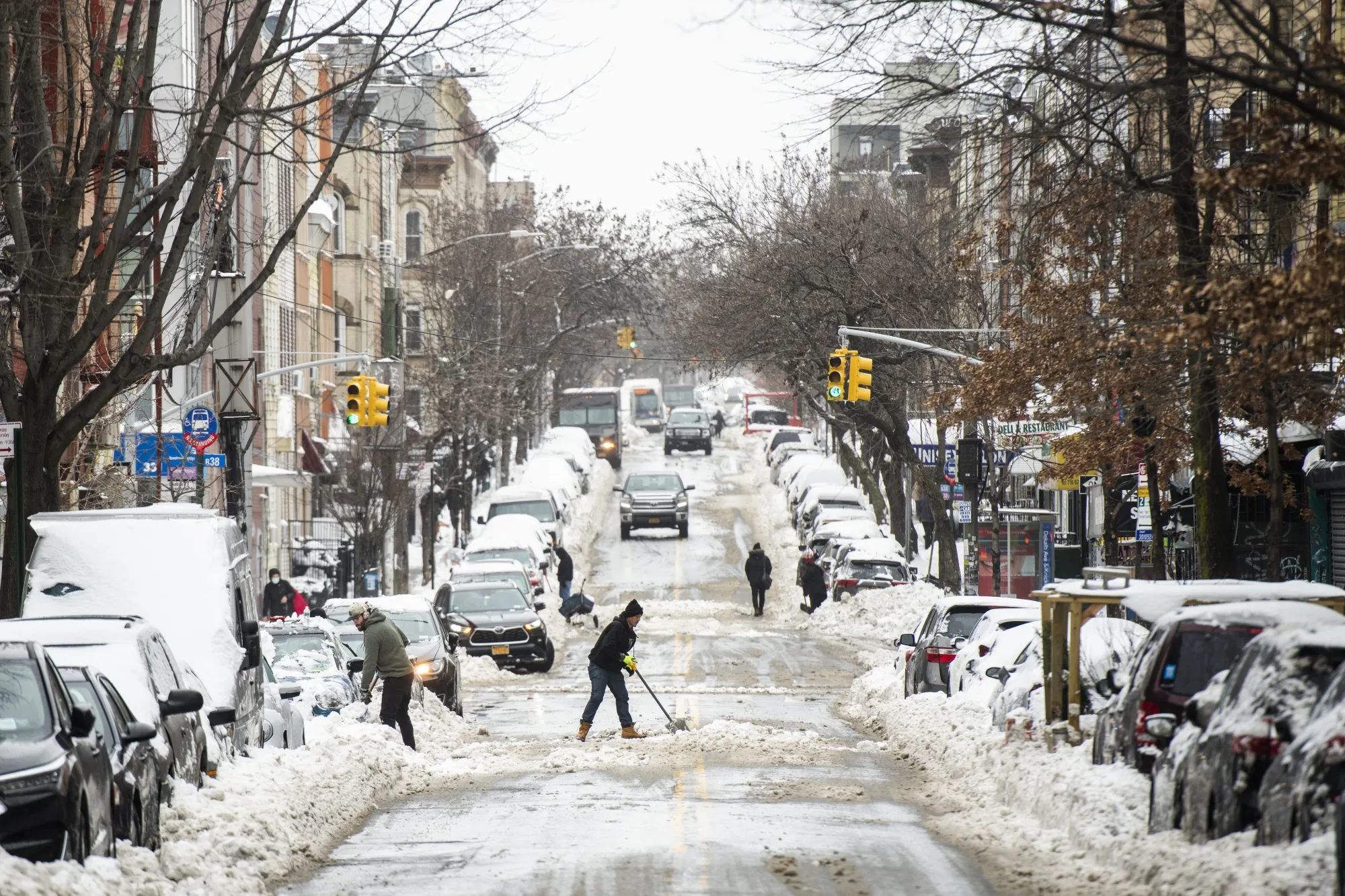
Winter in New York (December to February) can be harsh, with cold temperatures and the possibility of significant snowfall. December, while festive with holiday decorations, can see average highs in the low 40s°F (around 4°C), with overnight lows often dipping below freezing. January and February are the coldest months, with average highs hovering in the low 30s°F (-1 to 0°C) and frequent drops well below. Snowfall is common, ranging from light dustings to major blizzards that can paralyze the city.
What to expect:
- Bitter Cold: Dressing in multiple warm layers, including hats, gloves, and scarves, is essential.
- Snowfall: Snow can transform New York into a magical winter wonderland, but it can also disrupt transportation.
- Shorter Daylight Hours: Plan your outdoor activities accordingly.
- Holiday Magic: December is a particularly special time, with festive lights and decorations adorning the city, especially around Rockefeller Center.

Activities suited for winter:
- Ice skating at Rockefeller Center or Bryant Park.
- Exploring world-class museums and art galleries.
- Enjoying cozy meals in intimate restaurants.
- Catching Broadway shows and holiday performances.
- Window shopping along Fifth Avenue to admire the elaborate holiday displays.
- Experiencing the festive atmosphere and iconic Christmas tree at Rockefeller Center.
Packing Smart for New York’s Weather
The key to a comfortable visit to New York City, regardless of the season, is to pack smart and layer effectively. Your wardrobe should be a reflection of the anticipated weather, with flexibility to adapt to unexpected changes.
Essential Packing Tips by Season
Spring & Autumn: The Versatile Layers
These shoulder seasons are all about versatility.
- Tops: Pack a mix of long-sleeved shirts, sweaters, and a few lighter t-shirts.
- Bottoms: Jeans, comfortable trousers, and perhaps a skirt or dress with tights are suitable.
- Outerwear: A medium-weight jacket, such as a trench coat or a stylish bomber jacket, is ideal. A waterproof shell or a water-resistant jacket is highly recommended for spring showers or autumn drizzles.
- Footwear: Comfortable walking shoes are a must, as you’ll be doing a lot of exploring on foot. Consider waterproof or water-resistant options.
- Accessories: A scarf can add warmth and style, and a small umbrella is indispensable.
Summer: Light and Breathable
Focus on comfort in the heat.
- Tops: Lightweight, breathable fabrics like cotton and linen are your best friends. T-shirts, tank tops, and light blouses are perfect.
- Bottoms: Shorts, capris, light skirts, and sundresses are excellent choices.
- Outerwear: You might only need a very light cardigan or a denim jacket for cooler evenings or air-conditioned interiors.
- Footwear: Sandals, comfortable sneakers, and open-toed shoes are suitable. Ensure they are comfortable for walking long distances.
- Accessories: Sunglasses, a wide-brimmed hat for sun protection, and sunscreen are vital. A reusable water bottle is also a smart addition.
Winter: Warmth and Protection
Prioritize insulation and protection from the elements.
- Tops: Thermal base layers, sweaters (wool or fleece), and long-sleeved shirts are crucial.
- Bottoms: Warm trousers, possibly fleece-lined leggings, or thermal-lined pants are recommended. Jeans can be worn, but may not be warm enough on their own in deep winter.
- Outerwear: A heavy, insulated winter coat is non-negotiable. Look for something waterproof and windproof.
- Footwear: Insulated, waterproof boots with good traction are essential for walking on snowy or icy sidewalks.
- Accessories: A warm hat that covers your ears, insulated gloves or mittens, and a thick scarf are absolutely necessary. Consider thermal socks.
Experiencing New York Through Its Weather
The weather in New York City isn’t just a backdrop; it’s an integral part of the experience, shaping the city’s rhythm and offering unique opportunities for exploration. Whether you’re seeking the bustling energy of a summer street festival or the serene beauty of a snow-dusted Times Square, embracing the prevailing conditions can lead to unforgettable memories.
Seasonal Highlights and Weather-Dependent Activities
Each season offers a distinct flavor of New York, and understanding the typical weather helps in planning your itinerary.
-
Spring: Witness the city come alive with blossoming flowers in Central Park and Prospect Park. Enjoy outdoor dining as sidewalk cafes reopen. The weather is generally mild, perfect for walking tours and exploring neighborhoods like SoHo or Greenwich Village. The Tribeca Film Festival often takes place in spring, offering a cultural immersion.
-
Summer: Embrace the heat with trips to Coney Island or the beaches of The Rockaways. Enjoy free Shakespeare in the Park at the Delacorte Theater or catch an outdoor concert. The city’s vibrant nightlife takes on an extra sparkle during the long, warm evenings. Consider a stay at a resort with a pool for those particularly hot days.
-
Autumn: This is arguably the most popular time for many visitors due to the pleasant temperatures and stunning fall foliage. Perfect for exploring the Brooklyn Bridge, visiting outdoor markets, and enjoying scenic walks. The New York City Marathon takes place in early November, a testament to the city’s endurance amidst the changing weather.
-
Winter: The city transforms into a magical wonderland during the holidays. Experience the iconic Christmas tree at Rockefeller Center, enjoy ice skating, and immerse yourself in the festive atmosphere. While cold, winter offers a unique charm, from cozying up in a cafe to witnessing a snow-covered cityscape from a skyscraper’s observation deck. Consider a luxury hotel with excellent indoor amenities for a comfortable retreat from the cold.

Adapting Your Itinerary
Flexibility is key when visiting New York. Always check the weather forecast before you head out for the day and be prepared to adjust your plans. A sudden downpour might mean swapping a park visit for an afternoon in a renowned museum like the Guggenheim Museum or exploring the vast collections at the New York Public Library. A heatwave could encourage an early morning visit to The Met followed by a leisurely lunch in an air-conditioned restaurant. Conversely, a crisp winter day is perfect for exploring Wall Street or taking a ferry to see the Statue of Liberty without the summer crowds.
Ultimately, the weather in New York is just one piece of the puzzle. Whether it’s sunshine or snow, a gentle spring breeze or a biting winter wind, New York City offers a wealth of experiences to be enjoyed year-round. By being informed about the typical climate and packing accordingly, you can ensure that the weather enhances, rather than hinders, your unforgettable journey.
LifeOutOfTheBox is a participant in the Amazon Services LLC Associates Program, an affiliate advertising program designed to provide a means for sites to earn advertising fees by advertising and linking to Amazon.com. Amazon, the Amazon logo, AmazonSupply, and the AmazonSupply logo are trademarks of Amazon.com, Inc. or its affiliates. As an Amazon Associate we earn affiliate commissions from qualifying purchases.