
The allure of the open road, the sun on your face, and the iconic scenery of California unfolding before you – it’s a quintessential American travel experience. Whether you’re cruising down the Pacific Coast Highway, exploring the bustling streets of Los Angeles, or embarking on a desert adventure near Palm Springs, the journey is often as captivating as the destination. For many travelers, enhancing this experience involves personalizing their vehicle, and window tinting is a popular choice. It can offer a sleek aesthetic, reduce glare, and help keep the cabin cooler on hot California days. However, as with many vehicle modifications, there are regulations to consider. This article delves into the legality of 30% tint in California, providing essential information for anyone looking to enhance their California road trip experience while staying compliant with state laws.

Understanding California’s Window Tint Laws
California, like many states, has specific regulations governing the darkness of window tint allowed on vehicles. These laws are primarily in place for safety reasons, aiming to ensure drivers have adequate visibility, especially in low-light conditions, and to prevent law enforcement from being unable to clearly see inside a vehicle during traffic stops. Understanding these nuances is crucial for both residents and visitors to the Golden State.
The Specifics of VLT Percentage
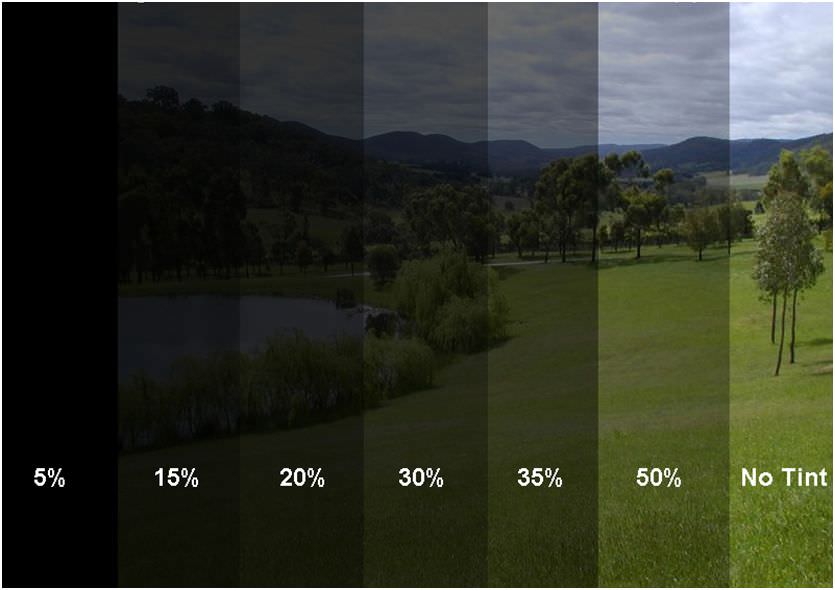
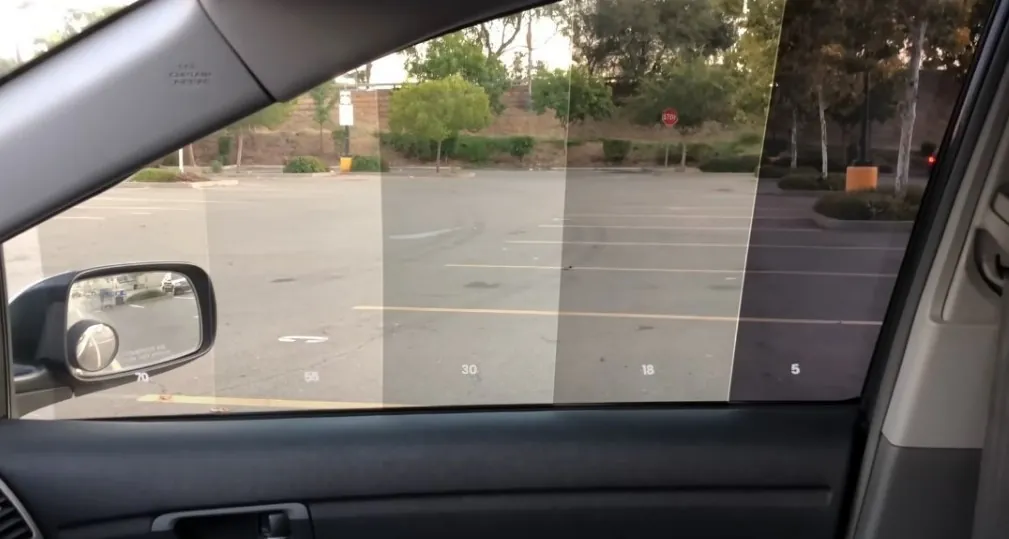
Vehicle window tint is measured by its Visible Light Transmission (VLT) percentage. This percentage indicates how much light is allowed to pass through the tinted window. For example, a 70% VLT tint allows 70% of the light to penetrate, while a 20% VLT tint allows only 20%. The lower the VLT percentage, the darker the tint.
California Vehicle Code Section 26708.5 is the primary legislation addressing window tinting. It outlines the permissible VLT levels for different windows on a vehicle. It’s important to note that these regulations are generally applied to the side and rear windows.
Front Windshield and Front Side Windows: Strict Regulations
The most stringent rules apply to the front windshield and the front side windows of a vehicle. California law strictly prohibits any tinting on the front windshield, except for a strip at the very top (typically the AS-1 line) to reduce sun glare. This is a critical safety measure to ensure unobstructed visibility for the driver at all times.
For the front side windows (the windows immediately to the driver’s and front passenger’s left and right), the law mandates a minimum VLT of 70%. This means that no more than 30% of light can be blocked. Therefore, a tint darker than 70% VLT on the front side windows is illegal in California. This regulation is in place to ensure clear visibility for law enforcement during traffic stops and to allow for easy identification of occupants.
Rear Window and Rear Side Windows: More Lenient Rules
The regulations become more relaxed when it comes to the rear side windows and the rear windshield. California law permits darker tinting on these windows. Specifically, the VLT for the rear side windows and the rear windshield can be as low as 35%. This means that up to 65% of light can be blocked on these windows. This allowance provides drivers with more privacy and can significantly reduce the interior temperature of the vehicle.
So, Is 30% Tint Legal In California?
Based on the regulations outlined above, let’s directly address the question: Is 30% tint legal in California?
The answer depends entirely on which windows you are referring to.
Front Side Windows: No, 30% Tint is Illegal
For the front side windows of your vehicle, a 30% VLT tint is illegal in California. As previously stated, the legal limit for the front side windows is a minimum of 70% VLT, meaning you can only have a maximum of 30% tint. A 30% tint allows only 30% of light through, which is significantly darker than the legal maximum of 70% VLT. Violating this rule can result in a citation and a fine.
Rear Side Windows and Rear Windshield: Yes, 30% Tint is Legal
However, for the rear side windows and the rear windshield, a 30% VLT tint is legal in California. The law permits a VLT of down to 35% for these windows, meaning that a 30% tint, which allows 30% of light through, falls within the legal range. Many drivers opt for this darker tint on the rear of their vehicles for increased privacy and for its superior heat-reducing capabilities, especially when driving through sunny regions like the Mojave Desert or along the coast.
Medically Exemptions
It is important to note that California law does allow for medically-exempt tinting. If a person has a medical condition that requires protection from the sun, such as certain skin conditions or photosensitivity, they may be able to obtain a medical exemption from the Department of Motor Vehicles (DMV). This exemption would allow for darker tinting than what is normally permitted, but it requires proper documentation and adherence to specific procedures. Travelers who believe they might qualify for such an exemption should research the official DMV guidelines or consult with a legal professional.
The Benefits of Legal Window Tinting
Even within the legal limits, window tinting offers several practical advantages for travelers in California. Choosing the right VLT percentage for your vehicle can significantly enhance your driving experience and the comfort of your passengers.
Heat Reduction and UV Protection
California’s climate can be notoriously hot, especially during the summer months. Window tinting, even at legal levels, can dramatically reduce the amount of heat that penetrates your vehicle’s cabin. This means less reliance on air conditioning, leading to improved fuel efficiency and a more comfortable ride. Furthermore, most quality window films block a significant percentage of harmful ultraviolet (UV) rays, protecting both your skin and the interior of your vehicle from sun damage and fading. This is particularly beneficial for long road trips where you’ll be spending extended periods in the car.
Glare Reduction and Driving Safety
Excessive glare from the sun can be a major distraction and a safety hazard while driving. Legal window tints help to reduce this glare, allowing for clearer vision and a more comfortable driving experience. This is especially important when driving on bright, sunny days or when dealing with reflections from other vehicles or the road surface. While extremely dark tints can impede visibility in low-light conditions, legally compliant tints strike a balance between reducing glare and maintaining adequate visibility.
Privacy and Security
A slightly darker tint on the rear windows can offer an added layer of privacy for occupants and can deter potential thieves by making it more difficult to see what is inside the vehicle. This can provide peace of mind, especially when parking in unfamiliar areas or when leaving belongings in your car. However, it is crucial to remember that even with darker rear tints, the front windows must comply with the 70% VLT requirement.
Ensuring Compliance for Your California Trip
When planning a trip to California, or if you’re a California resident looking to tint your vehicle, it’s essential to ensure you are in compliance with the state’s laws. This will help you avoid potential fines and traffic citations, allowing you to focus on enjoying your travels.
Professional Installation
The best way to ensure your window tint is applied correctly and legally is to have it installed by a reputable professional. Experienced tint shops are well-versed in California’s specific regulations and can advise you on the best tinting options that meet legal requirements. They use high-quality materials and have the expertise to apply the tint smoothly and without bubbles or imperfections.
Knowing Your Tint Percentage
Before getting your windows tinted, ask the installer for the exact VLT percentage of the film they are using. Many tint films are sold with their VLT clearly labeled. If you are purchasing a pre-owned vehicle with tinted windows, it’s a good idea to have the tint checked to ensure it complies with California law. Some tint shops offer tint meters that can accurately measure the VLT of existing window tint.
Out-of-State Vehicles
It’s worth noting that California law enforcement officers will enforce California’s tint laws on vehicles registered in other states as well. If you are visiting California in a vehicle with tinted windows, ensure your tint complies with California’s regulations to avoid any issues. While some states have different tint laws, you will be subject to the laws of the state you are currently in.
By understanding and adhering to California’s window tint regulations, you can enjoy the beauty and freedom of driving in the Golden State with confidence and peace of mind. Whether you are heading to the beaches of San Diego, the wineries of Napa Valley, or the national parks like Yosemite, a legally tinted vehicle can contribute to a safer and more comfortable journey.
LifeOutOfTheBox is a participant in the Amazon Services LLC Associates Program, an affiliate advertising program designed to provide a means for sites to earn advertising fees by advertising and linking to Amazon.com. Amazon, the Amazon logo, AmazonSupply, and the AmazonSupply logo are trademarks of Amazon.com, Inc. or its affiliates. As an Amazon Associate we earn affiliate commissions from qualifying purchases.