
Navigating the nuances of vehicle customization, especially window tinting, is a common consideration for drivers who prioritize both aesthetics and comfort. In a state like Arizona, where scorching desert temperatures are a daily reality for much of the year, window tint can feel less like a luxury and more like a necessity. However, understanding the legal landscape is crucial to ensure your driving lifestyle remains compliant and hassle-free. The question of whether 5 percent tint is legal in Arizona is a frequent one, and the answer involves specific regulations that every driver, whether a resident or a visitor on a scenic road trip, should be aware of.
Understanding Arizona’s Window Tint Laws for an Uninterrupted Driving Lifestyle
The legality of window tint is governed by Visible Light Transmission (VLT) percentages, which specify how much light must pass through a window. These laws are designed not only for the safety of the vehicle’s occupants but also for law enforcement visibility and general road safety. Ignoring these regulations can lead to costly fines and unnecessary stress, disrupting the smooth flow of your daily commute or planned adventures across the Grand Canyon State.
What Does 5 Percent Tint Really Mean?
When you hear “5 percent tint,” it refers to a VLT of 5%. This means that only 5% of external light can pass through the window, making it extremely dark. Often referred to as “limo tint,” it provides maximum privacy and heat rejection. While appealing for its ability to significantly reduce glare and internal temperatures, its extreme darkness raises significant concerns regarding visibility, especially at night or in adverse weather conditions. For this reason, 5% tint is typically among the darkest options available and is often restricted or entirely prohibited for certain windows in most jurisdictions, including Arizona.
The Specifics: Arizona Visible Light Transmission (VLT) Regulations
Arizona tint laws are quite specific, distinguishing between different windows of a vehicle. These regulations are outlined in the Arizona Revised Statutes, specifically A.R.S. § 28-959.01, which governs vehicle windows and sunscreening materials. Understanding these distinctions is key to maintaining a legally compliant and enjoyable driving lifestyle in the state.
Front Windshield
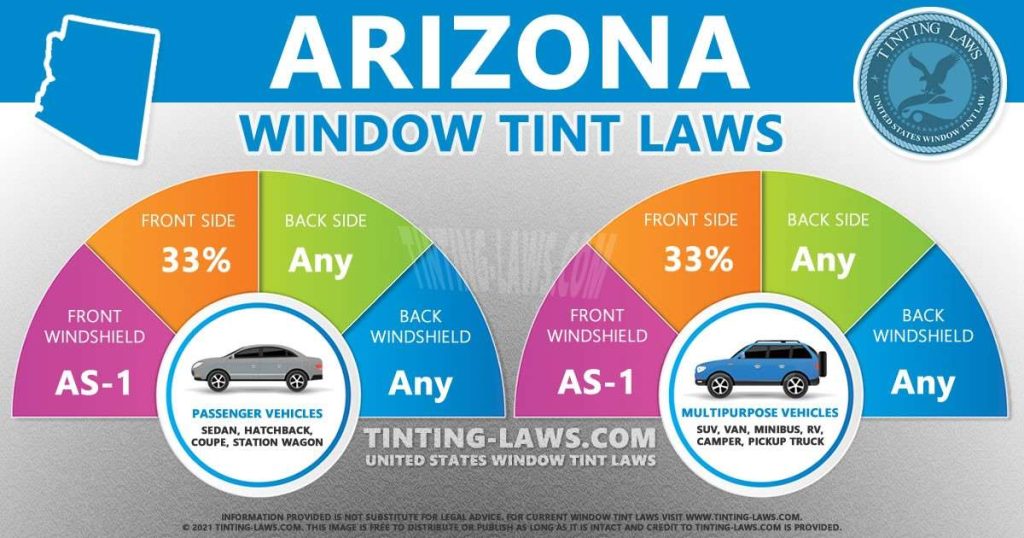
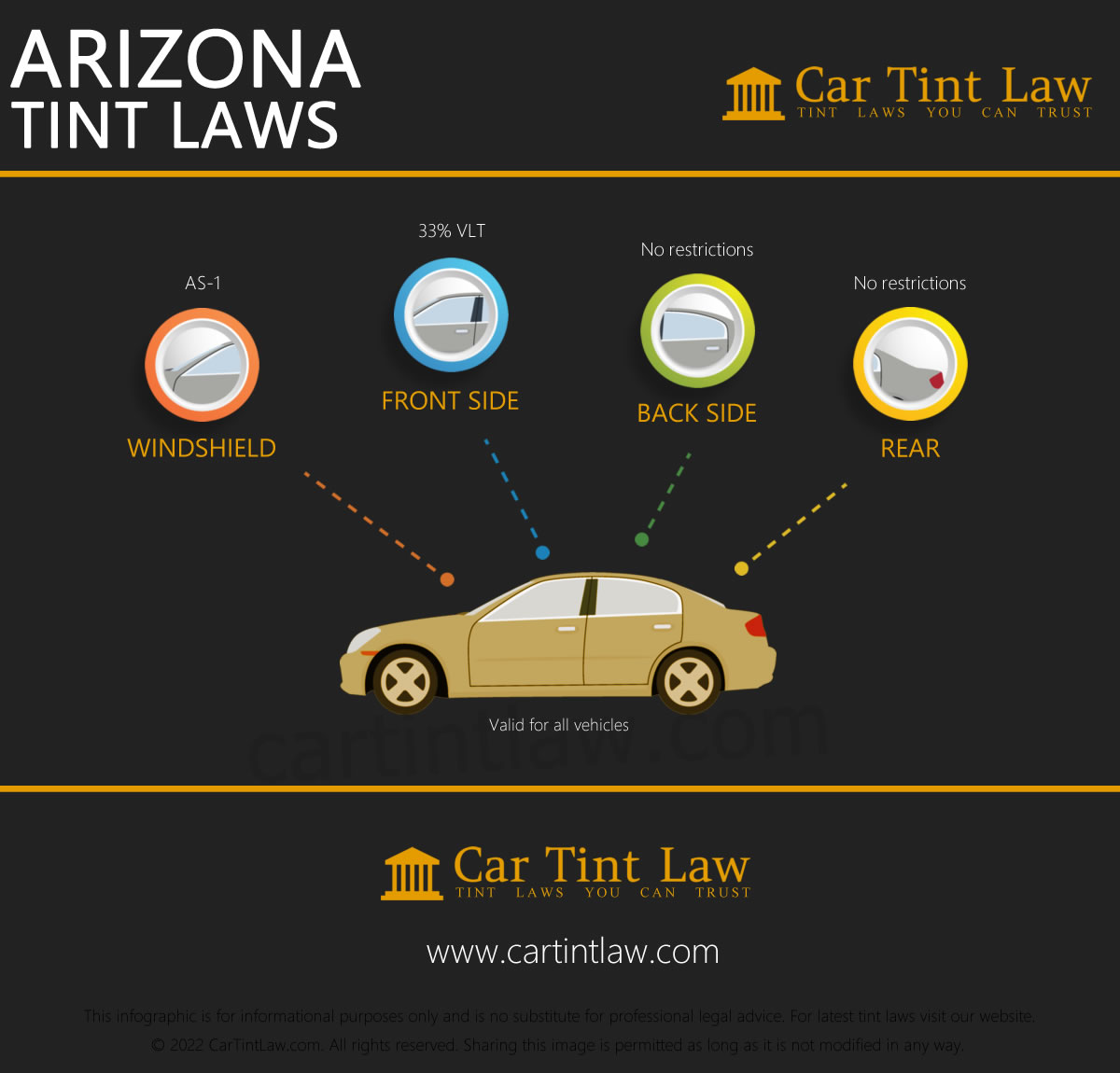
For the front windshield, Arizona law permits a non-reflective tint strip on the top portion. This strip can only extend down to the AS-1 line, which is usually marked on the windshield itself, typically about five inches from the top. Below this line, the front windshield must remain clear and allow for 100% VLT, meaning no tinting is allowed at all. The purpose of this regulation is to ensure maximum visibility for the driver, a critical safety measure that underpins responsible driving practices.
Front Side Windows
This is where the 5% tint question becomes highly relevant. For the front side windows (those on either side of the driver and front passenger), Arizona law stipulates that the tint must allow more than 35% of visible light to pass through. This means a minimum of 35% VLT is required. Consequently, 5 percent tint on your front side windows is illegal in Arizona. The 35% VLT rule aims to strike a balance between allowing drivers some heat and glare reduction while ensuring law enforcement can clearly see the vehicle’s occupants during traffic stops, enhancing safety for everyone involved.
Rear Side Windows
Unlike the front side windows, the regulations for the rear side windows (behind the driver and front passenger) are significantly more lenient. Arizona law permits any darkness of tint on these windows. This means that 5 percent tint is legal for the rear side windows in Arizona. This provision allows for greater privacy and enhanced heat rejection for passengers in the rear, which is particularly beneficial in Arizona’s intense sun.
Rear Window
Similar to the rear side windows, the rear window (back window) of a vehicle can also have any darkness of tint, meaning 5 percent tint is legal here as well. However, if the rear window is tinted, the vehicle must be equipped with dual side mirrors. These mirrors compensate for any potential reduction in rearward visibility caused by the dark tint, ensuring the driver maintains adequate situational awareness, a key component of safe driving in any environment.
Why Tint Laws Matter for Your Lifestyle and Travel
Understanding and adhering to window tint laws is more than just about avoiding a ticket; it’s about making informed choices that impact your daily driving lifestyle, personal comfort, safety, and even your travel experiences throughout Arizona.
Beyond Aesthetics: Safety and Regulatory Compliance
While the aesthetic appeal of dark windows and the desire for privacy are often motivations for tinting, the underlying reasons for tint laws are deeply rooted in safety and public welfare. Dark tints, especially on front windows, can impede a driver’s ability to see pedestrians, cyclists, or other vehicles, particularly in low-light conditions. They also make it difficult for law enforcement officers to identify occupants or observe activity within a vehicle, which can be a safety concern during routine stops. For the informed driver, compliance isn’t merely about following rules; it’s about contributing to a safer road environment for everyone, a core aspect of responsible living and traveling.
Navigating the Desert Heat with Legal Tint
Arizona’s climate is notoriously hot, with summer temperatures regularly soaring well into triple digits. Window tint is an incredibly effective way to reduce the interior temperature of a vehicle, block harmful UV rays, and mitigate sun glare. For residents, this means a more comfortable daily commute and a prolonged lifespan for their vehicle’s interior. For travelers exploring Arizona’s breathtaking landscapes, legally compliant tint can significantly enhance the comfort of a long road trip, protecting passengers from sun exposure and reducing driver fatigue caused by glare. Making choices that balance comfort with legality ensures your journey through the desert is both pleasant and stress-free.
The Impact on Privacy and Personal Comfort
The desire for privacy and enhanced personal comfort within one’s vehicle is a significant draw for window tinting. Darker tints offer a sense of seclusion, making passengers feel more secure and private, which can be particularly appealing for families or those who frequently carry valuables. While 5% tint offers the highest level of privacy, understanding where it’s legally permitted allows drivers to maximize these benefits without violating the law. Strategic application of tint, such as using 5% on rear windows where legal, allows for enhanced comfort and privacy while maintaining legal compliance on the front windows for safety. This thoughtful approach supports a personalized driving lifestyle without legal repercussions.
Penalties, Exemptions, and Best Practices for Drivers in Arizona
Ignorance of the law is no excuse, and this holds true for window tint regulations in Arizona. Being prepared and making informed decisions about your vehicle’s customization is essential for an uninterrupted driving experience.
Consequences of Non-Compliance
Driving with illegal window tint in Arizona can result in a traffic citation, which typically falls under a non-moving violation. While not usually as severe as a moving violation, it still carries a fine and can require you to remedy the violation (remove or replace the tint) to avoid further penalties. Multiple offenses could lead to more significant fines or even an order to appear in court. These legal hassles can be a considerable inconvenience, disrupting your daily routine and impacting your budget, factors that certainly affect one’s overall lifestyle quality.
Medical Exemptions and Other Special Cases
Arizona law does provide for certain exemptions, primarily for medical reasons. Individuals who suffer from conditions that make them particularly sensitive to sunlight (e.g., lupus, porphyria, severe photosensitivity) may be eligible for a medical exemption that allows for darker tint than typically permitted. To qualify, a licensed physician must provide a signed and dated certificate stating the medical necessity. This certificate must be kept in the vehicle at all times and shown to law enforcement upon request. Furthermore, certain commercial vehicles or vehicles used for specific purposes (like limousines or ambulances) may have different tinting allowances. It’s crucial to verify these specific regulations if you believe you qualify for an exemption.
Smart Choices for Arizona Drivers: Ensuring Legal and Enjoyable Journeys
For anyone considering tinting their vehicle in Arizona, a proactive and informed approach is recommended. First, always consult the most current version of Arizona Revised Statutes for definitive legal requirements, as laws can change. Second, measure your current tint’s VLT, or have a professional do it, if you’re unsure about its legality. This simple step can prevent future complications. Lastly, if purchasing a new vehicle with pre-installed tint or moving to Arizona from another state, verify that the tint complies with Arizona’s specific laws. Making these smart choices contributes to a stress-free driving lifestyle.
A Proactive Approach to Vehicle Customization in Arizona
Embracing personal vehicle customization, such as window tinting, is a popular aspect of many driving lifestyles. However, doing so responsibly and legally is paramount, especially in a state with unique climate challenges and specific regulations like Arizona.
Choosing a Reputable Installer
When opting for window tint, the choice of installer is as critical as the choice of tint percentage. A reputable and experienced tint shop in Arizona will be well-versed in the state’s specific laws and will be able to advise you on the darkest legal options for each window of your vehicle. They can also provide a certificate of compliance or explain the VLT ratings of the films they use. Relying on professionals ensures that the job is done correctly, using high-quality materials that last, and most importantly, that your vehicle remains fully compliant with Arizona law. This commitment to quality and legality enhances the longevity and enjoyment of your vehicle, contributing positively to your lifestyle.

Out-of-State Visitors and New Residents
For individuals traveling through Arizona or those planning a relocation to the state, understanding these tint laws becomes even more vital. While many states have reciprocal agreements regarding vehicle registrations and modifications, it’s generally advisable for long-term stays or residency to ensure your vehicle’s tint adheres to Arizona’s standards. If you’re planning a road trip through Arizona with out-of-state plates and heavily tinted windows, especially 5% on the front, be aware that you could still be pulled over and cited. New residents should make an assessment of their vehicle’s tint as part of their relocation checklist to avoid immediate compliance issues. A smooth transition into Arizona’s driving lifestyle starts with being well-informed and prepared.
In conclusion, while 5 percent tint offers significant benefits in terms of privacy and heat rejection, its legality in Arizona is restricted to the rear and rear side windows. For the front side windows, a minimum of 35% VLT is required, and the front windshield has even stricter limitations. By understanding and respecting these regulations, drivers can enhance their comfort and maintain their vehicle’s aesthetic appeal without compromising safety or legal compliance, ensuring a pleasant and uninterrupted driving lifestyle in the beautiful state of Arizona.
LifeOutOfTheBox is a participant in the Amazon Services LLC Associates Program, an affiliate advertising program designed to provide a means for sites to earn advertising fees by advertising and linking to Amazon.com. Amazon, the Amazon logo, AmazonSupply, and the AmazonSupply logo are trademarks of Amazon.com, Inc. or its affiliates. As an Amazon Associate we earn affiliate commissions from qualifying purchases.