
Understanding the legal ramifications of a Driving Under the Influence (DUI) charge in Colorado is crucial for anyone visiting or residing in the state, especially when considering the potential for serious consequences. While many associate DUIs with misdemeanors, the question of whether a DUI constitutes a felony in Colorado is complex and depends on a variety of factors, most notably the number of prior offenses and specific circumstances surrounding the arrest. This article will delve into the intricacies of Colorado DUI law, clarifying when these offenses escalate to felony status and what that entails for an individual.
Understanding DUI Offenses in Colorado
In Colorado, a DUI is defined as operating a motor vehicle while under the influence of alcohol or drugs, or with a blood alcohol content (BAC) of 0.08% or higher. For commercial drivers, the BAC limit is 0.04%, and for drivers under 21, any detectable amount of alcohol can lead to a DUI.
First and Second Offenses: Misdemeanors
Generally, a first or second DUI offense in Colorado is classified as a misdemeanor. While a misdemeanor is a less severe criminal offense than a felony, it still carries significant penalties. These can include:
- Jail time: Even for a first offense, a judge can impose jail sentences ranging from a minimum of 48 hours to a maximum of one year. Second offenses typically carry longer mandatory jail minimums.
- Fines: Fines can range from several hundred to over a thousand dollars.
- License suspension: Drivers will face mandatory license suspensions, with longer periods for subsequent offenses.
- Ignition interlock device (IID): Installation of an IID, which requires a breath sample before the vehicle can be started, is often a condition of license reinstatement.
- Probation: A period of supervised probation is common, during which the individual must adhere to strict conditions.
- Substance abuse treatment: Court-ordered alcohol or drug education and treatment programs are frequently mandated.
While these penalties are substantial and can impact one’s daily life, including travel and employment, they do not equate to a felony charge. However, the path to more serious consequences begins with accumulating prior convictions.
Escalating to Felony Status: Third and Subsequent Offenses
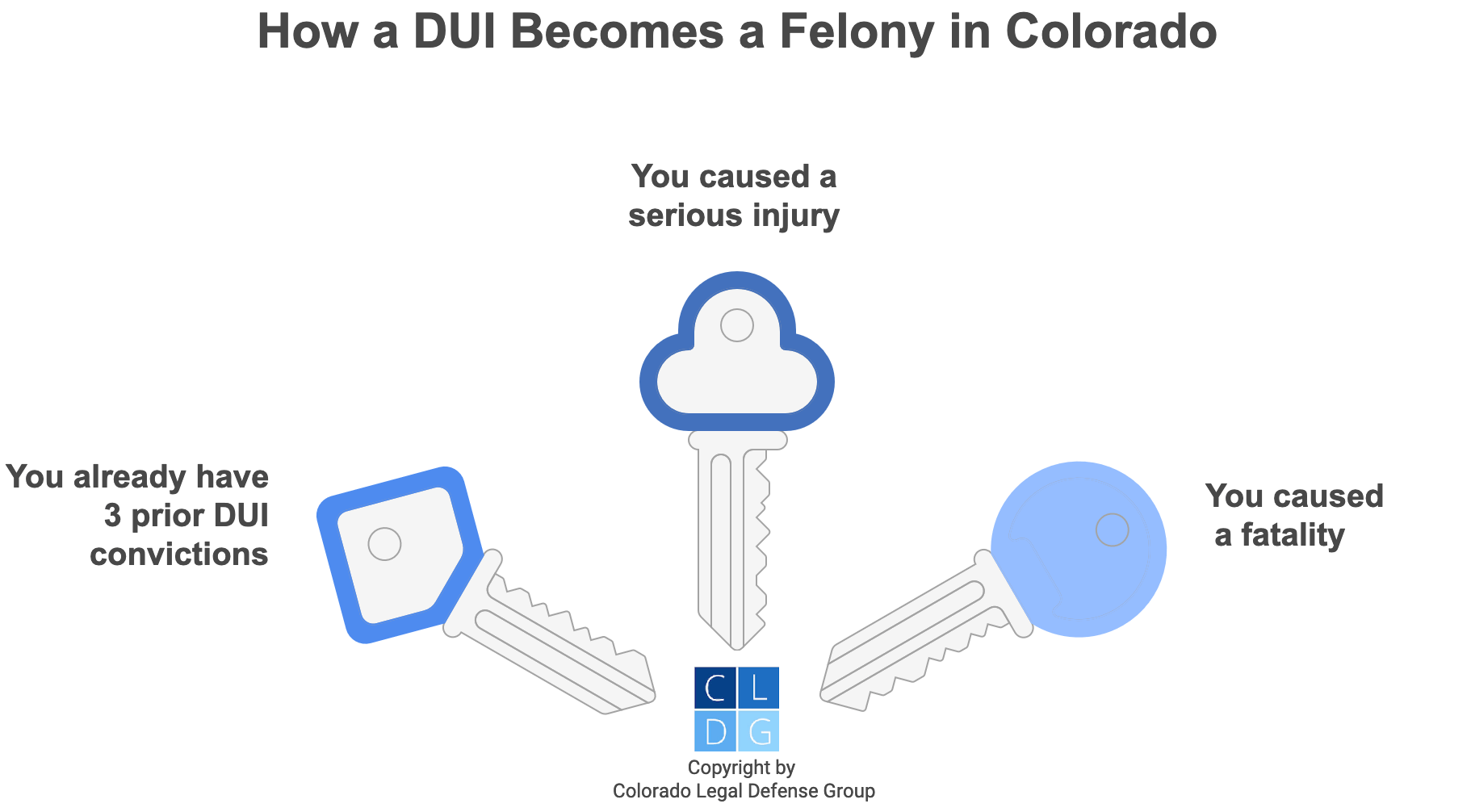
The critical threshold for a DUI to become a felony in Colorado is typically the third DUI conviction within a seven-year period. A third DUI offense within this timeframe is classified as a Class 4 felony. This designation brings a host of more severe repercussions.
Penalties for Felony DUIs
The penalties for a felony DUI are significantly more stringent and can include:
- Lengthy prison sentences: A Class 4 felony can result in a prison sentence of at least one year and up to six years. The exact duration often depends on aggravating factors and the judge’s discretion.
- Substantial fines: Fines for a felony DUI can be considerably higher than for misdemeanors, potentially reaching thousands of dollars.
- Extended license revocation: License revocation periods are much longer for felony DUIs, making it difficult to regain driving privileges.
- Probationary terms: If probation is granted, it will be for an extended period and will involve rigorous supervision and numerous conditions.
- Mandatory participation in rehabilitation programs: Intensive and long-term substance abuse treatment is almost always a requirement.
The classification as a felony has broader implications beyond the immediate legal penalties. A felony conviction can severely impact employment opportunities, the ability to travel internationally, and even the right to vote or own a firearm. For those planning trips to Colorado, understanding these potential consequences is vital for responsible travel planning and adherence to local laws.
Aggravating Circumstances Leading to Felony DUIs
Beyond the number of prior offenses, certain circumstances can elevate a DUI charge to a felony even if it is not a third or subsequent offense. These aggravating factors are taken very seriously by Colorado courts and can transform what might have been a misdemeanor into a felony.
DUI with Serious Bodily Injury or Death
One of the most significant aggravating circumstances is causing serious bodily injury or death to another person while driving under the influence.

- Vehicular Assault: If a DUI results in serious bodily injury to another person, the driver can be charged with vehicular assault, which is a felony offense. The severity of the felony and the potential prison sentence will depend on the degree of injury sustained by the victim.
- Vehicular Homicide: In the most tragic of circumstances, if a DUI leads to the death of another individual, the driver can face charges of vehicular homicide, a serious felony with penalties including lengthy prison sentences and substantial fines. These cases often involve lengthy legal battles and profound emotional and financial consequences for all parties involved.
These charges are distinct from a standard DUI but are directly linked to the act of driving while impaired and causing harm. For visitors, this underscores the extreme importance of never driving under the influence, regardless of the duration of their stay or their familiarity with the area.
DUI Involving a Child Passenger
Another aggravating factor that can lead to felony charges is having a minor child under the age of 15 in the vehicle at the time of the DUI arrest. This offense, often referred to as Child Endangerment DUI, can result in felony charges in Colorado, even for a first offense. The rationale is that the impaired driver is not only endangering themselves and other motorists but also a vulnerable child passenger. The penalties for this can include significant jail time, fines, and mandatory participation in parenting and substance abuse programs.
DUI While Driving with a Revoked License
Driving under the influence while one’s driver’s license is already suspended or revoked due to a previous DUI conviction is also a serious offense that can be elevated to a felony. This demonstrates a disregard for previous legal consequences and a continued pattern of dangerous behavior.
The Impact of a Felony DUI on Travel and Lifestyle
For anyone contemplating travel to or within Colorado, understanding the implications of a felony DUI is paramount. A felony conviction can have far-reaching effects on one’s ability to travel, both domestically and internationally.
International Travel Restrictions
Many countries have strict entry requirements, and a felony conviction can lead to an individual being deemed inadmissible. This means that individuals with a Colorado felony DUI may be denied entry into countries such as Canada, the United Kingdom, and many others. Some countries may grant waivers or permits, but these processes are often complex, time-consuming, and not guaranteed. For individuals who travel frequently for business or pleasure, a felony DUI can permanently alter their ability to explore the world.
Domestic Travel Considerations
While domestic travel within the United States is generally less restrictive, a felony conviction can still present challenges. Rental car companies may have policies that prevent individuals with felony convictions from renting vehicles. Furthermore, certain types of employment that involve travel or working with vulnerable populations may become inaccessible.
Lifestyle and Personal Impact
Beyond travel, a felony DUI can profoundly affect one’s personal life. The stigma associated with a felony conviction can impact relationships, social opportunities, and overall well-being. The legal costs, fines, and potential loss of income due to incarceration or restricted employment can lead to significant financial hardship. For those who have had prior DUIs, understanding the precise legal definitions and timelines in Colorado is essential to avoid crossing the threshold into felony territory.

Seeking Legal Counsel for DUI Charges in Colorado
Given the severe potential consequences, particularly the escalation to felony status, anyone facing a DUI charge in Colorado should seek experienced legal counsel immediately. An attorney specializing in DUI defense can:
- Assess the specifics of the case: Each DUI arrest is unique, and an attorney can analyze the evidence, police conduct, and any potential legal defenses.
- Explain the charges and potential penalties: A lawyer can clarify the difference between misdemeanor and felony DUI charges and outline the specific penalties applicable to the individual’s situation.
- Negotiate with prosecutors: An experienced attorney can negotiate with the district attorney’s office to seek reduced charges or more favorable plea agreements.
- Represent the individual in court: From arraignments to trials, a defense attorney will advocate for the client’s rights and best interests.
- Advise on license suspension hearings: DUI arrests in Colorado trigger administrative license suspension hearings that are separate from criminal court proceedings. An attorney can represent clients in these crucial hearings.
Navigating the complexities of Colorado DUI law, especially concerning felony charges, requires expert knowledge. Whether you are a resident or a visitor planning an adventure in the Rocky Mountains, understanding these legal nuances is a critical aspect of responsible behavior and planning.
In conclusion, while a first or second DUI in Colorado is typically a misdemeanor, a third or subsequent DUI offense within a seven-year period, or a DUI involving serious bodily injury or death, or a child passenger, can indeed be a felony. The ramifications of a felony DUI are substantial, impacting not only legal standing but also personal freedoms and opportunities, including the ability to travel. Vigilance, responsible decision-making, and seeking appropriate legal guidance are paramount when dealing with DUI matters in the Centennial State.
LifeOutOfTheBox is a participant in the Amazon Services LLC Associates Program, an affiliate advertising program designed to provide a means for sites to earn advertising fees by advertising and linking to Amazon.com. Amazon, the Amazon logo, AmazonSupply, and the AmazonSupply logo are trademarks of Amazon.com, Inc. or its affiliates. As an Amazon Associate we earn affiliate commissions from qualifying purchases.