
Navigating the legal landscape of driving under the influence (DUI) in any state can be a complex undertaking, particularly for travelers and those planning extended stays. When the destination is Oregon, understanding the severity of a DUI charge is paramount. This guide aims to clarify the felony status of DUIs in Oregon, offering insights relevant to visitors, temporary residents, and anyone seeking to comprehend Oregon’s legal framework concerning impaired driving. While this article is for informational purposes and not a substitute for legal counsel, it provides a foundational understanding of the nuances that define a DUI in Oregon and when it can escalate to a felony offense.
Understanding DUI Charges in Oregon
In Oregon, a driving under the influence (DUI) charge, often referred to as driving while intoxicated (DWI) in other jurisdictions, is a serious offense. The core of the charge revolves around operating a vehicle while one’s physical or mental faculties are impaired by alcohol or controlled substances, or when the blood alcohol content (BAC) meets or exceeds the legal limit. For most drivers in Oregon, this limit is 0.08%. However, commercial drivers have a lower limit of 0.04%, and drivers under 21 years of age are subject to a zero-tolerance policy, meaning any detectable amount of alcohol can lead to a citation.
The Initial Misconception: Is a First-Time DUI Always a Misdemeanor?
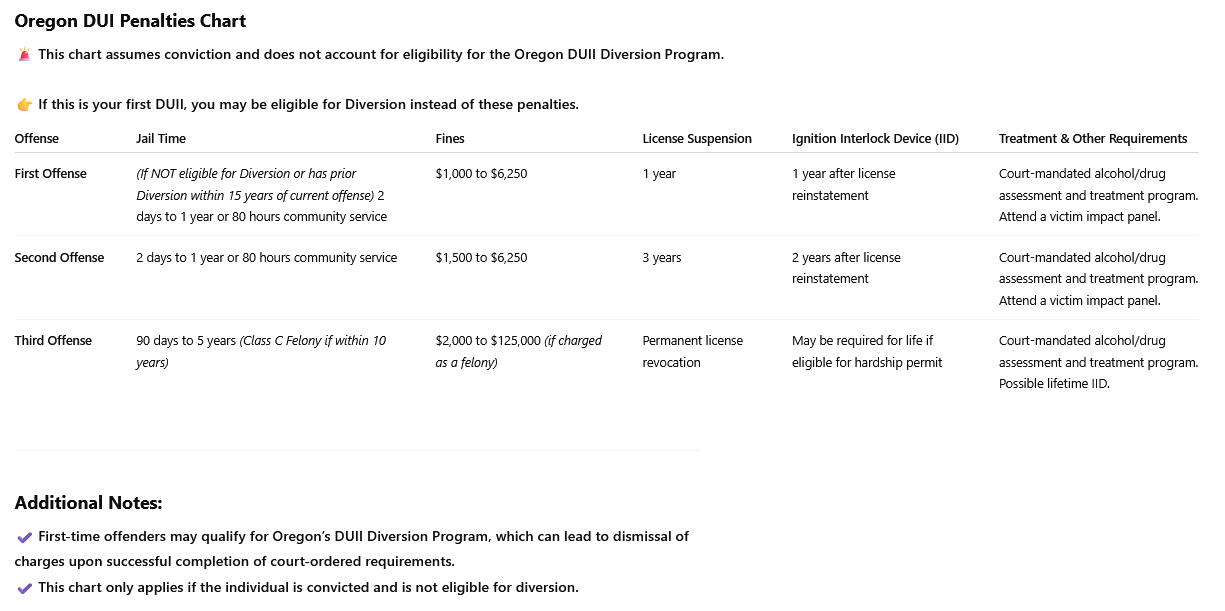
A common point of confusion is whether an initial DUI offense in Oregon automatically lands in the misdemeanor category. Generally, a first-time DUI offense in Oregon, without aggravating circumstances, is classified as a Class B misdemeanor. This carries penalties such as fines, jail time (often suspended for first offenders), mandatory alcohol education programs, license suspension, and ignition interlock device requirements. However, the journey from misdemeanor to felony is not uncommon and depends on several critical factors, primarily prior offenses and specific circumstances surrounding the current charge.
Factors Elevating a DUI to a Felony in Oregon
While the initial DUI might be a misdemeanor, Oregon law outlines clear pathways for these charges to be elevated to felony status. Understanding these triggers is crucial for anyone who might be traveling through or residing in Oregon.
Prior DUI Convictions: The Most Common Pathway
The most frequent reason a DUI becomes a felony in Oregon is the presence of previous DUI convictions.
- Third DUI within 10 Years: If an individual has been convicted of two DUIs within the preceding 10 years, a third DUI offense will typically be classified as a Class C felony. This signifies a pattern of repeated disregard for the law and public safety. The penalties associated with a felony DUI are significantly more severe than those for misdemeanors, including longer prison sentences, substantial fines, and a more extensive period of license revocation.
- Fourth or Subsequent DUI: Any subsequent DUI conviction after the third within the 10-year lookback period will also be considered a felony, often carrying even more severe sentencing implications.
Aggravating Circumstances During the DUI Incident
Beyond prior convictions, certain circumstances present at the time of the DUI arrest can elevate the charge to a felony, even if it is a first offense. These factors suggest a heightened level of danger to the public.
- Child in the Vehicle: If a minor under the age of 16 is present in the vehicle during the DUI incident, the charge can be elevated to a felony. This is due to the added endangerment to a vulnerable passenger.
- Causing Serious Injury or Death: This is perhaps the most severe escalation. If a DUI incident results in serious physical injury to another person, the driver can face charges of felony assault. If the incident leads to a fatality, the charges can escalate to vehicular manslaughter or even homicide, which are among the most serious felonies.
- Excessively High BAC: While not always a direct route to a felony on its own for a first offense, an extremely high BAC can be considered as an aggravating factor in sentencing or in specific legal arguments, potentially influencing plea negotiations or judicial decisions.
- Driving with a Suspended or Revoked License: If the driver already has a suspended or revoked license due to a prior DUI, operating a vehicle while impaired is a serious offense that can be charged as a felony.
Other Related Felony Offenses
It’s important to note that other charges often arise concurrently with or instead of a felony DUI, depending on the specifics of the incident. These can include:
- Reckless Endangerment: Driving in a manner that recklessly endangers others.
- Hit-and-Run: Fleeing the scene of an accident, particularly one involving injury or death, is a serious felony in Oregon.

Penalties for Felony DUIs in Oregon
The consequences of a felony DUI conviction in Oregon are profound and far-reaching, impacting personal liberty, finances, and future opportunities.
Imprisonment and Fines
- Prison Time: Felony DUIs carry potential prison sentences, with the length determined by the specific felony classification (e.g., Class C felony) and any aggravating factors. Sentences can range from several months to several years in state prison.
- Substantial Fines: Fines for felony DUIs are significantly higher than for misdemeanors, often reaching tens of thousands of dollars. These fines are in addition to court costs, fees, and restitution to victims.
License Revocation and Reinstatement
- Extended Revocation: A felony DUI conviction typically results in a lengthy period of driver’s license revocation, often lasting for many years, and in some cases, permanently.
- Difficult Reinstatement: The process for reinstating a driver’s license after a felony DUI is arduous and requires demonstrating significant rehabilitation, often involving extensive treatment programs, ignition interlock device installation, and proof of financial responsibility.
Other Long-Term Consequences
- Criminal Record: A felony conviction creates a permanent criminal record, which can significantly impede future employment prospects, particularly in licensed professions or positions requiring trust. It can also affect housing applications and educational opportunities.
- Travel Restrictions: For non-citizens or those with international travel plans, a felony DUI can lead to issues with re-entry into Oregon or the United States and can impact visa applications or the ability to travel to other countries.
- Impact on Professional Licenses: Individuals holding professional licenses (e.g., doctors, lawyers, nurses, pilots) may face disciplinary actions, including suspension or revocation of their licenses, by their respective boards.
Legal Representation and Seeking Assistance
Given the gravity of felony DUI charges in Oregon, securing experienced legal representation is not just advisable, it is essential.
The Importance of Legal Counsel
An attorney specializing in DUI defense can:
- Analyze the Case: Thoroughly review the arrest details, evidence, and any potential violations of constitutional rights during the stop, arrest, or testing procedures.
- Negotiate with Prosecutors: Engage in negotiations with the district attorney’s office to explore potential plea bargains or reduced charges, especially if there are weaknesses in the prosecution’s case.
- Advocate in Court: Represent the accused in all court proceedings, from arraignments to potential trials, ensuring their rights are protected and presenting the strongest possible defense.
- Navigate Sentencing: Provide guidance and advocate for the most favorable sentencing outcome if a conviction is unavoidable.

Resources for Travelers and Residents
For visitors to Oregon, understanding these laws is a crucial part of responsible travel. For residents, it underscores the importance of abstaining from impaired driving. If facing a DUI charge in Oregon, immediate consultation with a local attorney is the most critical step. Many legal aid societies and bar associations offer referral services to help individuals find qualified DUI attorneys.
In conclusion, while a first-time DUI in Oregon is generally a misdemeanor, the potential for it to become a felony is significant. Prior convictions and aggravating circumstances can swiftly elevate the charge, leading to severe penalties. A comprehensive understanding of Oregon’s DUI laws is vital for anyone driving within the state, ensuring safety and legal compliance on its roads.
LifeOutOfTheBox is a participant in the Amazon Services LLC Associates Program, an affiliate advertising program designed to provide a means for sites to earn advertising fees by advertising and linking to Amazon.com. Amazon, the Amazon logo, AmazonSupply, and the AmazonSupply logo are trademarks of Amazon.com, Inc. or its affiliates. As an Amazon Associate we earn affiliate commissions from qualifying purchases.