
The quest for the perfect steak is a culinary journey many embark upon, a pursuit intertwined with travel, luxury, and the exploration of local flavors. Among the pantheon of revered beef cuts, the New York Strip holds a distinguished position, celebrated for its robust flavor and satisfying texture. But a question often arises, particularly for those planning a gastronomic adventure or seeking to recreate a fine dining experience at home: “Is a New York Strip steak truly tender?” The answer, like many things in the world of high-quality cuisine and travel, is nuanced, depending on a confluence of factors that range from the cut itself to the mastery of its preparation and the context in which it’s enjoyed.
For the discerning traveler, food isn’t just sustenance; it’s an integral part of the experience, a window into a destination’s soul. Whether savoring a prime cut in a bustling Manhattan eatery, indulging in a gourmet meal at a five-star Parisian hotel, or seeking out the best local ingredients on a culinary tour through Tuscany, the quality of the food, especially something as iconic as a steak, can define a trip. The New York Strip is more than just a piece of meat; it’s a cultural touchstone, particularly in North America, symbolizing a certain standard of dining and an approachable luxury that resonates with the lifestyle of modern explorers. Understanding its characteristics is key to appreciating its place in global cuisine and your next travel itinerary.
The Anatomy of a Classic: Understanding the New York Strip
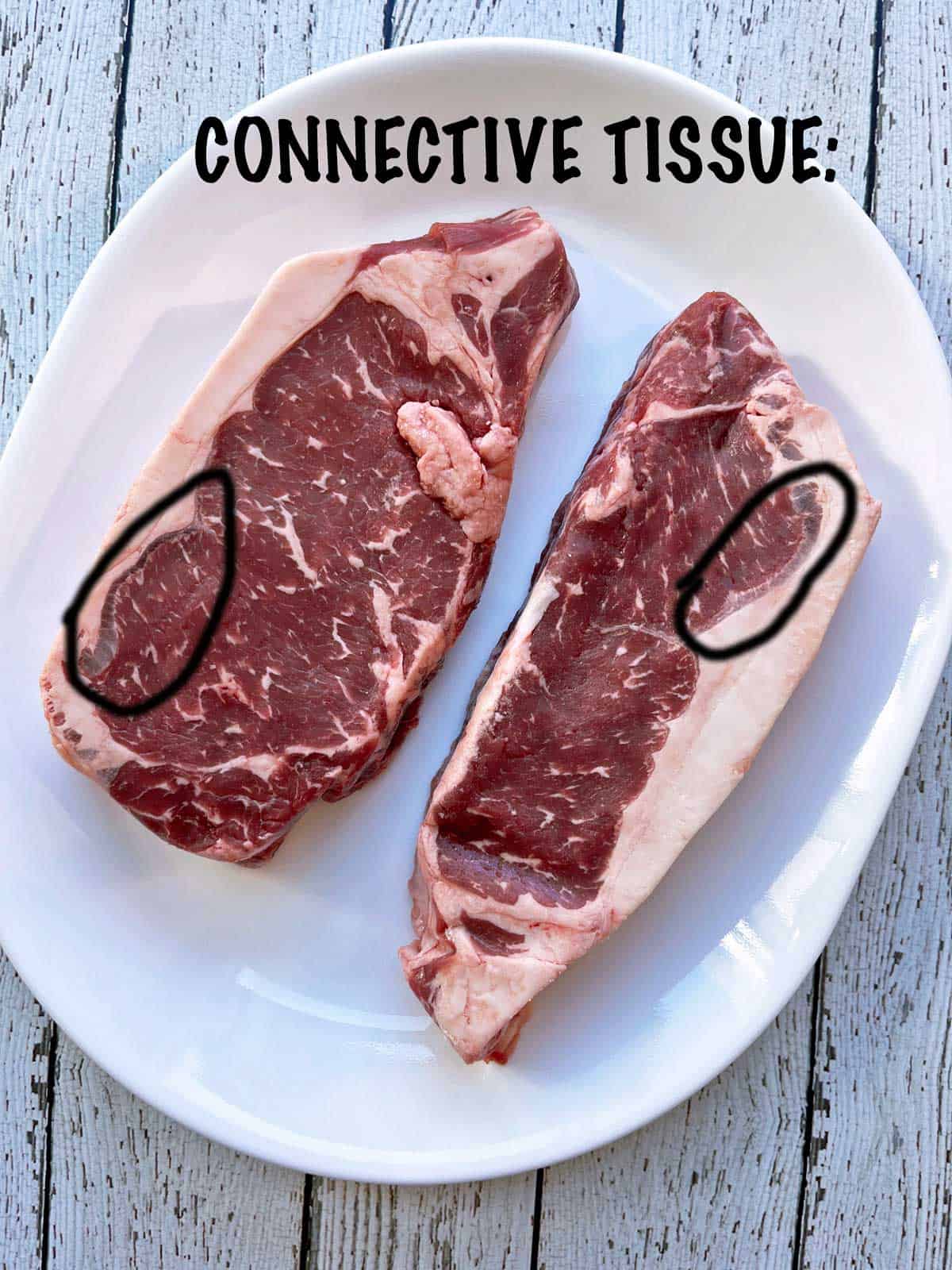
To truly grasp the tenderness of a New York Strip, one must first understand its origins and anatomical composition. This cut, also known as a Kansas City Strip, Ambassador Steak, or Club Steak in various regions, comes from the short loin of the cow. Specifically, it is cut from the longissimus dorsi muscle, an area of the animal that doesn’t do a lot of heavy lifting. This anatomical detail is crucial to its inherent tenderness. Muscles that are exercised less tend to be more tender, as they contain fewer connective tissues that toughen when cooked.
What Makes a Steak Tender? Muscle, Marbling, and Aging
The tenderness of any steak is fundamentally determined by three primary factors: the muscle’s inherent structure, the degree of marbling, and the aging process it undergoes.
Firstly, as mentioned, the muscle’s location on the animal plays a pivotal role. The short loin, situated along the back, is a relatively inactive muscle. This translates to finer muscle fibers and less tough connective tissue compared to cuts from, say, the leg or shoulder. While not as sedentary as the tenderloin (from which the filet mignon is cut), the New York Strip still boasts a respectable degree of natural tenderness.
Secondly, marbling—the intramuscular fat flecks visible within the lean meat—is a significant contributor to both tenderness and flavor. As the steak cooks, this fat renders, basting the meat from within, keeping it moist, and adding a rich, buttery depth of flavor. Higher grades of beef, such as USDA Prime or Choice, exhibit more substantial marbling. A well-marbled New York Strip will invariably be more tender and flavorful than a leaner one. For travelers seeking premium culinary experiences, understanding beef grades and their impact on marbling can inform dining choices, whether at a high-end steakhouse in Tokyo or a luxurious resort in the Caribbean.
Finally, the aging process is a critical, often overlooked, element. Beef is typically aged, either wet-aged (in vacuum-sealed bags) or dry-aged (exposed to controlled air for weeks). Both methods allow natural enzymes within the meat to break down muscle fibers, enhancing tenderness and concentrating flavor. Dry aging, especially, imparts a distinctive nutty, almost cheesy aroma and an incredibly tender texture, a hallmark of truly exceptional steakhouses often found in vibrant tourist destinations like Chicago or London. When booking accommodation or planning your itinerary, researching restaurants that feature dry-aged New York Strip can elevate your culinary tourism experience.
The Specifics of the Strip Loin: Location, Texture, and the Fat Cap
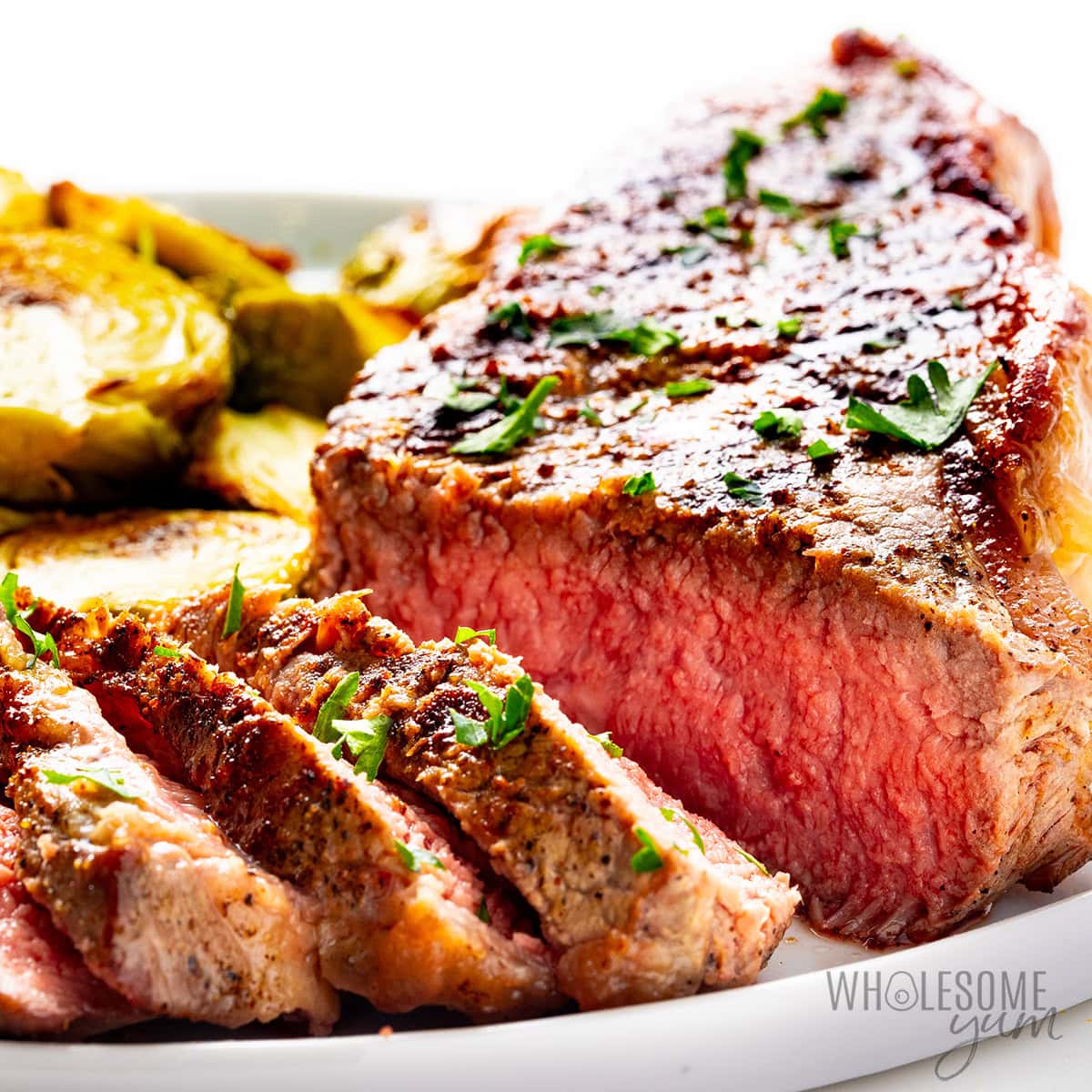
The New York Strip is distinctive for its firm, yet fine, texture. It typically comes with a strip of fat along one edge, known as the fat cap. While some diners trim this off, a well-rendered fat cap contributes significantly to the steak’s overall flavor profile and succulence. This outer layer of fat protects the meat during cooking, preventing it from drying out, and infuses it with a deeper, richer taste. The texture is often described as having a pleasant chew, a satisfying resistance that distinguishes it from the butter-softness of a filet mignon but is far from tough. It offers a perfect balance of tenderness, chew, and a robust beefy flavor that many connoisseurs find superior to more tender, but sometimes less flavorful, cuts.
A Culinary Journey: The New York Strip Across Destinations
The name itself, “New York Strip,” immediately evokes images of bustling Manhattan steakhouses, a testament to the cut’s historical significance and popularity in the city that never sleeps. However, its appeal is global, transcending geographical boundaries and finding a place on menus from upscale hotels to local eateries worldwide.
New York City’s Iconic Contribution to Steak Culture
New York City is synonymous with exceptional steak. The city’s storied steakhouses, many of which are landmarks in their own right, have perfected the art of cooking the New York Strip to an unparalleled degree. Institutions like Peter Luger Steak House or Keens Steakhouse aren’t just restaurants; they are essential New York City attractions, offering a glimpse into a bygone era of classic American dining. Dining at such establishments is more than just a meal; it’s an experience, a pilgrimage for food lovers, and a highlight for any traveler exploring the city’s vibrant lifestyle. Here, the New York Strip is often dry-aged, cooked to a perfect char, and served with minimal fuss, allowing its natural qualities to shine. For those planning a trip to New York, reserving a table at one of these iconic eateries should be high on the list of activities, offering a taste of authentic New York culture and a truly memorable culinary experience.
Global Variations and Preferences
While the name is distinctly American, the strip loin cut is enjoyed globally, albeit sometimes under different monikers or with regional culinary interpretations. In the United Kingdom and Australia, it’s often referred to as a sirloin steak (not to be confused with the American sirloin, which is a different cut). In Argentina, a country famous for its beef culture and asados, you might find a similar cut known as bife de chorizo, cooked over open flames with a distinctive smoky char. Each variation reflects local traditions, cooking methods, and flavor preferences, offering diverse experiences for the culinary traveler. Exploring these regional differences is a fascinating aspect of food tourism, allowing you to compare and contrast how different cultures celebrate this versatile cut of beef. From a traditional Japanese steakhouse in Kyoto serving perfectly grilled Wagyu strip to a French bistro in Lyon offering a classic entrecôte, the global appreciation for the strip loin is evident.
Fine Dining Experiences: Where to Find the Best
For those whose lifestyle embraces luxury travel and gourmet dining, the New York Strip is a staple on the menus of the world’s most prestigious restaurants and hotel dining rooms. Imagine dining at a Michelin-starred restaurant in Singapore, overlooking the city skyline, where a perfectly cooked New York Strip is served with innovative sauces and sides. Or perhaps enjoying a sumptuous steak dinner at a Grand Hyatt Hotel in Dubai, where the ambiance is as exquisite as the cuisine. These establishments often source the highest quality beef, like Prime Angus or even Kobe Beef variations of the strip, ensuring an unparalleled tenderness and flavor. When planning your accommodation, consider hotels that boast acclaimed restaurants, as they often offer an exceptional opportunity to experience world-class culinary artistry without having to venture far. These fine dining venues are not just places to eat; they are attractions in themselves, offering an immersive luxury lifestyle experience that complements your travel goals.
Beyond the Plate: The Lifestyle of Steak Connoisseurship
The enjoyment of a New York Strip extends far beyond the moment it touches the palate. It’s a cornerstone of a particular lifestyle—one that values quality, experience, and the finer things in life. This includes everything from understanding the perfect wine pairing to seeking out unique culinary events and even recreating the experience at home.
Pairing Perfection: Wine, Sides, and the Ambiance
A great steak deserves great company, both in terms of fellow diners and accompanying flavors. The robust flavor of a New York Strip pairs beautifully with full-bodied red wines, such as a Cabernet Sauvignon from Napa Valley or a Malbec from Mendoza, Argentina. The tannins in these wines cut through the richness of the steak, creating a harmonious balance. Sides like creamed spinach, roasted asparagus, or decadent truffle mashed potatoes elevate the meal to a luxurious affair.
But beyond the food and drink, the ambiance plays an equally crucial role. Imagine a romantic dinner in a dimly lit restaurant overlooking the Eiffel Tower in Paris, or a lively business dinner in a sophisticated London establishment. The setting, the service, the decor—all contribute to the overall dining experience, transforming a simple meal into a memorable event. Many travelers deliberately seek out restaurants known for their atmosphere, viewing them as cultural attractions that enhance their journey. This holistic approach to dining is a hallmark of the lifestyle we celebrate, where every detail contributes to an unforgettable experience.
Culinary Tourism: Planning a Trip Around Gastronomy
For dedicated food enthusiasts, culinary tourism is a distinct category of travel. It’s about more than just eating; it’s about immersing oneself in the food culture of a destination. A trip might be planned specifically to attend a renowned food festival, like the South Beach Wine & Food Festival in Miami, or to explore specific culinary traditions, such as the barbecue trails of Texas. For steak lovers, this could mean embarking on a “steak tour” of New York City, comparing the offerings of Wolfgang’s Steakhouse, Ruth’s Chris Steak House, and Morton’s The Steakhouse. It could also involve visiting a ranch in Montana to understand the source of premium beef, or taking a cooking class in Florence to learn Italian grilling techniques. Culinary tourism offers deep, authentic insights into local culture and can be a profoundly enriching aspect of any journey, perfectly aligning with a lifestyle dedicated to experiential travel.
Home Cooking vs. Restaurant Dining: Recreating the Experience
While the allure of a restaurant-prepared New York Strip is undeniable, part of the lifestyle of a food connoisseur involves mastering the art of cooking at home. Recreating a restaurant-quality steak is a rewarding challenge that allows enthusiasts to experiment with different cooking methods, seasonings, and techniques. From reverse-searing in an oven to grilling over charcoal, the pursuit of the perfect at-home steak is a journey of continuous learning. Many travel guides and lifestyle blogs offer tips and recipes for achieving restaurant-level results, catering to those who wish to extend their culinary adventures beyond dining out. This blend of experiencing the best in dining while traveling and bringing those inspirations back into one’s home kitchen embodies a truly rich and fulfilling lifestyle.
The Verdict: Is It Tender? And How to Ensure It Is
So, returning to our initial question: “Is a New York Strip steak tender?” The definitive answer is yes, it absolutely can be, and often is, very tender. However, its tenderness is not as inherently guaranteed or butter-soft as a filet mignon, which comes from an even less-worked muscle. The New York Strip offers a different kind of tenderness—a satisfying bite with a robust, beefy flavor that many steak lovers prefer. The key is in the selection and preparation.
Factors Influencing Tenderness: Cooking Method and Doneness
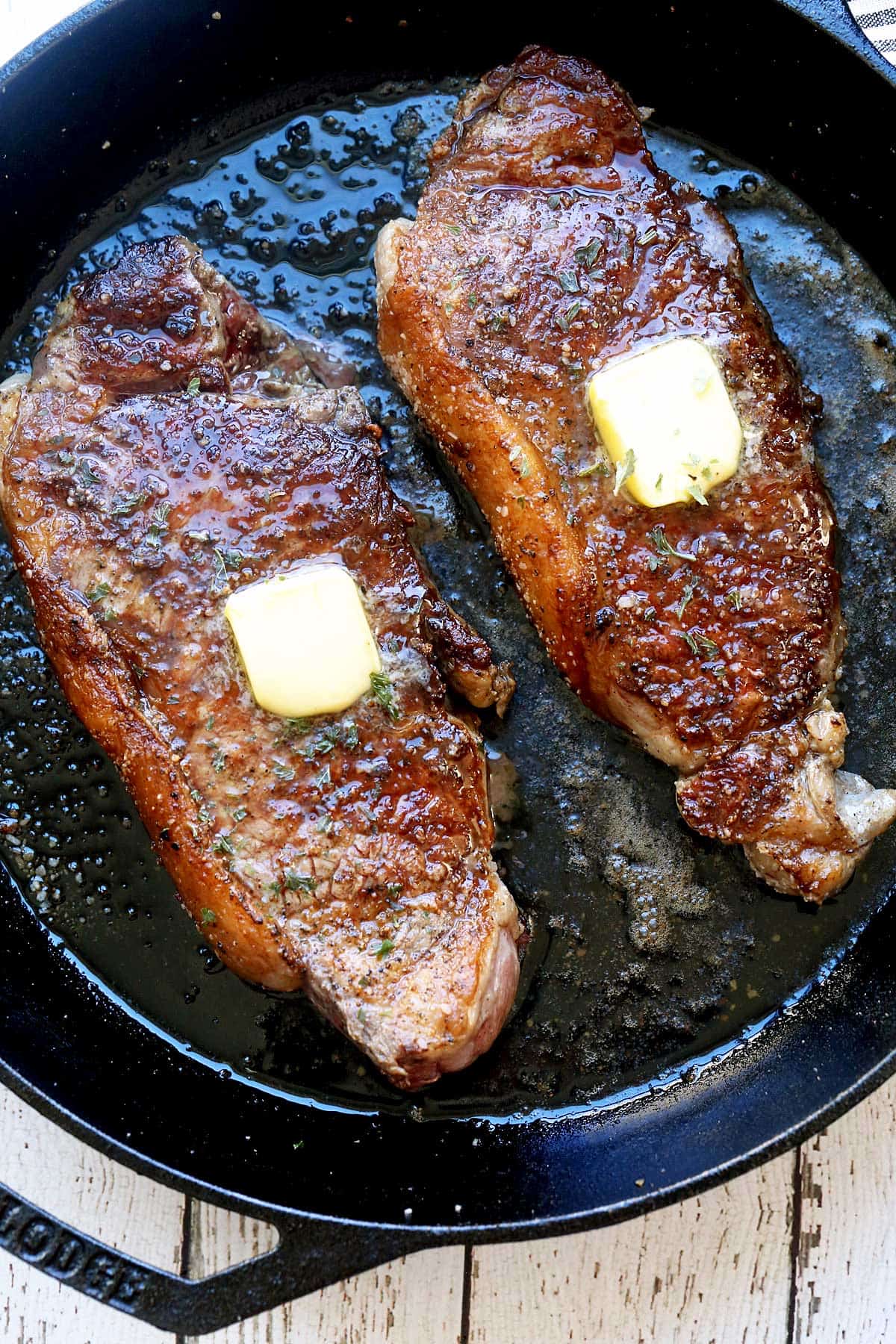
Even the highest quality New York Strip can be ruined by improper cooking. The cooking method is paramount. High-heat searing, whether on a cast-iron skillet, grill, or broiler, is crucial for developing a flavorful crust (the Maillard reaction) while keeping the interior juicy. Equally important is achieving the correct doneness. For optimal tenderness and flavor, a New York Strip is best enjoyed medium-rare to medium. Cooking it beyond medium will start to dry out the meat and toughen its muscle fibers, regardless of its initial quality. Restoring the steak after cooking is also critical, allowing the juices to redistribute and ensuring a more tender, succulent bite.
Tips for Ordering and Enjoying Your Strip Steak
When you’re traveling and ordering a New York Strip in a restaurant, here are a few tips to ensure a tender and delicious experience:
- Ask about the grade and aging: Inquire if the steak is USDA Prime or Choice, and whether it’s wet-aged or dry-aged. This speaks volumes about its quality and potential tenderness.
- Specify your desired doneness: Medium-rare is often recommended for maximum tenderness and flavor. Don’t be afraid to communicate your preference clearly.
- Observe the presentation: A well-prepared steak should have a beautiful, even crust and a juicy interior when sliced.
- Trust your senses: The first bite should confirm the quality. A tender New York Strip should offer a pleasant chew without being tough or stringy.
The Overall Experience: More Than Just Tenderness
Ultimately, the enjoyment of a New York Strip is about more than just its tenderness. It’s about the entire experience—the rich, beefy flavor, the satisfying chew, the beautiful char, the succulent fat cap, and the juicy interior. It’s about the context in which it’s savored: a celebratory dinner at a luxury resort in Hawaii, a classic meal at a historic steakhouse in Chicago, or a perfect pairing with a fine wine from Sonoma Valley. This cut embodies a specific kind of culinary excellence and a lifestyle that appreciates quality, tradition, and memorable moments. For travelers who seek out exceptional dining as a cornerstone of their adventures, the New York Strip remains a consistently rewarding choice, promising not just tenderness, but a truly unforgettable gastronomic journey.
LifeOutOfTheBox is a participant in the Amazon Services LLC Associates Program, an affiliate advertising program designed to provide a means for sites to earn advertising fees by advertising and linking to Amazon.com. Amazon, the Amazon logo, AmazonSupply, and the AmazonSupply logo are trademarks of Amazon.com, Inc. or its affiliates. As an Amazon Associate we earn affiliate commissions from qualifying purchases.