
Planning a trip to the tropical paradise of Hawaii is an exhilarating experience, filled with visions of turquoise waters, verdant volcanic landscapes, and the warm embrace of the “Aloha Spirit.” However, amidst the flurry of booking flights, selecting the perfect beachside bungalow, and scouting for the best surf spots, a common question often creates a moment of hesitation for domestic travelers: “Do I need a passport to visit?”
The short answer is no, provided you are a citizen of the United States. Because Hawaii attained statehood in 1959, it is subject to the same travel regulations as any other state in the U.S. union. While the experience feels like traveling to a distant, exotic international destination, you remain within the borders of the country. Understanding the nuances of these documentation requirements ensures that your journey from departure to landing is seamless and stress-free.
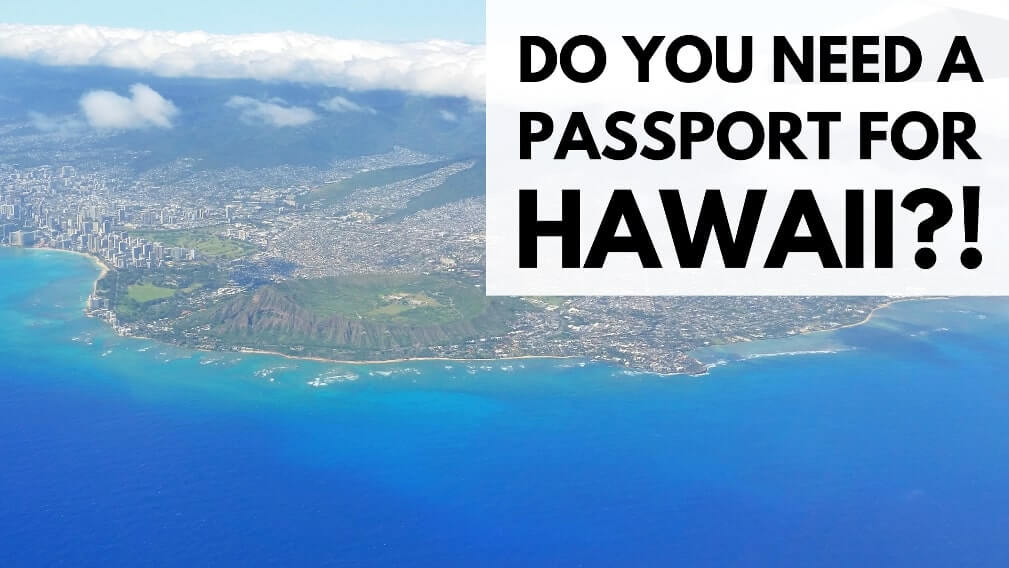
Understanding Domestic Travel Requirements
For citizens of the United States, travel to Hawaii is classified strictly as domestic travel. This distinction is the primary reason why a passport is not a mandatory requirement for entry. When you board a flight from major hubs like Los Angeles, San Francisco, or Seattle, the process is identical to flying to New York or Chicago.
Valid Forms of Identification
While you do not need an international passport, you must still present valid government-issued identification to clear security at the airport. The Transportation Security Administration requires all passengers 18 years of age and older to provide a document that verifies their identity. Acceptable forms of ID include:
- A state-issued driver’s license or learner’s permit.
- A state-issued identification card.
- A U.S. passport (which is accepted, even though not required).
- A Global Entry card.
- A military ID.
- A Permanent Resident Card.
It is imperative to ensure that your identification is current and not expired. The Transportation Security Administration will not accept expired documents, and failing to provide valid ID can lead to significant delays or even the denial of boarding for your flight.
The Real ID Act Compliance
Travelers should also be mindful of the Real ID Act. As security standards have evolved, United States airports have transitioned toward requiring Real ID-compliant identification. A Real ID is marked by a star in the upper right corner of the card. While standard licenses may currently be accepted depending on your state’s specific timeline, obtaining a Real ID is highly recommended to future-proof your travel plans.
Navigating the Arrival Process in Hawaii
Landing in the islands is a transformative moment. Whether you touch down at Daniel K. Inouye International Airport on the island of Oahu or head directly to the scenic Kahului Airport on Maui, the domestic arrival process is straightforward.
No Customs or Immigration
Because you are not crossing an international border, there is no customs or immigration processing upon arrival. You will not be required to present a passport to customs officials or fill out international arrival forms. Once you deplane, you are free to head directly to baggage claim or your rental car agency.

Agricultural Inspections
While there is no customs check for passports, there is one unique aspect of arriving in Hawaii: the Hawaii Department of Agriculture inspection. The islands have a fragile and unique ecosystem, and the state works hard to prevent the introduction of invasive species. When you arrive, you might notice information regarding the declaration of agricultural products. Ensure you are aware of what you are carrying—specifically fruits, vegetables, or plants—as some items are strictly prohibited to protect the native biodiversity of Kaua’i, The Big Island, and the other islands.
Traveling from Outside the United States
If you are not a citizen of the United States, or if you are a U.S. citizen traveling from an international location, the rules change entirely. International travel mandates remain in full effect, and your entry into Hawaii will be treated as an entry into the United States.
Visa and Passport Requirements for International Visitors
If your point of origin is outside the United States, you must possess a valid, unexpired passport from your country of citizenship. Furthermore, depending on your nationality, you may be required to obtain a visa or apply for the Electronic System for Travel Authorization (ESTA) if you are traveling under the Visa Waiver Program.
International travelers arriving in Hawaii will go through federal immigration and customs at their first port of entry into the country. If your flight connects through a city like Los Angeles or San Francisco before proceeding to Honolulu, your customs check will occur in that mainland city. Ensure that your passport has at least six months of validity remaining beyond your intended date of departure to avoid any regulatory complications.
Tips for a Seamless Island Getaway
Regardless of whether you are a domestic or international traveler, keeping your travel documents organized is the cornerstone of a successful trip. Here are a few final tips for your voyage to the Pacific Ocean.
Digital and Physical Copies
It is always a prudent practice to have digital copies of your identification stored in a secure cloud service. While you must always carry your original physical ID for airport security and hotel check-ins, having a digital backup can be a lifesaver if a wallet is misplaced during an excursion to Waikiki Beach or while exploring the trails of Haleakala National Park.
Children and Minors
For domestic travel, the Transportation Security Administration does not require children under the age of 18 to provide ID when traveling with a companion within the United States. However, individual airlines may have their own policies regarding proof of age for infants or young children—especially if you are traveling with a “lap child.” It is always advisable to carry a copy of your child’s birth certificate or a similar document just to be safe.

Focus on the Experience
Once the logistics are sorted, your mind can finally shift to the wonders that await. Whether you intend to hike the dramatic cliffs of the Na Pali Coast, delve into the rich history of Pearl Harbor, or simply unwind at a world-class resort in Wailea, Hawaii offers an unmatched blend of relaxation and adventure.
By confirming that you possess the correct identification—whether that is a Real ID driver’s license for U.S. citizens or a valid passport for international guests—you clear the path for an unforgettable escape. The islands are ready to welcome you, provided you have your travel documents in order. Prepare for the sun, the sand, and the surf, and enjoy the peace of mind that comes with knowing your travel plans are perfectly in place.
LifeOutOfTheBox is a participant in the Amazon Services LLC Associates Program, an affiliate advertising program designed to provide a means for sites to earn advertising fees by advertising and linking to Amazon.com. Amazon, the Amazon logo, AmazonSupply, and the AmazonSupply logo are trademarks of Amazon.com, Inc. or its affiliates. As an Amazon Associate we earn affiliate commissions from qualifying purchases.