
Florida, a state synonymous with sun-drenched beaches, vibrant theme parks, and a rich cultural tapestry, is also a region acutely aware of its meteorological vulnerability. The allure of the Sunshine State attracts millions of tourists annually, drawn to its diverse attractions, from the family-friendly thrills of Orlando to the sophisticated charm of Miami and the natural wonders of the Everglades. However, any visitor or resident contemplating a trip or a stay in Florida must consider the potential for severe weather, particularly during the Atlantic hurricane season. Understanding the patterns, preparation, and impact of storms is paramount for a safe and enjoyable experience in this popular tourist destination.

Navigating Florida’s Weather Landscape
Florida’s geographic position makes it a frequent participant in meteorological events. Situated on a peninsula with extensive coastlines on both the Atlantic Ocean and the Gulf of Mexico, the state is susceptible to a range of weather phenomena. While the stereotypical image of Florida is one of perpetual sunshine, the reality encompasses a dynamic climate characterized by distinct seasons and the potential for significant weather disturbances.
The Atlantic Hurricane Season: A Critical Period
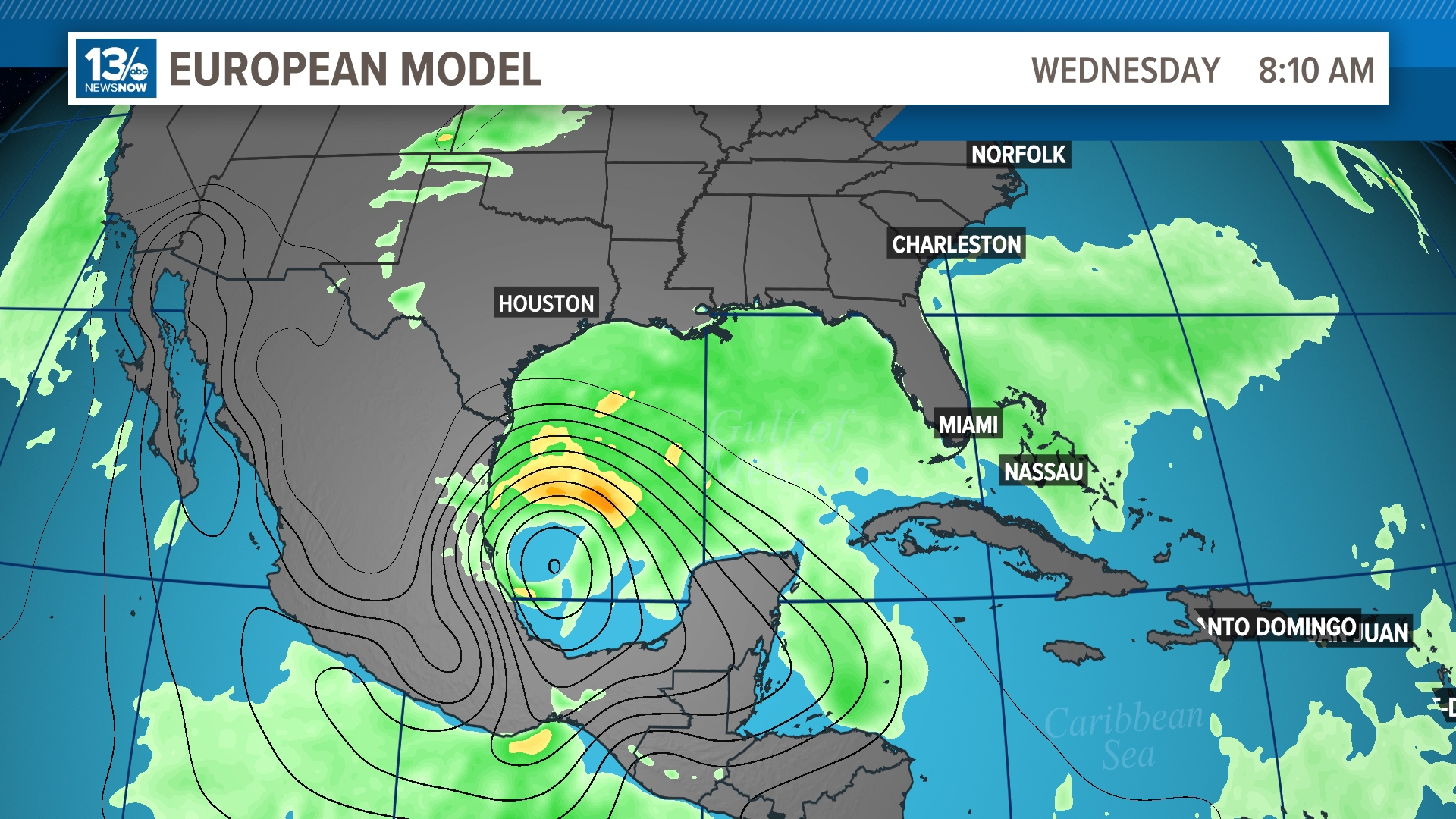
The official Atlantic hurricane season runs from June 1 to November 30 each year. During these months, the warm waters of the Atlantic Ocean and the Caribbean Sea provide the ideal breeding ground for tropical cyclones, which can develop into tropical storms and, subsequently, hurricanes. These powerful storms are characterized by high winds, torrential rainfall, and storm surge, posing significant risks to coastal communities and inland areas alike.
The peak of the hurricane season typically occurs from mid-August through October, when ocean temperatures are at their warmest and atmospheric conditions are most conducive to storm formation. Forecasters at agencies like the National Hurricane Center meticulously monitor developing weather systems, issuing watches and warnings to alert the public to potential threats. These forecasts are crucial for individuals planning travel to or within Florida, allowing for necessary adjustments to itineraries and providing time for essential preparations.
Beyond Hurricanes: Other Weather Considerations
While hurricanes are the most significant weather concern, Florida’s climate also presents other weather challenges that can impact travel and tourism.
Thunderstorms and Lightning
During the warmer months, particularly in the afternoon, Florida is prone to frequent and intense thunderstorms. These can produce heavy downpours, strong winds, and frequent lightning strikes. While generally localized and short-lived, thunderstorms can disrupt outdoor activities at theme parks, beaches, and other attractions, leading to temporary closures or delays. Visitors should always be aware of weather advisories and seek shelter when lightning is present.
Tropical Storms and Depressions
Not all tropical systems reach hurricane strength. Tropical storms and tropical depressions, while less intense than hurricanes, can still bring substantial rainfall, flooding, and gusty winds. These systems can affect large areas of the state, impacting transportation, outdoor events, and general visitor experiences. Monitoring weather forecasts for these less severe but still disruptive events is as important as tracking major hurricanes.
Cold Snaps and Frost
While rare and typically brief, Florida can experience occasional cold snaps, particularly in its northern regions, during the winter months. These can lead to frost and even freezing temperatures, impacting citrus crops and potentially affecting outdoor activities in areas like Tallahassee or the Florida Panhandle.
Preparing for the Unexpected: Travel Tips for Florida

For travelers, understanding the potential for severe weather in Florida is not about avoiding the state, but about embracing a proactive approach to ensure safety and minimize disruption. Informed preparation can transform a potentially stressful situation into a manageable one.
Before You Book: Research and Flexibility
The first step in mitigating weather-related risks is thorough research. When planning a trip, especially during hurricane season, it is advisable to:
- Check the Forecast Regularly: Monitor weather forecasts from reputable sources in the weeks and days leading up to your departure. Websites like the National Hurricane Center and local news outlets provide vital information.
- Consider Travel Insurance: Comprehensive travel insurance is a wise investment for any trip to Florida, particularly during the hurricane season. Ensure your policy covers trip cancellations, interruptions, and medical emergencies related to severe weather.
- Choose Accommodation Wisely: When booking hotels or resorts, such as the Omni ChampionsGate or the Hyatt Regency Grand Cypress, investigate their hurricane preparedness plans. Many resorts have clear policies regarding guest safety, evacuation procedures, and flexible booking options in the event of a storm. Look for properties that are designated as shelters or have robust emergency protocols.
- Opt for Flexible Reservations: Whenever possible, book flights and accommodations with flexible cancellation or rebooking policies. This provides peace of mind and the ability to adjust plans if a storm threatens your travel dates.
During Your Stay: Staying Informed and Safe
Once you are in Florida, remaining vigilant and informed is crucial:
- Listen to Local Authorities: Pay close attention to advisories and evacuation orders issued by local emergency management agencies. These directives are designed for your safety and should be followed without hesitation.
- Stay Updated on Weather Reports: Continuously monitor local news and weather channels for the latest storm developments. Hotel concierges and resort staff are excellent resources for up-to-date information.
- Know Your Evacuation Routes: If you are in an area under an evacuation order, know your designated evacuation routes and have a safe destination in mind. This could be a designated public shelter or a hotel outside the affected zone.
- Prepare an Emergency Kit: Even if you are not evacuating, having a basic emergency kit in your hotel room can be beneficial. This might include non-perishable food, water, a flashlight, batteries, a first-aid kit, and any necessary medications.
- Secure Your Belongings: If you are in a coastal area, be aware of the potential for storm surge. Secure outdoor furniture and bring in any loose items that could become projectiles in high winds.
The Impact on Florida’s Tourism Industry
Severe weather events, particularly hurricanes, can have a profound impact on Florida’s vital tourism industry. Beyond the immediate safety concerns, storms can lead to widespread damage, affecting infrastructure, attractions, and the overall visitor experience.
Economic Repercussions
The economic fallout from a major hurricane can be significant. Businesses that rely on tourism, from small gift shops to large theme parks like Walt Disney World Resort and Universal Orlando Resort, can face substantial losses due to closures, damage, and reduced visitor numbers in the aftermath. The recovery process can be lengthy, requiring extensive repairs and rebuilding efforts.
Attraction Closures and Travel Disruptions
When storms threaten or hit, theme parks, attractions, and airports often suspend operations. This can lead to flight cancellations and major travel disruptions for thousands of visitors. Even after a storm has passed, damage to roads, bridges, and other infrastructure can impede travel for days or weeks, delaying recovery and the return of tourists. For example, the impacts of Hurricane Ian on the Southwest Florida region, particularly in cities like Fort Myers and Naples, serve as a stark reminder of the long-term consequences.
The Resilience of Florida Tourism
Despite the challenges posed by weather, Florida’s tourism industry has demonstrated remarkable resilience. The state’s strong marketing efforts and the inherent appeal of its attractions continue to draw visitors. Moreover, the tourism sector has become increasingly adept at preparing for and recovering from severe weather events. Many businesses have invested in enhanced preparedness strategies, including advanced weather monitoring systems, robust emergency response plans, and flexible customer service policies. This focus on resilience ensures that while storms may pose a temporary threat, Florida remains a vibrant and welcoming destination for travelers.
Conclusion: Embracing Florida with Preparedness
Florida’s allure as a premier tourist destination is undeniable, offering a kaleidoscope of experiences for every traveler. The anticipation of a storm, whether a distant possibility or an imminent threat, is an intrinsic part of planning a visit to the Sunshine State. By understanding the meteorological nuances, embracing proactive preparation, and staying informed, visitors can navigate the potential for severe weather with confidence. The key lies not in fearing the possibility of a storm, but in respecting the power of nature and equipping oneself with the knowledge and resources to ensure a safe, enjoyable, and memorable Florida adventure. The vibrant spirit of Florida, its captivating attractions, and its welcoming culture await, ready to be explored with foresight and a spirit of preparedness.
LifeOutOfTheBox is a participant in the Amazon Services LLC Associates Program, an affiliate advertising program designed to provide a means for sites to earn advertising fees by advertising and linking to Amazon.com. Amazon, the Amazon logo, AmazonSupply, and the AmazonSupply logo are trademarks of Amazon.com, Inc. or its affiliates. As an Amazon Associate we earn affiliate commissions from qualifying purchases.