
When planning a move, a long-term business stay, or a family transition to the islands, understanding the local legal landscape is a vital component of the modern lifestyle. For many individuals and families considering Hawaii as a destination, healthcare autonomy is a primary concern. The short answer to the question is a definitive yes: abortion is legal in the state of Hawaii. However, the depth of this legality, the history behind it, and the ease of access for those living a mobile or permanent island lifestyle involve several layers of legislative protection and healthcare infrastructure.

Understanding Reproductive Laws in the Aloha State
Hawaii has long been a pioneer in the realm of reproductive rights within the United_States. To understand the current lifestyle and legal climate, one must look back to 1970. In that year, Hawaii became the first state in the nation to legalize abortion, even before the landmark Supreme Court case Roe v. Wade set a national precedent in 1973. This early adoption of reproductive freedom has shaped the islands’ cultural and political identity, making it a sanctuary for those who prioritize body autonomy in their lifestyle choices.
A Legacy of Pro-Choice Legislation
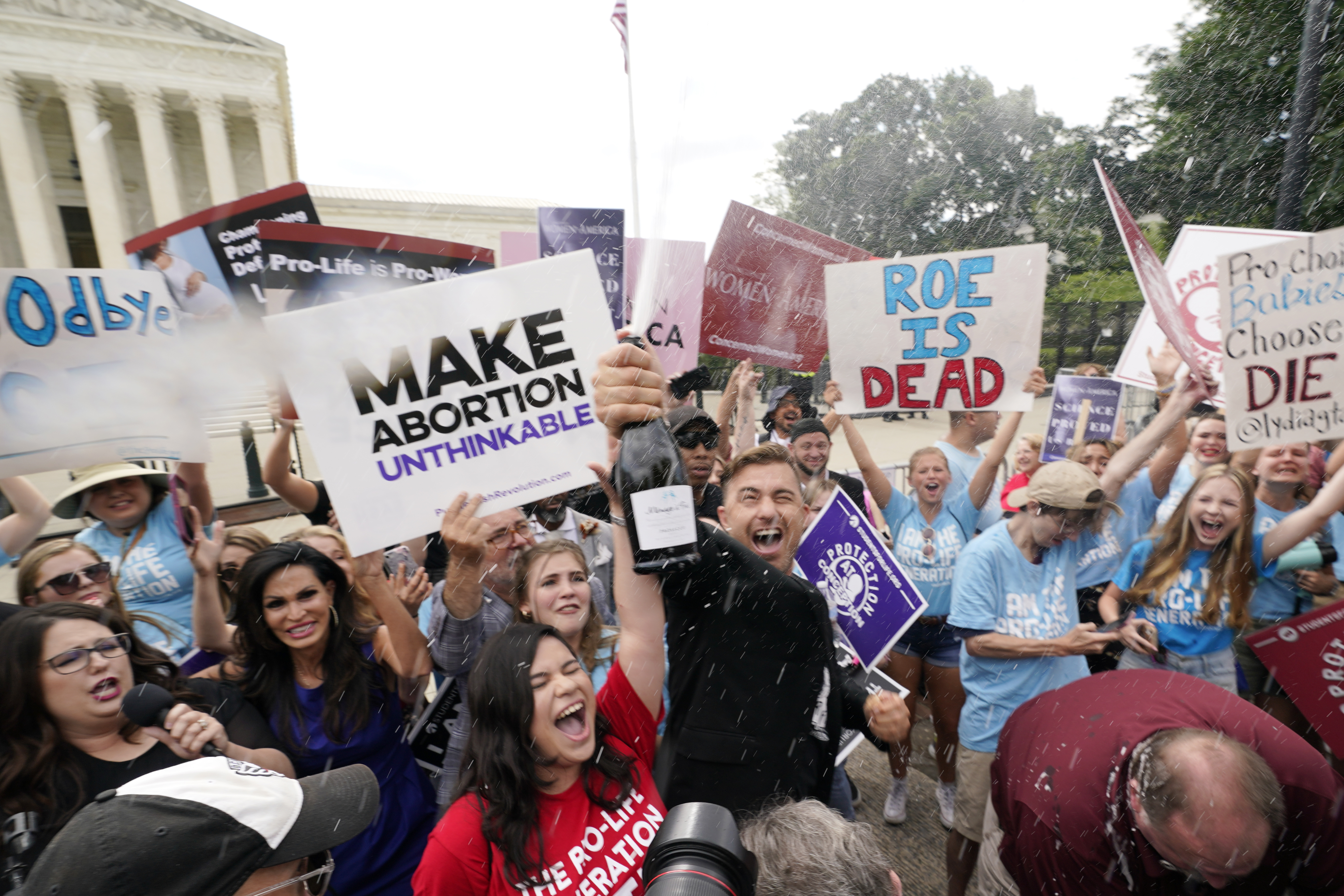
The decision to legalize abortion in 1970 was driven by a coalition of doctors, advocates, and lawmakers who recognized that safe medical procedures were essential for public health. Because the state acted independently so early, the legal framework is deeply embedded in the Hawaii Revised Statutes. This means that even with the federal overturning of Roe v. Wade via the Dobbs v. Jackson Women’s Health Organization decision in 2022, the right to choose remains fully protected under state law. For residents of Honolulu or the quieter shores of Kauai, this provides a level of legal stability that is currently absent in many other parts of North America.
Current Statutory Protections
In Hawaii, abortion is legal until “viability,” which is generally considered to be around 24 weeks of pregnancy. However, the law provides exceptions beyond this point if the life or health of the pregnant person is at risk. Furthermore, recent legislative updates have expanded who can provide these services. To ensure that those living in more remote areas—such as Hana on Maui or the rural stretches of the Big Island—have access, the state has authorized advanced practice registered nurses (APRNs) to perform certain types of abortion procedures. This move was specifically designed to address the unique geographical challenges of an island chain and to maintain a high standard of living and health for all residents.
How Legality Affects Lifestyle and Travel Planning
For the modern traveler or the digital nomad, the legal environment of a destination is often as important as the quality of the beaches or the speed of the internet. The legal status of healthcare in Hawaii contributes to an overall sense of security and inclusivity that defines the local lifestyle.
Medical Tourism and Travel Stability
While Hawaii is primarily known as a destination for leisure and luxury travel, it has increasingly become a point of interest for those seeking stable healthcare environments. For individuals coming from states where reproductive rights have been restricted, the islands offer a safe haven. This “medical peace of mind” allows visitors to enjoy the natural beauty of Waikiki or the volcanic landscapes of Hawaii Volcanoes National Park without the looming anxiety of restricted personal freedoms.
The state government, led by figures such as Governor Josh Green, who is himself a physician, has been vocal about maintaining Hawaii as a place where reproductive healthcare is treated as a fundamental right. This political stance reinforces the state’s reputation as a progressive and welcoming environment for families of all types.
Peace of Mind for Digital Nomads and Residents

For those choosing a lifestyle that involves remote work from Oahu or Maui, the availability of comprehensive healthcare is a major factor in long-term relocation. Knowing that the Hawaii State Legislature has codified these rights means that your healthcare plan remains consistent regardless of shifts in federal policy. This consistency is a cornerstone of the island lifestyle, where “Aloha” extends to mutual respect and the protection of individual health decisions.
Healthcare Infrastructure and Access Points
Navigating healthcare in the middle of the Pacific Ocean requires a bit of local knowledge. While the laws are permissive, the physical access to clinics depends largely on which island you call home.
Facilities on Oahu
Oahu, the “Gathering Place,” is the hub for medical services in the state. Most specialized care is concentrated in Honolulu. Organizations like Planned Parenthood have a strong presence here, offering both surgical and medication-based options. Additionally, major medical centers such as the Queen’s Medical Center and the Kapiolani Medical Center for Women & Children provide a wide range of reproductive services. The University of Hawaii system, through the John A. Burns School of Medicine, also plays a critical role in training the next generation of providers who are committed to maintaining these services.
Neighbor Island Access: Maui, Kauai, and the Big Island
On the “Neighbor Islands,” access can be more varied. While Maui and Kauai have local providers and clinics, those in very rural areas may sometimes need to travel to Honolulu for specific procedures. However, the rise of telehealth has revolutionized the lifestyle of those living on islands like Molokai or Lanai. Medication abortion, which is legal and available via mail in many cases after a virtual consultation, has significantly bridged the gap for residents who live far from the urban centers. The Hawaii Department of Health works continuously to ensure that these services remain reachable, reinforcing the idea that your choice of lifestyle—even in a remote tropical setting—does not have to come at the cost of your healthcare rights.
The Cultural and Political Climate of Hawaii
The lifestyle in Hawaii is deeply influenced by a blend of indigenous Native Hawaiian values and a diverse immigrant history. This cultural tapestry generally leans toward a philosophy of non-interference and community support.
The Role of Local Governance
The Hawaii State Capitol in Honolulu is frequently the site of proactive legislation. Following the federal changes in 2022, the state moved quickly to pass “shield laws.” These laws are designed to protect local healthcare providers and patients from out-of-state legal actions. For a business traveler or someone on a temporary assignment in the islands, this means that the privacy of your medical records is guarded by some of the strongest protections in the country. This legal fortress is a key attraction for those who value privacy as an essential part of their luxury or professional lifestyle.
Future Safeguards and Community Support
The local community is highly engaged in maintaining the status quo. Support groups and advocacy organizations like the Womens Options Center work alongside state officials to ensure that funding and information are readily available. The general consensus across the islands is that reproductive healthcare is a private matter, a sentiment that aligns with the relaxed, respectful lifestyle that draws millions to the state each year.
For anyone considering a life in Hawaii, or simply visiting for an extended stay, the legality of abortion is a settled matter of state law. The islands offer more than just scenic vistas and world-class surfing; they offer a social and legal environment that respects individual agency. Whether you are staying in a high-rise in Honolulu or a beach house on the North Shore, the state’s commitment to reproductive freedom ensures that your lifestyle remains supported by the law.
In conclusion, the legal framework in Hawaii is one of the most robust in the United States. From the pioneering steps taken in 1970 to the modern shield laws protecting providers today, the state has consistently prioritized healthcare access. For the lifestyle-conscious individual, this makes Hawaii not only a beautiful place to visit but a secure and progressive place to live, work, and thrive.
LifeOutOfTheBox is a participant in the Amazon Services LLC Associates Program, an affiliate advertising program designed to provide a means for sites to earn advertising fees by advertising and linking to Amazon.com. Amazon, the Amazon logo, AmazonSupply, and the AmazonSupply logo are trademarks of Amazon.com, Inc. or its affiliates. As an Amazon Associate we earn affiliate commissions from qualifying purchases.