
Understanding Reproductive Rights in the Pine Tree State
The question of abortion legality is a complex and often emotionally charged one, with laws varying significantly across the United States. For travelers, residents, and those planning a visit to Maine, understanding the reproductive rights landscape is crucial. Maine has established its own distinct legal framework regarding abortion, largely independent of federal fluctuations that have impacted other states. This guide aims to provide a clear and comprehensive overview of abortion access and legality within the Pine Tree State, ensuring individuals can make informed decisions while traveling or residing in Maine.
Legal Framework and Protections in Maine
Maine has a strong history of protecting reproductive rights. Unlike many states that have enacted significant restrictions or outright bans on abortion, Maine has codified the right to abortion into state law. This means that even with shifts in federal policy, abortion remains legal and accessible within the state, subject to certain regulations.
The Maine Reproductive Health Protection Act
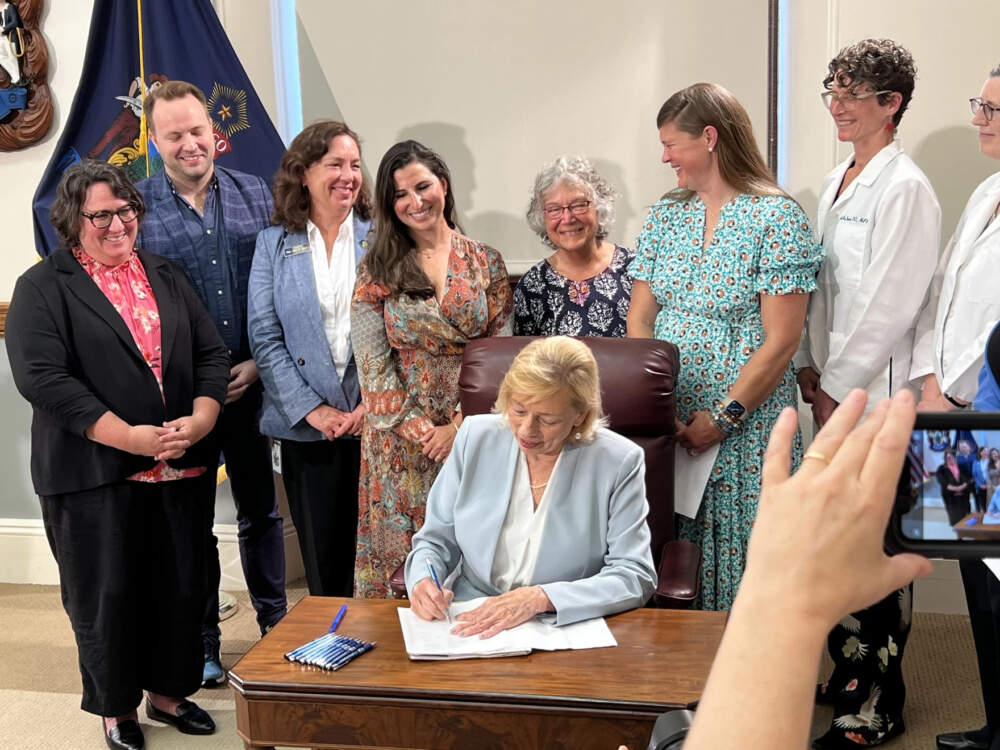
A cornerstone of reproductive rights in Maine is the Maine Reproductive Health Protection Act. This legislation, passed in 2019, affirmed the right of individuals to access abortion services without excessive governmental interference. It ensures that licensed healthcare professionals can provide abortion care and that individuals can seek this care based on their own medical decisions and circumstances.
The Act specifically protects the right to an abortion up to the point of fetal viability. Fetal viability is generally understood as the point at which a fetus can survive outside the uterus, typically considered to be around 24 to 28 weeks of gestation. After fetal viability, an abortion may still be legally permissible in Maine if it is necessary to preserve the life or health of the pregnant individual. This nuanced approach reflects a commitment to both the protection of potential life and the autonomy of individuals regarding their healthcare.
Key Provisions and Access
The Maine Reproductive Health Protection Act is designed to facilitate access to abortion services. It prohibits the state from enacting laws that would unduly burden an individual’s ability to obtain an abortion. This includes restrictions on the types of procedures available, mandatory waiting periods, or requirements for parental notification that are not medically justified.
Healthcare providers in Maine who offer abortion services must be licensed to practice medicine within the state. The procedures must be performed in facilities that meet established health and safety standards. This ensures that patients receive care that is both legal and medically sound.
Comparison with Other States
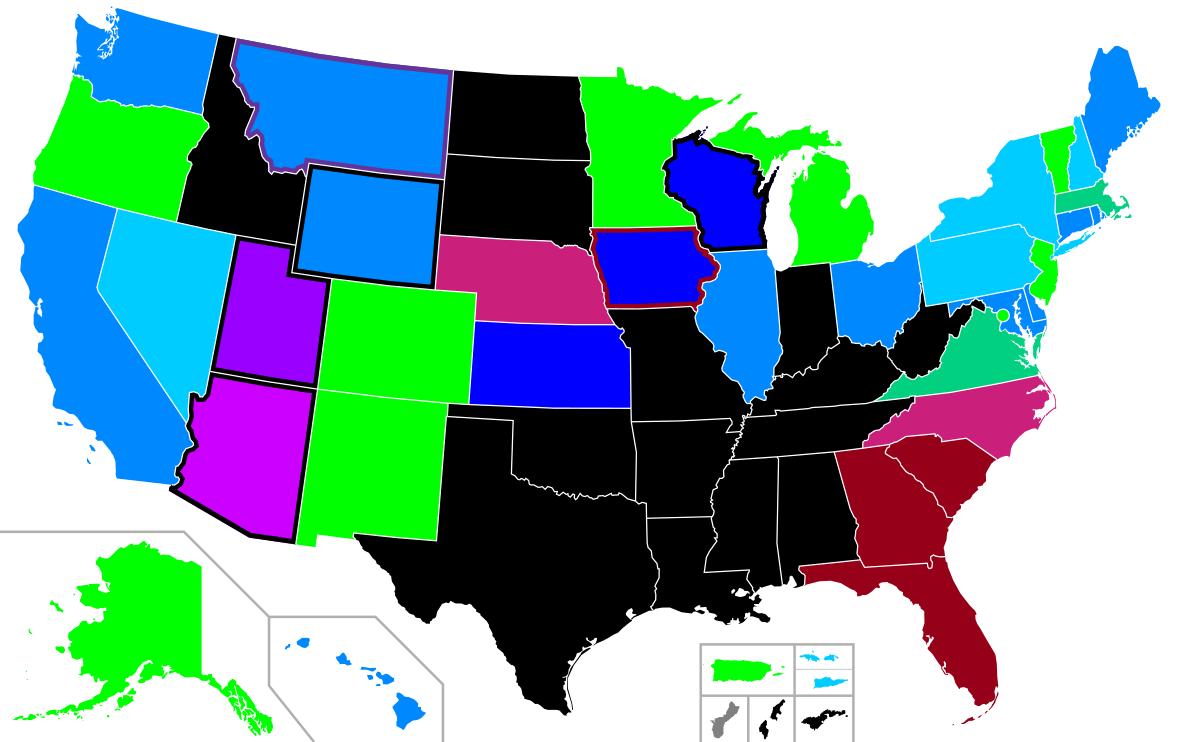
It is important for anyone planning to travel to Maine or who may be affected by reproductive laws in their home state to understand how Maine differs. In many other United States, particularly after the overturning of Roe v. Wade, abortion access has been severely restricted or banned. Maine, by contrast, has actively worked to protect and expand these rights. This makes Maine a critical destination for individuals seeking abortion care who may not have access in their home states.
Navigating Abortion Services in Maine
For individuals seeking abortion services in Maine, understanding the process and available resources is vital. While the legal landscape is favorable, practical considerations such as finding providers, understanding costs, and arranging logistics are important aspects of accessing care.
Finding Licensed Providers

Maine has a number of licensed healthcare providers and clinics that offer abortion services. These facilities are located in various parts of the state, with concentrations in larger urban centers like Portland, Augusta, and Bangor. Individuals can find these providers through reputable reproductive health organizations, such as Planned Parenthood or local abortion funds, which can also offer guidance on the process.
The types of abortion services available typically include medication abortion (often referred to as the abortion pill) and in-clinic procedures. The specific options available may depend on the gestational stage of the pregnancy and the individual’s medical history. A consultation with a healthcare provider will help determine the most appropriate and safest option.
Considerations for Travelers
For those traveling to Maine for abortion care, planning is especially important. This includes:
- Appointment Scheduling: Confirming appointment availability and understanding any pre-appointment requirements, such as initial consultations or ultrasounds.
- Travel and Accommodation: Arranging transportation to and from the clinic, as well as considering overnight stays if necessary, especially for individuals coming from further distances or those who require a recovery period. Portland offers a range of accommodation options, from boutique hotels to more budget-friendly choices.
- Support System: Ensuring access to a support person for the appointment and during recovery, if desired.
- Financial Planning: Understanding the costs associated with the procedure and any associated travel expenses. Abortion funds in Maine can provide financial assistance to those who qualify.
Importance of Consultation
A thorough consultation with a healthcare provider is paramount. During this appointment, medical history will be reviewed, the gestational age of the pregnancy will be confirmed, and all available options will be discussed. The provider will explain the procedure, potential risks and benefits, and aftercare instructions. This ensures that the individual can make an informed decision about their health and well-being.
Understanding Related Legislation and Future Implications
While Maine currently has robust protections for abortion access, it is always wise to stay informed about potential legislative changes and court rulings that could impact reproductive rights. The legal landscape surrounding reproductive healthcare is dynamic.
State-Level Protections
Maine has consistently demonstrated a commitment to safeguarding reproductive freedoms. The state constitution and its statutes have been interpreted to uphold these rights. The Maine Reproductive Health Protection Act is a testament to this ongoing dedication.
Federal Influence and State Autonomy
The status of abortion rights at the federal level can influence the broader conversation and legal challenges. However, states like Maine have the authority to enact laws that provide greater protections than federal minimums. This means that even in the absence of federal protections, Maine can maintain its own independent framework for reproductive healthcare access.
Advocacy and Resources
For those interested in the ongoing dialogue about reproductive rights in Maine, various advocacy groups and resources are available. These organizations work to protect and expand access to comprehensive reproductive healthcare services, including abortion. Staying informed through these channels can provide up-to-date information on any legislative efforts or legal developments.
Conclusion: Maine as a Haven for Reproductive Rights
In summary, abortion is legal in Maine. The state has proactively enacted legislation, such as the Maine Reproductive Health Protection Act, to ensure that individuals have access to abortion services without undue barriers. This legal framework provides a significant level of protection for reproductive autonomy, making Maine a state where individuals can confidently seek and receive reproductive healthcare. For those considering travel to Maine for reproductive health services, or for residents within the state, the legal protections are clear and robust. Understanding these rights is a crucial step in navigating personal healthcare decisions.
LifeOutOfTheBox is a participant in the Amazon Services LLC Associates Program, an affiliate advertising program designed to provide a means for sites to earn advertising fees by advertising and linking to Amazon.com. Amazon, the Amazon logo, AmazonSupply, and the AmazonSupply logo are trademarks of Amazon.com, Inc. or its affiliates. As an Amazon Associate we earn affiliate commissions from qualifying purchases.