
The question of whether abortions are illegal in California is a straightforward one, rooted in the state’s firm stance on reproductive rights. In stark contrast to some other parts of the United States, California has established itself as a sanctuary state, actively protecting and codifying the right to abortion. This legal framework means that, as of the current understanding of the law, abortions are legal in California, and this right is safeguarded through various legislative measures and judicial precedents. The state’s commitment to reproductive freedom extends beyond mere legality, encompassing accessibility and a supportive environment for individuals seeking abortion care.
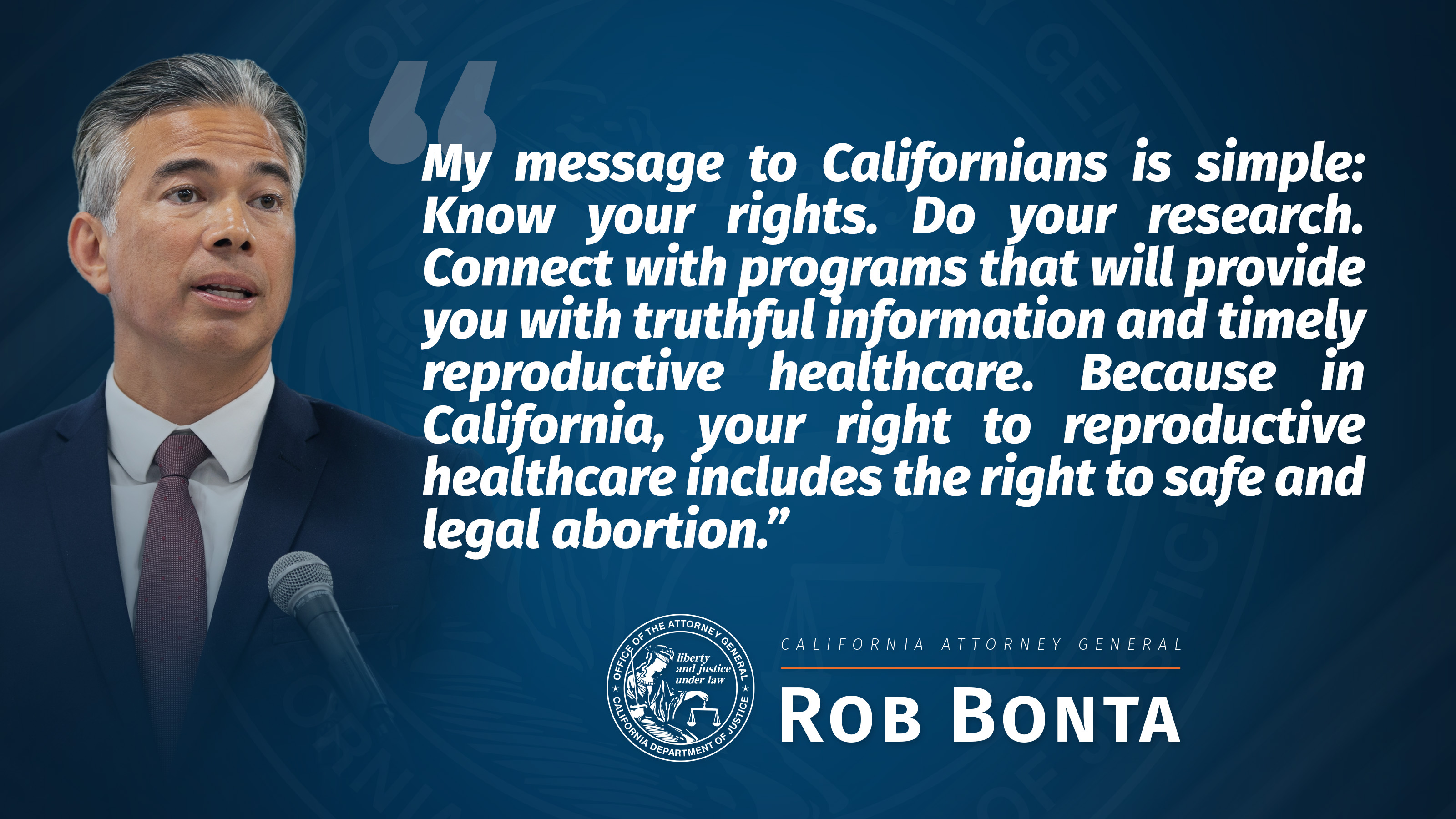
This robust legal standing is not a recent development but rather a culmination of decades of advocacy and policy-making. Understanding California‘s position requires looking at the history of abortion rights in the United States, the specific laws enacted within the state, and the ongoing efforts to ensure access. For travelers and residents alike, knowing this legal landscape is crucial, especially when considering the diverse regulations that exist across different states. California‘s approach offers a clear picture of a state dedicated to upholding individual autonomy in healthcare decisions, making it a key destination for those seeking reproductive services.
Navigating Reproductive Rights in California: A Legal Overview
The legality of abortions in California is unequivocally established. The state’s laws are designed to ensure that abortion is a safe, legal, and accessible healthcare option. This legal protection is a cornerstone of the state’s commitment to reproductive health and individual liberty.
The Constitutional and Legislative Framework
California‘s protection of abortion rights is deeply embedded in its legal structure. Following the landmark Supreme Court decision in Roe v. Wade, which established a constitutional right to abortion nationwide, California enacted legislation to further solidify these protections. Even after the overturning of Roe v. Wade by the Supreme Court in Dobbs v. Jackson Women’s Health Organization, California‘s existing state laws and newly passed legislation have ensured that abortion remains legal and protected within its borders.
Key legislative actions have reinforced California‘s status as a leader in reproductive rights. Proposition 1, a constitutional amendment passed by voters in November 2022, explicitly enshrined the fundamental right to reproductive freedom, including the right to choose to have an abortion and the right to choose or refuse contraception, in the California Constitution. This amendment provides an even stronger layer of protection, making it significantly more difficult for future legislative bodies or courts to restrict abortion access.
Furthermore, California has enacted laws aimed at expanding access to reproductive healthcare services. These include measures to protect patients and providers from out-of-state legal actions, shield individuals seeking abortion care from harassment, and ensure that the cost of abortion is not a barrier to access. For instance, the state has worked to expand Medi-Cal coverage for abortion services, making it more accessible to low-income residents. The California Reproductive Health Service Protection Act also provides protections for patients traveling to California for abortion care, ensuring that they can receive services without fear of legal repercussions from their home states.
The state has also taken steps to address potential barriers to care, such as requiring health insurance plans to cover abortion services without co-pays or deductibles. This comprehensive approach demonstrates California‘s commitment to treating abortion as a fundamental healthcare right, akin to other essential medical services. The legal landscape in California is clear: abortion is legal and protected, and the state actively works to maintain and enhance this access.
The Role of the Judicial System
The judicial system in California plays a critical role in upholding abortion rights. While legislative actions set the framework, court decisions interpret and enforce these laws, ensuring they are applied as intended. California‘s courts have consistently affirmed the right to abortion, often ruling in favor of protecting access and challenging any attempts to restrict it.
The state’s commitment to reproductive freedom means that legal challenges to abortion access are often met with strong judicial opposition. When new legislation is passed to further protect or expand abortion access, the courts are tasked with upholding these laws against any legal challenges. Conversely, if any attempts are made to circumvent or weaken existing protections, California‘s judiciary is expected to defend the rights enshrined in the state’s constitution and statutes.
The impact of the Dobbs decision on California was mitigated by the state’s proactive legal measures. Unlike states that relied solely on Roe v. Wade for abortion protection, California had already established its own legal precedents and had initiatives in place to ensure continued access. This foresight allowed the state to maintain its status as a safe haven for reproductive healthcare, even in a post-Roe America. The ongoing dialogue and potential legal battles surrounding reproductive rights mean that the role of the judicial system in California will remain paramount in safeguarding these freedoms.
Travel and Tourism in California: Access to Reproductive Healthcare
The legal status of abortion in California has significant implications for travel and tourism, particularly for individuals seeking reproductive healthcare services from out of state. California has positioned itself as a welcoming and supportive destination for those who may not have access to such services in their home states. This has led to an increase in what is often termed “abortion tourism,” where individuals travel to California specifically to undergo abortion procedures.
California as a Sanctuary State for Reproductive Rights
California has actively embraced its role as a sanctuary state for reproductive rights. Governor Gavin Newsom and the state legislature have been vocal about their commitment to protecting abortion access and have implemented policies to support individuals traveling to California for care. This includes dedicating significant state resources to enhance and protect abortion access, as well as providing legal protections for both patients and providers.

The state’s approach is multifaceted. It involves not only ensuring the legality and availability of abortion services but also creating an environment where individuals feel safe and supported. This includes measures to protect privacy, prevent harassment, and ensure that financial barriers do not impede access. For travelers, this means they can expect a relatively seamless experience, free from the legal anxieties they might face in their home states.
The influx of out-of-state patients has also had an impact on the tourism sector, albeit indirectly. While California’s tourism industry focuses on its diverse attractions – from the beaches of Southern California to the wine regions of Northern California – the availability of comprehensive reproductive healthcare services adds another dimension to the state’s appeal for a specific demographic of travelers.
Resources and Support for Out-of-State Visitors
California offers a range of resources and support systems for individuals traveling to the state for abortion care. Numerous clinics and healthcare providers across California, particularly in major cities like Los Angeles, San Francisco, and San Diego, are equipped to serve patients from out of state. These providers are often experienced in navigating the complexities of interstate travel for healthcare.
Beyond direct medical services, several non-profit organizations and advocacy groups play a crucial role in assisting out-of-state visitors. These organizations can provide invaluable support, including:
- Financial Assistance: Help with the costs of the procedure, travel, and accommodation.
- Logistical Support: Assistance with finding hotels or other accommodations, arranging transportation, and navigating appointment scheduling.
- Legal Guidance: Information about legal protections available to out-of-state patients in California.
- Emotional Support: Counseling and support services to help individuals through their experience.
These support networks are vital in making the journey as smooth and stress-free as possible. They understand that traveling for healthcare can be daunting, and they strive to provide comprehensive assistance. The infrastructure in California is geared towards ensuring that reproductive healthcare is accessible, regardless of where a person resides. This dedication to comprehensive care makes California a leading destination for those seeking to exercise their reproductive rights.
Lifestyle and Accommodation Choices in California
For individuals traveling to California for reproductive healthcare, the experience often involves careful planning of lifestyle and accommodation choices. While the primary purpose of the trip is medical, California offers a vast array of options to ensure comfort, privacy, and ease during their stay. The state’s diverse geography and vibrant cities provide numerous choices for lodging and activities, catering to various needs and preferences.
Finding Suitable Accommodation
California boasts a wide range of accommodation options, from budget-friendly motels to luxurious resorts and private villas. For those seeking privacy and comfort, renting an apartment or a private room through services like Airbnb can be an excellent choice. These options often provide a more home-like environment, allowing individuals to rest and recover in peace.
Major cities like San Francisco, Los Angeles, and San Diego offer numerous hotels to suit different budgets and needs. Many hotels are located conveniently close to reproductive health clinics, making travel to and from appointments easier. It is advisable for travelers to research hotels based on their proximity to healthcare facilities, available amenities, and guest reviews. Some hotels may offer special packages or discreet services that can be beneficial for those seeking privacy.
For those looking for a more tranquil experience, California‘s coastal towns and countryside offer numerous resorts and bed-and-breakfasts. These locations can provide a peaceful retreat, allowing for recovery in a serene environment. While the focus is on healthcare, the ability to combine this with a restful stay in a pleasant setting can be an important aspect of the overall experience. Travelers are encouraged to compare prices and amenities to find the best fit for their situation. Booking in advance is often recommended, especially during peak travel seasons or for highly sought-after accommodations.

Embracing California’s Lifestyle and Attractions
Beyond the practicalities of accommodation, California offers a rich tapestry of lifestyle experiences that can be incorporated into a trip. While the primary focus may be on healthcare, individuals may choose to incorporate elements of leisure and self-care into their stay.
For those interested in a more relaxed pace, exploring California‘s natural beauty can be therapeutic. Visiting landmarks like Yosemite National Park, the Golden Gate Bridge in San Francisco, or the beaches of Malibu can offer moments of tranquility and rejuvenation. Even a simple stroll through a local park or a visit to a farmers’ market can provide a sense of normalcy and comfort.
California‘s diverse culinary scene also offers opportunities for enjoyable dining experiences. From the fresh seafood along the coast to the innovative cuisine in its major cities, there are options to suit every palate. Exploring local tourism attractions, such as museums, art galleries, or historical sites, can also provide a welcome distraction and enrich the travel experience.
The state’s commitment to inclusivity and support for reproductive rights means that individuals seeking abortion care can do so with a greater sense of security and peace of mind. California’s welcoming environment, combined with its vast array of accommodation and lifestyle choices, makes it a practical and supportive destination for those making important healthcare decisions.
LifeOutOfTheBox is a participant in the Amazon Services LLC Associates Program, an affiliate advertising program designed to provide a means for sites to earn advertising fees by advertising and linking to Amazon.com. Amazon, the Amazon logo, AmazonSupply, and the AmazonSupply logo are trademarks of Amazon.com, Inc. or its affiliates. As an Amazon Associate we earn affiliate commissions from qualifying purchases.