
The eternal debate surrounding accommodation choices often boils down to a single, critical question: “Is Airbnb cheaper than a hotel?” For many travelers, cost is the paramount factor dictating where they lay their head. What was once a clear-cut answer has, over the years, become significantly more nuanced. The rise of platform-based lodging alongside the evolution of traditional hospitality has created a dynamic and often complex pricing landscape. This comprehensive analysis delves into the intricate cost structures of both Airbnb and hotels, examining the factors that influence pricing, hidden fees, and the scenarios where one might offer a more economical solution than the other. Understanding these dynamics is crucial for making an informed decision that aligns with both your budget and travel preferences.

The Evolving Landscape of Accommodation Costs
The way we pay for a place to stay while traveling has undergone a dramatic transformation. What began as a seemingly straightforward choice between a hotel room and staying with a local has ballooned into a multifaceted decision, heavily influenced by digital platforms and changing consumer expectations.
Initial Perceptions vs. Current Realities
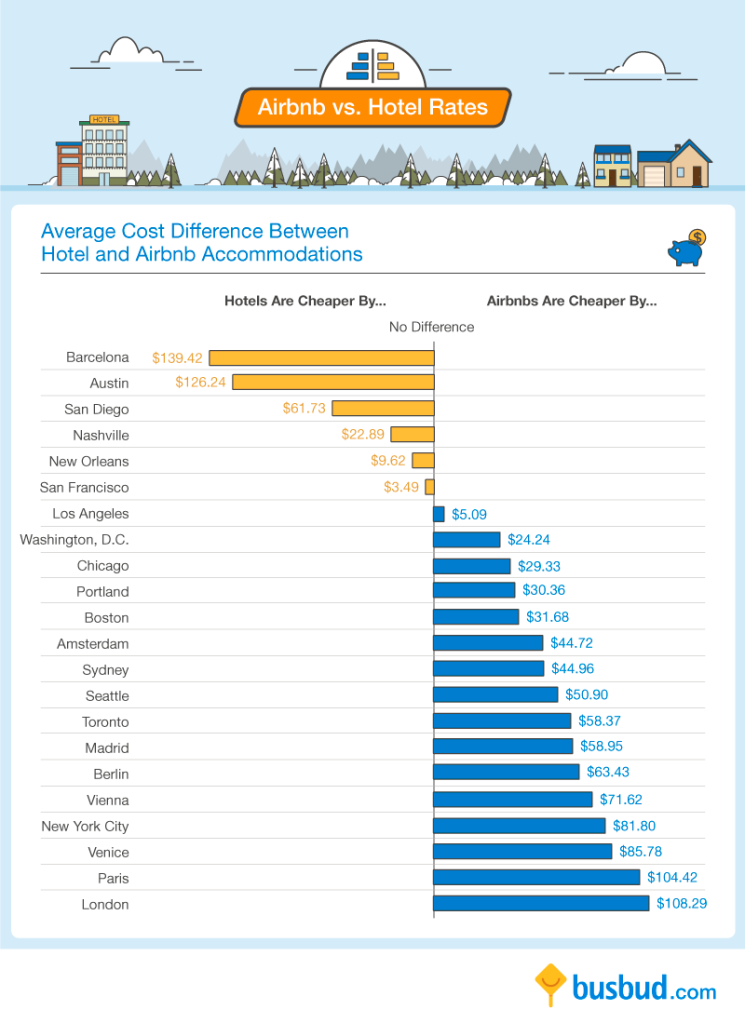
When Airbnb first emerged, it was widely perceived as the budget-friendly alternative to hotels, especially in popular tourist destinations like Paris or New York. Travelers could often find an entire apartment for less than a standard hotel room, offering more space, kitchen facilities, and a taste of local living. This perception was largely true in its nascent stages. Property owners, eager to capitalize on the sharing economy, often set competitive rates to attract early adopters.
However, as Airbnb matured and its popularity soared, so too did its pricing model and the expectations of its hosts. What started as a casual side hustle for many homeowners has evolved into a professionalized industry for property managers and investors. This shift has led to prices that, in many markets, now rival or even exceed those of hotels, particularly when all the additional fees are factored in. The initial ‘deal’ is not always as readily available as it once was, prompting travelers to scrutinize every detail of their booking.
Factors Influencing Pricing
Both Airbnb and hotel pricing are influenced by a myriad of factors, creating a constantly fluctuating market. Understanding these elements is key to identifying potential savings.
- Demand: Peak travel seasons (holidays, summer months, major events) inevitably drive up prices for both types of accommodation. A room in London during the Christmas season will invariably cost more than during the off-season.
- Location: Properties in prime city centers, near major attractions, or in highly sought-after neighborhoods almost always command higher prices. A hotel suite overlooking the Eiffel Tower in Paris will naturally be more expensive than a modest room on the outskirts. Similarly, an Airbnb in downtown Tokyo will reflect its desirable address.
- Amenities: The more features an accommodation offers – swimming pools, gyms, concierge services, fully equipped kitchens, multiple bedrooms – the higher its price tag. Hotels often bundle many amenities into their base rate, while Airbnb hosts might highlight specific features that justify a higher price point.
- Property Type and Size: A luxury villa will always be more expensive than a studio apartment, regardless of whether it’s an Airbnb or a hotel. The number of bedrooms, bathrooms, and overall square footage directly impacts cost, particularly for larger groups.
- Booking Window: Last-minute bookings can sometimes yield discounts (especially for hotels trying to fill rooms), but often result in higher prices as availability dwindles. Booking well in advance generally offers more competitive rates, particularly for popular Airbnb listings.
Deconstructing Airbnb Pricing
To accurately compare costs, it’s essential to dissect the various components that make up an Airbnb booking. What appears as an attractive nightly rate can quickly escalate once additional charges are applied.
Base Rate vs. Hidden Fees
The most deceptive aspect of Airbnb pricing for many travelers is the disconnect between the advertised nightly rate and the final price. While the base rate might look appealing, several additional fees typically inflate the total:
- Service Fee: This is Airbnb’s commission, charged to guests, and usually ranges from 0% to 14.2% of the subtotal (base rate + cleaning fee). It’s a non-negotiable charge that adds a significant percentage to your overall cost.
- Cleaning Fee: Almost all Airbnb listings include a one-time cleaning fee. This can vary wildly, from a modest $15 to well over $200, depending on the size and type of property. For short stays, particularly one or two nights, this fee can disproportionately increase the per-night cost, making Airbnb less competitive than a hotel.
- Occupancy Taxes: Similar to hotels, Airbnb bookings are subject to local occupancy taxes, which vary by city, state, or country. These are often calculated as a percentage of the total booking cost.
- Security Deposit: While not a direct charge, some hosts require a security deposit. This amount is authorized on your credit card and only charged if damages occur, but it can tie up funds temporarily.
The Impact of Property Type and Location
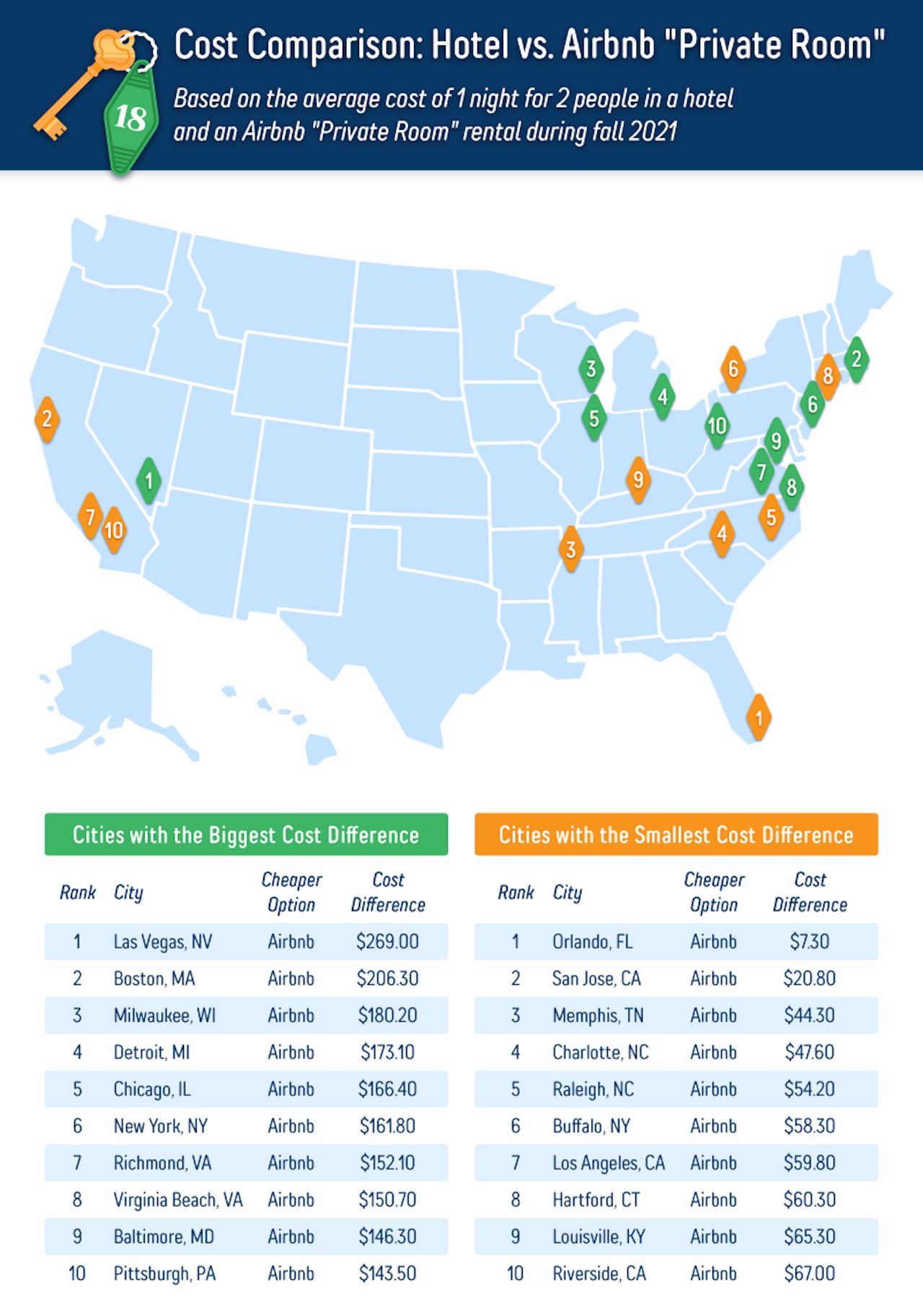
The type of Airbnb property chosen significantly impacts its cost. A private room in a shared apartment will almost always be cheaper than an entire house. Similarly, a rustic cabin in a rural area like the Dolomites will differ in price from a sleek loft in downtown Sydney. Furthermore, the surge in professionally managed Airbnb properties, often furnished to a high standard, has pushed prices upwards, sometimes blurring the line between a luxury rental and a boutique hotel. These properties frequently come with higher cleaning and service fees to cover professional maintenance and guest support.
Group Travel and Long-Term Stays
This is where Airbnb often gains a significant advantage. For groups, splitting the cost of a multi-bedroom apartment or house can be substantially cheaper per person than booking multiple hotel rooms. The shared living spaces, kitchen facilities, and sense of togetherness offered by an Airbnb can also enhance the overall travel experience.
For longer trips, typically a week or more, many Airbnb hosts offer weekly or monthly discounts. These can range from 10% to 50% off the nightly rate, making extended stays considerably more affordable than an equivalent hotel booking. The impact of the one-time cleaning fee also diminishes significantly over a longer duration, spreading the cost across more nights. This makes Airbnb particularly attractive for digital nomads or those on extended business trips to cities like Barcelona.
Understanding Hotel Cost Structures
Hotels, while seemingly more straightforward in their pricing, also have layers of costs to consider. Their value proposition often lies in predictability and included services.
Nightly Rates and Included Amenities
Hotel pricing generally revolves around a nightly rate that is more all-inclusive than Airbnb’s. This rate typically includes:
- Daily Housekeeping: Unlike Airbnb, you generally don’t pay an extra fee for cleaning your room during or after your stay.
- Front Desk/Concierge Services: 24/7 assistance, luggage storage, and local recommendations are standard.
- On-site Facilities: Access to gyms, pools, business centers, and sometimes breakfast are often bundled into the room rate. While some hotels charge for premium Wi-Fi or certain amenities, the core offerings are usually covered.
- Utilities: Heating, cooling, and electricity are always part of the room rate, with no separate charges.
However, hotels can also have ‘hidden’ costs such as resort fees (common in leisure destinations like Dubai), parking fees, and inflated prices for mini-bar items or room service. These can quickly add up if not anticipated.
Loyalty Programs and Corporate Discounts
One significant advantage of hotels, especially for frequent travelers, is their loyalty programs. Chains like Marriott Bonvoy or Hilton Honors offer points that can be redeemed for free nights, room upgrades, and other perks. Status tiers within these programs can also provide benefits like complimentary breakfast, late check-out, or access to executive lounges, which add substantial value.
Furthermore, many corporations have negotiated special rates with hotel chains. If you’re traveling for business, these corporate discounts can make a hotel significantly more affordable than an Airbnb of comparable quality, often including additional benefits tailored to business travelers.
The Allure of Package Deals
Hotels frequently participate in travel package deals, bundling flights, car rentals, and accommodation. These packages can offer considerable savings, particularly when booked through online travel agencies. While Airbnb has explored similar bundles, they are not as prevalent or deeply discounted as traditional hotel packages. For travelers looking for a hassle-free, all-in-one booking, hotel packages often present a compelling economical choice.
A Head-to-Head Cost Comparison: Scenarios and Considerations
Determining whether Airbnb or a hotel is cheaper often depends entirely on the specific travel context. There’s no universal answer, but rather a series of ‘it depends’ scenarios.
Short Stays vs. Extended Trips
- Short Stays (1-3 nights): Hotels often win on price for very short trips. The one-time cleaning fee on Airbnb can make a single night’s stay prohibitively expensive. For instance, a $100 nightly rate with a $70 cleaning fee makes a one-night Airbnb effectively $170. A hotel might offer a similar room for $120-$150 with no additional cleaning charges.
- Extended Trips (4+ nights): This is where Airbnb tends to become more cost-effective. The cleaning fee is spread across more nights, and weekly/monthly discounts kick in. The ability to cook meals in a private kitchen also significantly reduces food expenses, which can be a huge saver over weeks of dining out in places like Rome or Berlin.
Solo Travelers, Couples, and Families
- Solo Travelers/Couples: For single individuals or couples, especially on short trips, a standard hotel room often presents better value. The convenience, amenities, and lack of additional fees can outweigh the marginal space benefit of a studio Airbnb.
- Families/Groups: Airbnb is typically the clear winner for families or larger groups. Booking multiple hotel rooms often costs substantially more than renting a multi-bedroom apartment or house. The communal living spaces, separate bedrooms for children, and kitchen facilities offered by an Airbnb are invaluable for group travel, not just for cost but for comfort and convenience. A family of four visiting Orlando would likely find an Airbnb with a pool and multiple rooms far more economical and comfortable than two adjoining hotel rooms.
Urban vs. Rural Destinations
- Urban Centers: In highly competitive urban markets, particularly those with strict short-term rental regulations, Airbnb prices can be quite high, sometimes even exceeding mid-range hotel prices. However, in less central but well-connected neighborhoods, Airbnb can still offer better value, especially for longer stays.
- Rural/Unique Destinations: In areas with limited hotel infrastructure, such as national parks or remote towns, Airbnb and similar vacation rentals often dominate the market, sometimes making them the only viable or most affordable option. They can also provide unique experiences, like staying in a treehouse or a historic cottage, that hotels simply cannot replicate.
The Value of Intangibles: Convenience vs. Experience
Cost isn’t just about the monetary figure; it also encompasses the value derived. Hotels offer consistency, professional service, and predictable amenities. Airbnb offers unique experiences, a sense of “home,” and often more space and privacy. For some, the cost savings on an Airbnb might be offset by the effort of self-catering or navigating a new neighborhood without a concierge. For others, the immersive local experience and the ability to cook their own meals far outweigh the lack of daily housekeeping.
Making the Economical Choice: Beyond Just Price
Ultimately, making the most economical choice means looking beyond the base price and considering the overall value proposition, factoring in flexibility, hidden expenses, and the specific needs of your trip.
Factoring in Flexibility and Cancellation Policies
Both Airbnb and hotels have varying cancellation policies. Hotels often offer free cancellation up to 24-48 hours before check-in, particularly on standard rates. Airbnb policies range from flexible (full refund up to 24 hours before check-in) to super strict (50% refund up to 30 days before check-in, no refund thereafter). For travelers who value flexibility or whose plans might change, a hotel’s more lenient cancellation terms can offer significant peace of mind, potentially saving money if a trip needs to be altered or canceled.
The Hidden Costs of Meals and Activities
While an Airbnb with a kitchen can save a fortune on dining out, especially in expensive cities like Singapore, it also requires time and effort for grocery shopping and cooking. Hotels, on the other hand, might offer complimentary breakfast, on-site restaurants, or easy access to dining options, which could be a time-saver, albeit potentially at a higher monetary cost. Consider your meal preferences and budget for dining when weighing the options.
When Does Each Option Truly Shine?
- Choose a Hotel When: You’re on a short business trip, traveling solo or as a couple, prioritize daily housekeeping, desire consistent service, need specific on-site amenities (pool, gym, spa), or value loyalty program benefits. Hotels also excel when last-minute flexibility or comprehensive package deals are a priority.
- Choose an Airbnb When: You’re traveling as a family or a group, planning an extended stay (week or more), want kitchen facilities to cook meals, seek a unique or localized experience, need more space and privacy, or are visiting areas with limited hotel options.
In conclusion, the question “Is Airbnb cheaper than a hotel?” no longer has a simple yes or no answer. Both accommodation types offer distinct advantages and disadvantages when it comes to cost. The truly economical choice hinges on a careful evaluation of your trip’s duration, group size, destination, desired amenities, and overall travel style. By meticulously examining the base rates, factoring in all additional fees, and considering the intangible benefits of each, travelers can confidently select the option that provides the best value for their money and enhances their journey.
LifeOutOfTheBox is a participant in the Amazon Services LLC Associates Program, an affiliate advertising program designed to provide a means for sites to earn advertising fees by advertising and linking to Amazon.com. Amazon, the Amazon logo, AmazonSupply, and the AmazonSupply logo are trademarks of Amazon.com, Inc. or its affiliates. As an Amazon Associate we earn affiliate commissions from qualifying purchases.