
For anyone leading a dynamic lifestyle—whether as a digital nomad, a frequent traveler, a content creator, or simply an individual keen on understanding their rights and responsibilities across different jurisdictions—navigating the nuances of state laws is crucial. Among the most commonly misunderstood areas are laws pertaining to recording conversations, particularly the distinction between “one-party consent” and “two-party consent” states. Understanding these legal frameworks is not just a matter of compliance; it profoundly impacts personal interactions, privacy expectations, and the ethical considerations of documenting daily life or professional engagements. When you find yourself in the heart of the United States South, specifically Alabama, a pressing question arises: Is Alabama a one-party consent state? The answer has significant implications for how you can legally record conversations, whether in person or over the phone. This comprehensive guide will delve into Alabama’s recording laws, providing clarity for a truly informed and responsible lifestyle.
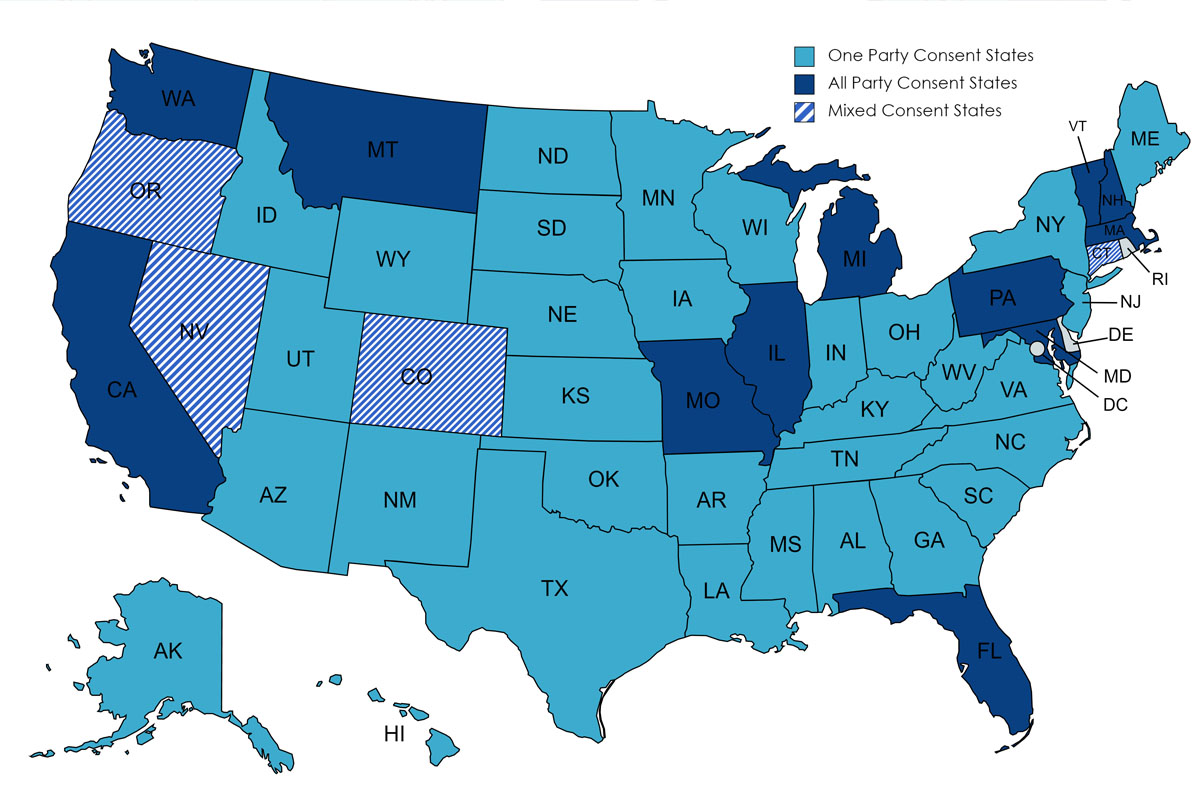
Understanding Consent Laws: The Basics for a Mobile Lifestyle
In an era where nearly everyone carries a device capable of recording audio and video, the legal framework governing such recordings is more relevant than ever. For individuals whose lifestyle takes them across state lines or involves creating and sharing content, a fundamental understanding of consent laws is paramount. These laws determine who needs to agree before a conversation can be legally recorded, directly influencing personal privacy and legal risk.
What is “One-Party Consent”?
A “one-party consent” state is one where you only need the permission of one person involved in a conversation to legally record it. Crucially, if you are the person doing the recording, you count as the “one party.” This means that in a one-party consent state, you can record a conversation you are a part of without informing or obtaining permission from the other participants. This simplifies documentation for various purposes, from personal note-taking to evidence collection, but also places a higher onus on individuals to be aware that their conversations might be recorded.
The rationale behind one-party consent laws often centers on the idea that an individual has a right to record their own experiences or interactions. It provides a legal means for self-protection or documentation, particularly in situations where one party might be trying to mislead or coerce another. However, it doesn’t negate the ethical considerations of recording someone without their knowledge.
What is “Two-Party Consent”?
Conversely, “two-party consent” states, also sometimes referred to as “all-party consent” states, require every party to a conversation to give their explicit permission before it can be legally recorded. If even one person does not consent, the recording is illegal. This stricter standard places a higher premium on privacy, ensuring that individuals have a greater expectation that their private conversations will not be secretly documented.
For travelers or remote workers operating in a two-party consent state, this distinction is critical. Unknowingly recording a conversation could lead to severe legal penalties, including civil lawsuits and criminal charges. Therefore, the default advice when unsure is always to assume a two-party consent rule applies, or better yet, to explicitly ask for permission.
Federal Law vs. State Laws
Adding another layer of complexity is the interplay between Federal Law and state laws. In the United States, Federal Law (specifically 18 U.S.C. § 2511) dictates that it is generally legal to record an oral communication if one party to the conversation has given prior consent to such interception. This means that, at the federal level, the U.S. operates as a one-party consent jurisdiction for wire, oral, or electronic communications.
However, individual states are permitted to enact their own, often stricter, laws regarding consent for recording. When state law is more stringent than Federal Law, the state law generally takes precedence within that state’s borders. This means that while Federal Law allows for one-party consent, if a specific state is a two-party consent state, you must abide by the state’s stricter requirements when you are physically within that state or if the conversation takes place there. This divergence necessitates a “know before you go” approach, especially for those whose lifestyle involves frequent movement or remote interactions across state lines.
Alabama’s Position: A Closer Look at Recording Laws
With the foundational understanding of consent laws established, the critical question for residents and visitors to the Yellowhammer State comes into focus. What is Alabama’s stance on recording conversations?
Decoding Alabama’s Statute
Alabama’s legal framework for recording conversations aligns with the majority of U.S. states and with Federal Law. Alabama is a one-party consent state. This means that under Alabama law, it is legal to record an in-person conversation or a telephone call if at least one of the parties to the conversation consents to the recording. If you are a participant in the conversation, your consent is sufficient, and you do not need to inform the other parties that you are recording.
The relevant statutes in Alabama concerning electronic surveillance and interception of communications are primarily found in the Alabama Code, Title 13A, Chapter 11, Section 30, often mirroring the federal Electronic Communications Privacy Act (ECPA). These laws prohibit the interception of wire, oral, or electronic communications without proper authorization, but critically include the “one-party consent” exception.
Implications for In-Person Conversations
For face-to-face interactions within Alabama, this one-party consent rule simplifies things for the recorder, but complicates the expectation of privacy for others. If you are speaking with someone in Alabama, they legally have the right to record your conversation without your knowledge, provided they are also a participant in that conversation.
This applies to a wide range of scenarios:
- Personal Discussions: Arguments, agreements, or significant personal dialogues can be recorded by one participant.
- Public Settings: Conversations in public spaces where there’s no reasonable expectation of privacy are generally easier to record, but the one-party consent still governs private conversations even within public view.
- Private Settings: In private homes or offices, if you are a party to the conversation, you can record it. However, placing a recording device where you are not a party to the conversation could quickly stray into illegal territory, as this would constitute eavesdropping or illegal surveillance.
It’s vital to differentiate between recording a conversation you are part of and recording conversations between others. Alabama’s one-party consent law strictly applies to the former. Recording others’ private conversations when you are not a participant remains illegal and can carry significant penalties.
Rules for Telephone and Electronic Communications
The same one-party consent principle extends to telephone calls and other forms of electronic communication in Alabama. This means:
- Phone Calls: You can record a phone call if you are one of the callers. You do not need to inform the other party on the line.
- Voicemails/Messages: Recording a voicemail or saving electronic messages that you are a recipient of is generally permissible as you are a party to the communication.
- Video Calls (with audio): If you are a participant in a video conference or call, you can typically record the audio portion under the one-party consent rule. The video component might involve additional considerations related to privacy in visual recording, but for audio, the one-party consent rule holds.
This aspect is particularly relevant for remote workers, business professionals, and content creators engaging in virtual meetings or interviews across state lines. If you’re in Alabama and conducting a call, you are generally covered by Alabama’s one-party consent rule, though always be mindful of where the other party is located, as their state’s laws might also come into play.

Practical Implications for Residents, Travelers, and Content Creators
Understanding Alabama’s one-party consent law isn’t just an academic exercise; it has tangible implications for daily life and various professional pursuits.
Personal Safety and Documentation
For individuals prioritizing personal safety, the ability to legally record conversations can be a valuable tool. In situations involving potential harassment, threats, or disputes, having a recorded account of events can serve as crucial evidence. This applies to personal interactions, customer service disputes, or even encounters with public officials, provided the recorder is a participant in the conversation. It empowers individuals with a means of documentation that can be vital for legal or administrative processes.
Content Creation and Social Media
For content creators, podcasters, vloggers, and social media influencers whose lifestyle often involves recording and sharing interactions, Alabama’s one-party consent law offers a degree of flexibility. They can record interviews or discussions they are a part of without necessarily needing explicit, upfront permission from every participant. However, ethical considerations often extend beyond legal minimums. While legal, recording someone unknowingly for public dissemination might still raise ethical questions and could damage trust or reputation. Many creators opt for transparency and explicit consent, even in one-party states, to maintain good relationships with their subjects and audience. Additionally, if the recording is for commercial purposes, other legal aspects like intellectual property and model releases might apply.
Business and Professional Interactions
In the business world, Alabama’s one-party consent law means that business meetings, client calls, or employee discussions can be recorded by any participating individual. This can be beneficial for creating meeting minutes, documenting agreements, or ensuring accountability. However, many businesses still implement policies requiring all parties to be informed of recordings, often for reasons of professionalism, transparency, and maintaining positive relationships, or to comply with stricter company-wide policies that might apply across multiple states. It’s also important to remember that recording an employee in a way that infringes on their reasonable expectation of privacy in the workplace could still lead to legal challenges, even within a one-party consent framework.
The Expectation of Privacy
Despite Alabama being a one-party consent state, the general “expectation of privacy” still plays a significant role. This legal concept determines whether an individual’s privacy has been infringed upon. For instance, you generally have a high expectation of privacy in your own home, in private restrooms, or in conversations where you reasonably believe no one else is listening. Even in a one-party state, surreptitiously recording someone in a place where they have a high expectation of privacy, and you are not a party to the conversation, would likely be illegal. The law protects against surreptitious surveillance by non-participants, even if one party consents to having a conversation recorded for their own purposes.
Navigating Cross-State Recording: A Lifestyle Imperative
For those whose lifestyle involves constant movement or remote communication across state lines, the patchwork of consent laws across the United States presents a unique challenge.
When Laws Conflict
A common scenario involves an individual in Alabama (a one-party state) initiating a call with someone in a two-party consent state. Which law applies? Generally, the law of the state where the recording device is located, or where the recording party is located, often governs. However, some courts might consider the law of the state where the other party is located, especially if that state has a stronger public policy regarding privacy.
To avoid legal complications, it’s often advised to err on the side of caution and follow the stricter law. If you are in Alabama and call someone in a two-party consent state, it is prudent to obtain their consent before recording. This ensures compliance with both jurisdictions and respects the privacy expectations of all parties involved.
The Most Cautious Approach
Given the complexities and potential legal ramifications, the most cautious approach for anyone consistently engaging in recorded communications is simple: always seek explicit consent from all parties before recording any conversation. This practice transcends state lines and provides the highest level of legal protection and ethical consideration. It removes ambiguity and respects the autonomy of everyone involved, fostering trust and transparency—qualities highly valued in any lifestyle, particularly one that is mobile or publicly engaged.
Best Practices for Ethical and Legal Recording in Alabama
Even though Alabama is a one-party consent state, adopting best practices can help ensure that your recording activities are not only legal but also ethical and professional.
Always Seek Consent When Possible
While not legally required in Alabama if you are a party to the conversation, making it a habit to inform others that you are recording is a sign of respect and professionalism. This simple act can prevent misunderstandings, build trust, and mitigate potential conflicts, especially in professional or sensitive personal contexts. A quick “Just so you know, I’m recording this call for my notes” is often sufficient.
Know Your Rights and the Law
Stay informed about Alabama’s specific statutes and any potential updates. Legal landscapes can change, and being aware of current regulations is essential. This includes understanding the nuances between recording a conversation you’re part of versus surreptitiously recording others. Ignorance of the law is generally not a valid defense.

Legal Counsel as a Prudent Step
If you anticipate recording conversations that could have significant legal implications—such as for a major legal case, investigative journalism, or sensitive business negotiations—it is always advisable to consult with a legal professional. An attorney specializing in media law or privacy rights can provide tailored advice, ensuring your actions are fully compliant and protect your interests. This is especially true if you foresee your recordings being used in court or public forums.
In conclusion, Alabama firmly operates as a one-party consent state for recording conversations. While this provides certain freedoms for individuals to document their interactions, it also underscores the importance of awareness and ethical considerations for everyone. For those living a mobile, dynamic lifestyle, understanding these laws is not just about avoiding penalties; it’s about navigating the world responsibly, respecting privacy, and making informed choices in an increasingly connected and documented society.
LifeOutOfTheBox is a participant in the Amazon Services LLC Associates Program, an affiliate advertising program designed to provide a means for sites to earn advertising fees by advertising and linking to Amazon.com. Amazon, the Amazon logo, AmazonSupply, and the AmazonSupply logo are trademarks of Amazon.com, Inc. or its affiliates. As an Amazon Associate we earn affiliate commissions from qualifying purchases.