
Navigating the legal landscape of any new destination is a crucial aspect of responsible travel, and Alabama is no exception. For visitors and residents alike, understanding your rights and obligations when interacting with law enforcement is paramount to ensuring a smooth and enjoyable experience. The question, “Is Alabama a stop and identify state?” is a common one, particularly for those concerned about their civil liberties while exploring new locales, whether for tourism, business stays, or a family trip.
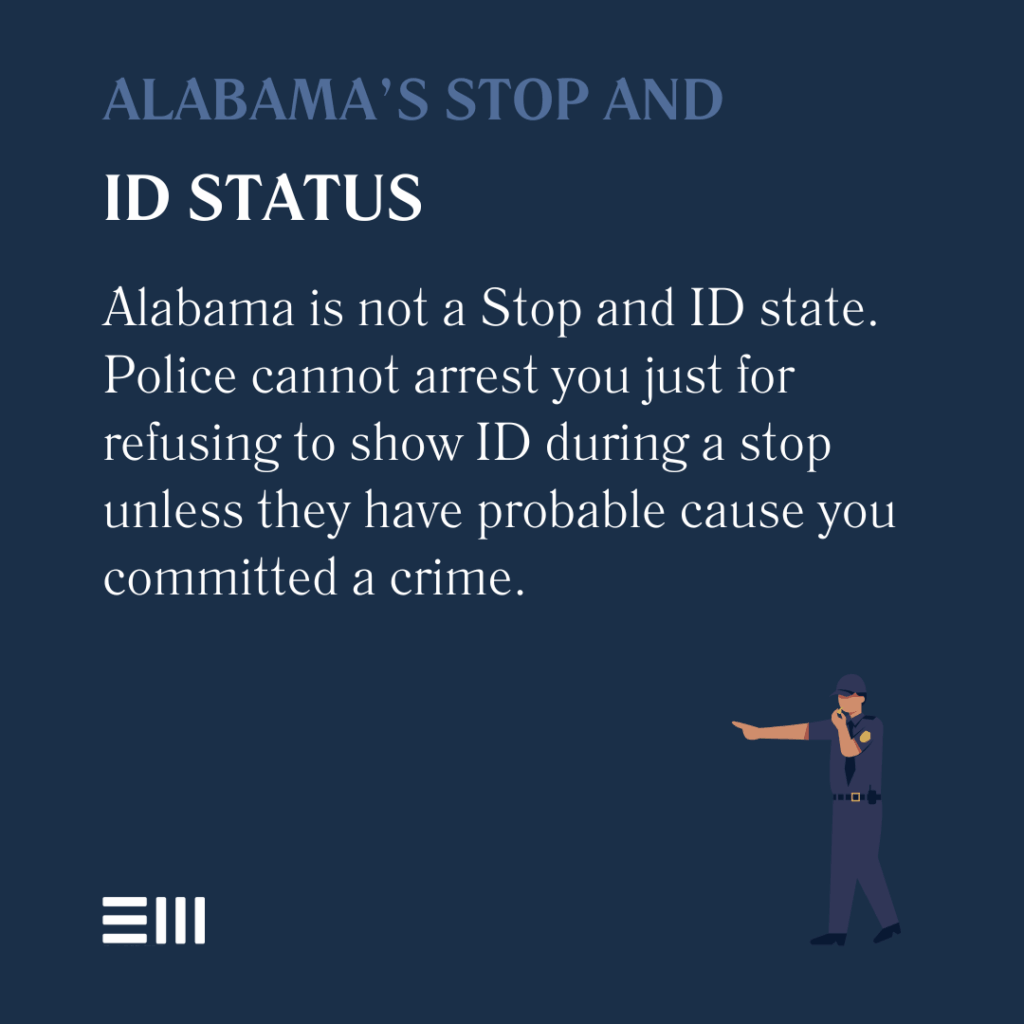
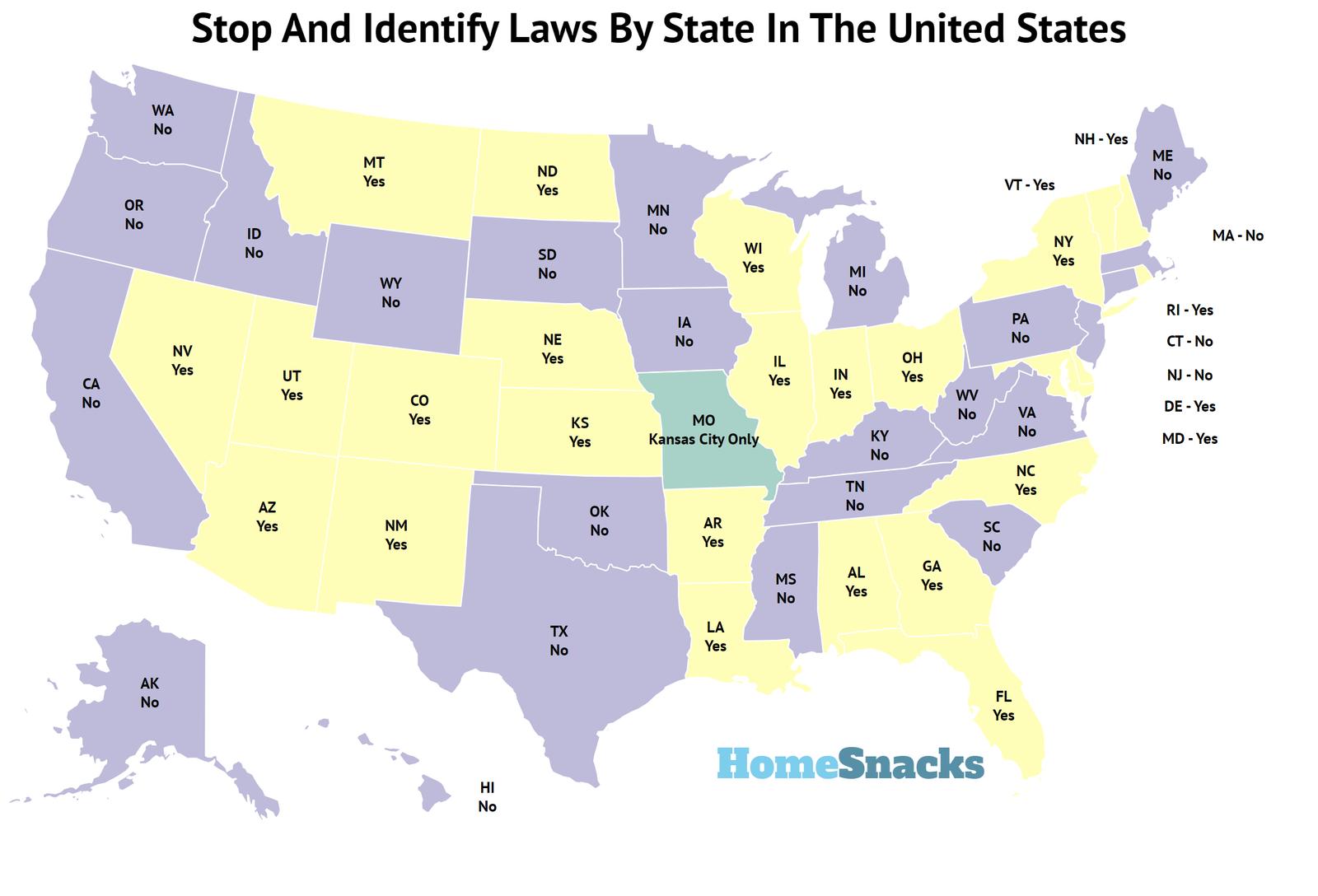
The short answer is yes, under specific circumstances, Alabama does have laws that require individuals to identify themselves to law enforcement. However, this isn’t a blanket requirement; it’s contingent upon lawful detention based on reasonable suspicion. This article delves into the nuances of Alabama’s stop and identify laws, offering practical advice for travelers, and integrating it within the broader context of experiencing the Heart of Dixie. From historical landmarks to vibrant cities and serene natural attractions, a clear understanding of these regulations allows you to fully immerse yourself in all that Alabama has to offer.

Understanding “Stop and Identify” Laws in Alabama
The concept of “stop and identify” can often be misunderstood, leading to confusion and unnecessary tension during interactions with law enforcement. In Alabama, like many other U.S. states, the requirement to identify oneself is not absolute but is tied to the legal framework governing police stops and detentions.
The Legal Framework: What the Law Says
Alabama’s legal framework for requiring identification generally aligns with the Fourth Amendment of the U.S. Constitution, which protects against unreasonable searches and seizures. The key here is the concept of “reasonable suspicion.” Law enforcement officers in Alabama are permitted to briefly detain an individual if they have reasonable suspicion that the person has committed, is committing, or is about to commit a crime. This is often referred to as a “Terry stop,” originating from the Supreme Court case Terry v. Ohio.
During such a lawful detention, if the officer has a legitimate reason to believe that obtaining the individual’s identity is necessary to resolve the situation, Alabama law may require the detained person to provide their name. Failure to do so could potentially lead to further charges, such as obstruction of governmental operations, depending on the specific circumstances and the officer’s justification for requesting identification. It’s crucial to understand that “reasonable suspicion” is a lower legal standard than “probable cause,” but it must be based on specific, articulable facts, not just a hunch.
Distinguishing Between Consensual Encounters and Detentions
One of the most vital distinctions for any traveler or resident to grasp is the difference between a consensual encounter and a lawful detention. This difference dictates whether you are legally obligated to identify yourself or answer questions.
- Consensual Encounter: This occurs when a police officer approaches you in a public place, and you are free to leave at any time. In a consensual encounter, you are not being detained, and therefore, you are generally not legally required to provide identification or answer any questions. You have the right to politely decline to answer questions and to walk away. The officer must clearly indicate, either through their words or actions, that you are free to leave for it to be considered consensual.
- Lawful Detention (Terry Stop): This occurs when an officer, based on reasonable suspicion, restrains your freedom to leave. This could be by telling you not to move, blocking your path, or indicating that you are not free to go. In this scenario, as discussed, Alabama law may require you to provide your identification, specifically your name. The detention must be brief and limited in scope, aimed at confirming or dispelling the officer’s suspicion.
Understanding this distinction is key to knowing your rights. If you are unsure whether an encounter is consensual or a detention, you can politely ask the officer, “Am I free to go?” or “Am I being detained?” Their response will clarify your standing.
Identification Requirements for Drivers and Pedestrians
The rules surrounding identification can also vary slightly depending on the context of the encounter.
- For Drivers: If you are operating a motor vehicle in Alabama and are lawfully stopped by law enforcement (e.g., for a traffic violation or reasonable suspicion of a crime), you are legally required to produce your driver’s license, vehicle registration, and proof of insurance upon request. This is a standard requirement in all U.S. states and is distinct from the general “stop and identify” rule for pedestrians but serves a similar purpose in establishing identity.
- For Pedestrians: As a pedestrian, if you are lawfully detained based on reasonable suspicion of criminal activity, Alabama law may require you to provide your name. While you are not generally required to carry a physical ID as a pedestrian, having one, such as a state ID or passport, can expedite the interaction and avoid further complications if an officer requests proof of identity during a lawful detention.
Practical Advice for Travelers in Alabama
For those exploring Alabama’s rich history, stunning coastlines, or vibrant cultural scenes, being prepared for any interaction with law enforcement can enhance your overall experience. Knowledge of your rights and polite cooperation within legal bounds are your best tools.
What to Do if Stopped by Law Enforcement
If you find yourself stopped by law enforcement in Alabama, whether as a driver or a pedestrian, consider the following practical steps:
- Stay Calm and Be Courteous: Maintain a respectful demeanor. Aggressive or argumentative behavior can escalate a situation unnecessarily.
- Remain Silent (Beyond Identification): While you may be required to provide your name if lawfully detained, you generally have the right to remain silent regarding other questions. You can politely state, “I prefer not to answer any questions without an attorney present.”
- Do Not Resist: Even if you believe the stop is unlawful, do not physically resist. Resisting arrest can lead to additional charges.
- Hands Visible: Keep your hands where the officer can see them, ideally on the steering wheel if in a vehicle, or out of your pockets if a pedestrian.
- Produce Documents When Required: If driving, provide your license, registration, and insurance. If lawfully detained as a pedestrian and requested, provide your name.
- Do Not Consent to Searches: You have the right to refuse a search of your person, vehicle, or belongings unless the officer has a warrant or probable cause, or if you are under arrest. If an officer states they will search anyway, do not physically resist, but clearly state, “I do not consent to this search.”
- Remember Details: Try to remember the officer’s badge number, patrol car number, and the time and location of the stop. This information can be useful if you later need to file a complaint.
- Record if Legal: In Alabama, it is generally legal to record police encounters in public spaces, provided you are not interfering with their duties. However, be mindful of specific local ordinances and always prioritize your safety.
Common Misconceptions and Your Rights
Many travelers harbor common misconceptions about police interactions. Dispelling these can empower you.
- “I always have to show ID”: Not true for consensual encounters or if you are a pedestrian not lawfully detained.
- “Police can search my car anytime”: Only with your consent, a warrant, probable cause, or if you’ve been arrested.
- “I must answer all questions”: You have the Fifth Amendment right to remain silent.
- “I have to take a sobriety test if asked”: While refusal to a breathalyzer after arrest can lead to license suspension in Alabama, you can refuse field sobriety tests.
Knowing your rights empowers you to navigate these situations with confidence and assertiveness while maintaining respect for the law.
Carrying Identification: A Traveler’s Best Practice
While Alabama law doesn’t universally require pedestrians to carry physical identification, it is undeniably a best practice for any traveler. Having a valid driver’s license, state ID, or passport readily accessible can significantly streamline any interaction with law enforcement, even if it’s just a lawful detention. It provides immediate proof of identity and can prevent prolonged questioning or suspicion. For international travelers, always carry your passport and any necessary visa documentation. This simple act of preparedness contributes to a smoother, less stressful journey, allowing you to focus on enjoying your Alabama adventures.
Exploring Alabama: Travel Tips Beyond Legalities
Understanding legal requirements is just one facet of planning an unforgettable journey. Alabama is a state brimming with diverse attractions, historical significance, and natural beauty. Integrating your knowledge of the law with smart travel tips ensures a comprehensive and worry-free experience.
Top Destinations and Attractions in Alabama
Alabama’s appeal lies in its rich tapestry of history, culture, and natural wonders. For those looking to plan their itinerary, here are a few standout destinations:
- Birmingham: A hub of civil rights history, visitors can explore the Birmingham Civil Rights Institute and the historic Sixteenth Street Baptist Church. Beyond its poignant past, Birmingham boasts a burgeoning culinary scene and attractions like Vulcan Park and Museum, offering panoramic views of the city.
- Montgomery: The state capital, Montgomery, played a pivotal role in the Civil Rights Movement. Key sites include the Rosa Parks Museum, the Dexter Avenue King Memorial Baptist Church, and the Legacy Museum: From Enslavement to Mass Incarceration.
- Mobile: Alabama’s only saltwater port city, Mobile, offers a unique blend of Southern charm and Gulf Coast culture. Visitors can explore the historic Dauphin Street entertainment district, tour the WWII battleship USS Alabama Battleship Memorial Park, or enjoy Mardi Gras festivities (the oldest in the U.S.).
- Gulf Shores and Orange Beach: These coastal towns are perfect for a relaxing beach getaway, offering pristine white sand beaches, dolphin cruises, and fresh seafood. Gulf State Park provides outdoor activities like fishing, hiking, and biking.
- Huntsville: Known as “Rocket City,” Huntsville is home to the U.S. Space & Rocket Center, a must-visit for space enthusiasts and families. The city also offers a vibrant craft beer scene and beautiful botanical gardens.
- Cheaha State Park: For nature lovers, Cheaha State Park in the Talladega National Forest boasts Alabama’s highest point, offering stunning views and excellent hiking opportunities.
These destinations provide a glimpse into the diverse experiences awaiting you in Alabama. Remember to check local guides for specific attractions and activities that align with your travel style, whether it’s luxury travel or budget travel.
Accommodation and Lifestyle in the Heart of the South
When it comes to accommodation in Alabama, you’ll find a wide range of options to suit every preference and budget. From charming boutique hotels in historic districts to luxurious resorts on the Gulf Coast, and cozy apartments for longer stays, the state caters to all types of travelers.
In Birmingham, you might consider staying at the historic Tutwiler Hotel, Curio Collection by Hilton for a blend of elegance and modern amenities. Along the Gulf Shores, popular choices range from condos with ocean views to family-friendly resorts like The Lodge at Gulf State Park, a Hilton Hotel. For a more intimate experience in Montgomery, consider a bed and breakfast in the historic Garden District. When booking your stay, utilize online reviews and comparison tools to find the perfect fit.
Alabama’s lifestyle is characterized by its Southern hospitality, delicious food, and a strong sense of local culture. Don’t miss out on trying classic Southern dishes like fried green tomatoes, barbecue, and pecan pie. Engage with locals, explore farmers’ markets, and take part in regional festivals to truly grasp the spirit of the state. Whether you’re seeking a serene escape into nature or an immersive dive into history, Alabama offers a welcoming backdrop for every kind of traveler.
In conclusion, knowing your rights as a traveler in Alabama is a foundational element of planning a stress-free trip. While Alabama is indeed a “stop and identify” state under specific circumstances of lawful detention based on reasonable suspicion, understanding these nuances empowers you. Carry identification, remain calm and courteous if stopped, and know when you are truly free to leave or remain silent. With this knowledge, you can confidently explore the diverse destinations, historical landmarks, and vibrant cultural activities that make Alabama a unique and rewarding place to visit. Enjoy your Alabama journey, equipped with both legal awareness and a spirit of adventure!
LifeOutOfTheBox is a participant in the Amazon Services LLC Associates Program, an affiliate advertising program designed to provide a means for sites to earn advertising fees by advertising and linking to Amazon.com. Amazon, the Amazon logo, AmazonSupply, and the AmazonSupply logo are trademarks of Amazon.com, Inc. or its affiliates. As an Amazon Associate we earn affiliate commissions from qualifying purchases.