
The evolving landscape of cannabis legislation across the United States has become a focal point for travelers, investors, and residents alike. With states like Colorado, California, and Nevada pioneering recreational legalization, and many more embracing medical cannabis, the question of “Is Alabama legalizing weed?” is increasingly pertinent, especially for those considering the Cotton State as a future travel destination. For a state renowned for its southern charm, historical landmarks, and pristine Gulf Coast beaches, understanding its stance on cannabis is crucial for planning a smooth and enjoyable trip, particularly when considering accommodation options and local experiences.
While the buzz around cannabis reform continues to grow, it’s essential to cut through the speculation and provide clear, up-to-date information for anyone looking to visit or move to Alabama. This article delves into the current legal status of cannabis in the state, explores what future legalization could mean for tourism and lifestyle, and offers practical advice for travelers navigating Alabama’s regulations.
The Current Legal Landscape in Alabama: Medical Cannabis and Beyond
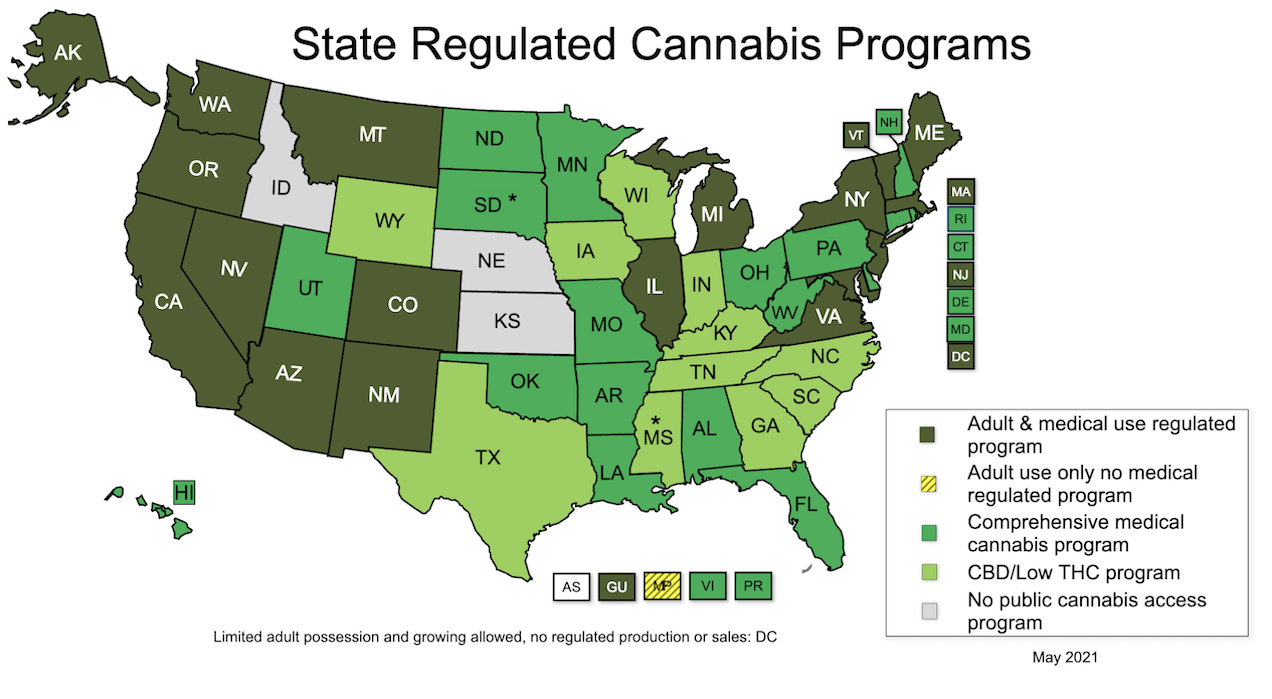
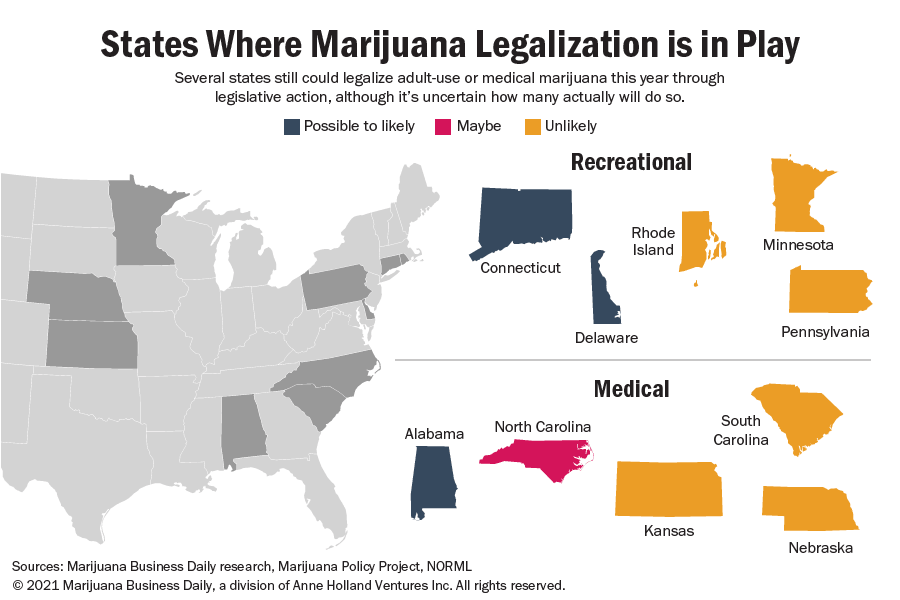
As of early 2024, the answer to “Is Alabama legalizing weed?” for recreational use is a definitive no. However, the state has made significant strides in the realm of medical cannabis. In May 2021, Governor Kay Ivey signed into law Senate Bill 46 (SB46), also known as the Darren Wesley ‘D.W.’ Roberts Alabama Compassion Act, effectively legalizing medical cannabis for qualifying patients. This landmark legislation established the Alabama Medical Cannabis Commission (AMCC) to oversee the licensing and regulation of medical cannabis cultivation, processing, dispensing, and transportation within the state.
Under this act, medical cannabis is available in various forms, including capsules, oils, tinctures, gels, creams, suppositories, and chewable tablets. Importantly, smoking or vaping cannabis flower remains illegal, even for registered medical patients. The qualifying conditions for medical cannabis use are extensive and include chronic pain, cancer, Crohn’s disease, epilepsy, multiple sclerosis, Parkinson’s disease, and post-traumatic stress disorder, among others. However, the process of obtaining a medical cannabis card is strictly controlled and generally requires residency in Alabama, a recommendation from a certified physician, and registration with the AMCC.
The implementation of the medical cannabis program has faced various delays and legal challenges, particularly concerning the licensing of dispensaries. This has meant that while the law is on the books, access for qualifying patients has been slower than anticipated. For visitors, this distinction between medical and recreational use is critically important.
Understanding Medical Cannabis Laws for Travelers
For individuals planning a trip to Alabama, it is paramount to understand that out-of-state medical cannabis cards are NOT recognized by Alabama’s medical cannabis program. This means that even if you possess a valid medical cannabis card from another state where medical or recreational cannabis is legal, you cannot legally purchase or possess medical cannabis in Alabama. Transporting cannabis across state lines, even if both states have legalized it to some extent, remains a federal offense due to cannabis still being classified as a Schedule I controlled substance under federal law.
Therefore, for all intents and purposes, travelers to Alabama should operate under the assumption that cannabis, in any form, is illegal for them to possess or consume. Ignoring these laws can lead to severe penalties, including fines, arrest, and even imprisonment, which can quickly derail any planned vacation or business stay. This strict stance underscores the need for thorough preparation and adherence to local laws when enjoying the state’s many attractions.
What a Potential Legalization Could Mean for Tourism and Travel in Alabama
While full recreational legalization is not currently on the horizon in Alabama, it’s valuable to explore the potential impact such a change could have, drawing parallels from states that have already embraced it. Should Alabama eventually move towards recreational cannabis, it would undoubtedly open up new avenues for tourism and significantly reshape the state’s travel and lifestyle sectors.
One of the most immediate impacts would be the emergence of a dedicated cannabis tourism niche. Much like how states such as Oregon or Washington have seen a rise in “canna-cations,” Alabama could attract visitors specifically interested in exploring legal cannabis. This could lead to a substantial economic boom through new tax revenues, job creation, and the proliferation of cannabis-related businesses. Dispensaries, consumption lounges, and even cannabis-themed tours could become common, adding a unique dimension to the state’s existing offerings.

Such a shift could also lead to a changing demographic of visitors. While Alabama traditionally attracts families, history buffs, and beachgoers, legalization could draw in younger demographics or those from states where cannabis remains illegal, seeking a new kind of getaway. This would necessitate a thoughtful integration of cannabis tourism with Alabama’s established attractions like the historical sites of Birmingham and Montgomery, the vibrant coastal communities of Gulf Shores and Orange Beach, or the space exploration wonders in Huntsville.
Potential for Cannabis-Friendly Accommodations and Experiences
The realm of accommodation would be particularly affected by recreational legalization. We could see the emergence of cannabis-friendly hotels, resorts, and apartments, similar to those found in Colorado or California. These might offer designated consumption areas, specialized amenities, or even cannabis-infused culinary experiences. Boutique hotels and independent vacation rentals would likely be the first to adapt, providing unique suites or villas tailored to this new market. Property owners would need to establish clear guidelines regarding consumption on their premises, balancing guest privacy with local regulations and the comfort of all patrons. Travel guides and booking platforms would also evolve to include categories for “420-friendly” listings, making it easier for travelers to plan their stays.
Beyond lodging, a wave of new experiences could surface. Imagine guided nature walks through Bankhead National Forest culminating in a cannabis tasting, or art classes infused with cannabis, echoing similar trends in states with legal adult-use. Culinary tourism could also be transformed, with chefs exploring cannabis-infused dishes, pushing the boundaries of gourmet dining. Such ventures would require careful regulation to ensure safety and responsible consumption, but they present a vibrant new facet for Alabama’s cultural and recreational offerings.
Exploring Alabama’s Destinations with a New Perspective
The unique blend of history, culture, and nature that defines Alabama could gain an entirely new dimension with cannabis legalization. Imagine the serene beauty of Dauphin Island or the panoramic views from Cheaha State Park experienced with a heightened sense of appreciation. Tourism focused on relaxation and natural immersion could see a boost. Historical tours in cities like Mobile or Selma might offer a different lens through which visitors engage with the past, though strict guidelines would be needed to ensure respect for the historical significance of these sites.
The potential for new themed festivals and events would also arise, attracting a diverse range of visitors interested in music, art, and cannabis culture. This isn’t just about consumption; it’s about integrating cannabis into the broader fabric of travel and lifestyle, offering novel ways to enjoy existing attractions and discover hidden gems across the state. The growth of a cannabis industry could also spur ancillary businesses, providing more options for local food, artisan crafts, and other products that enhance the overall visitor experience.
Navigating Alabama’s Current Regulations: Tips for Travelers
Given the current legal framework in Alabama, it is crucial for travelers to exercise caution and remain fully compliant with state laws. Until recreational cannabis is legalized, the following tips are essential for a trouble-free visit:
- Do Not Bring Cannabis Across State Lines: This cannot be stressed enough. Transporting cannabis into Alabama from a state where it is legal is a federal crime, regardless of your medical card status. Federal law still prohibits the interstate transport of cannabis.
- Recreational Use is Illegal: Possession, purchase, or consumption of recreational cannabis is illegal in Alabama. Penalties can range from significant fines to jail time, depending on the quantity and intent.
- Public Consumption is Prohibited: Even if you were a registered medical cannabis patient in Alabama, public consumption is strictly forbidden.
- Driving Under the Influence (DUI) Laws Apply: Operating a vehicle while impaired by any substance, including cannabis, is illegal and dangerous. Alabama has strict DUI laws that apply regardless of the substance.
- Understand Accommodation Policies: Most hotels, resorts, and rental properties in Alabama have strict non-smoking policies that would extend to cannabis. Even if cannabis were legal, private property owners retain the right to prohibit its use on their premises. Always check the rules of your chosen accommodation.
Staying Informed for Your Trip
To ensure a smooth travel experience, always consult official sources for the most current legal information. The Alabama Medical Cannabis Commission website and the state’s official legislative portals are reliable resources. Additionally, reputable travel guides and local tourism boards can provide practical advice and updates. Before making any booking or plans, verify the specific regulations that apply to your situation. This diligence will not only help you avoid legal issues but also ensure your visit focuses on enjoying Alabama’s rich culture, beautiful nature, and welcoming hospitality. Whether you’re planning a luxury travel escape or a budget travel adventure, informed decisions are key.
The Broader Lifestyle and Economic Implications
Beyond the immediate impact on tourism, any future move towards recreational cannabis legalization in Alabama would carry profound broader lifestyle and economic implications for the state. Economically, legalization could represent a significant boost. States like California and Colorado have seen billions in tax revenue, which is often earmarked for public services, education, or infrastructure improvements. For Alabama, this could translate into substantial funds to enhance its public amenities, invest in rural development, or bolster social programs.
The creation of a regulated cannabis industry would also generate thousands of new jobs, from cultivation and processing to retail, marketing, and security. This would encompass various skill sets, potentially drawing new talent to the state and diversifying its economy beyond traditional sectors like manufacturing and agriculture. Ancillary businesses, such as legal firms specializing in cannabis law, marketing agencies, and packaging companies, would also flourish, creating a ripple effect across the economy.
From a lifestyle perspective, legalization could lead to shifts in social norms and perceptions. While debates around public health and safety would undoubtedly continue, a regulated market often provides better control over product quality and accessibility, potentially reducing the risks associated with an illicit market. Public education campaigns would become vital to promote responsible use and inform both residents and visitors about the new legal landscape. This would be a gradual cultural shift, much like the evolution seen with alcohol consumption, requiring robust public discourse and community engagement.
Future Outlook: Balancing Opportunity and Regulation
The path to full cannabis legalization is complex, involving legislative hurdles, public opinion, and the establishment of comprehensive regulatory frameworks. Alabama’s journey with medical cannabis has demonstrated a cautious, phased approach, which is common among states navigating this new territory. This careful consideration allows for lessons to be learned from other states and for policies to be tailored to Alabama’s unique social and economic fabric.
Looking ahead, any further movement towards recreational legalization in Alabama would necessitate a delicate balance between harnessing the economic opportunities and addressing potential social concerns. Robust regulatory bodies, clear licensing procedures, and continuous public education would be paramount. For those who enjoy travel and exploring new destinations, the prospect of Alabama potentially embracing recreational cannabis adds an intriguing layer to its future as a vibrant, multifaceted state. Until then, staying informed and respectful of current laws remains the best approach to enjoying all that Alabama has to offer.
LifeOutOfTheBox is a participant in the Amazon Services LLC Associates Program, an affiliate advertising program designed to provide a means for sites to earn advertising fees by advertising and linking to Amazon.com. Amazon, the Amazon logo, AmazonSupply, and the AmazonSupply logo are trademarks of Amazon.com, Inc. or its affiliates. As an Amazon Associate we earn affiliate commissions from qualifying purchases.