
The question of whether a state is officially under a state of emergency in the United States is a critical one, impacting everything from disaster response and resource allocation to travel advisories and the general sense of security for residents and visitors alike. For a state like Alabama, a diverse region known for its Gulf Coast beaches, historic sites, and vibrant cities, understanding the implications of such a declaration is paramount for anyone planning a visit or currently enjoying its attractions. This article delves into what a state of emergency entails, how it’s declared, and what it might mean for tourism and travel within Alabama.

Understanding a State of Emergency
A state of emergency is a formal declaration by a government official, typically a governor or president, that a situation has arisen which the ordinary course of government is unsuited to address. These situations often involve natural disasters such as hurricanes, tornadoes, floods, or wildfires, but can also encompass public health crises, civil unrest, or other significant threats to public safety and welfare. The declaration grants extraordinary powers to the executive branch and relevant agencies to respond effectively and rapidly.
Key Powers and Provisions
When a state of emergency is declared, it typically unlocks a series of powers and provisions designed to expedite relief and recovery efforts. These can include:
- Mobilization of Resources: The governor can direct state agencies, personnel, and resources to address the emergency. This might involve deploying the National Guard, utilizing state-owned equipment, and coordinating with federal agencies like FEMA.
- Waiving Regulations: Certain administrative rules and regulations can be temporarily suspended to facilitate emergency operations. This could expedite the process of bringing in aid, rebuilding infrastructure, or providing essential services.
- Price Gouging Laws: In many jurisdictions, a state of emergency triggers anti-price gouging laws to prevent businesses from unfairly raising prices on essential goods and services during times of crisis.
- Evacuation Orders: Authorities can issue mandatory or voluntary evacuation orders for areas deemed at high risk.
- Curfews: In extreme situations, curfews might be implemented to ensure public safety and maintain order.
- Mutual Aid Agreements: The declaration can facilitate the activation of mutual aid agreements with neighboring states or local governments, allowing for the sharing of resources and personnel.
- Access to Funding: A declared state of emergency is often a prerequisite for accessing state and federal disaster relief funding.
The duration of a state of emergency varies. It can be declared for a specific period and then extended as needed, or it can remain in effect until the governor rescinds it once the emergency situation has abated. The process is usually transparent, with official proclamations issued and disseminated to the public.
What a State of Emergency Means for Alabama Tourism
For a state like Alabama, a significant portion of its economy relies on tourism. Understanding how a state of emergency might impact this sector is crucial for both travelers and businesses.
Travel Advisories and Safety
The most immediate impact on tourism is often the issuance of travel advisories. Depending on the nature and severity of the emergency, these advisories can range from recommendations to exercise caution to outright warnings to avoid travel to affected areas.
- Hurricane Season: Alabama has a substantial coastline along the Gulf of Mexico. During hurricane season, which runs from June 1 to November 30, a major storm event can lead to evacuations, road closures, and the temporary shutdown of tourist facilities in coastal cities like Gulf Shores and Orange Beach. A declared state of emergency in these regions would signal to travelers that conditions are hazardous, and they should heed official guidance.
- Tornado Alley: Alabama is also part of “Tornado Alley,” with periods of increased tornado activity, particularly in the spring. Severe weather events can cause widespread damage, leading to power outages, damaged infrastructure, and safety concerns that would prompt advisories against travel to affected areas.
- Other Emergencies: Flooding in river valleys, wildfires in rural areas, or even public health concerns could also lead to states of emergency and subsequent travel advisories, impacting popular destinations like Huntsville or regions known for outdoor recreation.
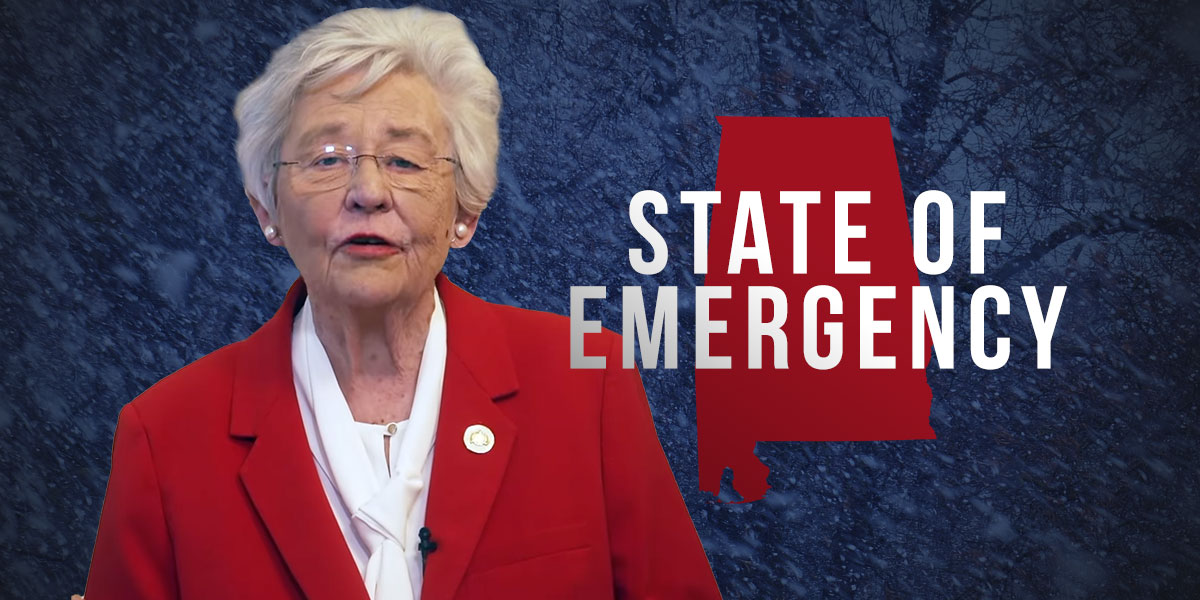
Travelers planning trips to Alabama during a declared state of emergency should prioritize safety and stay informed through official channels. This includes monitoring local news, checking the Alabama Emergency Management Agency (AEMA) website, and heeding any instructions from law enforcement or emergency personnel.
Impact on Attractions and Accommodations
A state of emergency can directly affect the operation of tourist attractions and accommodations.
- Attraction Closures: Iconic landmarks, state parks, museums, and entertainment venues may be forced to close temporarily due to safety concerns, damage, or the need to prioritize essential services. For instance, historical sites like the US Civil Rights Memorial in Montgomery or natural wonders like Noccalula Falls Park might suspend operations.
- Accommodation Disruptions: Hotels, resorts, and vacation rentals in affected areas may experience power outages, water disruptions, or structural damage. Some may be commandeered for emergency personnel or displaced residents. Visitors with reservations should expect potential cancellations or rescheduling. High-profile resorts along the coast, such as The Grand Hotel Golf Resort & Spa in Point Clear, might be directly impacted by severe weather.
- Event Cancellations: Major events, festivals, and sporting activities that draw significant crowds, such as the SEC Championship Game in Atlanta (though not in Alabama, it draws many from the state), or local festivals in cities like Mobile or Birmingham, are likely to be postponed or canceled.
The economic consequences for the tourism industry can be severe, with significant revenue losses for businesses and their employees. However, a swift and effective response, supported by a state of emergency declaration, can also lay the groundwork for a faster recovery, allowing attractions and accommodations to reopen and welcome visitors once it is safe to do so.
Monitoring the Situation in Alabama
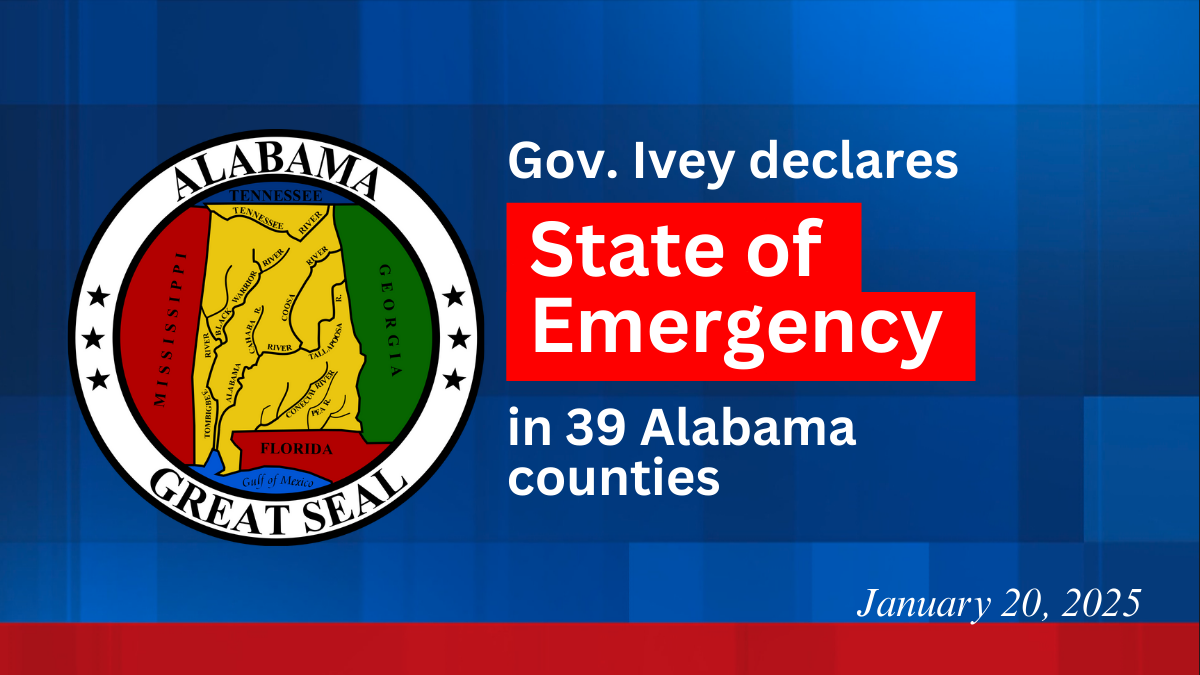
Determining if Alabama is currently under a state of emergency requires consulting official sources. The governor’s office and the Alabama Emergency Management Agency are the primary authorities for such declarations.
Official Channels for Information
- Governor’s Office Website: Proclamations and executive orders from the Governor of Alabama are typically published on the official state government website.
- Alabama Emergency Management Agency (AEMA): The AEMA serves as the central point for coordinating emergency response in the state. Their website and social media channels provide up-to-date information on emergencies, disaster declarations, and preparedness.
- Local Emergency Management Agencies: Each county and major city in Alabama will have its own emergency management agency, which will disseminate information specific to their jurisdiction.
- National Weather Service (NWS): For weather-related emergencies like hurricanes or tornadoes, the NWS provides critical forecasts, watches, and warnings that often precede or accompany a state of emergency declaration.
- Local News Outlets: Reputable local news organizations are essential for reporting on emergency situations and relaying official announcements.
Practical Steps for Travelers
If you are planning a trip to Alabama and are concerned about potential emergencies, or if you are currently in the state:
- Check Current Conditions: Before traveling, always check the official AEMA website and local news for any active states of emergency or significant advisories.
- Monitor Travel Advisories: Pay attention to advisories issued by the U.S. Department of State or equivalent bodies for international travelers, as well as state-specific advisories.
- Contact Your Accommodation and Tour Operators: If you have booked accommodations or tours, contact them directly to inquire about their operational status and any potential changes to your reservations. Many may have flexible cancellation policies during declared emergencies.
- Have a Contingency Plan: Be prepared to alter your travel plans. This might include having alternative routes, accommodation options, or the flexibility to postpone your trip if necessary.
- Sign Up for Alerts: If possible, sign up for local emergency alerts for the specific areas you plan to visit.
By staying informed and prepared, travelers can navigate any potential states of emergency in Alabama with greater safety and peace of mind, ensuring their visit, even if altered, remains a positive experience. The resilience of communities, coupled with timely official responses, allows Alabama to recover and continue to welcome visitors to its unique blend of natural beauty and rich heritage.
LifeOutOfTheBox is a participant in the Amazon Services LLC Associates Program, an affiliate advertising program designed to provide a means for sites to earn advertising fees by advertising and linking to Amazon.com. Amazon, the Amazon logo, AmazonSupply, and the AmazonSupply logo are trademarks of Amazon.com, Inc. or its affiliates. As an Amazon Associate we earn affiliate commissions from qualifying purchases.