
Alaska, often hailed as the Last Frontier, evokes images of towering mountains, vast wilderness, and a rugged, independent spirit. For many, the idea of living in this northernmost state of the United States is a captivating dream, a call to embrace a lifestyle profoundly different from anywhere else. Yet, transitioning to life in Alaska is a multifaceted decision, balancing unparalleled natural beauty and unique cultural experiences with distinct challenges. This comprehensive guide delves into what it truly means to call Alaska home, examining its unique attractions, lifestyle implications, economic opportunities, and the realities prospective residents must consider.
The Irresistible Lure: Why Alaska Captivates
Alaska’s appeal is undeniable, drawing individuals seeking adventure, tranquility, and a profound connection with nature. Its vastness offers a canvas for a life less ordinary, where the rhythm of seasons dictates daily routines and wild landscapes are an extension of the backyard.
Unparalleled Natural Beauty and Outdoor Adventure
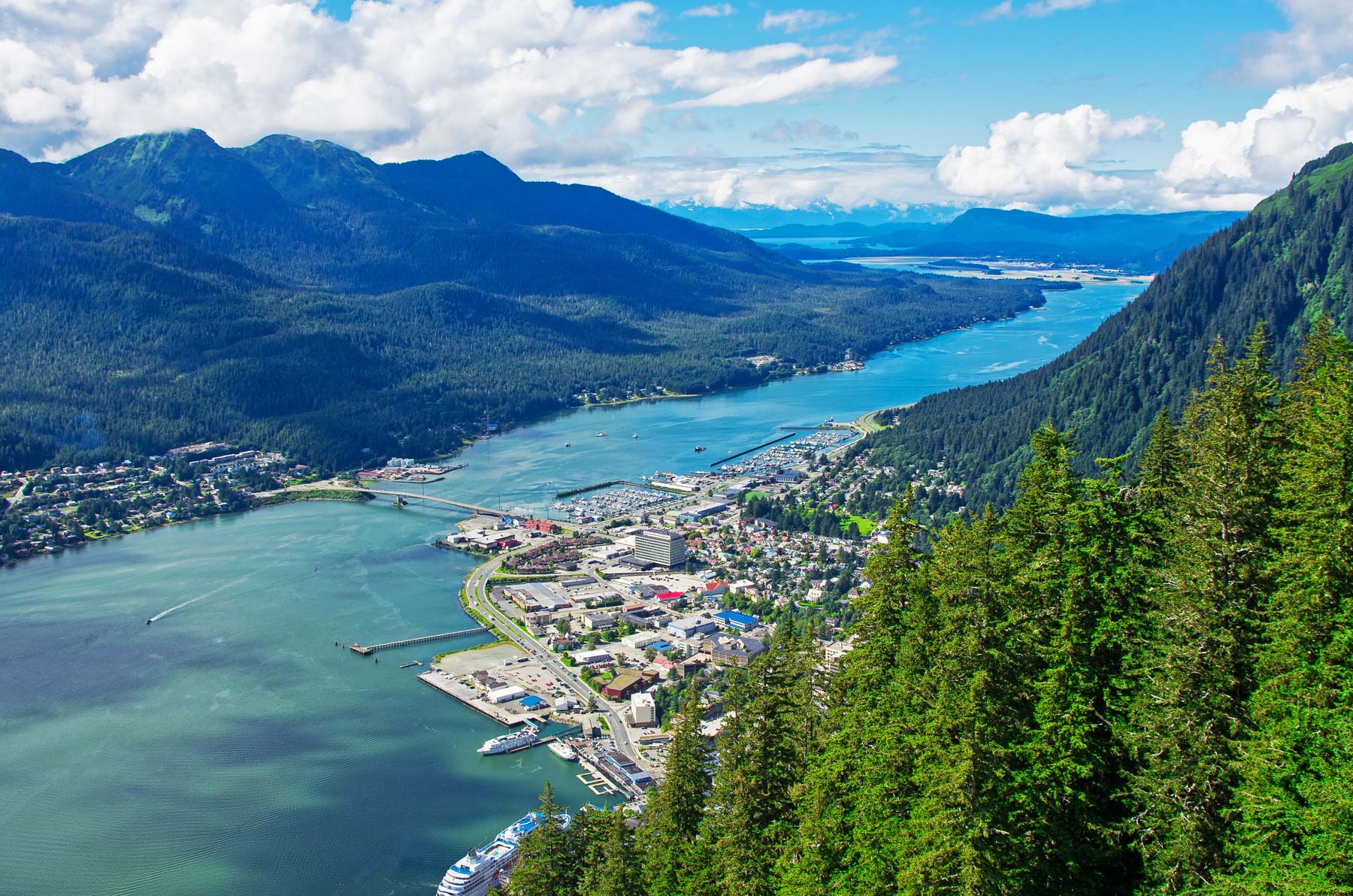
One of the foremost reasons people consider moving to Alaska is its breathtaking natural splendor. The state is a mosaic of diverse ecosystems, from temperate rainforests in the southeast to the arctic tundra of the north. Towering mountain ranges, like the Chugach Mountains and the Alaska Range, dominate the skyline, crowned by Mount Denali, North America’s highest peak. Residents have easy access to a plethora of national parks and preserves, including Denali National Park and Preserve, Kenai Fjords National Park, and Glacier Bay National Park and Preserve, each offering unique opportunities for exploration.
For outdoor enthusiasts, Alaska is a paradise. Hiking, fishing, hunting, kayaking, and wildlife viewing are not just recreational activities; they are integral parts of the Alaskan lifestyle. Imagine spending your weekends salmon fishing in the Kenai River, bear viewing in Katmai National Park and Preserve, or exploring glaciers near Seward. Winter brings its own set of adventures, including skiing at resorts like Alyeska Resort in Girdwood, dog sledding, snowmobiling, and witnessing the ethereal dance of the Northern Lights across the dark skies, particularly vibrant in areas like Fairbanks. The opportunities for travel and adventure within the state are endless, providing a constant source of wonder for those who choose to live there.
A Unique Lifestyle and Sense of Community
Life in Alaska fosters a distinct sense of community and self-reliance. The challenges of the environment often bring people closer together, creating strong bonds and a supportive network. Many Alaskan towns, even larger cities like Anchorage and Juneau, maintain a small-town feel, where neighbors know and help each other. There’s a palpable spirit of adventure and a shared appreciation for the wild among Alaskans.
This unique lifestyle extends to cultural experiences as well. The rich traditions of Alaska Native cultures are preserved and celebrated, offering residents a chance to engage with a history far older than the state itself. Places like the Alaska Native Heritage Center in Anchorage provide immersive insights into these diverse cultures. Local food scenes thrive on fresh, wild-caught seafood and locally sourced produce, adding another layer to the distinctive Alaskan identity. For those seeking a simpler life, closer to nature, and within a tight-knit community, Alaska presents a compelling argument.
Economic Opportunities and Resource Richness
Despite its remote location, Alaska offers various economic opportunities, primarily driven by its vast natural resources. The oil and gas industry has historically been a significant employer, particularly in regions like the North Slope. Fisheries, mining, and timber also play crucial roles in the state’s economy. Beyond these traditional industries, tourism is a burgeoning sector, creating jobs in hotels, lodges, guiding services, and transportation. The influx of visitors seeking unique travel experiences ensures a steady demand for hospitality and tourism-related services.
Furthermore, Alaska has no state income tax or sales tax, which can be an attractive financial benefit. Residents also receive the Permanent Fund Dividend, an annual payout from the state’s oil wealth, providing a unique financial incentive for long-term residency. While the job market can be competitive in certain sectors and locations, specialized skills, particularly in resource management, healthcare, and education, are often in demand.
Navigating the Realities: Challenges and Considerations
While the dream of living in Alaska is potent, it’s crucial to approach the decision with a clear understanding of the practical challenges and adjustments required. Life in the Last Frontier is not without its difficulties, from the extreme climate to the logistics of remoteness.
The Climate: Embracing or Enduring Winter
The most significant adjustment for many newcomers to Alaska is the climate. Winters are long, cold, and dark, with limited daylight hours, especially in northern regions like Fairbanks. Temperatures can plummet far below freezing, and heavy snowfall is common. This extended period of cold and darkness can impact mood and energy levels, leading to seasonal affective disorder for some. Adapting to this climate requires proper gear, a resilient mindset, and a willingness to embrace winter activities.
Conversely, Alaskan summers are spectacular, offering nearly 24 hours of daylight in some areas, known as the “land of the midnight sun.” These long days are cherished for outdoor activities, gardening, and enjoying the vibrant natural world. However, the dramatic seasonal shifts mean residents must be prepared for both extremes, from sweltering summer days to bitter winter nights.
Cost of Living and Logistics of Remoteness
Living in Alaska can be expensive, particularly for groceries, consumer goods, and transportation. Due to the state’s remote location, most goods must be shipped in, increasing their retail price. Housing costs, especially in desirable areas like Anchorage and Juneau, can also be high. Utilities, especially heating oil or electricity, can be substantial during the long winter months.
The logistics of living in a remote state also present challenges. Travel can be time-consuming and expensive, with limited road access to many communities. Air travel is often the only option for reaching certain destinations within the state or connecting to the lower United States. Services like high-speed internet, while improving, might not be as ubiquitous or affordable as in more densely populated areas. Companies like GCI, AT&T, and Verizon provide connectivity, but infrastructure can vary greatly depending on location.

Access to Amenities and Healthcare
While major cities like Anchorage offer a range of amenities comparable to mid-sized cities in the lower 48, smaller towns and rural areas have more limited options. Access to specialized healthcare, diverse educational institutions, and cultural events might require travel to larger population centers. For those accustomed to the convenience of urban living, this shift can be a significant adjustment. Healthcare facilities are robust in the major cities, but accessing them from remote communities can be a challenge, often requiring small plane flights or extended travel. Prospective residents should research healthcare access in their desired area thoroughly.
Lifestyle & Leisure: What Life in Alaska Truly Offers
Beyond the practicalities, understanding the day-to-day lifestyle and leisure opportunities is key to assessing if Alaska is a good fit. It’s a place where the ordinary is often extraordinary, and adventure is never far away.
Daily Life and Local Culture
Daily life in Alaska often revolves around the seasons and outdoor pursuits. Even in cities, it’s common for residents to spend free time hiking nearby trails, fishing, or simply enjoying the vast open spaces. Community events often have an outdoor focus, from winter carnivals celebrating the snow and ice to summer festivals that make the most of the long daylight hours. The Iditarod Trail Sled Dog Race, a world-famous event, is a prime example of Alaska’s unique cultural fabric, drawing spectators and participants from around the globe.
The local food scene is characterized by its reliance on fresh, local ingredients. Wild-caught Alaskan salmon, halibut, and king crab are staples, often prepared with pride in local restaurants and homes. Farmers’ markets in summer offer a bounty of fresh produce grown under the endless sun, like giant cabbages in the Matanuska-Susitna Valley.
Accommodation and Housing Choices
Housing in Alaska varies significantly from urban centers to remote villages. In cities like Anchorage, you’ll find a mix of single-family homes, apartments, and condominiums. Juneau, being a geographically constrained capital, often has higher housing costs and unique building styles adapted to its mountainous terrain. Rural areas might offer more expansive properties, log cabins, or unique custom builds designed to withstand the harsh climate.
For those contemplating a move, temporary accommodation options like hotels, suites, and apartment rentals are readily available in major towns. These range from budget-friendly options to luxury resorts, catering to the significant tourism industry. When visiting to explore potential living areas, consider staying at places like the Chena Hot Springs Resort near Fairbanks for a unique experience, or more conventional hotels in Anchorage that provide a comfortable base for your search. Understanding the market for long-term stays or permanent housing will be a crucial part of your relocation planning.
Exploring Alaska: Travel, Tourism, and Landmarks
Living in Alaska means having some of the world’s most incredible travel destinations right at your doorstep. Beyond the previously mentioned national parks, residents can explore charming towns like Ketchikan and Sitka in Southeast Alaska, known for their totem poles and rich Native history. The scenic Inside Passage offers stunning marine travel opportunities. Homer is famous for its “Spit” and world-class fishing, while Talkeetna serves as a base for Mount Denali expeditions.
For day trips or weekend getaways, landmarks like the Alaska Wildlife Conservation Center near Portage Glacier offer chances to see Alaskan wildlife up close. Historical sites like Eklutna Historical Park provide glimpses into the past. Adventure travel can take many forms, from backcountry skiing in Hatcher Pass to remote wilderness fly-in lodges for unparalleled solitude. The Alaska Railroad offers iconic journeys through some of the most spectacular scenery, connecting major cities and providing a unique way to explore the interior.
Whether it’s luxury travel to remote fishing lodges, budget-friendly camping trips, or family adventures exploring historical sites, Alaska caters to all types of explorers. For residents, this means an endless array of experiences to enrich their lives and deepen their appreciation for their adopted home.
Making the Move: Practical Tips for Prospective Alaskans
If Alaska feels like the right place for you, thorough preparation is paramount.
First, visit during both summer and winter if possible. Experiencing the extremes of the Alaskan climate firsthand is invaluable for understanding the reality of daily life. Research specific communities carefully, as each offers a distinct flavor and set of pros and cons. Anchorage provides the most urban amenities, Juneau offers coastal charm and government jobs, while Fairbanks is the heart of interior Alaska with colder winters but amazing Northern Lights viewing. For ultimate wilderness immersion, consider places closer to national parks like Gates of the Arctic National Park and Preserve or Wrangell-St.-Elias National Park and Preserve, but be prepared for extreme isolation.
Networking is key. Connect with locals, join online forums, and seek advice from Alaskans who have made the move. They can offer insights into job markets, housing, and adapting to the unique cultural nuances. Prepare for higher shipping costs for belongings and consider what essentials you truly need to bring. Embrace the philosophy of self-sufficiency and resourcefulness, as these traits are highly valued and often necessary in the Last Frontier.

Conclusion: Is Alaska A Good Place To Live?
Ultimately, whether Alaska is a good place to live depends entirely on individual priorities, expectations, and adaptability. It is a land of unparalleled beauty, offering a lifestyle deeply connected to nature, a strong sense of community, and unique economic opportunities. For those who yearn for adventure, embrace the outdoors, and are prepared for the challenges of a remote and wild environment, Alaska can be an incredibly rewarding place to call home.
However, the high cost of living, extreme climate, and potential remoteness require careful consideration. It demands resilience, an open mind, and a willingness to adapt to circumstances that can be drastically different from what many are accustomed to. If you are seeking a vibrant urban experience with endless conveniences, Alaska might not be the ideal choice. But if you dream of a life where wilderness is your backyard, community ties are strong, and every day holds the promise of discovery, then the Last Frontier might just be your perfect place to live. It’s an experience unlike any other, promising a life rich in adventure, challenge, and profound natural beauty.
LifeOutOfTheBox is a participant in the Amazon Services LLC Associates Program, an affiliate advertising program designed to provide a means for sites to earn advertising fees by advertising and linking to Amazon.com. Amazon, the Amazon logo, AmazonSupply, and the AmazonSupply logo are trademarks of Amazon.com, Inc. or its affiliates. As an Amazon Associate we earn affiliate commissions from qualifying purchases.