
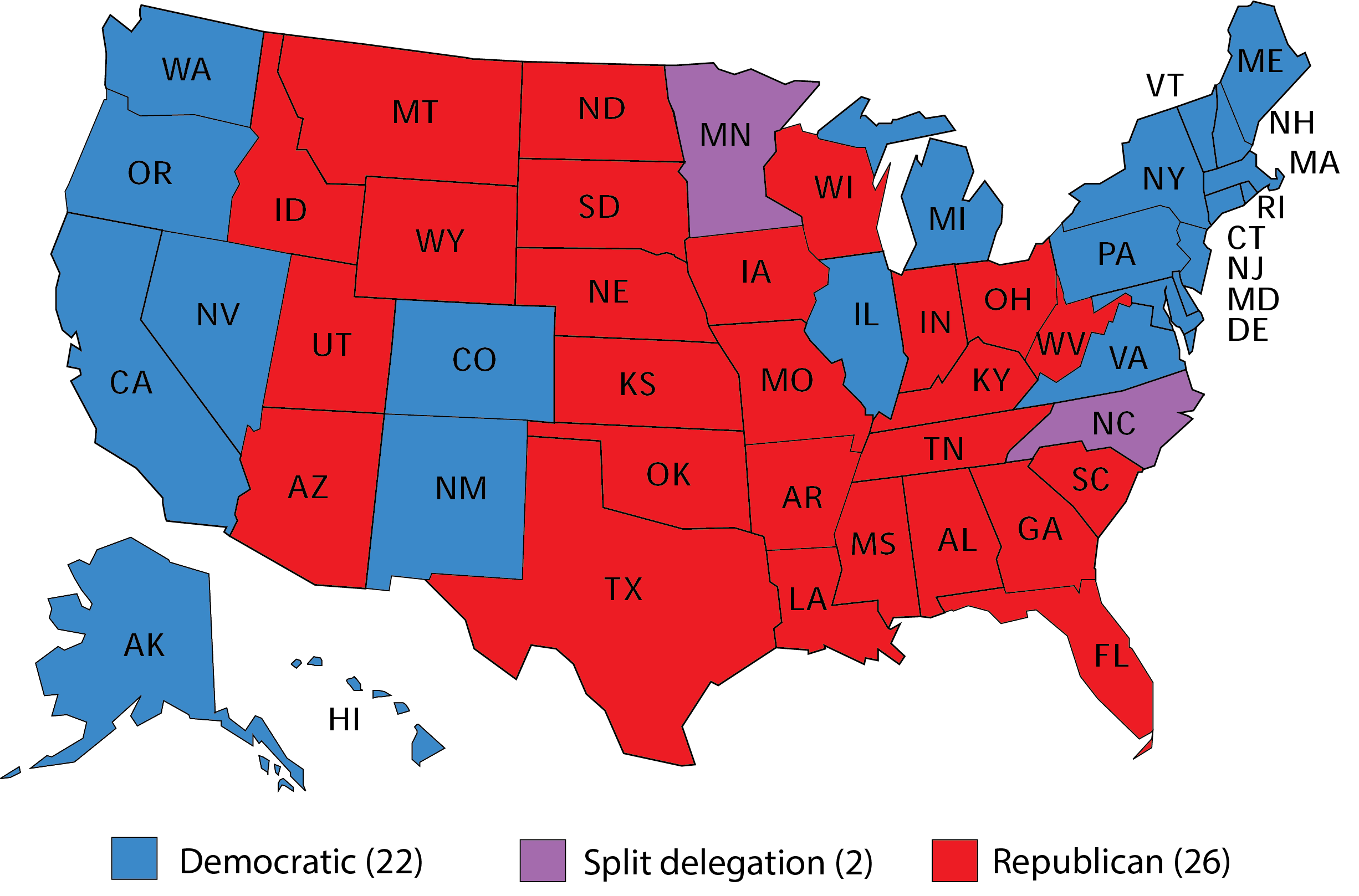
When planning a trip to a destination as vast and unique as Alaska, travelers often consider various factors: the best time to visit, top attractions, available accommodations, and the general cultural atmosphere. In today’s interconnected world, the political identity of a state can sometimes influence perceptions and even travel decisions. So, when we ask, “Is Alaska a red or blue state in 2024?”, it’s a question that goes beyond simple election results, delving into the very fabric of its identity and how that might shape a visitor’s experience.
While the political landscape of the United States often divides states into “red” (Republican Party leaning) or “blue” (Democratic Party leaning), Alaska, the Last Frontier, presents a nuanced and often paradoxical picture. Historically, Alaska has leaned conservative, consistently voting Republican in presidential elections for decades. However, its small, highly independent electorate often defies easy categorization, electing politicians from across the spectrum at the state level and showcasing a strong libertarian streak that values self-reliance and individual freedom above strict party lines. For the discerning traveler, understanding this unique identity offers a richer context for exploring the state’s rugged beauty, vibrant communities, and unparalleled adventures.
Deciphering Alaska’s Political Identity for Travelers
To truly appreciate Alaska as a travel destination, it’s helpful to look beyond superficial political labels. The state’s identity is forged by its geography, its indigenous heritage, and the hardy individuals who choose to call it home. While Alaska has a clear lean in national elections, the day-to-day experience and the local culture encountered by tourists are far more complex and often transcend partisan politics.
Historical Roots and Modern Dynamics
Alaska’s political leanings are deeply rooted in its history as a frontier territory. The drive for independence, the importance of resource industries like oil and fishing, and a strong pro-gun culture have historically aligned it with conservative values. The discovery of oil on the North Slope and the subsequent construction of the Trans-Alaska Pipeline System brought immense wealth and a distinct economic identity, further solidifying a stance often associated with resource development and limited government intervention.
However, modern Alaska is also home to a diverse population, including significant Alaska Native communities with distinct cultural and political priorities. Cities like Anchorage and Juneau often display more liberal tendencies, particularly among younger residents and those involved in tourism, education, and public service. These urban centers, bustling with visitors and offering a wide array of hotels and cultural attractions, present a different face of Alaska than the more remote, resource-dependent towns. For travelers exploring these areas, whether staying in boutique hotels or larger resorts, the atmosphere is generally welcoming and focused on the shared experience of appreciating the state’s wonders, rather than political affiliations.
The Local Perspective: More Than Just Politics
For most Alaskans, their identity is more tied to their environment and way of life than to national political parties. The challenges and rewards of living in the Last Frontier—be it enduring harsh winters, embracing the endless summer daylight, or coexisting with incredible wildlife—foster a unique community spirit. Visitors will find that conversations often revolve around outdoor adventures, local fishing reports, weather patterns, or the logistics of navigating vast wilderness, rather than political debates.
This focus on shared experiences is a significant part of Alaska’s tourism appeal. Whether you’re on a wildlife tour in Prince William Sound, hiking near Seward, or exploring the vibrant arts scene in Sitka, you’ll likely encounter locals who are fiercely proud of their home and eager to share its magic. The local culture emphasizes resilience, self-sufficiency, and a deep respect for nature—values that transcend political divides and resonate with travelers seeking authentic experiences. From family-run B&Bs to luxury wilderness lodges, the ethos of hospitality in Alaska is generally warm and unburdened by national political discourse.
Alaska’s Unparalleled Natural Wonders: A Unifying Force
Regardless of political leanings, Alaska’s most compelling attribute is its breathtaking natural environment. This raw, untamed beauty acts as a powerful unifier, drawing visitors from all walks of life and inspiring awe that makes political differences seem insignificant. The allure of untouched wilderness, massive glaciers, abundant wildlife, and dramatic landscapes appeals to a universal human desire for exploration and connection with nature.
Iconic Destinations and Their Broad Appeal
Alaska is home to an incredible array of landmarks and natural attractions that feature prominently on any traveler’s itinerary. Denali National Park and Preserve, with Mount Denali (North America’s highest peak) as its centerpiece, attracts mountaineers, wildlife photographers, and casual sightseers alike. The park’s diverse ecosystems, from taiga forests to alpine tundra, offer unparalleled opportunities for wildlife viewing, hiking, and experiencing true wilderness. Accommodation options around Denali range from rustic cabins and campgrounds within the park to more comfortable hotels and lodges just outside its boundaries, catering to various preferences for budget and luxury travel.
Further south, the Inside Passage cruise route winds through a maze of islands and fjords, showcasing dramatic scenery, marine wildlife, and charming coastal towns like Ketchikan, Juneau, and Skagway. These communities, rich in history and local culture, offer unique experiences from exploring Mendenhall Glacier to delving into Gold Rush lore. The cruise industry itself is a massive contributor to Alaska’s tourism, demonstrating how shared experiences transcend background. Similarly, Glacier Bay National Park and Preserve draws visitors with its tidewater glaciers and marine mammal encounters, providing a quintessential Alaskan experience.
Beyond these well-known spots, regions like the Kenai Peninsula offer diverse attractions, from sport fishing in Homer (the “Halibut Fishing Capital of the World”) to glacier viewing from Seward. The Alaska Wildlife Conservation Center near Girdwood provides a vital opportunity to see native animals up close, while the Iditarod Trail Sled Dog Race captures the spirit of resilience and adventure that defines Alaska. These destinations, regardless of their immediate political leanings, are destinations of universal appeal, cherished by all who visit.
The Spirit of Adventure: A Universal Language
The very essence of Alaskan lifestyle and tourism revolves around adventure. Whether it’s backpacking through the Chugach Mountains, kayaking among icebergs, bear viewing at Katmai National Park and Preserve, or hunting for the Northern Lights in Fairbanks, the state offers experiences that push boundaries and create lasting memories. This spirit of adventure knows no political boundaries. People from all political persuasions seek out the thrill of the Alaskan wilderness, the challenge of its landscapes, and the profound sense of solitude and connection it provides.
This shared pursuit of adventure fosters a sense of camaraderie among travelers and locals alike. You’ll find diverse groups of people sharing stories over a meal in a small-town diner or swapping tips on a hiking trail. The remote nature of much of Alaska often means people rely on each other, creating a hospitable and collaborative atmosphere that makes political differences fade into the background.
Accommodating Every Traveler: From Wilderness Lodges to Urban Comforts
The vastness and diversity of Alaska are reflected in its accommodation options and the types of lifestyles travelers can experience. From luxurious resorts offering high-end amenities to rustic cabins in the heart of the wilderness, there’s something for every preference and budget.
Diverse Accommodation Options Across the Last Frontier
In major cities like Anchorage and Fairbanks, travelers will find a range of familiar hotel chains, alongside unique local establishments. The Hotel Captain Cook in Anchorage offers luxury accommodation with stunning views, while properties like The Lakefront Anchorage provide lakeside charm and convenient access to Floatplane Base. For those seeking something more intimate, numerous bed and breakfasts dot the landscape, offering personalized service and local insights.
Beyond the cities, the options expand dramatically. Wilderness lodges, often accessible only by bush plane or boat, provide immersive experiences in remote areas, complete with gourmet meals and guided excursions. These typically cater to those looking for a luxury travel experience focused on nature. On the other end of the spectrum, state and national park campgrounds offer budget-friendly options for intrepid adventurers, allowing for direct engagement with the environment. Vacation rentals and apartments are also increasingly popular, providing flexibility for families or longer stays. Resorts like Alyeska Resort in Girdwood blend outdoor adventure with comfort, offering ski slopes in winter and hiking in summer, alongside spa facilities and fine dining.

Experiencing Alaskan Lifestyle: From Luxury to Rustic Charm
Travel in Alaska is as much about experiencing a lifestyle as it is about visiting destinations. For some, this means a luxurious cruise through the Inside Passage, enjoying gourmet dining, spa treatments, and organized excursions. For others, it’s a rugged backpacking trip through Wrangell-St. Elias National Park and Preserve, self-sufficient and off-grid. Family trips often involve wildlife viewing tours, visits to the Alaska SeaLife Center in Seward, and rides on the Alaska Railroad to Denali.
The state’s lifestyle emphasizes a connection to the land and a spirit of self-reliance, no matter one’s political persuasion. Tourists are encouraged to embrace this, whether by trying local Alaskan cuisine (like fresh salmon or reindeer sausage), participating in dog sledding tours, or learning about Alaska Native culture at the Alaska Native Heritage Center in Anchorage. These experiences are universal and foster a deeper appreciation for the unique characteristics of the 49th state, making political labels seem trivial in the face of such profound natural and cultural wealth.
Making Your Alaskan Travel Decisions Beyond Political Labels
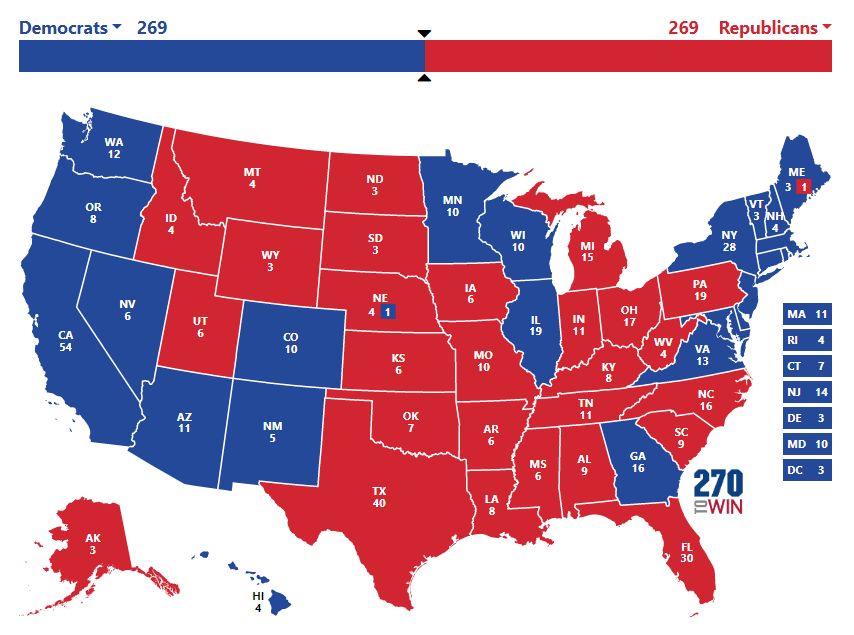
Ultimately, when considering “Is Alaska a red or blue state in 2024?”, the most salient answer for travelers is that it’s profoundly Alaskan. While the state consistently leans Republican in national elections, its unique brand of independence, strong environmental ethos, and diverse population means that its local culture and identity are far richer and more complex than a simple partisan label.
For those planning a trip, focusing on the state’s incredible travel opportunities, world-class attractions, diverse accommodations, and the authentic Alaskan lifestyle will yield the most rewarding experience. Whether you’re drawn to the vibrant city life of Anchorage and its museums, the remote tranquility of the Arctic National Wildlife Refuge, the historical charm of Sitka National Historical Park, or the raw power of Mount Denali, Alaska offers something for everyone.
Political discussions, while part of any democratic society, rarely overshadow the breathtaking landscapes, the friendly locals, or the shared sense of wonder that unites visitors to this extraordinary place. So pack your bags, prepare for adventure, and discover that Alaska’s true colors are not red or blue, but the vibrant hues of its glaciers, the deep greens of its forests, the striking blues of its skies, and the golden glow of its midnight sun. It is a destination that transcends political affiliations, inviting all to explore its grandeur and embrace its unique spirit.
LifeOutOfTheBox is a participant in the Amazon Services LLC Associates Program, an affiliate advertising program designed to provide a means for sites to earn advertising fees by advertising and linking to Amazon.com. Amazon, the Amazon logo, AmazonSupply, and the AmazonSupply logo are trademarks of Amazon.com, Inc. or its affiliates. As an Amazon Associate we earn affiliate commissions from qualifying purchases.