
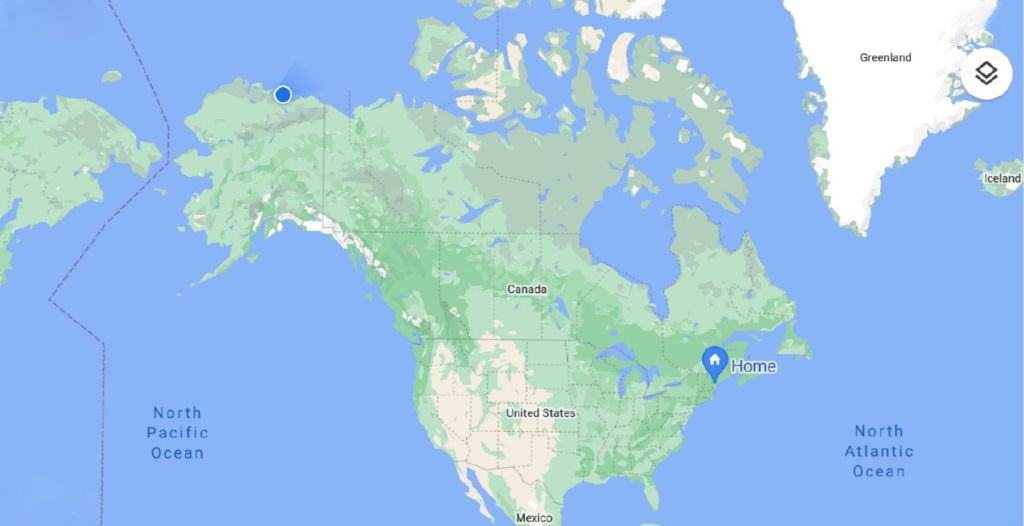
Yes, unequivocally, Alaska is physically attached to Canada. This often-asked question arises from Alaska’s unique position as a non-contiguous U.S. state, separated from the rest of the United States mainland by Canada. Geographically, it’s part of the North American continent, sharing a land border with Canada’s Yukon Territory and British Columbia province. This reality creates incredible opportunities for travelers exploring a region defined by breathtaking wilderness, rich history, and vibrant cultures. Alaska’s connection to its Canadian neighbors forms a crucial corridor for adventure, commerce, and shared natural heritage, making it a prime destination for travel, tourism, and unique accommodation experiences.

The Northern Cordillera: Alaska and Canada’s Shared Geography
Alaska’s physical attachment to Canada is central to the region’s allure. The border spans over 1,538 miles (2,475 kilometers), traversing spectacular landscapes from the Saint Elias Mountains to boreal forests and coastal fjords. For travelers, this shared boundary is a gateway to interconnected ecosystems and cultural narratives.
The Alaska Highway, a monumental World War II feat, is a primary overland route linking the contiguous United States (via Canada) to Alaska. Driving it is an iconic travel experience, offering access to wilderness, charming towns, and abundant wildlife viewing. The journey itself is an adventure, revealing diverse landscapes and glimpses into frontier life.
Tracing History Through the Borderlands
The history of Alaska and its border with Canada intertwines with exploration, resource extraction, and indigenous heritage. Indigenous peoples like the Tlingit, Haida, and Athabascan long thrived here. The late 19th-century Klondike Gold Rush drew global prospectors, shaping towns like Skagway (Alaska) and Dawson City (Yukon). Understanding this history enriches any journey, transforming scenic drives into routes through historical corridors where visitors explore preserved sites and museums, appreciating the region’s landmarks and cultural tapestry.
Seamless Journeys: Navigating Cross-Border Travel and Logistics
Traveling between Alaska and Canada is straightforward for tourists with correct documentation. Numerous land border crossings exist, primarily along the Alaska Highway. Popular crossings include Beaver Creek (Yukon) and Tok (Alaska), or Stewart (British Columbia) with Hyder (Alaska). Sea routes via the Inside Passage offer stunning ferry or cruise journeys, linking Alaskan coastal communities like Juneau and Ketchikan with Canadian ports like Prince Rupert and Vancouver. Air travel also connects major hubs like Anchorage and Fairbanks to Vancouver and Calgary.
Crucial Tips for Border Crossings and Planning Your Stay
Planning is paramount for a seamless cross-border experience. U.S. and Canadian citizens need a valid passport; non-citizens must check visa requirements. Driving requires vehicle insurance valid for the United States and Canada. Customs regulations on firearms, alcohol, tobacco, and food items are strict. An RV trip offers flexible accommodation.
Booking accommodations, especially during peak summer, is highly recommended. Whether a wilderness lodge in the Yukon, a family-friendly hotel in Anchorage, or a luxury resort, options abound. Websites offering accommodation booking, reviews, and comparison are invaluable. From budget apartments for long-term stays to opulent suites with premium amenities, the range caters to every traveler’s preference and need, enhancing any lifestyle or budget.
The Grand Wilderness: Attractions and Experiences
Alaska and Canada’s contiguous northern territories create one of the world’s last great wilderness areas, offering unparalleled tourism. This vast region is a haven for nature lovers and adventure seekers, brimming with majestic landscapes and diverse wildlife. From Denali National Park in Alaska – home to North America’s highest peak, Mount Denali – to Kluane National Park and Reserve in the Yukon, exploration is endless. These areas are renowned for hiking, mountaineering, fishing, kayaking, and wildlife viewing, with chances to spot grizzly bears, moose, caribou, and bald eagles.
Discovering Iconic Destinations and Local Culture
Beyond the national parks, both Alaska and Canada’s border regions boast many attractions. In Alaska, Juneau offers glacier tours to the stunning Mendenhall Glacier. Seward provides access to Kenai Fjords National Park, where visitors witness tidewater glaciers calve into the ocean. On the Canadian side, Whitehorse, Yukon’s capital, serves as a base for exploring rich Klondike history and outdoor adventures. The Yukon Wildlife Preserve near Whitehorse offers excellent fauna viewing.
Local indigenous communities provide insights into traditional life, art, and storytelling. Foodies will savor fresh Alaskan seafood like king crab and salmon, plus hearty frontier cuisine. Winter travel offers dog sledding, cross-country skiing, and spectacular Northern Lights viewing, making it a year-round destination for diverse lifestyles.
Crafting Your Adventure: Accommodation and Lifestyle Choices
Embarking on an adventure to Alaska and its Canadian neighbors requires careful consideration of accommodation and how it aligns with your desired lifestyle and travel budget. The region offers diverse lodging, catering to every traveler, from backpackers to those seeking ultimate luxury.
Diverse Accommodation for Every Taste
For wilderness immersion, rustic cabins, campgrounds (especially along the Alaska Highway), and glamping experiences are available. National and provincial parks offer basic facilities. Budget travelers find hostels in larger cities like Anchorage and Whitehorse, plus independent motels. Mid-range options include comfortable hotels in towns such as Fairbanks, Juneau, and Skagway, alongside charming bed and breakfasts.
Luxury travelers are well-catered for with high-end wilderness lodges in breathtaking locations, offering gourmet dining, guided excursions, and spa services. Examples include exclusive fishing lodges (floatplane access) or boutique resorts overlooking glaciers. Cruise ships sailing the Inside Passage provide a luxury accommodation experience, exploring multiple coastal destinations without repacking. Many resorts and suites cater to families with pools, kids’ clubs, and activities. For longer stays, vacation rentals, apartments, and villas are available, ideal for business stays or extended family trips. Online platforms specializing in accommodation booking, reviews, and comparison are indispensable tools.

Tailoring Your Travel Lifestyle
The lifestyle of a trip to this North American frontier varies based on interests. Adventure seekers can plan multi-day treks, mountaineering, or sea kayaking. Wildlife photography is a major draw. For a relaxed pace, scenic drives, leisurely cruises, and cultural tours of indigenous villages offer rich experiences. Food tourism is burgeoning, with opportunities to savor wild Alaskan salmon, king crab, and craft beers. Tips for travelers emphasize preparedness for weather, respecting wildlife, and understanding remote travel. Whether a budget road trip, luxury cruise, family vacation, or wilderness quest, the combined regions of Alaska and Canada offer a mosaic of experiences, all facilitated by their remarkable geographical connection.
Conclusion:
The answer to “Is Alaska attached to Canada?” is a resounding yes, opening a world of extraordinary travel and tourism opportunities. The shared border defines a vast, interconnected region teeming with natural beauty, rich history, and diverse cultures. From navigating border logistics to immersing oneself in the breathtaking wilderness of Denali or Kluane, and from choosing the perfect wilderness lodge to a vibrant city hotel, every aspect of a journey here promises unforgettable memories. This unique attachment enhances the experience, inviting adventurers to explore a truly majestic segment of the North American continent. Pack your bags, prepare your itinerary, and set off to discover the magnificent frontier where Alaska and Canada majestically meet.