
Yes, Alaska is undeniably connected to Canada by a vast and often wild landmass. This geographical reality is more than just a cartographical fact; it forms the backbone of countless North American travel adventures, shaping everything from intrepid road trips to the logistical planning for exploring the continent’s northern reaches. For anyone dreaming of the Last Frontier or traversing the expansive landscapes of North America, understanding this connection is paramount. It dictates overland routes, influences tourism strategies, and opens up a realm of unique experiences that blend the rugged beauty of Canada’s Yukon and British Columbia with the unparalleled wilderness of Alaska.
The relationship between Alaska and Canada is one of shared borders, intertwined histories, and a symbiotic tourism ecosystem that leverages the continental connection to offer truly epic journeys. Whether you’re a backpacker embarking on a budget travel expedition or a family seeking luxury travel experiences amidst nature, the overland route through Canada to Alaska presents an adventure unlike any other. It’s a journey through some of the planet’s most pristine and untouched environments, dotted with charming towns, incredible natural landmarks, and ample opportunities for unforgettable experiences. This article will delve into the specifics of this connection, explore the primary travel routes, and offer insights into planning an extraordinary trip through this captivating region.

The Geographical Reality: A Land Bridge to the Last Frontier
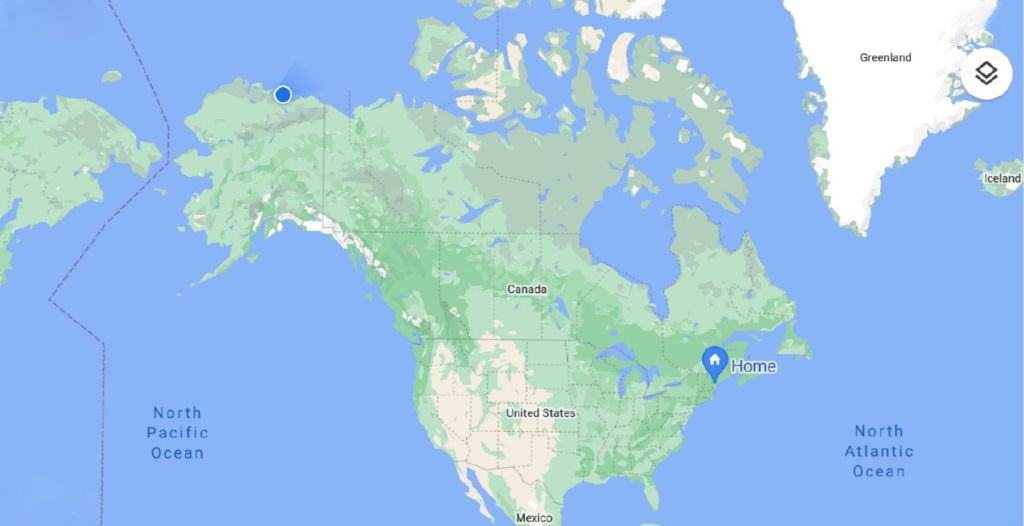
The notion of Alaska being separate from the continental United States often leads to a misconception about its isolation. While it is geographically detached from the Lower 48, it shares an extensive land border with Canada, primarily with the territory of Yukon to its east and a smaller segment of British Columbia to the southeast. This continuous landmass forms a crucial bridge, allowing for overland access and defining a significant portion of the North American travel experience.
Understanding the Connection
The shared border between Alaska and Canada stretches for approximately 1,538 miles (2,475 kilometers), making it the longest international border for any U.S. state. This isn’t just a line on a map; it’s a dynamic boundary traversing mountains, forests, rivers, and tundras, connecting two nations through a shared appreciation for rugged landscapes and frontier spirit. The land bridge fundamentally means that one can drive from the contiguous United States all the way to Alaska, provided they are prepared for the journey through Canadian territory. This physical connection is vital for freight, local communities, and, most notably, for tourism, offering an immersive way to experience the vastness of the northern continent. The journey itself becomes an attraction, with travelers passing through diverse ecosystems and encountering a rich tapestry of local culture, from indigenous communities to gold rush towns.
The Alaskan Panhandle and its Neighbors
A unique aspect of Alaska’s geography is its Alaskan Panhandle, a narrow strip of land that stretches south along the Pacific coast, wedged between the Pacific Ocean and the mountainous terrain of northern British Columbia. This region, home to cities like Juneau, Sitka, and Ketchikan, is often best accessed by sea or air due to the challenging terrain that makes road connections to the rest of Alaska limited or non-existent for many communities. However, even here, the connection to Canada is palpable. Many cruise ships sailing to the Alaskan Panhandle originate from Vancouver, British Columbia, highlighting the seamless maritime link. Furthermore, small towns along the panhandle’s eastern edge share a border with British Columbia, fostering cross-border trade and cultural exchange, even if direct road connections are not always practical for general travel. The panhandle’s geography, with its deep fjords and islands, makes for breathtaking natural beauty, attracting visitors eager to explore its unique blend of rainforests, glaciers, and coastal wildlife.

Navigating the Border: Travel Routes and Crossings
For many adventurers, the true appeal of Alaska’s connection to Canada lies in the journey itself. The overland routes are legendary, offering an immersive experience that air travel simply cannot replicate. These routes are integral to North American tourism, providing access to remote attractions and fostering a sense of exploration that harkens back to earlier eras of discovery.
The Alaska Highway: An Iconic Journey
The most famous and frequently used overland route is the Alaska Highway, also known as the Alcan Highway. Constructed during World War II for military purposes, this monumental engineering feat stretches approximately 1,387 miles (2,232 kilometers) from Dawson Creek, British Columbia, to Delta Junction, Alaska. It is a journey through pristine wilderness, offering unparalleled opportunities for wildlife viewing, photography, and experiencing genuine solitude. Along the route, travelers will encounter charming Canadian towns like Fort St. John and Fort Nelson in British Columbia, and Whitehorse, the capital of Yukon, before crossing into Alaska and reaching destinations like Fairbanks and Anchorage. The Alaska Highway is well-maintained today, largely paved, but still demands respect for its vast stretches and often remote services. Planning for accommodations, including hotels, resorts, or campgrounds along the way, is essential, particularly during peak travel seasons. Many travelers also opt for long-term stay options in key towns to break up the journey and explore local attractions. This iconic drive embodies the spirit of North American road trips, making it a bucket-list item for many.
Other Border Crossings and Considerations
While the Alaska Highway is the primary artery, several other official border crossings facilitate movement between Alaska and Canada. These include crossings at Beaver Creek (Yukon) / Port Alcan (Alaska), and the more southerly Skagway (Alaska) / Fraser (British Columbia) crossing, often used by travelers coming off Alaska cruises or exploring the Klondike Gold Rush National Historical Park.
Regardless of the chosen crossing point, travelers must be prepared for international border formalities. A valid passport is mandatory for all citizens crossing the border. Additionally, be aware of customs regulations regarding firearms, alcohol, tobacco, and agricultural products. It’s advisable to check current travel advisories and entry requirements for both Canada and the United States before embarking on your journey, especially considering potential changes in regulations. Planning for remote areas means ensuring your vehicle is in good condition, carrying extra fuel, and having emergency supplies. Lodging options, from cozy hotels to wilderness cabins, are available but can be sparse in very remote sections, necessitating advance booking, particularly for popular resorts or specific amenity needs.
Air and Sea Travel Alternatives
For those who prefer not to undertake the extensive drive through Canada or who wish to reach specific coastal communities, air and sea travel offer convenient alternatives. Major airports in Alaska, such as Ted Stevens Anchorage International Airport (ANC) and Juneau International Airport (JNU), provide direct flights from cities across the United States and Canada. For coastal access, the Alaska Marine Highway System (AMHS) offers ferry services that connect coastal Alaskan communities, extending south to Bellingham, Washington. While it doesn’t pass through Canada directly, many Alaskan cruises depart from Vancouver or Seattle, traversing Canadian waters as part of their itinerary, showcasing the integrated nature of travel in the region. These options are particularly useful for business stays, quick trips, or for visitors who want to minimize travel time and maximize their time exploring specific destinations or landmarks.
Unlocking North American Adventures: Tourism and Lifestyle Implications
The land connection between Alaska and Canada is a goldmine for tourism, allowing for unique itineraries that blend the cultural richness of one nation with the untamed beauty of the other. It’s a testament to a lifestyle of adventure, making this region a prime destination for various types of travelers.
Seamless Travel Experiences
The geographical link enables travelers to craft multi-country itineraries that would otherwise be far more complex or costly. Imagine starting your journey exploring the vibrant city life and local culture of Vancouver, then driving north through the majestic Canadian Rockies, perhaps stopping at a luxury resort in Banff or Jasper, before continuing through Yukon’s wilderness to reach the unparalleled national parks of Alaska. This seamless transition between the two countries allows for a comprehensive North American experience. It caters to various travel preferences, from those seeking a rustic, authentic experience in remote cabins to those desiring the comfort and amenities of full-service hotels or even exclusive villas in accessible towns. Tourism in this region thrives on these combined offerings, attracting visitors interested in everything from wildlife viewing and hiking to historical exploration and culinary adventures.
Attractions and Landmarks Along the Way
The journey itself is packed with incredible attractions and landmarks. In British Columbia, travelers can relax at the Liard River Hot Springs Provincial Park, an oasis of warm water amidst the wilderness. Moving into Yukon, the immense Kluane National Park and Reserve, a UNESCO World Heritage Site, offers stunning glaciers, towering mountains, and incredible wildlife, with numerous lodges and hotels providing accommodation. History buffs will appreciate the S.S. Keno National Historic Site in Dawson City, a relic of the gold rush era. Once in Alaska, the crown jewel is arguably Denali National Park and Preserve, home to North America’s highest peak, Denali (formerly Mount McKinley), offering bus tours, hiking, and wildlife viewing opportunities. Anchorage provides a more urban experience with its museums, restaurants, and hotels, while Seward on the Kenai Peninsula is a gateway to marine adventures. These destinations are supported by a diverse range of accommodations, from budget-friendly motels to luxury resorts, ensuring that every traveler can find a suitable place to rest and recharge. Reviews and comparison websites are invaluable tools for booking the perfect stay.
Planning Your North American Itinerary
Embarking on a journey through Canada to Alaska requires careful planning to maximize enjoyment and minimize stress.
- Budgeting: Decide whether you’re aiming for budget travel, where campgrounds and basic hotels suffice, or if you prefer luxury travel with high-end resorts and specialized experiences.
- Accommodation: Research and book hotels, suites, apartments, or villas in advance, especially in popular tourist towns or during peak season. Consider amenities like pools, spas, or pet-friendly options. For longer stays, look into long-term stay accommodations which can offer better value.
- Activities: Plan your activities based on interests, whether it’s wildlife safaris, fishing, hiking, cultural tours, or exploring famous landmarks. Many guided experiences can be pre-booked online.
- Food: Explore local culture through its cuisine. From fresh Alaskan seafood to hearty Canadian comfort food, the region offers unique gastronomic delights.
- Preparation: Pack for diverse weather conditions, as temperatures can vary wildly even within a single day. Ensure your vehicle is ready for long distances if driving. Tips for safety in remote areas, such as carrying a satellite phone, are crucial.
- Booking: Utilize booking platforms for accommodation and attractions, often offering reviews and comparison tools to help make informed decisions.
This journey is more than just a trip; it’s a lifestyle choice for those who crave exploration and connection with the natural world. It can be a family trip of a lifetime, a romantic getaway, or a solo adventure, each offering a distinct perspective on the magnificent landscapes of North America.
In conclusion, the answer to “Is Alaska connected to Canada?” is a resounding yes, and this connection forms the bedrock of an extraordinary travel corridor. It facilitates incredible overland journeys, opens doors to unique tourism experiences, and allows for a deeper appreciation of the vast, wild beauty shared by these two northern neighbors. For any traveler, the route to Alaska through Canada is not merely a path but an integral part of the adventure, promising memories that will last a lifetime.
LifeOutOfTheBox is a participant in the Amazon Services LLC Associates Program, an affiliate advertising program designed to provide a means for sites to earn advertising fees by advertising and linking to Amazon.com. Amazon, the Amazon logo, AmazonSupply, and the AmazonSupply logo are trademarks of Amazon.com, Inc. or its affiliates. As an Amazon Associate we earn affiliate commissions from qualifying purchases.