
A common misconception about Alaska, the United States’ largest and northernmost state, is that it exists in a perpetual state of darkness. While its proximity to the Arctic Circle certainly influences its daylight hours, the reality of Alaska’s light cycles is far more dynamic and, for travelers, immensely more fascinating. Far from being constantly dark, Alaska experiences extreme variations in daylight throughout the year, offering dramatically different travel experiences depending on the season. Understanding these unique light conditions is crucial for planning an Alaskan adventure, whether you’re chasing the Midnight Sun or the ethereal glow of the Northern Lights.
Dispelling the Myth: Alaska’s Dynamic Light Cycle
The Earth’s axial tilt is the primary driver behind Alaska’s distinctive daylight patterns. Because the Earth is tilted on its axis, different parts of the planet receive varying amounts of sunlight throughout its orbit around the sun. Regions closer to the poles, like Alaska, experience the most significant fluctuations. During the summer months, the northern hemisphere tilts towards the sun, bathing Alaska in extended periods of daylight, even 24 hours of light in its northernmost reaches. Conversely, in winter, the northern hemisphere tilts away, leading to significantly shorter days and prolonged periods of twilight or darkness.
This isn’t a uniform experience across the entire state. Alaska is vast, spanning multiple degrees of latitude. For instance, Fairbanks, located near the Arctic Circle, experiences more pronounced extremes than a city further south like Juneau, the state capital. While Fairbanks can enjoy nearly 24 hours of daylight around the summer solstice, Juneau might see 18 hours. Similarly, in winter, Fairbanks endures only a few hours of indirect sunlight, while Juneau still gets a respectable 6-7 hours. This geographic diversity means that “dark all the time” is not only inaccurate but also fails to capture the incredible spectrum of light phenomena that define the Alaskan landscape. Travelers must consider their destination within Alaska when anticipating daylight conditions.
Summer’s Endless Glow: The Midnight Sun Experience
For many travelers, the allure of Alaska in summer is intrinsically tied to the phenomenon of the Midnight Sun. From late May through July, much of Alaska experiences incredibly long days, with the sun hovering above the horizon for 18-20 hours, and true darkness never fully descending in many northern areas. North of the Arctic Circle, the sun literally doesn’t set for several weeks. This continuous daylight creates a surreal and exhilarating atmosphere, transforming the natural world into an arena of ceaseless activity.
Activities Under Constant Light
The extended daylight hours dramatically expand the possibilities for outdoor adventures. Hiking in Denali National Park can extend late into the evening, offering chances to spot grizzly bears, moose, and caribou under the soft, golden light. Fishing charters in places like Seward or the Kenai Peninsula can run longer, increasing the chances of landing a record-setting salmon or halibut. Sea kayaking among the icebergs of Glacier Bay National Park takes on a magical quality with perpetual twilight. Even urban centers like Anchorage hum with activity long after conventional bedtime, with golf courses open until midnight and residents enjoying outdoor dining. The Midnight Sun allows travelers to maximize their sightseeing and recreational time, fitting more experiences into each day than anywhere else on Earth. It’s essential to remember to pack an eye mask if you’re sensitive to light, as hotel rooms might not block out all the persistent glow.
Winter’s Embracing Twilight: Experiencing the Alaskan Dark
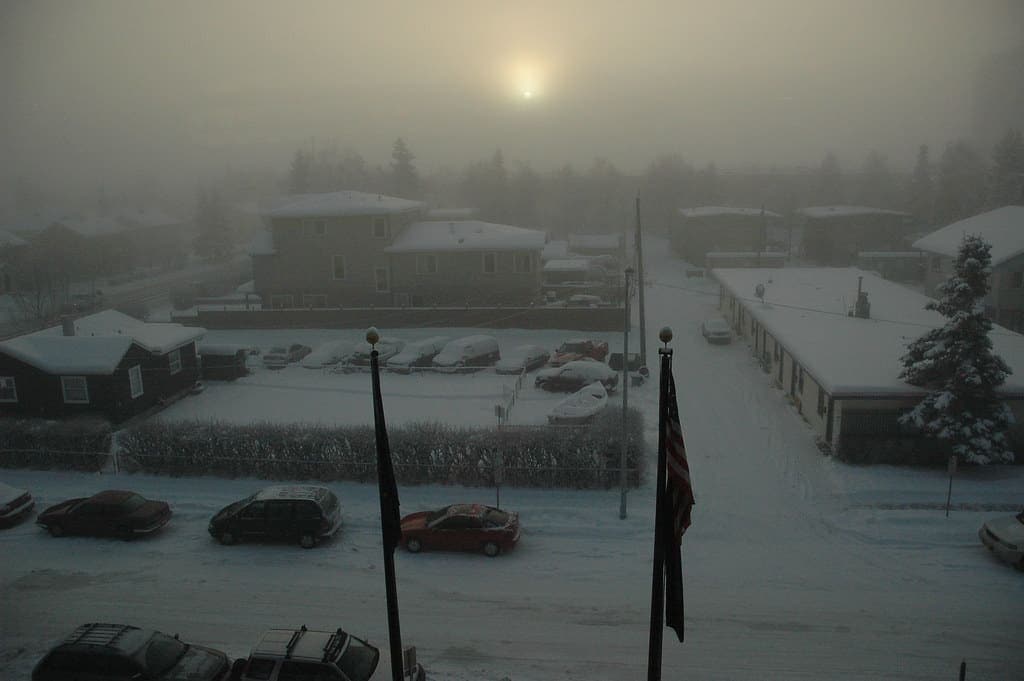
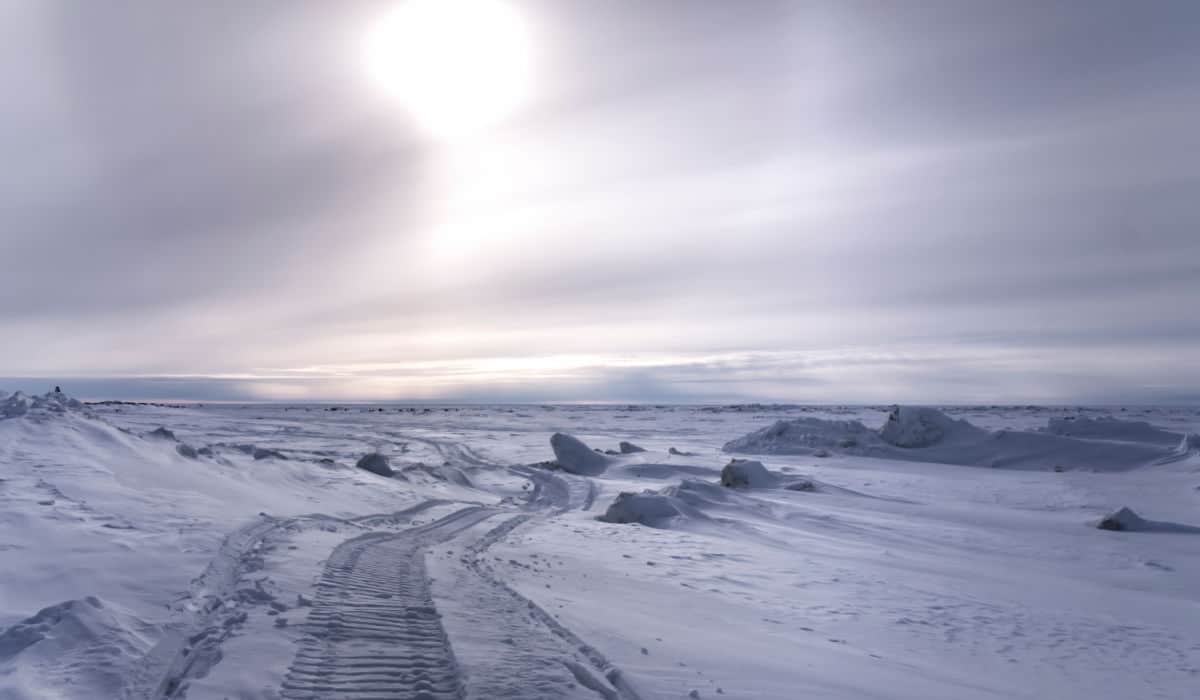
While summer is defined by light, winter in Alaska embraces longer periods of darkness, which in itself is a profound and beautiful experience. It’s not a complete blackness, but rather a prolonged twilight, especially in the southern regions. For cities above the Arctic Circle, some days in December and January might see only a few hours of indirect sunlight, or the sun may not rise at all, casting the landscape in a soft, ethereal gloom known as “polar night.” Yet, this is when Alaska reveals some of its most spectacular wonders, making it a unique destination for intrepid travelers.
The Spectacle of the Northern Lights
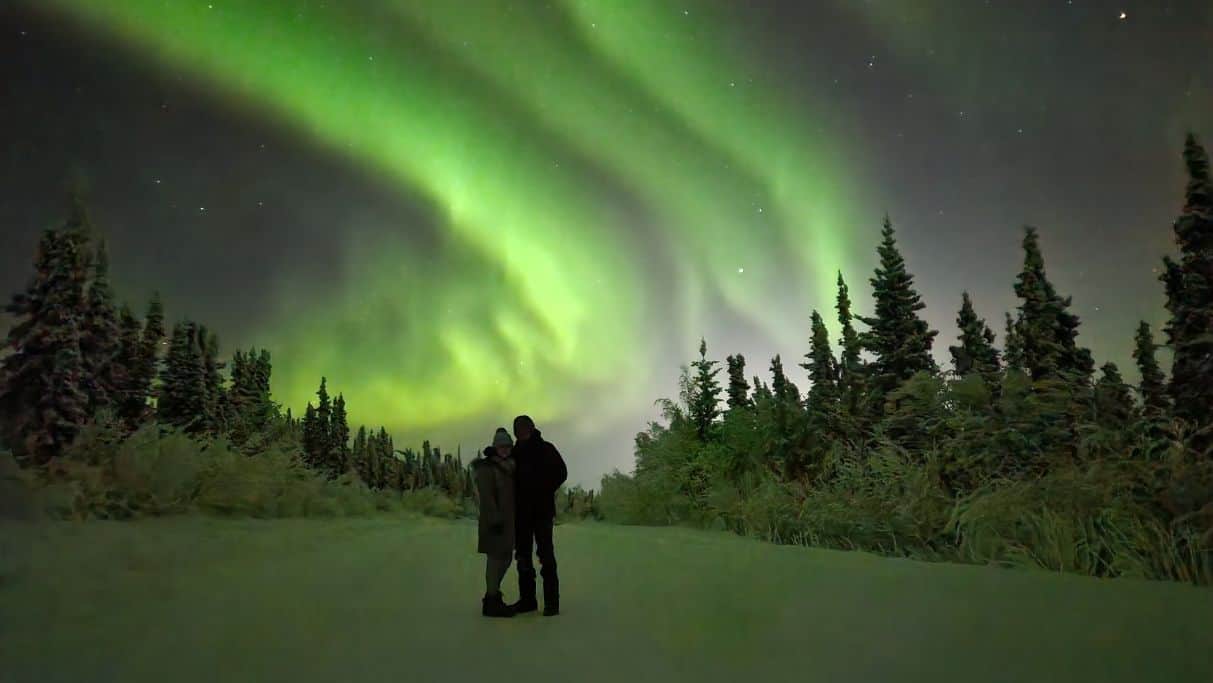
The extended dark hours of winter provide the perfect canvas for the Northern Lights, or Aurora Borealis. Fairbanks is globally renowned as one of the best places on Earth to witness this celestial dance, with its location directly under the “auroral oval” and its dry, clear winter nights. Travelers flock to specialized lodges and viewing spots, often staying up until the early hours of the morning, hoping to catch the vibrant greens, purples, and reds shimmering across the night sky. This experience alone is enough to justify a winter visit, offering a memory that transcends typical travel photos.
Unique Winter Activities
Beyond the Northern Lights, winter in Alaska offers a plethora of activities tailored to the season. Dog sledding, an integral part of Alaskan culture and the sport of the Iditarod Trail Sled Dog Race, becomes a magical journey through snow-covered forests, often under starry skies or the faint glow of the aurora. Ice skating, snowshoeing, cross-country skiing, and even ice sculpting festivals in Fairbanks provide opportunities to embrace the cold and the unique light. Many lodges and resorts offer cozy, intimate settings, often with hot tubs or saunas, perfect for warming up after a day of winter exploration. The “dark” winter isn’t about inactivity; it’s about a different rhythm, a different kind of beauty, and activities that are simply impossible during the endless daylight of summer.
Spring and Fall: Seasons of Transition and Nuance
While summer and winter showcase Alaska’s most dramatic light extremes, the shoulder seasons of spring (April-May) and fall (September-October) offer a more balanced, yet equally captivating, experience of daylight. These months are characterized by rapidly changing light conditions, acting as a bridge between the extremes.
Spring: Awakening Light
In spring, the daylight hours rapidly increase, melting snow and ice, and awakening the Alaskan wilderness from its winter slumber. Migratory birds return, and wildlife becomes more active as new growth emerges. This is a time of incredible transformation, offering longer days for exploration without the full intensity of the Midnight Sun. Early spring can still offer opportunities for Northern Lights viewing, especially in April, while also allowing for daytime activities like wildlife cruises or early hiking. The light is often softer, creating stunning photographic opportunities as the landscape transitions.
Fall: Golden Hues and Lingering Darkness
Autumn in Alaska is breathtaking, with the tundra and deciduous trees turning brilliant shades of gold, crimson, and orange. The daylight hours begin to recede, offering a perfect balance for travelers who want to enjoy daylight activities but also experience the burgeoning darkness for potential aurora viewing. September is often considered a prime month for seeing the Northern Lights before the deep chill of winter sets in. The crisp air and fewer crowds make fall an appealing time for hiking and wildlife spotting. The transition of light, from long days to increasingly noticeable evenings, paints the sky in a spectacular array of colors during sunrise and sunset, creating a serene and introsfpective travel experience.
Planning Your Alaskan Adventure: Timing Your Visit
Deciding when to visit Alaska largely depends on what you want to experience in relation to its unique light cycles. If your dream is to experience the surreal endless daylight, squeeze every moment out of your day for outdoor adventures, and see iconic wildlife active under the Midnight Sun, then a summer trip between June and August is ideal. This is also when cruise ships are most active, navigating the stunning fjords and glaciers of the Inside Passage.
Conversely, if the ethereal glow of the Northern Lights is your primary goal, coupled with unique winter activities like dog mushing, ice fishing, or snowmachining, then planning your visit between September and April is essential. The deepest winter months (December-February) offer the most darkness for aurora viewing, but also the coldest temperatures. Shoulder seasons provide a balance: May for longer days without the peak summer crowds, and September for fall colors and excellent aurora chances before the extreme cold.
Ultimately, the notion of Alaska being “dark all the time” is a simplified myth. It is a land of extraordinary light and shadow, where the changing seasons dictate a dramatic shift in daylight, each offering its own unparalleled beauty and a distinct set of adventures. Understanding this fundamental aspect of Alaskan geography and climate allows travelers to choose the perfect time to immerse themselves in this truly remarkable destination.
LifeOutOfTheBox is a participant in the Amazon Services LLC Associates Program, an affiliate advertising program designed to provide a means for sites to earn advertising fees by advertising and linking to Amazon.com. Amazon, the Amazon logo, AmazonSupply, and the AmazonSupply logo are trademarks of Amazon.com, Inc. or its affiliates. As an Amazon Associate we earn affiliate commissions from qualifying purchases.