
The perception of Alaska as an enigmatic, far-flung land often conjures images of endless ice, polar bears, and a permanent chill. A common misconception, fueled by its northern latitude and reputation for extreme cold, is that Alaska is located within the North Pole. While the Last Frontier is undeniably an Arctic and sub-Arctic destination, its exact geographical relationship with the planet’s northernmost point is distinct and vital for travelers to understand when planning an adventure to this incredible state.
Unpacking Alaska’s Geographic Reality
To accurately address whether Alaska resides at the North Pole, it is essential to first define the terms and place Alaska within its proper global context. Understanding this geographical truth helps to demystify the state and highlights its unique position as a diverse and accessible travel destination, rather than an unreachable polar outpost.
The True Position of Alaska
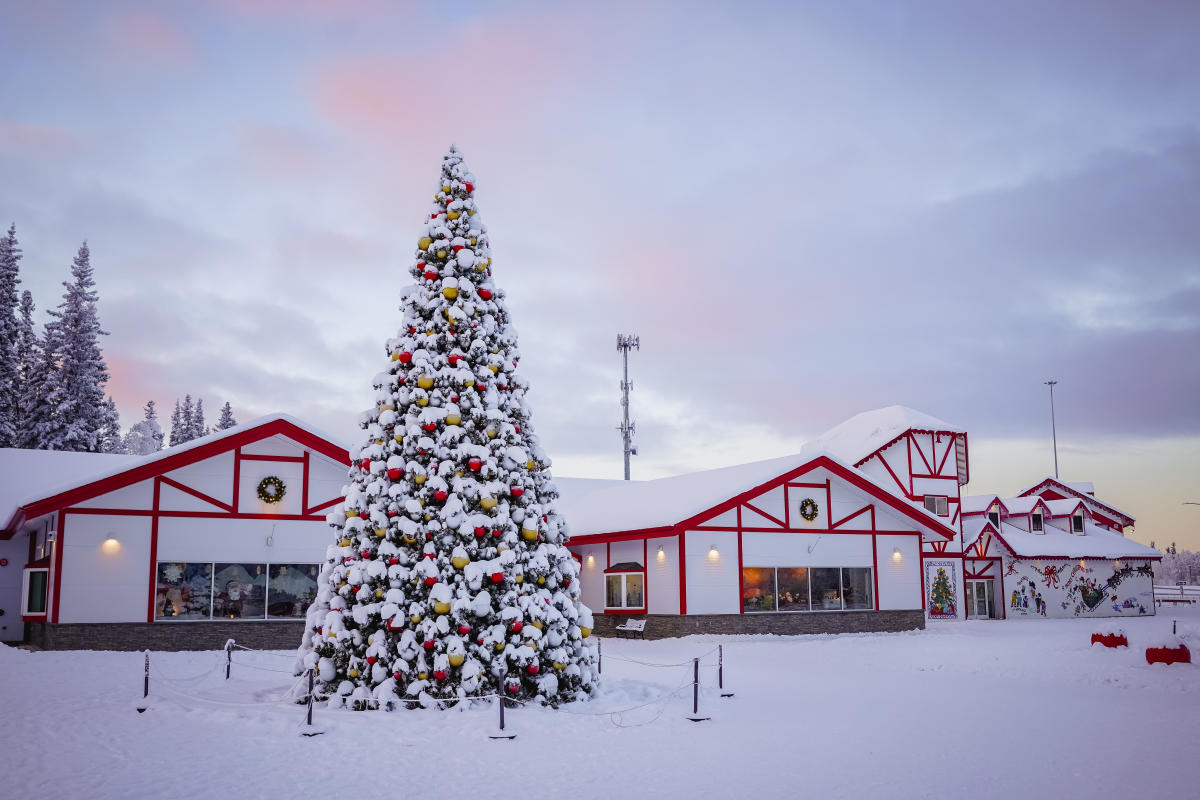
Alaska is the largest state in the United States, situated in the northwest extremity of the North America continent. It shares a land border with Canada to the east and is separated from Russia by the Bering Strait to the west. While a significant portion of Alaska does lie above the Arctic Circle, the vast majority of its population centers, natural wonders, and popular tourist destinations are not situated directly at the geographic North Pole. Cities like Anchorage, Juneau, and even Fairbanks are hundreds, if not thousands, of miles south of the planet’s axial tip. The northernmost point of Alaska is Point Barrow, which extends into the Arctic Ocean, but even this is still a considerable distance from the North Pole.
Defining the North Pole
The North Pole is the northernmost point on Earth, defined as 90 degrees north latitude. It is the northern axis of rotation, and all lines of longitude converge there. Unlike the South Pole, which is situated on the continent of Antarctica, the North Pole is located in the middle of the Arctic Ocean, covered by a permanent, constantly shifting cap of sea ice. It is a harsh, desolate environment, largely inaccessible except by specialized icebreakers, submarines, or high-latitude aircraft expeditions. This distinction is crucial: while Alaska borders the Arctic Ocean and experiences polar conditions in its northernmost reaches, it is a landmass with diverse ecosystems, bustling cities, and extensive infrastructure, far removed from the isolated ice cap of the true North Pole.
Misconceptions and Proximity
The confusion often arises because parts of Alaska are indeed within the Arctic Circle, an imaginary line of latitude at approximately 66.5 degrees north. This region experiences phenomena like the midnight sun in summer and polar night in winter. Fairbanks, for instance, is just south of the Arctic Circle and is renowned for its views of the Aurora Borealis. However, being within the Arctic Circle does not equate to being at the North Pole. The distance between Fairbanks and the North Pole is still over 1,700 miles. Therefore, while Alaska offers quintessential Arctic travel experiences, it is a distinct geographical entity from the specific, extreme location of the North Pole itself.
Alaska as a Premier Arctic and Subarctic Travel Destination
While not at the North Pole, Alaska offers a travel experience that is unparalleled for those seeking raw wilderness, dramatic landscapes, and a taste of the extreme north. Its position as a gateway to the Arctic Circle makes it an accessible yet profound adventure destination.
Breathtaking Landscapes and Diverse Ecosystems
Alaska is a land of superlatives. It boasts the highest peak in North America, Denali (formerly Mount McKinley), towering over 20,310 feet. The state is home to an incredible array of landscapes, from dense temperate rainforests in the southeast (part of the Tongass National Forest) to vast tundras, active volcanoes, immense glaciers (such as those found in Glacier Bay National Park and the Prince William Sound), and extensive coastline along the Pacific Ocean, Bering Sea, and Arctic Ocean. This geographical diversity provides a backdrop for a myriad of outdoor activities, from hiking and mountaineering to kayaking and fishing, making it a dream for adventure travelers.
Unique Wildlife Viewing Opportunities
One of the primary draws for visitors to Alaska is the opportunity to witness its iconic wildlife in their natural habitats. The state is teeming with brown bears (grizzlies), black bears, polar bears (in the northern regions), moose, caribou, Dall sheep, and wolves. Its coastal waters are home to humpback whales, orcas, sea otters, seals, and sea lions. Birdwatching is also exceptional, with millions of migratory birds nesting in Alaska’s wetlands and coastal areas. Katmai National Park, for example, is world-renowned for its brown bear viewing as they fish for salmon during the summer.
Cultural Immersion with Indigenous Communities
Alaska is rich in Indigenous culture, with numerous Native Alaskan groups contributing to the state’s vibrant tapestry. Travelers have the opportunity to learn about the history, traditions, art, and way of life of these communities, including the Iñupiat, Yup’ik, Aleut, Tlingit, Haida, and Athabascan peoples. Cultural centers, museums, and local festivals in towns like Kotzebue or even in larger cities like Anchorage offer insights into their enduring heritage. These experiences provide a profound depth to an Alaskan journey, moving beyond just scenic beauty to a deeper understanding of human resilience in the far north.
Iconic Alaskan Destinations and Experiences
From bustling urban centers to remote wilderness areas, Alaska offers a spectrum of destinations, each providing a unique glimpse into the state’s character.
Anchorage: The Urban Gateway
As Alaska’s largest city, Anchorage serves as the primary entry point for most travelers. While surrounded by mountains and wilderness, it offers a full suite of modern amenities, including world-class dining, museums, and vibrant arts scene. Visitors can explore the Anchorage Museum, stroll along the Tony Knowles Coastal Trail, or embark on day trips to nearby Chugach State Park for hiking and wildlife spotting. It’s also a hub for air and rail travel to other parts of the state.

Denali National Park: Wilderness at Its Peak
Home to Denali, North America’s tallest peak, Denali National Park is a must-visit for anyone seeking an immersive wilderness experience. The park road, primarily accessible by park buses, traverses diverse landscapes, offering unparalleled opportunities for wildlife viewing—including grizzlies, caribou, moose, and wolves—and breathtaking views of the mountain. Activities range from backcountry hiking and camping to flightseeing tours that offer spectacular aerial perspectives of the vast mountain ranges and glaciers.
Fairbanks: The Golden Heart of the Interior
Located in Alaska’s interior, Fairbanks is famous for its exceptional opportunities to view the Aurora Borealis (Northern Lights) during the darker winter months. During summer, the city experiences the midnight sun, with nearly 24 hours of daylight. Fairbanks also serves as a gateway to the Arctic Circle itself, with tours venturing north. Attractions include the University of Alaska Museum of the North and the historic Gold Dredge 8, offering insights into the region’s gold rush history.
Juneau: Capital City and Glacier Country
Juneau, Alaska’s capital, is unique as it’s only accessible by air or sea; there are no roads connecting it to the rest of the state. Nestled between towering mountains and the Gastineau Channel, Juneau is famed for its proximity to the Mendenhall Glacier, one of the most accessible glaciers in Alaska. Whale watching tours depart regularly, offering chances to see humpbacks feeding in the rich waters. The city combines urban charm with incredible natural beauty, making it a popular stop on cruise itineraries.
Coastal Cruises and the Inside Passage
For many, exploring Alaska by cruise ship is the quintessential experience. The Inside Passage route, winding through a labyrinth of islands and fjords along the southeastern coast, is particularly popular. Cruises offer convenient access to picturesque towns like Ketchikan, Skagway, and Sitka, where visitors can explore Tlingit culture, gold rush history, and stunning coastal scenery. Beyond the Inside Passage, cruises also venture into the Gulf of Alaska and Prince William Sound, providing breathtaking views of tidewater glaciers and marine wildlife.
Embracing the Alaskan Climate and Seasons for Travel
Alaska’s climate, while extreme in parts, is diverse, and each season offers unique travel opportunities and experiences.
Summer’s Midnight Sun and Outdoor Adventures
The summer months (June to August) are peak travel season. The long daylight hours, sometimes stretching to 24 hours in the far north, earned the state its “Land of the Midnight Sun” moniker. Temperatures are milder, making it ideal for hiking, fishing, kayaking, wildlife cruises, and exploring national parks. The vibrant green landscapes are alive with wildflowers, and wildlife is abundant and active. This is the best time for comprehensive touring and experiencing the vastness of Alaska outdoors.
Winter’s Aurora Borealis and Snow Sports
Winter (November to March) transforms Alaska into a wonderland of snow and ice, offering entirely different attractions. The long, dark nights provide the perfect canvas for the spectacular Aurora Borealis, particularly visible in interior regions like Fairbanks. Winter sports like dog sledding (experiencing the famous Iditarod Trail Sled Dog Race ambiance), cross-country skiing, ice skating, and snowmobiling become prime activities. While colder, winter travel offers a magical, serene, and often more intimate experience of Alaska’s wild beauty.
Shoulder Seasons: A Quieter Charm
Spring (April-May) and Fall (September-October) are shoulder seasons, offering a quieter, often more budget-friendly travel experience. Spring brings thawing landscapes, migrating birds, and emerging wildlife, while fall dazzles with brilliant autumn foliage, especially in the interior, and excellent opportunities for aurora viewing as the nights grow longer. These periods provide a different perspective, with fewer crowds and unique photographic opportunities.
Planning Your Alaskan Adventure
Venturing into Alaska, whether by land or sea, requires thoughtful planning to maximize the experience.
Essential Gear and Preparedness
Regardless of the season, layering is key due to Alaska’s unpredictable weather. Waterproof and windproof outer layers, insulated clothing, sturdy hiking boots, and insect repellent (especially in summer) are essential. For winter travel, extreme cold weather gear, including warm parkas, thermal base layers, and insulated boots, is a must. Given the vast distances and potential for remote travel, carrying a satellite communication device can be a wise safety precaution.
Transportation and Lodging Considerations
Transportation within Alaska varies significantly. Major cities like Anchorage and Fairbanks have international airports, but reaching smaller towns or wilderness areas often involves smaller planes, ferries (like the Alaska Marine Highway), or specialized tour operators. Rental cars are available, but road networks are limited, particularly in the vast interior and southeastern regions. Lodging options range from luxury resorts and quaint bed & breakfasts to rustic cabins and campgrounds within national parks. Booking accommodations and tours well in advance, especially during the peak summer season, is highly recommended to secure preferred options and ensure a smooth, unforgettable Alaskan journey.
In conclusion, while Alaska offers a taste of the Arctic Circle and an abundance of northern charm, it is not the North Pole. It is a vast, diverse, and accessible destination that promises an adventure unlike any other, inviting travelers to explore its majestic landscapes, encounter its unique wildlife, and immerse themselves in its rich cultural heritage.
LifeOutOfTheBox is a participant in the Amazon Services LLC Associates Program, an affiliate advertising program designed to provide a means for sites to earn advertising fees by advertising and linking to Amazon.com. Amazon, the Amazon logo, AmazonSupply, and the AmazonSupply logo are trademarks of Amazon.com, Inc. or its affiliates. As an Amazon Associate we earn affiliate commissions from qualifying purchases.