
When planning a trip to the Last Frontier, many travelers delve into understanding the local culture to enrich their experience. Part of a region’s unique cultural fabric often includes its prevailing societal values and political leanings. The question “Is Alaska Republican or Democrat?” doesn’t yield a simple binary answer in terms of tourism, but rather opens a window into the diverse local cultures and communities that make the state so captivating. For a visitor, understanding these nuances can deepen appreciation for the spirit and character of Alaska’s people and places.
Understanding Alaska’s Political Tapestry Through a Tourist’s Lens
Alaska, as a vast and geographically isolated state, cultivates a strong sense of independence and self-reliance among its residents. These core values are deeply embedded in the local culture, regardless of political affiliation, and significantly shape the visitor experience. Historically, Alaska has often leaned conservative, emphasizing individual liberty, resource development, and a less intrusive government. This inclination is often attributed to its frontier spirit, a challenging environment that demands resilience, and an economy traditionally built on industries like oil, fishing, and mining. These industries, while foundational, also prompt ongoing discussions about conservation versus development, a tension that is palpable in many local communities and forms a key aspect of Alaska’s cultural discourse.
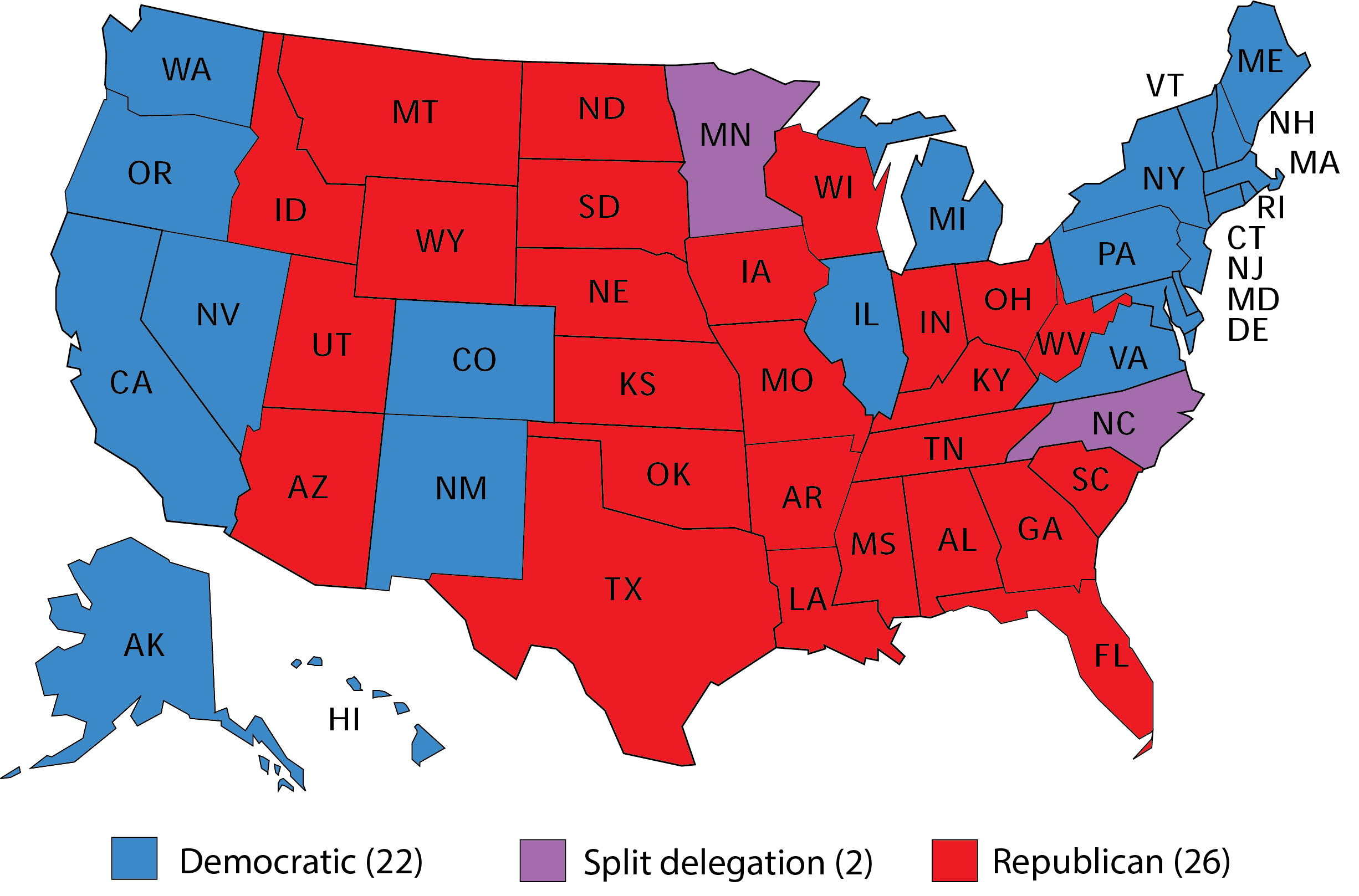
However, to label the entire state as monolithic would be a disservice to its intricate cultural landscape. Tourists exploring Alaska will encounter a spectrum of viewpoints, reflective of its diverse populations, from bustling urban centers to remote indigenous villages. The political leanings, rather than being a strict party line, manifest as a cultural ethos that influences everything from local hospitality to community events and the very infrastructure that supports tourism. For example, the emphasis on personal freedom might be seen in the prevalence of small, owner-operated businesses and a strong sense of community volunteerism. Understanding this backdrop allows visitors to appreciate the various perspectives shaping the Alaskan way of life, from how communities manage their resources to how they interact with their environment and each other. The appreciation of vast wilderness, for instance, can stem from both conservative desires for property rights and liberal desires for environmental preservation, showcasing how differing political philosophies can sometimes converge on shared values, impacting the types of protected areas and outdoor activities available to tourists.
Regional Diversity: Beyond a Single Political Label
The sheer size and varied geography of Alaska contribute significantly to its political and cultural mosaic. A traveler moving from one region to another will inevitably observe distinct cultural nuances that often correlate with differing community priorities and, by extension, political sentiments.
Urban Centers vs. Rural Frontiers
Alaska’s larger urban areas often present a different cultural atmosphere compared to its remote, less populated regions. Cities like Anchorage, the state’s largest city, and the capital, Juneau, tend to be more diverse and cosmopolitan. Here, visitors might notice a stronger presence of arts and culture scenes, a wider array of international cuisines, and a more pronounced emphasis on progressive social issues and environmental advocacy. These urban hubs attract a more diverse demographic, including professionals, artists, and service workers, whose collective values often lean towards more liberal policies. Tourists exploring Anchorage might encounter vibrant farmer’s markets emphasizing local, organic produce, community-led initiatives for public transportation, or discussions around climate change impacting the nearby Chugach Mountains. Similarly, Juneau, as a government hub, fosters a culture of civic engagement and diverse policy discussions, often reflecting a blend of environmental protection and sustainable development.
Conversely, the vast rural areas and smaller towns throughout Alaska, particularly in the interior or remote coastal communities, often embody the state’s traditional conservative values more strongly. Here, the culture is deeply rooted in resource-based economies like fishing, trapping, and subsistence living, fostering a profound sense of self-reliance, community interdependence, and a pragmatic approach to land use. Visitors to places like Fairbanks, which serves as a gateway to interior Alaska and is influenced by military presence and resource extraction, might observe a culture that values individual rights, minimal government intervention, and a strong connection to traditional outdoor pursuits such as hunting and snowmobiling. In remote villages, the emphasis is often on maintaining traditional ways of life and community stability, with a cautious approach to external influences. This regional variation means that a “Red State” or “Blue State” label doesn’t fully capture the complex, localized cultures that travelers will encounter. Each community offers a distinct cultural flavor, shaped by its unique history, environment, and demographics.
Economic Drivers and Cultural Values
The primary economic drivers across Alaska also play a significant role in shaping local culture and, by extension, political leanings, influencing what tourists experience. The oil and gas industry, centered around the North Slope and supported by infrastructure like the Trans-Alaska Pipeline System, has historically generated substantial wealth and employment, fostering a culture that often prioritizes economic stability and resource development. This perspective can translate into a cultural appreciation for hard work, technological innovation, and a pragmatic approach to environmental regulation, where resource extraction is seen as vital for prosperity. Tourists visiting communities with strong ties to these industries might observe a highly skilled workforce, a culture of practical problem-solving, and infrastructure designed to withstand extreme conditions.
On the other hand, regions heavily reliant on commercial fishing, such as towns along the Inside Passage or the Kenai Peninsula, cultivate a distinct maritime culture. This culture often emphasizes community bonds, a deep respect for the ocean, and a sustainable approach to marine resources, blending traditional practices with modern conservation efforts. Towns like Ketchikan or Sitka showcase a heritage deeply intertwined with fishing and indigenous traditions, leading to cultural expressions that balance economic pursuits with ecological stewardship. The tourism industry itself, growing steadily across the state, brings its own cultural influences, promoting values of hospitality, environmental preservation, and the sharing of unique Alaskan experiences. Cruise ship passengers often experience the rich natural beauty of Glacier Bay National Park and the pristine wilderness, fostering an appreciation for conservation that might align with more progressive environmental policies. The interplay of these economic drivers creates a fascinating tapestry of cultural values, providing tourists with diverse insights into Alaskan life.

Experiencing Alaskan Culture: How Politics Intertwines with Local Life
For the discerning traveler, understanding the underlying cultural currents shaped by Alaska’s political leanings can provide a richer, more authentic experience. These leanings are not just about voting patterns; they are woven into the very fabric of daily life, influencing local interactions, community priorities, and the way the state’s natural wonders are presented and preserved.
Community Spirit and Local Engagement
Alaskans, regardless of their political stripe, share a remarkable sense of community and an independent spirit, which often translates into high levels of local engagement. This manifests in countless ways that visitors can observe and even participate in. In many towns, community events are central to social life, from summer festivals celebrating local harvest or fishing seasons to winter carnivals embracing the cold. For example, the world-famous Iditarod Trail Sled Dog Race embodies a spirit of rugged individualism combined with collective community support for the mushers and their teams. Local businesses, often family-owned, thrive on community loyalty, offering unique products and services that reflect Alaskan ingenuity. Tourists patronizing these establishments will encounter genuine Alaskan hospitality, characterized by directness, warmth, and a willingness to share local knowledge. This strong community fabric, whether it leans more conservative in its emphasis on self-reliance or more liberal in its focus on collective social services, ultimately fosters a welcoming environment for visitors seeking an authentic connection with local life. The shared challenges of living in a harsh environment often transcend political differences, uniting Alaskans in a common purpose that enriches the cultural landscape.
Conservation and Resource Management
One of the most profound ways political perspectives shape the local culture and tourist experience in Alaska is through debates and decisions regarding conservation and resource management. The state is home to some of the world’s most pristine wilderness, including national treasures like Denali National Park and the Arctic National Wildlife Refuge. These areas are subject to ongoing discussions between those who prioritize resource development for economic prosperity and those who advocate for strict environmental protection. For tourists, this tension is fascinating because it directly impacts the accessibility, appearance, and preservation of the very landscapes they come to see.
A culture that values resource extraction might lead to roads being built into previously wild areas, opening up new access points for exploration, while a culture prioritizing conservation might enforce stricter regulations on development, ensuring pristine wilderness experiences. The existence of vast protected areas like Wrangell-St. Elias National Park and Preserve, the largest national park in the U.S., is a testament to Alaska’s commitment to both use and preservation. Visitors to these parks will often find educational centers that discuss the delicate balance between human activity and ecological integrity, offering insights into the diverse viewpoints held by Alaskans. Understanding these cultural dimensions adds layers to appreciating Alaska’s natural beauty—it’s not just about the landscape, but also the human story of how that landscape is valued and managed.
The Entrepreneurial Spirit
Alaska’s isolation and unique economic environment have fostered a strong entrepreneurial spirit that transcends traditional political divides. This spirit is a hallmark of Alaskan culture and is highly visible to tourists. From innovative local artists selling their crafts at markets in Homer to remote lodge owners offering bespoke wilderness excursions near the Brooks Range, Alaskans often find creative ways to build businesses and livelihoods. This independence and ingenuity are valued across the political spectrum, as they reflect the self-sufficiency and resilience necessary to thrive in such a demanding environment.
Tourists benefit from this entrepreneurial drive through unique services, locally sourced products, and personalized experiences that are often difficult to find elsewhere. Whether it’s a small charter flight operator connecting remote communities, a culinary entrepreneur perfecting smoked salmon recipes, or a tour guide sharing deep knowledge of local wildlife and history, these ventures showcase a culture that celebrates individual initiative. These small businesses often contribute significantly to the local character of a place, creating the authentic, memorable experiences that travelers seek. The cultural value placed on innovation and hard work, inherent in the Alaskan spirit, ensures a vibrant and distinctive visitor economy.
Navigating Alaska’s Diverse Cultural Landscape as a Visitor
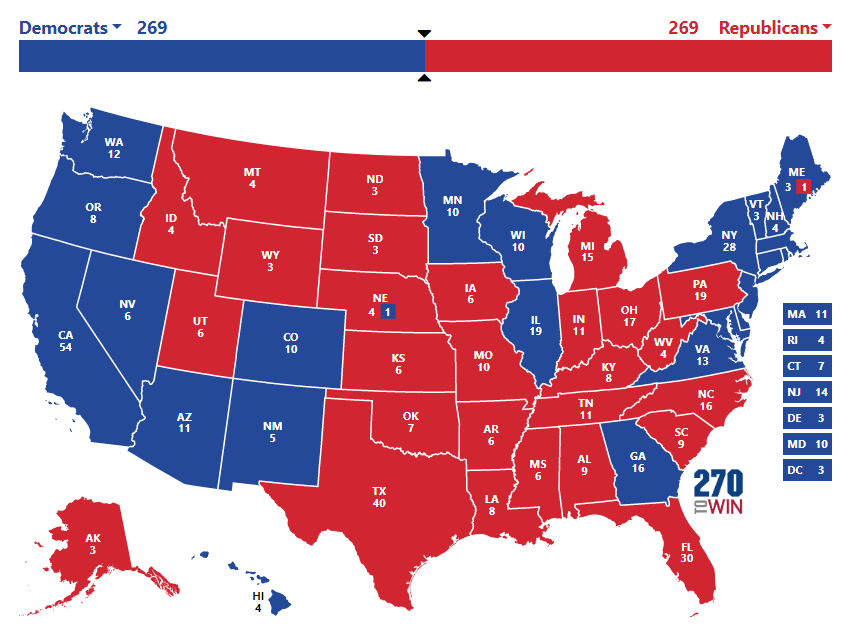
For travelers, the question of whether Alaska is “Republican or Democrat” becomes less about a political label and more about understanding the rich, diverse cultural fabric it represents. The political leanings, whether predominantly conservative or with pockets of more liberal thought, contribute to the unique character of communities across the state. They shape local customs, economic priorities, and the approach to environmental stewardship—all aspects that influence a tourist’s journey.
To truly immerse oneself in Alaskan culture, visitors are encouraged to engage with locals openly and respectfully. Observe the strong sense of community, the independent spirit, and the pragmatic approach to life that unites Alaskans despite their diverse viewpoints. Participate in local festivals, support small businesses, and learn about the varied histories and traditions of indigenous peoples and settler communities. Recognize that the same breathtaking landscapes—from the fjords of the Inside Passage to the towering peaks of the Alaska Range—are viewed through different lenses by residents who depend on and interact with them in distinct ways.
Ultimately, the unparalleled natural beauty and the genuine hospitality found throughout Alaska transcend political affiliations. The true magic of the Last Frontier lies in its ability to offer profound experiences, whether it’s witnessing a glacier calve, spotting grizzly bears in Katmai National Park, or simply enjoying a local meal in a charming waterfront town. By approaching your visit with an open mind and an appreciation for cultural diversity, you will discover that Alaska is, above all, uniquely Alaskan—a vibrant tapestry of independent spirits, enduring traditions, and awe-inspiring natural wonders awaiting exploration.
LifeOutOfTheBox is a participant in the Amazon Services LLC Associates Program, an affiliate advertising program designed to provide a means for sites to earn advertising fees by advertising and linking to Amazon.com. Amazon, the Amazon logo, AmazonSupply, and the AmazonSupply logo are trademarks of Amazon.com, Inc. or its affiliates. As an Amazon Associate we earn affiliate commissions from qualifying purchases.