
Navigating the legal landscape of any destination is a crucial part of responsible travel planning. For those considering a journey to the vast and breathtaking state of Alaska, understanding local laws, including those concerning alcoholic beverages, is paramount. The question “Is Alcohol Illegal In Alaska?” often arises, particularly due to the state’s unique geography, remote communities, and distinct cultural contexts. This article delves into the intricacies of alcohol laws in Alaska, clarifying common misconceptions and providing practical information for travelers.
Understanding Alcohol Laws in Alaska
Contrary to some misconceptions, alcohol is not illegal throughout Alaska. However, the state’s alcohol regulations are more nuanced than a simple yes or no answer. The legality and regulations surrounding alcohol sales and consumption can vary significantly from one municipality to another. This variation is a direct result of local control, where individual boroughs and cities have the authority to decide their own alcohol policies. This leads to a patchwork of regulations across the state, making it essential for visitors to be aware of the specific rules in the areas they plan to visit.
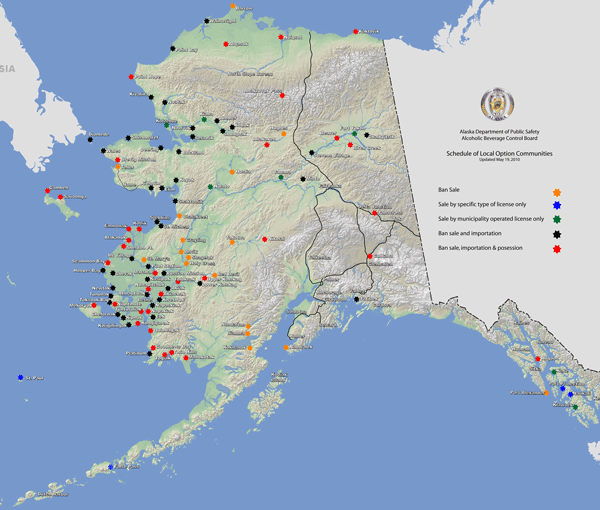
Local Option Laws: A Patchwork of Regulations
The cornerstone of Alaska’s alcohol legislation is the “local option” system. Under this system, incorporated cities and boroughs can vote to become “dry,” “moist,” or “wet.”
- Dry Communities: In “dry” areas, the sale and, in some cases, the possession or importation of alcohol are prohibited. These communities often cite concerns about public health, safety, and social well-being as reasons for implementing these restrictions. Travelers to dry towns must be mindful that bringing alcohol into these areas can be illegal and may result in confiscation or penalties.
- Moist Communities: “Moist” communities represent a middle ground. They may allow the sale of alcohol in limited circumstances, such as in restaurants with food service, or they may permit private consumption but restrict public sales. The specific allowances in moist areas can be quite diverse.
- Wet Communities: “Wet” communities operate under the state’s general alcohol laws, allowing for the sale and consumption of alcohol in licensed establishments like bars, restaurants, and liquor stores. Most of Alaska’s larger cities, such as Anchorage, Fairbanks, and Juneau, are wet.
The local option status of a community can change over time as residents vote on the matter. Therefore, what might have been true a few years ago may not be current. It is always advisable to check the current status of the specific location you are visiting.
Exceptions and Specific Regulations
Even in wet areas, standard regulations apply. These include:
- Minimum Drinking Age: The minimum age to purchase and consume alcohol in Alaska is 21, in line with federal law. Identification will be required at any establishment serving alcohol.
- Hours of Sale: Licensed establishments have specific hours during which they can sell alcohol, which vary by municipality.
- Public Intoxication: Public intoxication laws are enforced, and individuals found to be excessively drunk in public can face penalties.
- Drunk Driving (DUI): Driving under the influence of alcohol is a serious offense in Alaska, with strict penalties for offenders. This is a critical safety concern for any traveler, especially given the potentially challenging driving conditions in some parts of the state.
Planning Your Trip: What Travelers Need to Know
For travelers, understanding these nuances is key to avoiding legal trouble and ensuring a smooth, enjoyable trip. When planning an itinerary that includes visits to various Alaskan towns or villages, it is highly recommended to research the local option status of each destination.
Researching Local Alcohol Policies
- Official Websites: Many municipalities in Alaska provide information on their local alcohol ordinances on their official government websites.
- Tourism Information Centers: Local tourism offices and visitor centers are excellent resources for up-to-date information on local laws and customs, including alcohol regulations.
- Accommodation Providers: Hotels, lodges, and other accommodation providers can often offer guidance on what is permissible in their area.

Practical Tips for Travelers
- Carry Identification: Always carry a valid form of identification, as it will be required for purchasing or consuming alcohol.
- Respect Local Laws: Be mindful and respectful of the local alcohol ordinances. What may be acceptable in one town could be illegal in another.
- Plan Ahead for Dry Communities: If your travel plans include visiting a dry community, be prepared to abstain from alcohol during your stay there. Do not attempt to bring alcohol into these areas.
- Responsible Consumption: Even in wet areas, always practice responsible alcohol consumption. This includes not drinking and driving and being aware of your surroundings.
Exploring Alaska Responsibly: Beyond Alcohol Laws
While understanding alcohol laws is important for any traveler to Alaska, it is just one piece of the puzzle when it comes to responsible tourism. The state’s unique environment and diverse communities necessitate a broader awareness of local customs and regulations.
Respecting Indigenous Cultures
Many parts of Alaska are home to vibrant Indigenous communities, each with its own rich cultural heritage and traditions. Respecting these traditions is paramount. This includes:
- Asking Permission: Always ask for permission before taking photographs of people or sacred sites.
- Cultural Sensitivity: Be aware of and sensitive to local customs and beliefs.
- Supporting Local Economies: Where possible, support local artisans and businesses.
Environmental Stewardship
Alaska’s natural beauty is its most precious asset. Visitors are urged to practice environmental stewardship:
- Leave No Trace: Pack out everything you pack in, and avoid disturbing wildlife or natural habitats.
- Follow Park Regulations: Adhere to all rules and guidelines set by national and state parks, such as Denali National Park and Preserve or Glacier Bay National Park and Preserve.
- Be Prepared for the Wilderness: Alaska is a wilderness destination. Be prepared for changing weather conditions, wildlife encounters, and the need for self-sufficiency, especially in remote areas.
Understanding Local Infrastructure
Infrastructure in Alaska can be limited, especially outside of major population centers.
- Transportation: Travel between remote communities often relies on small aircraft, ferries, or specific road systems. Plan your transportation well in advance.
- Connectivity: Cell service and internet access can be spotty or nonexistent in many areas. Download offline maps and essential information before venturing out.

The Allure of Alaska: A Destination of Contrasts
Alaska is a land of unparalleled natural beauty, from the towering peaks of the Alaska Range to the vast icy expanses of its glaciers. It’s a place where adventure awaits, whether you’re exploring the charming streets of Skagway or witnessing the awe-inspiring wildlife in the Arctic National Wildlife Refuge. Understanding and respecting local laws, including those concerning alcohol, is an integral part of experiencing this magnificent state responsibly and fully. By being informed and prepared, travelers can ensure their Alaskan adventure is both memorable and law-abiding, allowing them to focus on the wonders this Last Frontier has to offer. From the bustling markets of Anchorage to the serene fjords near Ketchikan, a thoughtful approach to local regulations will enhance the journey, ensuring a deeper appreciation for the unique character of each Alaskan community.
LifeOutOfTheBox is a participant in the Amazon Services LLC Associates Program, an affiliate advertising program designed to provide a means for sites to earn advertising fees by advertising and linking to Amazon.com. Amazon, the Amazon logo, AmazonSupply, and the AmazonSupply logo are trademarks of Amazon.com, Inc. or its affiliates. As an Amazon Associate we earn affiliate commissions from qualifying purchases.