
Anchorage, Alaska, often hailed as the gateway to the last frontier, draws countless visitors with its unparalleled natural beauty, vibrant culture, and abundant outdoor adventures. From the towering Chugach Mountains that frame its eastern edge to the sparkling waters of Cook Inlet, it promises an experience unlike any other. However, for many prospective travelers, a fundamental question often arises: “Is Anchorage safe?”
It’s a valid and important inquiry, especially when planning a trip to an unfamiliar destination. The answer, like with many urban centers worldwide, isn’t a simple yes or no. Anchorage is a diverse city with its own unique challenges and charms. While it’s generally considered safe for tourists, like any urban environment, it requires a degree of awareness, preparation, and common sense to navigate successfully. This comprehensive guide aims to provide a balanced perspective on safety in Anchorage, addressing common concerns, offering practical advice, and highlighting why this Alaskan gem remains an incredibly rewarding destination for travelers of all kinds.

Understanding Safety in Anchorage: Data and Perceptions
When considering the safety of a destination, it’s crucial to separate perception from reality. Media portrayals, anecdotal evidence, and raw statistics can sometimes paint an incomplete picture. To truly understand safety in Anchorage, we need to look at various factors, including crime rates, specific areas of concern, and the typical experiences of tourists.
A Look at Crime Statistics and Realities
Like many cities across the United States, Anchorage has its share of crime. Official statistics often indicate higher property crime rates compared to violent crime. Burglaries, vehicle theft, and petty theft can occur, particularly in certain areas or against unattended valuables. Violent crime, while present, tends to be more localized and often connected to specific circumstances, rather than random acts targeting tourists.
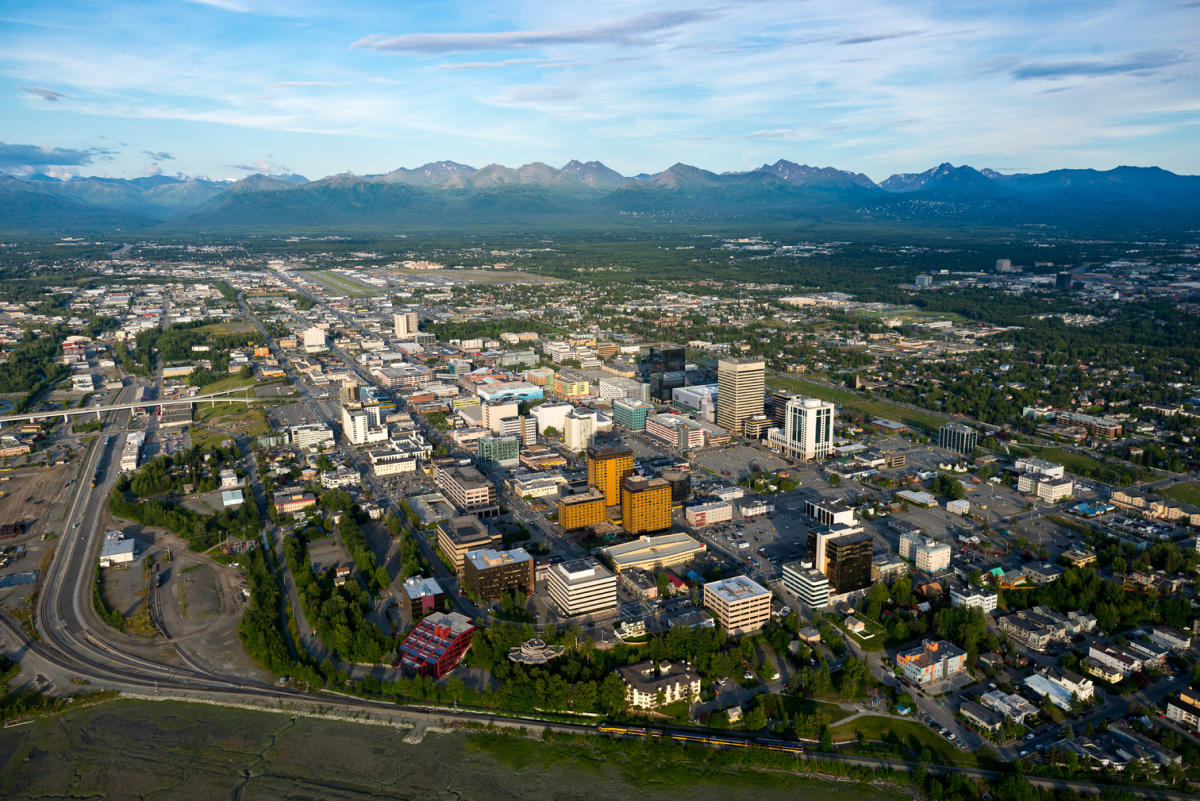
It’s important to put these numbers into context. Anchorage is the largest city in Alaska, functioning as a hub for both industry and tourism. Its transient population, combined with socio-economic factors, contributes to its crime profile. However, most tourist-frequented areas, such as downtown, the coastal trails, and popular attractions, generally experience lower rates of serious incidents. The vast majority of visitors complete their trips without encountering any safety issues beyond minor inconveniences.
The key takeaway is that tourists are rarely targets of serious violent crime. Most incidents, when they do occur, are crimes of opportunity. By taking proactive steps to protect your belongings and being aware of your surroundings, you can significantly mitigate potential risks. This is consistent with advice given for urban travel anywhere in the world, from New York City to London.
Common Concerns and Misconceptions
Several specific concerns often arise when discussing safety in Anchorage:
- Homelessness: Like many major cities, Anchorage has a visible homeless population, particularly in the downtown core. While encounters are generally benign, it’s advisable to avoid direct engagement if you feel uncomfortable and to store valuables securely. These individuals are typically seeking shelter or assistance and are not usually a threat to tourists.
- Specific Neighborhoods: As with any city, some neighborhoods have higher crime rates than others. Tourists are unlikely to venture into these areas unless specifically seeking them out. Stick to well-trafficked, reputable areas, especially after dark. The main tourist zones are generally well-lit and have a visible presence of locals and visitors.
- Wildlife Encounters: While not a “crime” issue, wildlife safety is paramount in Alaska. Moose, and occasionally bears, can wander into urban areas. Understanding how to react to these animals is crucial for visitor safety, a topic we will delve into further.
- Weather and Outdoor Dangers: The extreme weather conditions of Alaska present their own set of safety challenges. Hypothermia, frostbite, and getting lost in the wilderness are real risks for unprepared adventurers.
It’s important to remember that most residents of Anchorage live and work safely every day. The city is home to a welcoming community eager to share the wonders of their state with visitors. By being informed and prepared, you can enjoy all that Anchorage has to offer without undue worry.
Navigating Anchorage Safely: Essential Travel Tips
A safe and enjoyable trip to Anchorage hinges on preparedness and adopting sensible travel habits. These tips cover everything from personal security to interacting with Alaska’s unique environment.
Personal Safety Best Practices
General urban safety guidelines apply strongly in Anchorage:
- Situational Awareness: Always be aware of your surroundings, especially when walking alone, using public transport, or in crowded areas. Avoid distractions like constantly looking at your phone.
- Protect Valuables: Keep wallets, phones, and cameras out of sight and secure. Don’t flash large amounts of cash or expensive jewelry. Consider a money belt or cross-body bag. When dining, avoid hanging bags on the back of chairs where they can be easily snatched.
- Nighttime Precautions: If you’re out after dark, travel in groups if possible, and stick to well-lit, populated streets. If you’re alone, use reputable ride-sharing services or taxis rather than walking long distances.
- Alcohol Consumption: Drink responsibly. Excessive alcohol consumption can impair judgment and make you a more vulnerable target. Be wary of leaving drinks unattended.
- Trust Your Instincts: If a situation or an area feels unsafe, remove yourself from it. Your gut feeling is often your best guide.
- Emergency Contacts: Have important phone numbers readily accessible, including local emergency services (911 in the United States), your accommodation, and family/friends.
Exploring Attractions and Neighborhoods Wisely
Anchorage boasts numerous attractions, each offering unique experiences. Knowing how to safely explore them enhances your visit.
- Downtown Anchorage: This is the heart of tourism. During the day, it’s bustling and safe. Evenings are generally fine, but stick to the main streets where restaurants and shops are located. The Park Strip, Fifth Avenue Mall, and the Anchorage Market and Festival are popular, safe spots.
- Tourist Hubs: Places like the Anchorage Museum and the Alaska Native Heritage Center are designed for visitors and are very safe.
- Public Transportation: Anchorage has a public bus system (People Mover), which is generally safe during daylight hours. Taxis and ride-sharing apps (Uber, Lyft) are widely available and recommended, especially at night.
- Rental Cars: A popular option for exploring beyond the city center. Always lock your doors, park in well-lit areas, and avoid leaving valuables visible inside the car.
Wildlife Encounters and Outdoor Safety
This is perhaps the most unique aspect of safety in Alaska, and it demands respect and knowledge.
- Moose: Anchorage has a significant urban moose population. While generally docile, moose can be aggressive if provoked, especially mothers with calves. Give them a wide berth (at least 25 feet), never approach, and if a moose charges, run and try to put a large object (like a tree or car) between you and the animal.
- Bears: Both black and brown (grizzly) bears inhabit areas around Anchorage and occasionally venture into city limits. If hiking or exploring wilderness areas:
- Make noise to avoid surprising a bear.
- Carry bear spray and know how to use it.
- Store food properly to avoid attracting bears.
- Know the difference between defensive and predatory behavior to react appropriately.
- Never run from a bear unless it’s a black bear in a predatory attack.
- Hiking and Trails: When exploring trails like the Tony Knowles Coastal Trail or heading into the Chugach Mountains to spots like Flattop Mountain, inform someone of your itinerary. Dress in layers, carry water, and be prepared for sudden weather changes. Trails are generally well-maintained, but vigilance is key.
- Water Safety: If engaging in water activities, always wear a life vest. Alaskan waters are often very cold, and hypothermia can set in quickly.
Accommodation Choices and Security
Choosing the right accommodation is a key part of travel safety. Anchorage offers a wide range of options, from luxury resorts to budget-friendly hotels and vacation rentals.
- Reputable Hotels: Stick to well-known hotels like Hotel Captain Cook, The Lakefront Anchorage, Marriott Anchorage Downtown, Hilton Anchorage, or Embassy Suites by Hilton Anchorage. These establishments typically have good security, including surveillance, key card access, and front desk staff.
- Location, Location, Location: While downtown is generally safe, consider staying in areas like Midtown or near the airport if you prefer quieter surroundings. Check reviews regarding the safety of the immediate neighborhood.
- Vacation Rentals: If booking through platforms like Airbnb or VRBO, thoroughly read reviews, pay attention to host ratings, and verify the location’s safety. Look for properties with secure entryways and good lighting.
- Long-Term Stays: For extended visits, options like Extended Stay America offer apartment-style amenities. Ensure these properties are in safe districts.
- Amenities and Security Features: Prioritize accommodations that offer secure parking (especially if you have a rental car), in-room safes, and 24-hour front desk service.
Reading recent guest reviews can provide valuable insights into the actual safety and comfort of an accommodation, complementing official descriptions.
The Anchorage Experience: Why It’s Worth the Visit (Despite the Risks)
Despite the need for caution and awareness, Anchorage remains an extraordinarily appealing destination. Its unique blend of urban amenities and raw wilderness offers experiences found nowhere else.
Unforgettable Attractions and Activities
The sheer number of things to see and do in Anchorage and its surroundings makes any safety planning worthwhile:
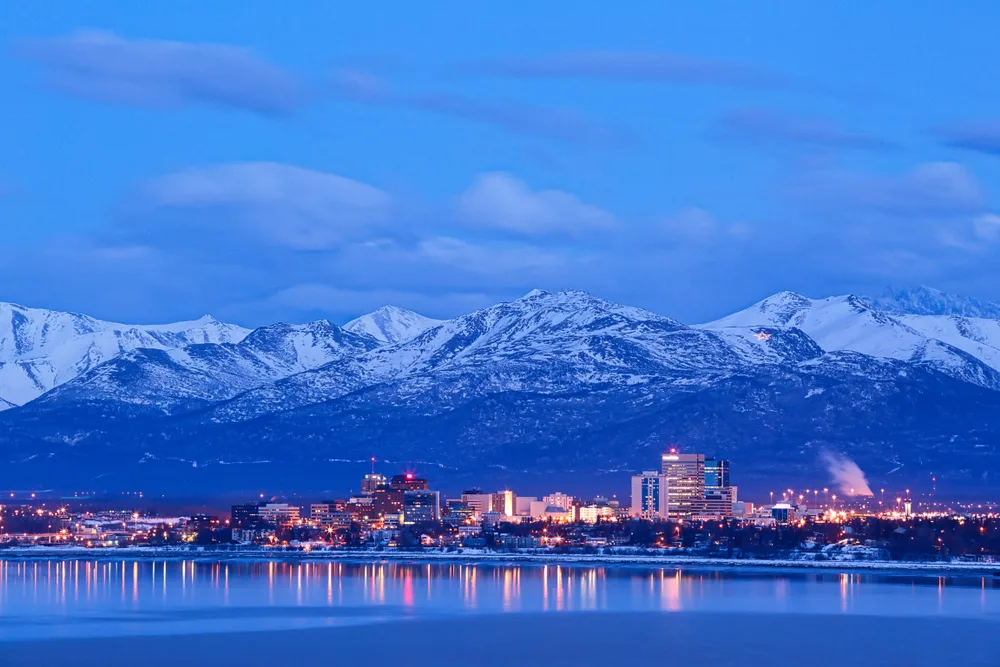
- Outdoor Adventures: Hike or bike the Tony Knowles Coastal Trail, offering stunning views of Cook Inlet and the Chugach Mountains. Explore Kincaid Park for its extensive trail system and potential wildlife sightings. Summit Flattop Mountain for panoramic city views.
- Cultural Immersion: The Anchorage Museum offers deep dives into Alaskan art, history, and science. The Alaska Native Heritage Center provides an invaluable opportunity to learn about the state’s diverse indigenous cultures through traditional dances, storytelling, and artisan demonstrations.
- Wildlife Viewing: Beyond urban encounters, visit the Alaska Wildlife Conservation Center for guaranteed sightings of bears, moose, bison, and other Alaskan animals in a large, natural setting. Day trips to Seward offer chances for marine wildlife cruises.
- Scenic Drives: Drive along the Turnagain Arm, one of the most scenic byways in the United States, leading to charming towns like Girdwood and the iconic Portage Glacier.
- Train Journeys: The Alaska Railroad offers breathtaking routes to destinations like Seward, Talkeetna, and even Denali National Park, providing safe and comfortable ways to see the stunning landscape.
- Winter Wonders: In winter, Anchorage transforms into a snowy wonderland, offering opportunities for skiing at Alyeska Resort or even catching a glimpse of the Northern Lights on clear nights.
Local Culture, Culinary Delights, and Community
Anchorage’s vibrant local scene adds another layer to its appeal.
- Food Scene: From fresh Pacific Ocean seafood to innovative farm-to-table restaurants, Anchorage offers a diverse culinary landscape. Many establishments are known for their warm, inviting atmosphere.
- Art and Music: The city boasts a thriving arts community, with numerous galleries, live music venues, and seasonal festivals that showcase local talent.
- Friendly Locals: Alaskans are often known for their resilience, independence, and friendliness. Many are happy to share their knowledge and love for their state with visitors.
Lifestyle Considerations: Family, Solo, and Budget Travel
Safety considerations can vary depending on your travel style.
- Family Trips: Anchorage is fantastic for families, with numerous kid-friendly attractions. Parents should be extra vigilant with children, especially regarding wildlife and in crowded areas. Planning activities during daylight hours is also advisable.
- Solo Travel: Solo travelers should exercise heightened awareness, particularly when out at night. Inform someone of your itinerary, stay connected, and choose accommodations with good security. Anchorage is generally welcoming for solo adventurers, especially those interested in outdoor activities.
- Budget Travel: Even on a budget, it’s not advisable to compromise on safety. Research cheaper accommodations carefully, prioritizing reviews that mention security and location. Public transport can save money, but be mindful of times and routes.
Making Your Trip to Anchorage Safe and Enjoyable
A well-planned trip is a safe trip. By taking proactive steps, you can focus on making memories rather than worrying about potential issues.
Planning Your Itinerary with Safety in Mind
- Research: Before you go, research the specific areas you plan to visit, including their reputation and any current travel advisories.
- Book Tours: For wilderness excursions, always book with reputable, experienced tour operators. They are knowledgeable about local conditions, wildlife safety, and emergency procedures.
- Share Your Plan: Inform family or friends of your itinerary, especially if you plan on extended hikes or venturing into remote areas.
- Pack Smart: Include appropriate clothing for changing weather, a first-aid kit, and any necessary personal safety items.
Resources and Local Support
- Visitor Information Centers: Upon arrival, visit the Anchorage Visitor Information Center for maps, current conditions, and expert local advice on safe practices.
- Local Authorities: Don’t hesitate to contact the Anchorage Police Department if you witness or are a victim of a crime.
- National Park Service/Forest Service: If exploring federal lands near Anchorage (e.g., in the Mat-Su Valley or around Denali), check their websites for specific safety alerts and guidelines.
In conclusion, “Is Anchorage, Alaska safe?” The answer is a resounding “yes,” provided you approach your visit with common sense, respect for the local environment, and a commitment to personal awareness. Like any urban destination, it has its challenges, but these are far outweighed by the extraordinary experiences it offers. From its stunning natural landscapes and rich cultural heritage to its vibrant city life, Anchorage promises an adventure of a lifetime. By following these guidelines, you can ensure your journey to the heart of Alaska is not only memorable but also wonderfully secure. Come prepared, stay aware, and embrace the magic of the Last Frontier.
LifeOutOfTheBox is a participant in the Amazon Services LLC Associates Program, an affiliate advertising program designed to provide a means for sites to earn advertising fees by advertising and linking to Amazon.com. Amazon, the Amazon logo, AmazonSupply, and the AmazonSupply logo are trademarks of Amazon.com, Inc. or its affiliates. As an Amazon Associate we earn affiliate commissions from qualifying purchases.