
The allure of the unknown has long captivated the human imagination, and few places on Earth command as much mystery and intense public fascination as Area 51. Nestled within the vast, arid expanse of the American Southwest, this highly classified United States Air Force facility has become a cornerstone of modern folklore, extraterrestrial conspiracy theories, and a distinct subculture of paranormal tourism. Yet, for all the rumors surrounding secret government technology and alien encounters, there remains a persistent geographical confusion: many believe this enigmatic site is hidden deep within the desert landscapes of New Mexico.

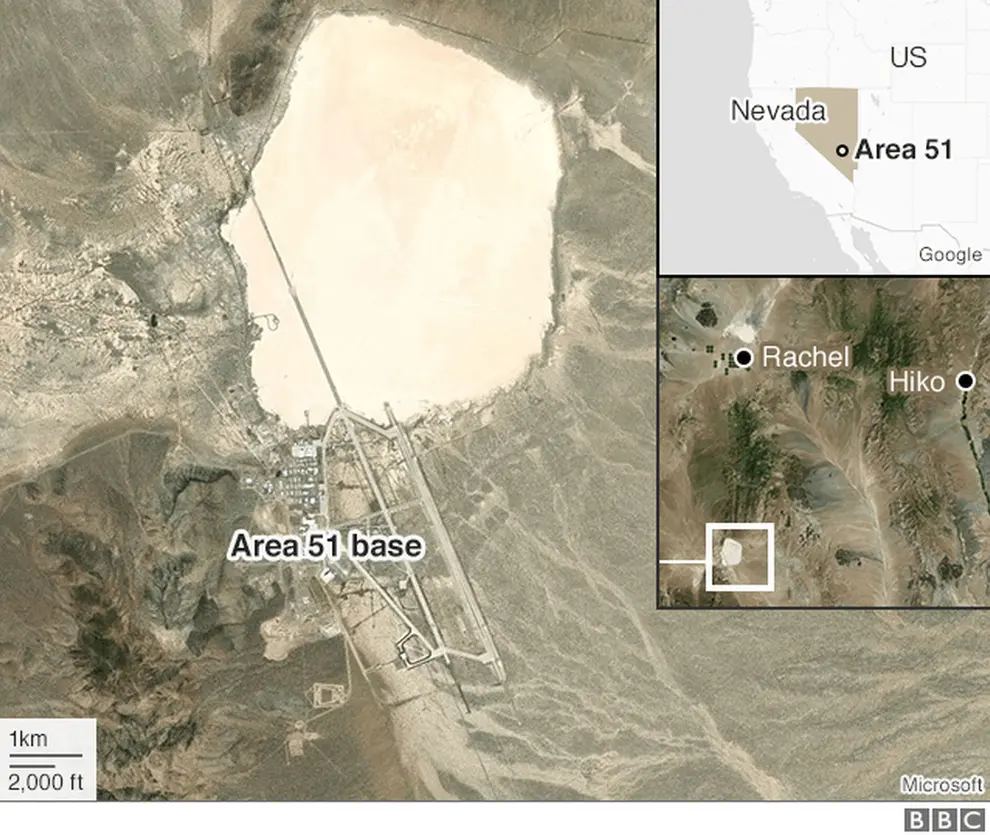
To settle the debate once and for all: Area 51 is not located in New Mexico. The facility is situated in the southern portion of the state of Nevada, specifically within the Nevada Test and Training Range. It lies approximately 83 miles northwest of Las Vegas near the southern shore of Groom Lake. While the confusion is understandable given the region’s rich history of UFO lore, the actual geography of the American West places these two states—and their respective mysteries—in entirely different contexts.
The Geographical Reality of Nevada’s Mystery
The actual site of Area 51 is a remote, heavily guarded military installation. It is part of a larger complex operated by the Edwards Air Force Base. The base is surrounded by rugged mountains and the dry lake bed of Groom Lake, providing a natural barrier that shields the activities taking place within from prying eyes.
Why the Misconception Persists
The confusion regarding the location of Area 51 often stems from a conflation of different iconic American UFO events. New Mexico is home to its own legendary extraterrestrial narrative: the Roswell incident of 1947. Because Roswell is widely recognized as the epicenter of American UFO culture, many people subconsciously link the “secret government base” trope to the same state where the most famous saucer crash allegedly occurred.
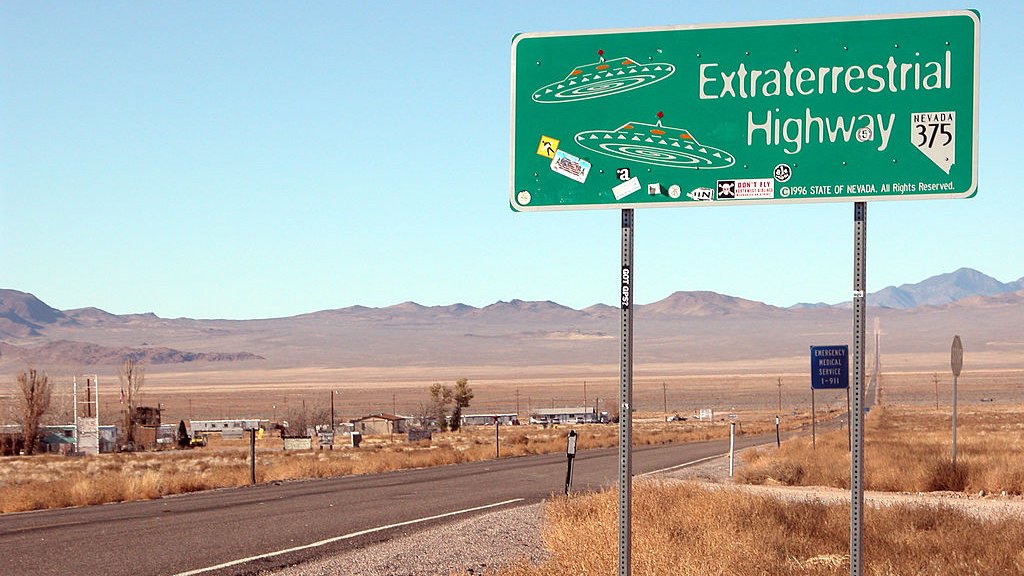
In reality, Nevada and New Mexico are distinct hubs of paranormal tourism. While Nevada offers the Extraterrestrial Highway and the town of Rachel, which sits on the outskirts of the restricted military zone, New Mexico boasts the International UFO Museum and Research Center and the deep-seated history of the White Sands Missile Range.
The Influence of New Mexico on UFO Lore
Even though Area 51 is thousands of miles away from the heart of the Land of Enchantment, New Mexico remains inextricably tied to the phenomenon of flight testing and potential alien recovery. The state’s history is defined by the dawn of the atomic age and the development of high-altitude aeronautics.
The Roswell Incident
The Roswell incident remains the most significant event in the history of unidentified aerial phenomena. In July 1947, a balloon crashed on a ranch near Roswell, New Mexico. While the military initially stated it was a “flying disc,” they later claimed it was a conventional weather balloon—a claim that has sparked decades of skepticism and conspiracy theories. For those visiting the area, the city of Roswell has leaned fully into this identity, serving as a primary pilgrimage site for enthusiasts.
Scientific and Military Significance
Beyond the conspiracies, New Mexico truly was a testing ground for experimental military technology. The White Sands Missile Range, established in 1945, was the site of the first atomic bomb detonation at the Trinity Site. The proximity of these high-security installations to the Roswell area led many to believe that whatever was spotted in the skies was not of extraterrestrial origin, but rather highly classified American aviation projects—the very same kind of projects that would later be moved to Area 51 in Nevada.
Experiencing the Culture of Paranormal Tourism
Whether you are interested in the reality of Area 51 or the legacy of Roswell, both states offer a unique form of travel that caters to those who look toward the stars with curiosity.
The Nevada Experience: Seeking the Base
Traveling to Rachel, Nevada, is an exercise in isolation and desert beauty. The drive along the Extraterrestrial Highway passes through wide-open plains and barren mountain ranges. Visitors often stop at the Little A’Le’Inn, a famous local landmark that serves as the unofficial base camp for those attempting to catch a glimpse of the distant Groom Lake facility. It is important to note that the area remains under constant surveillance, and crossing the marked boundaries is strictly prohibited and heavily enforced.
The New Mexico Experience: Historical Significance
Conversely, New Mexico offers a more accessible look at the intersection of history and mystery. A visit to the International UFO Museum and Research Center in Roswell provides a structured look at the claims and counter-claims surrounding the 1947 event. While in the state, travelers often combine their interest in UFOs with visits to other iconic landmarks like Carlsbad Caverns National Park or the historic city of Santa Fe, which provide a cultural depth that balances the kitschy, alien-themed tourism of Roswell.
Distinguishing Fact from Fiction
As we navigate the intersection of military history and popular culture, it is essential to distinguish between the two states. Area 51 is a cold, calculated military testing ground in the high desert of Nevada, known for its top-secret aeronautical research. New Mexico, while equally associated with the sky, is a state defined by its indigenous heritage, Atomic Age history, and the enduring, localized legacy of the Roswell crash.
Final Thoughts for the Traveler
For those planning a trip to explore the origins of Area 51, setting your GPS for Nevada is a necessity. Start your journey in Las Vegas before heading north toward Groom Lake. If your interest lies in the historical impact of the 1947 Roswell event, focus your itinerary on New Mexico.
Both regions offer breathtaking landscapes that have been shaped by the presence of military history and the myths that grow in the silence of the desert. While they serve different roles in the narrative of the unexplained, both contribute to the vast, mysterious tapestry of the American West. By understanding the distinct geography of these regions, you can better appreciate the historical facts behind the legends that continue to draw thousands of travelers to these remote, fascinating destinations every year. Whether you are looking for hidden aircraft or just the silence of the desert, the American Southwest is a destination where the landscape itself feels as vast and mysterious as the universe beyond.
LifeOutOfTheBox is a participant in the Amazon Services LLC Associates Program, an affiliate advertising program designed to provide a means for sites to earn advertising fees by advertising and linking to Amazon.com. Amazon, the Amazon logo, AmazonSupply, and the AmazonSupply logo are trademarks of Amazon.com, Inc. or its affiliates. As an Amazon Associate we earn affiliate commissions from qualifying purchases.